
Plants and animals have specialized systems for moving essential materials...
 Biology149 views·Updated Jun 19, 2026·14 pages
How Plants and Blood Work: Xylem, Phloem, and More!

Hannah Egan@hannahegan_xyym
1 / 10
1
of 10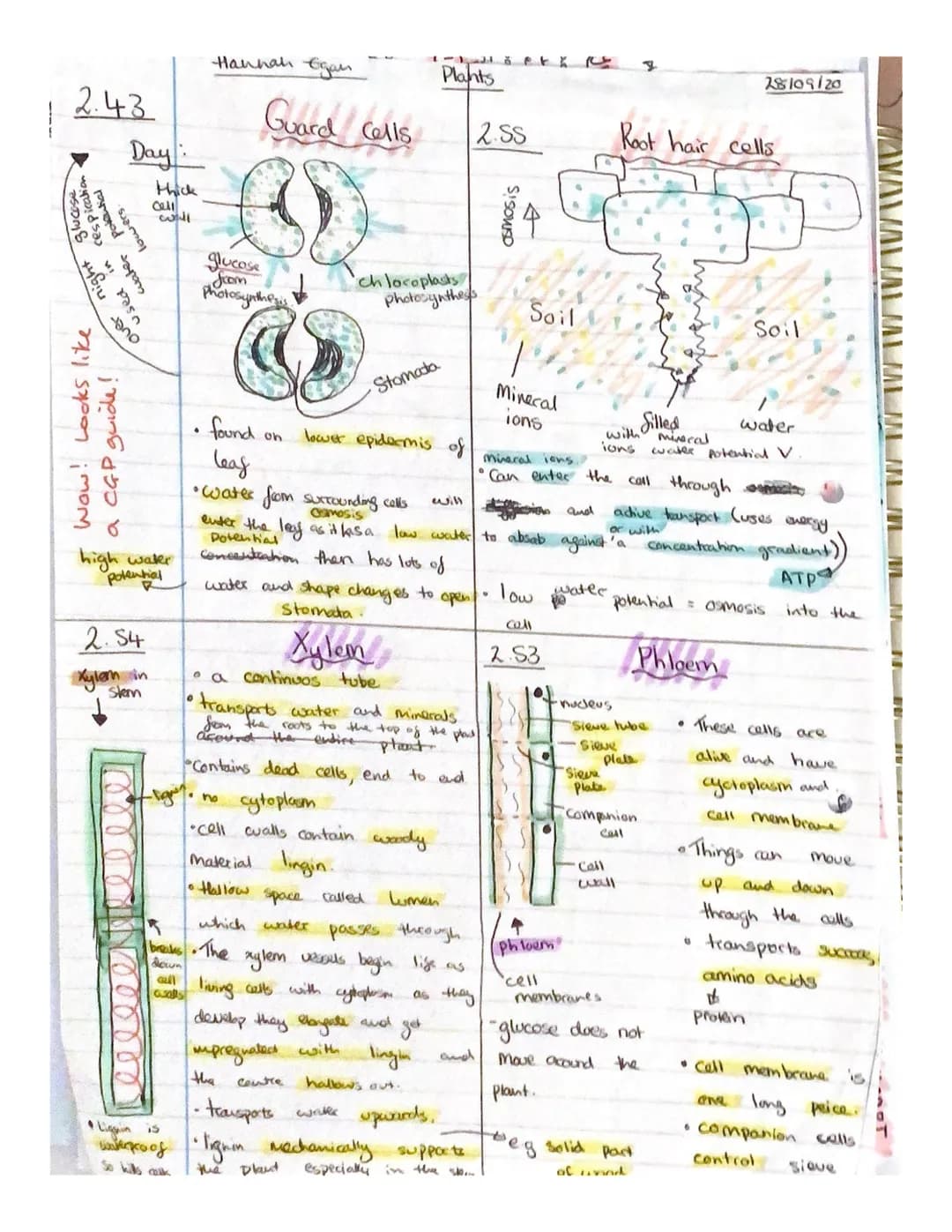
Understanding Plant Transport and Photosynthesis
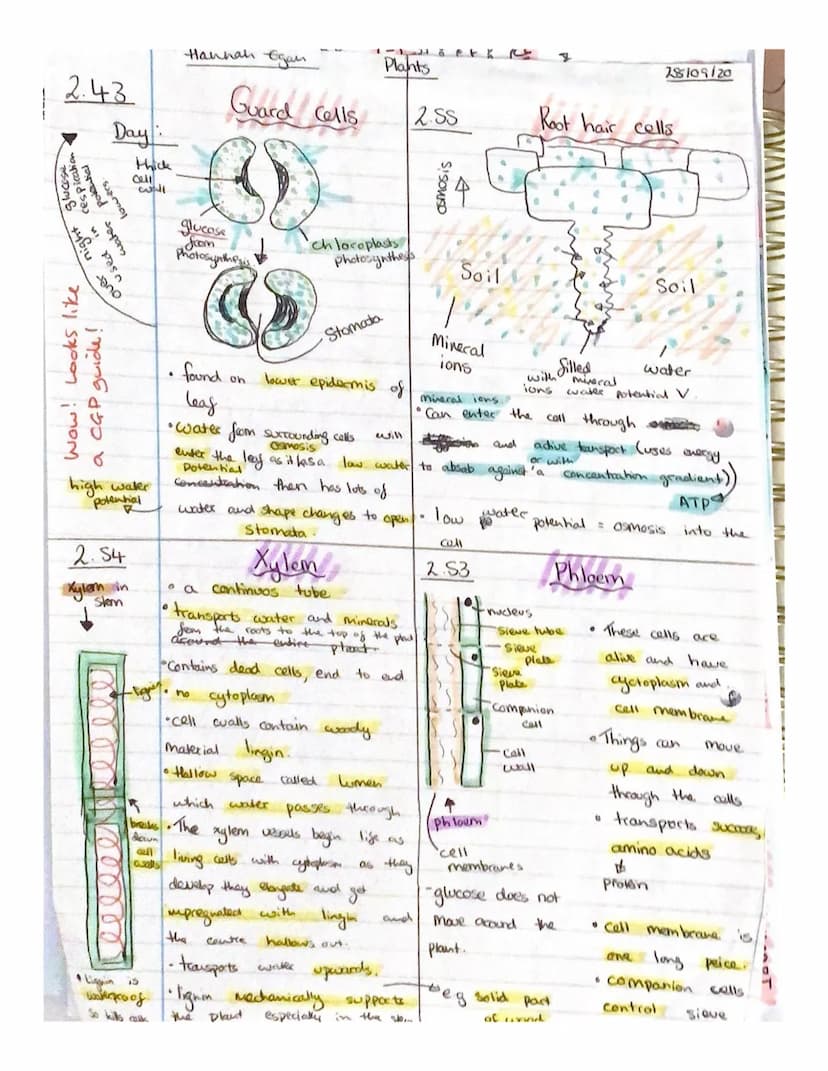
Plants have evolved sophisticated systems for moving water, nutrients, and energy throughout their structures. Xylem and phloem transport in plants works through specialized tissue systems that ensure survival and growth. The xylem tissue forms continuous tubes that transport water and minerals from roots to leaves, while phloem tissue moves sugars and other nutrients throughout the plant.
The xylem vessels begin as living cells but mature into hollow tubes strengthened by lignin, a woody material that provides structural support. These vessels create an efficient pipeline for water movement from roots to leaves. Root hair cells actively absorb mineral ions from the soil through both diffusion and energy-requiring active transport processes.
Photosynthesis and stomata function in plants relies on specialized guard cells in the leaves. These cells contain chloroplasts and respond to light and glucose levels to control the opening and closing of stomata - tiny pores that allow gas exchange. When guard cells absorb water, they change shape to open the stomata, enabling CO2 to enter for photosynthesis while allowing oxygen and water vapor to exit.
Definition: Lignin is a complex organic polymer that provides structural support to plant tissues and makes them rigid and woody.
Example: Think of xylem vessels like drinking straws running from roots to leaves - they provide an uninterrupted path for water movement upward through the plant.
2
of 10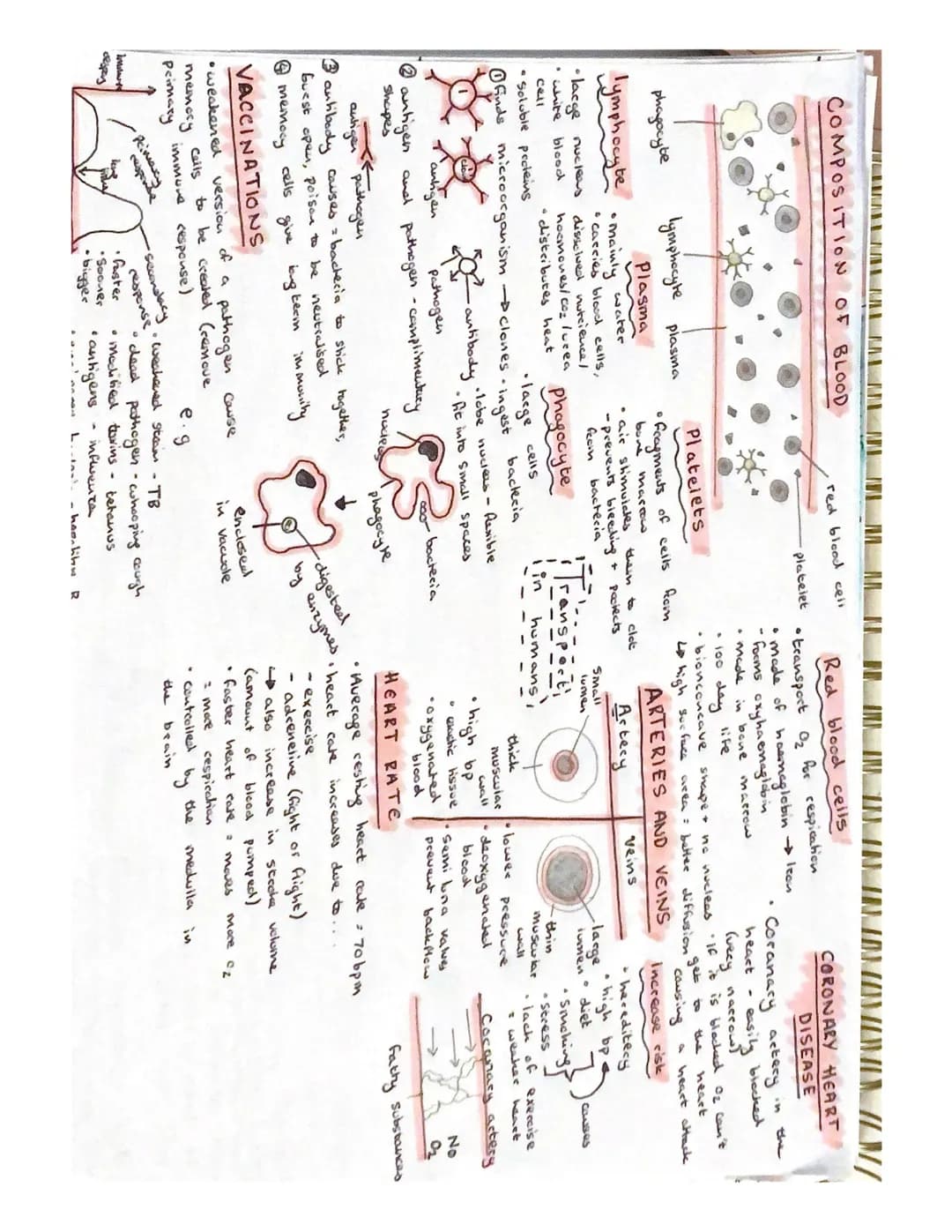
Blood Components and Their Essential Functions
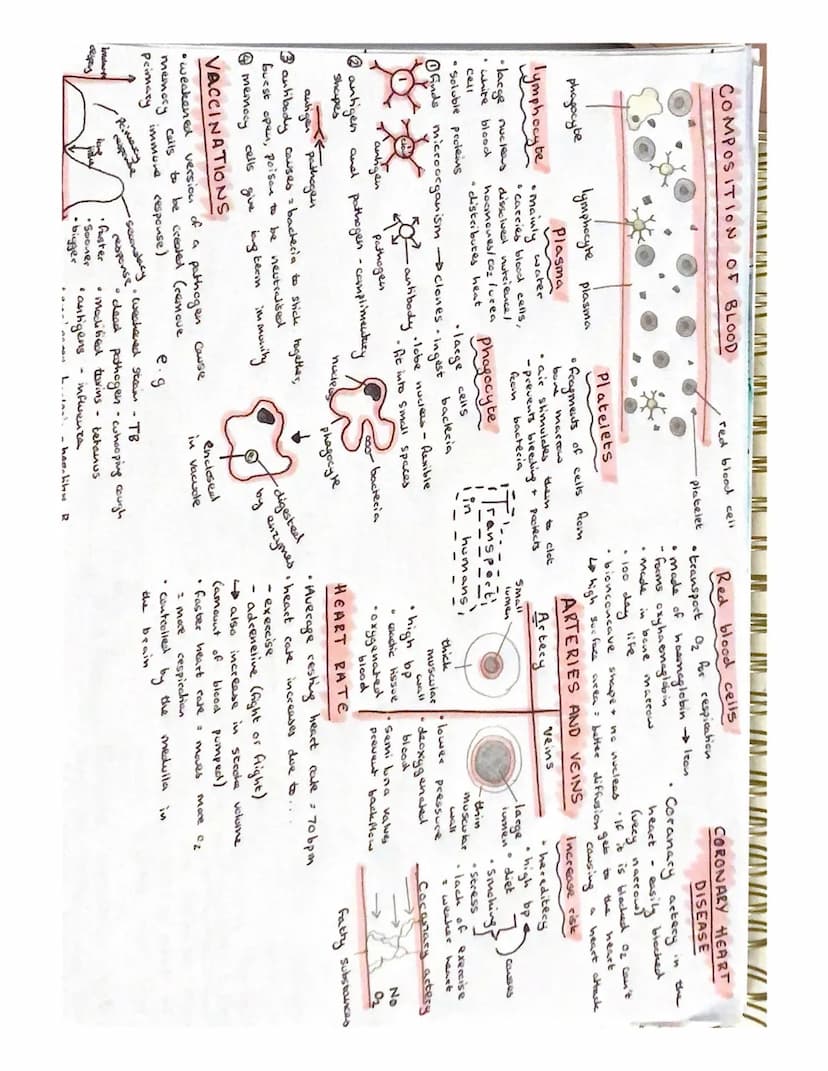
Composition and function of blood components is crucial for understanding how our circulatory system maintains health. Blood consists of several key components: plasma, red blood cells, white blood cells, and platelets, each serving specific and vital functions.
Plasma, which is mostly water, carries dissolved nutrients, hormones, and proteins throughout the body. Red blood cells, specialized for oxygen transport, contain hemoglobin that binds with oxygen to form oxyhemoglobin. These cells have a distinctive biconcave shape and lack a nucleus to maximize their oxygen-carrying capacity.
White blood cells, including lymphocytes and phagocytes, form the immune system's front line. Lymphocytes produce antibodies and maintain immunological memory, while phagocytes engulf and destroy pathogens. Platelets, though not complete cells, are essential for blood clotting and preventing excessive bleeding.
Highlight: Red blood cells live for approximately 100 days before being replaced, with new cells constantly being produced in bone marrow.
Vocabulary: Oxyhemoglobin - the compound formed when hemoglobin combines with oxygen in red blood cells.
3
of 10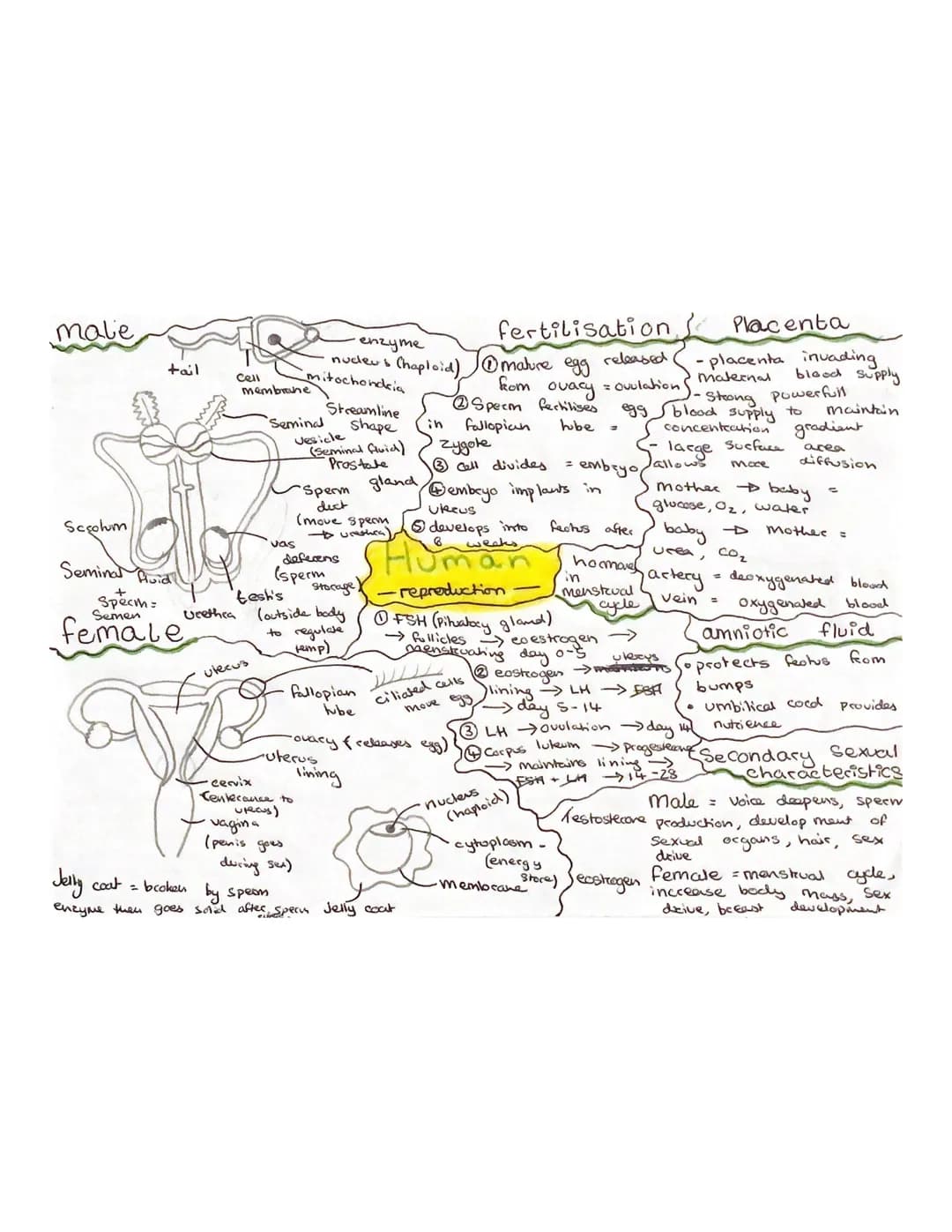
Reproductive System and Fertilization
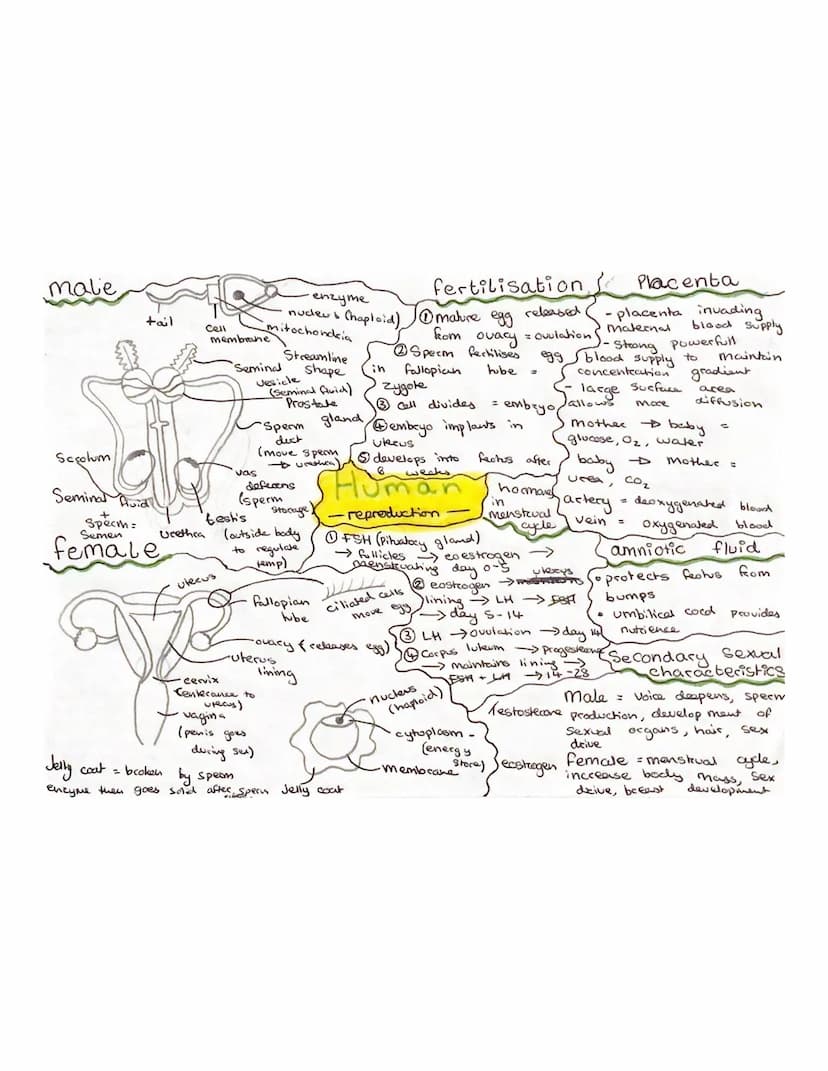
The human reproductive system demonstrates remarkable specialization in both male and female anatomy. Sperm cells, produced in the testes, are streamlined for efficient movement and carry genetic material in their nucleus. The female reproductive system provides the environment for potential fertilization and fetal development.
During fertilization, sperm cells use specialized enzymes to penetrate the egg's protective coating. Once fertilization occurs, the resulting zygote begins rapid cell division as it travels to the uterus. The developing embryo implants in the uterine lining, where the placenta forms to provide nutrients and oxygen.
Hormones play crucial roles throughout reproduction. Follicle-stimulating hormone (FSH) and luteinizing hormone (LH) regulate the menstrual cycle, while testosterone and estrogen influence secondary sexual characteristics development.
Definition: A zygote is the single cell formed when a sperm fertilizes an egg, containing the combined genetic material from both parents.
4
of 10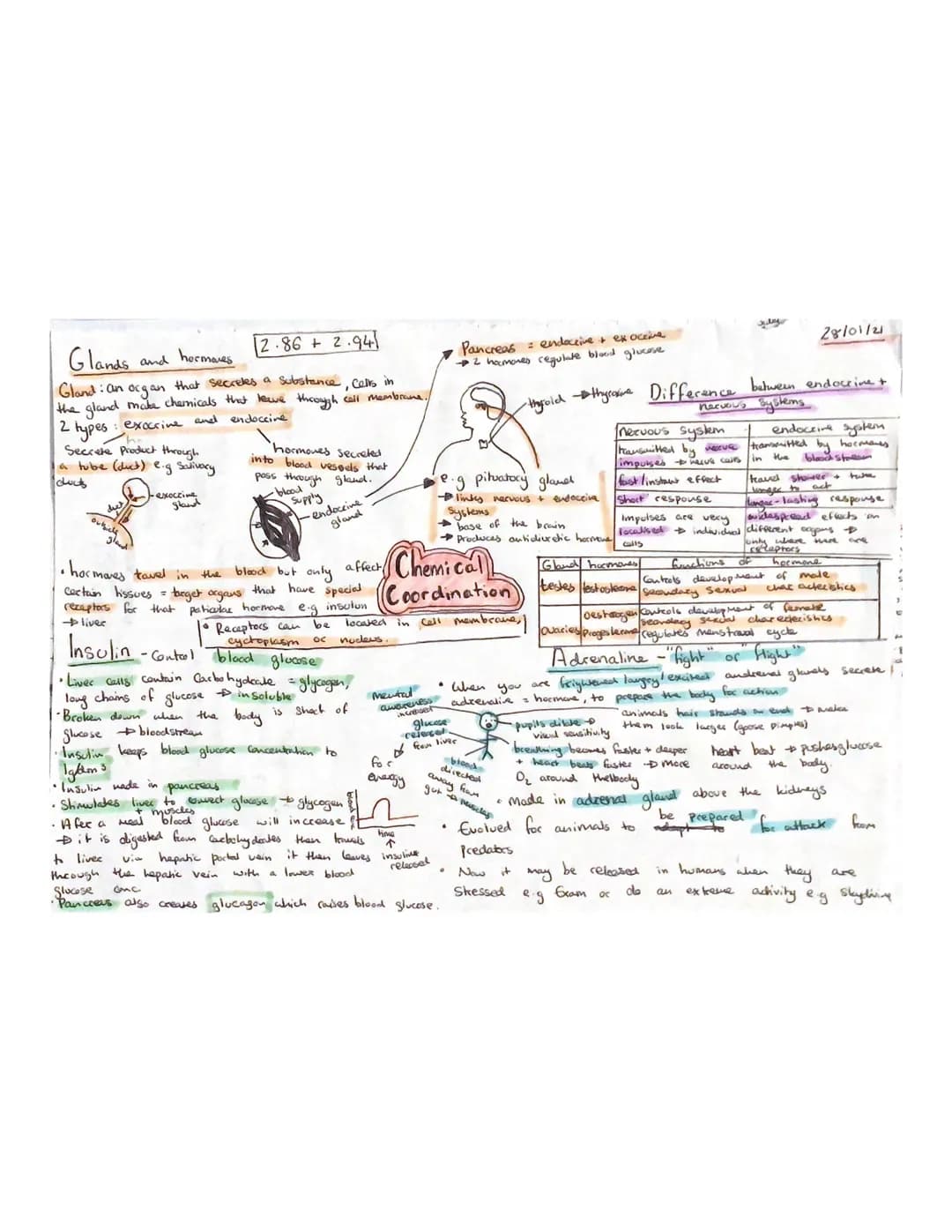
Hormonal Control and Endocrine System
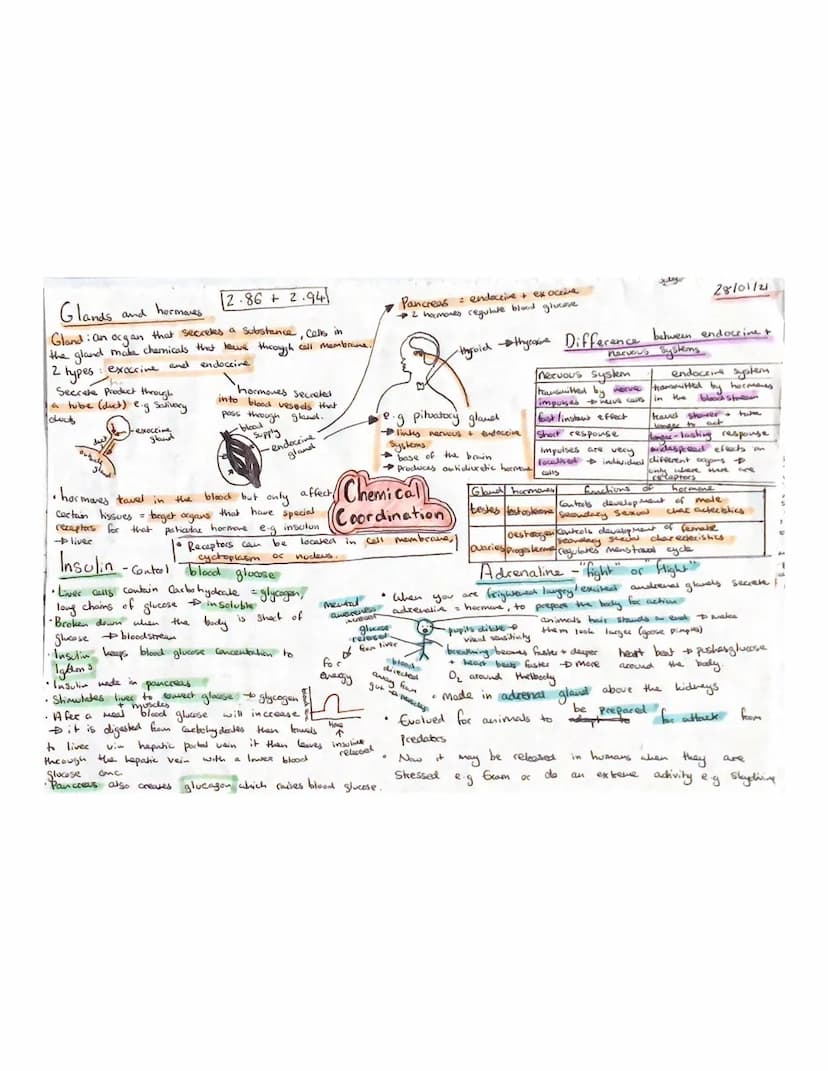
The endocrine system coordinates body functions through hormones released directly into the bloodstream. Unlike the nervous system's rapid electrical signals, hormones provide slower but longer-lasting effects throughout the body.
Insulin and glucagon, produced by the pancreas, maintain blood glucose balance. When blood glucose rises after eating, insulin triggers cells to absorb glucose and the liver to store excess as glycogen. Conversely, glucagon signals the liver to break down glycogen when blood glucose levels fall.
The adrenal glands produce adrenaline, preparing the body for "fight or flight" responses by increasing heart rate, dilating pupils, and redirecting blood flow to essential organs. This evolutionary adaptation, while originally helping ancestors survive predator encounters, now activates during modern stressors like exams or public speaking.
Example: Think of hormones as chemical messengers that travel through the bloodstream to trigger specific responses in target organs, similar to a key fitting only its matching lock.
5
of 10
Understanding Living Organisms and Their Classification
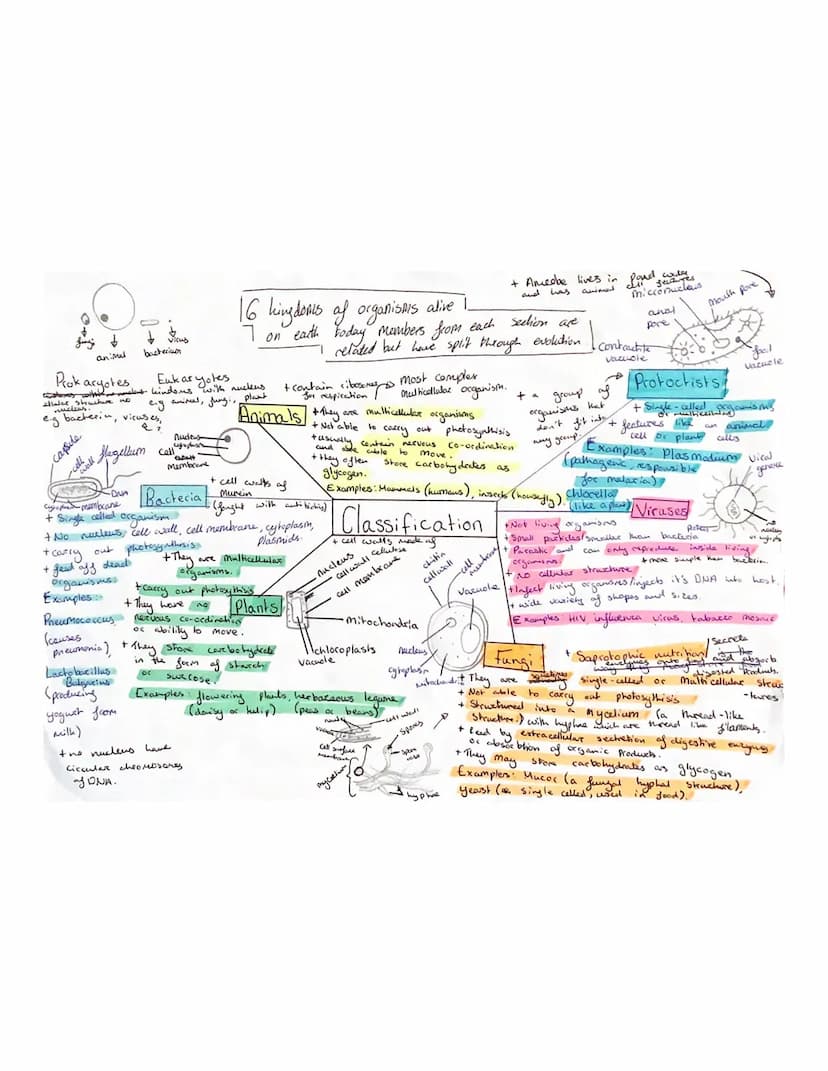
Living organisms on Earth are classified into distinct kingdoms based on their cellular structure and characteristics. Xylem and phloem transport in plants represents just one of many complex systems that distinguish different types of organisms.
Eukaryotes and prokaryotes form the two main categories of cellular organization. Eukaryotes, including plants and animals, have membrane-bound nuclei and specialized organelles. Their cells contain structures like mitochondria for energy production and, in plants, chloroplasts for photosynthesis and stomata function in plants. These organisms typically display complex multicellular organization.
Definition: Prokaryotes are simpler organisms lacking membrane-bound organelles and a true nucleus. Bacteria are the most common example.
The five kingdoms of life include:
- Bacteria: Single-celled prokaryotes with cell walls containing murein
- Plants: Multicellular eukaryotes with cellulose cell walls and chloroplasts
- Animals: Multicellular eukaryotes that store energy as glycogen
- Fungi: Organisms with chitin cell walls that feed through absorption
- Protists: Mostly single-celled eukaryotes with various characteristics
Example: Bacteria like Lactobacillus bulgaricus demonstrate practical applications in food production, such as making yogurt. Meanwhile, pathogenic bacteria like Pneumococcus can cause diseases like pneumonia.
6
of 10
Understanding Blood and Circulation
Composition and function of blood components is essential for life in complex organisms. The circulatory system works through a sophisticated network of vessels and specialized cells.
Blood consists of several key components:
- Red blood cells (erythrocytes) that carry oxygen
- White blood cells (leukocytes) that fight infection
- Platelets that enable blood clotting
- Plasma that carries dissolved substances
Highlight: The transport of oxygen and nutrients throughout the body relies on the precise composition of blood components working together.
The heart pumps blood through arteries, veins, and capillaries to reach every cell in the body. This circulation is vital for:
- Delivering oxygen and nutrients
- Removing waste products
- Maintaining body temperature
- Distributing hormones
- Fighting infections
Vocabulary: Hemoglobin is the iron-containing protein in red blood cells that binds with oxygen for transport throughout the body.
7
of 10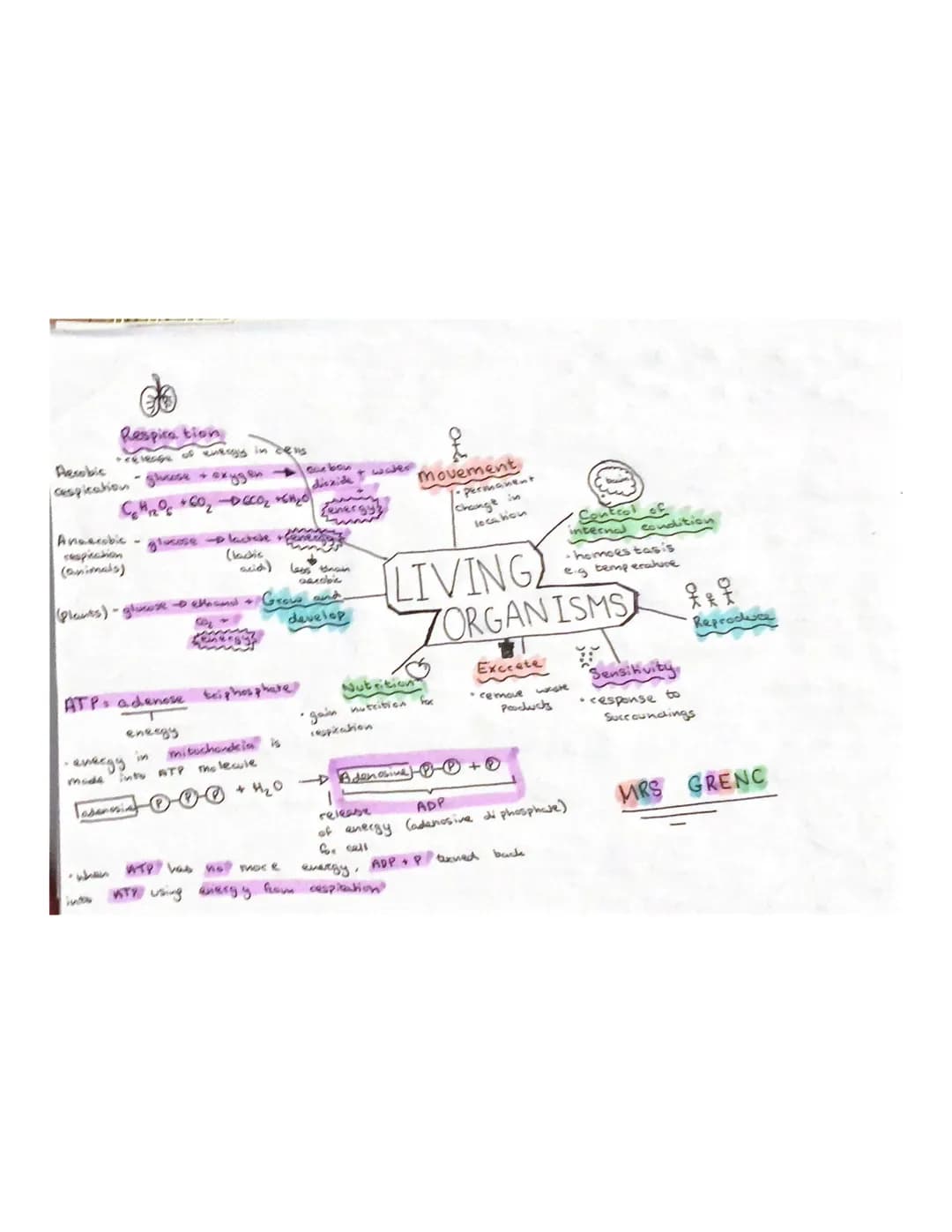
Cellular Respiration and Energy Production
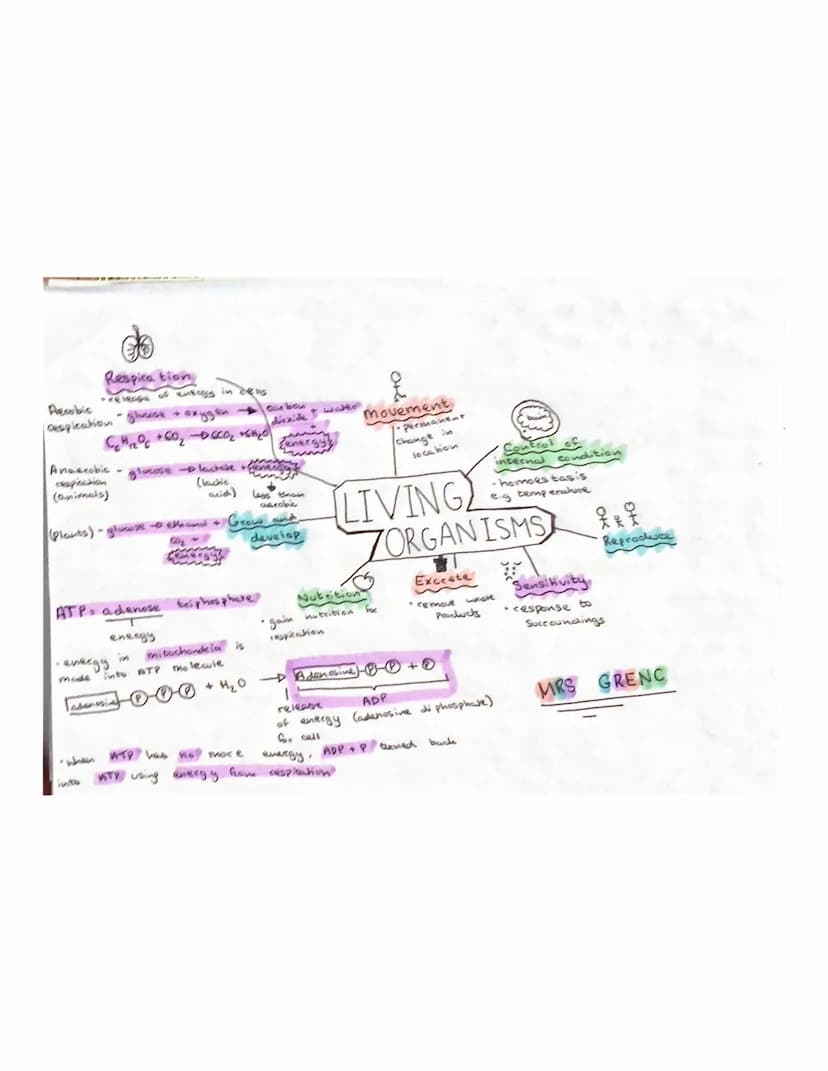
Cellular respiration is the process by which organisms break down glucose to release energy. This complex process occurs in stages and can happen with or without oxygen present.
The basic equation for aerobic respiration is: Glucose + Oxygen → Carbon dioxide + Water + Energy C₆H₁₂O₆ + 6O₂ → 6CO₂ + 6H₂O + ATP
Definition: ATP (adenosine triphosphate) is the energy currency of cells, produced during respiration and used for cellular processes.
Energy released during respiration is used for:
- Movement
- Growth and development
- Active transport
- Maintaining body temperature
- Synthesizing new molecules
Example: During exercise, muscles may switch to anaerobic respiration when oxygen supply cannot meet demand, producing lactic acid as a byproduct.
8
of 10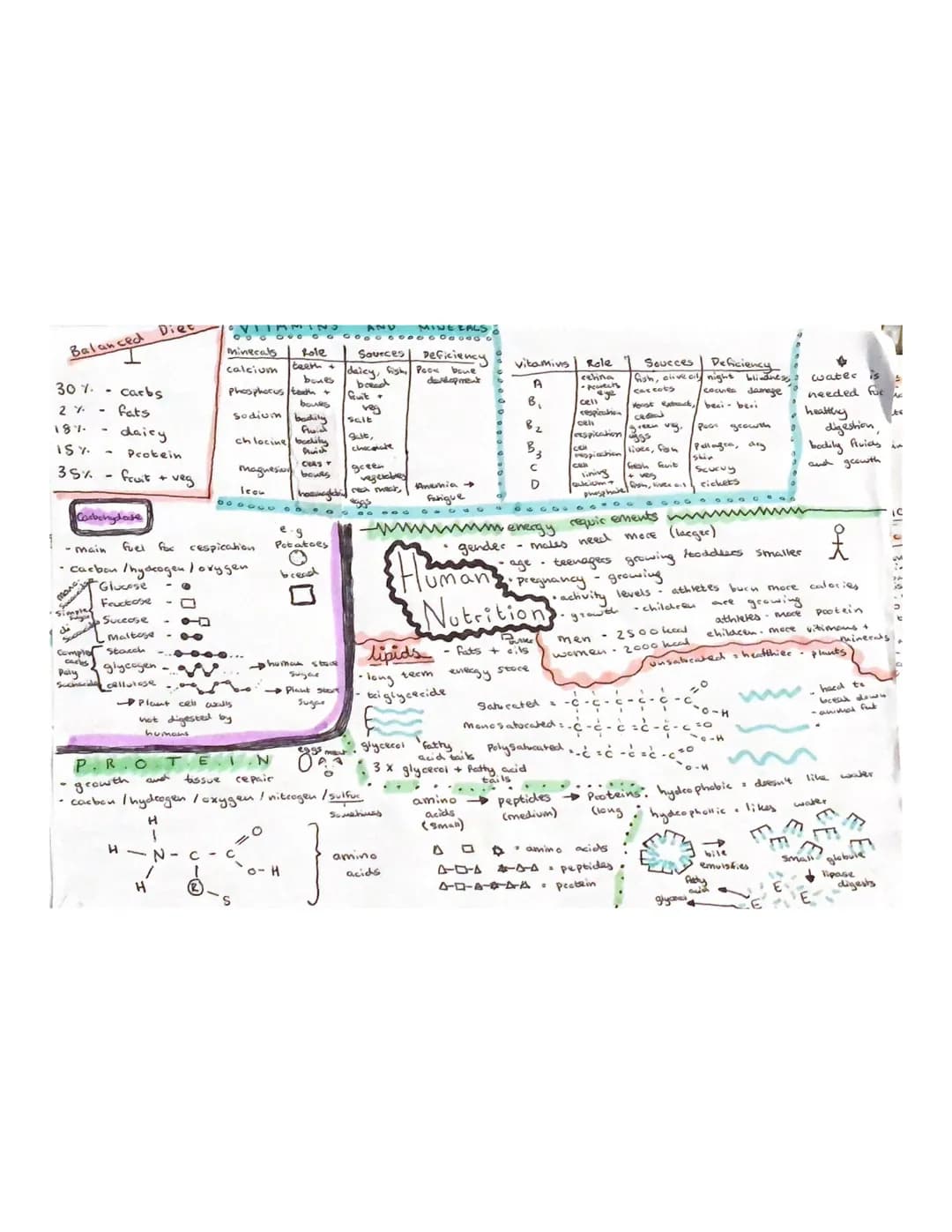
Nutrition and Balanced Diet
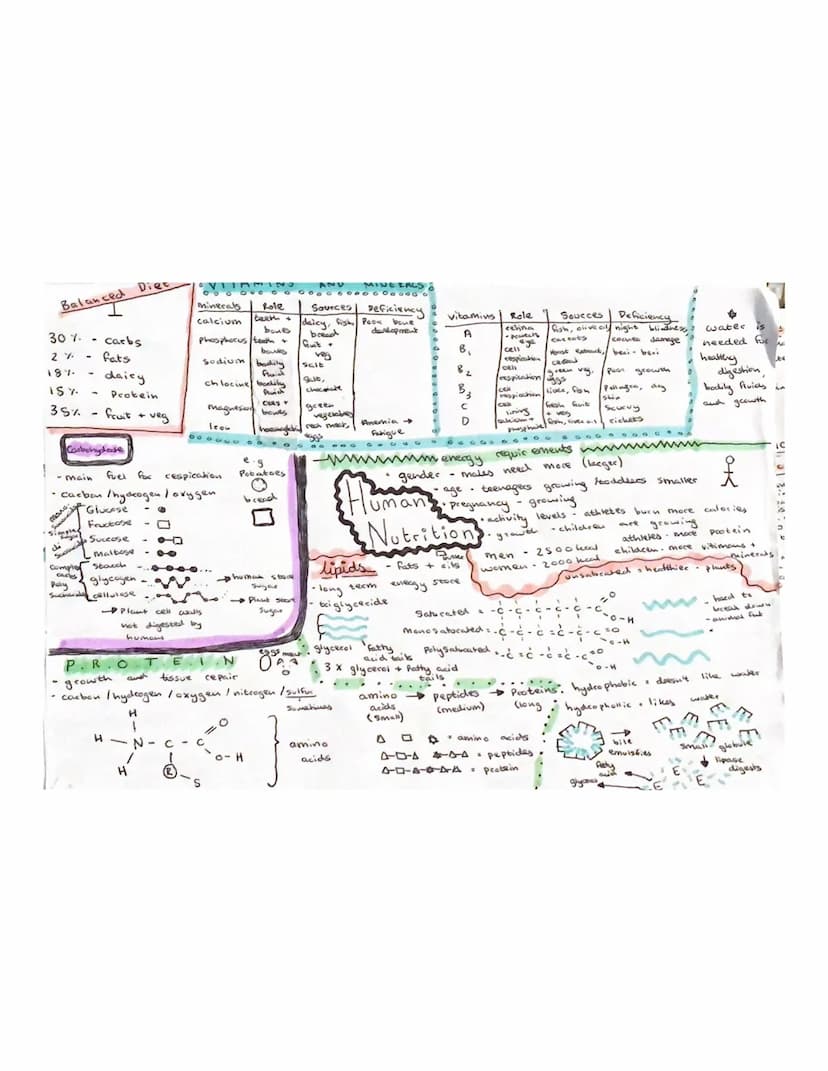
A balanced diet provides all necessary nutrients in the correct proportions for maintaining health and supporting bodily functions. The main food groups include:
Carbohydrates :
- Simple sugars like glucose and fructose
- Complex carbohydrates like starch
- Dietary fiber from plant cell walls
Highlight: Proper nutrition requires not just adequate calories, but the right balance of macronutrients and micronutrients.
Proteins :
- Essential for growth and repair
- Built from amino acids
- Sources include meat, fish, eggs, and legumes
Fats and Lipids :
- Energy storage
- Protection of organs
- Insulation
- Source of fat-soluble vitamins
Example: A balanced meal might include lean protein (chicken), complex carbohydrates (brown rice), vegetables (broccoli), and healthy fats (olive oil).
9
of 10
Understanding Gas Exchange and Respiratory System Adaptations
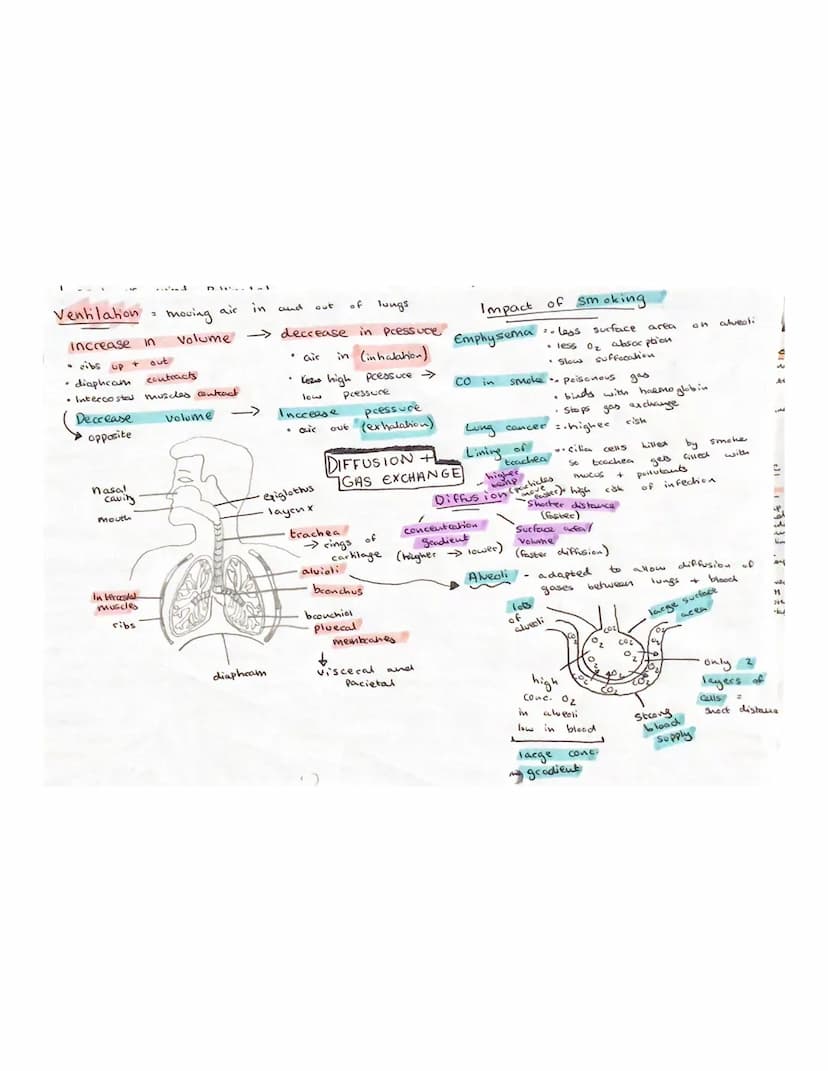
The respiratory system is an intricate network designed for efficient gas exchange, enabling organisms to obtain oxygen and remove carbon dioxide. This vital process involves multiple specialized structures working in harmony.
Ventilation occurs through a precisely coordinated series of mechanical actions. When we inhale, the diaphragm contracts and moves downward while the intercostal muscles pull the ribcage up and out. This increases the volume in the chest cavity, creating lower air pressure inside the lungs compared to the outside environment. Following the principle that air moves from high to low pressure, air rushes in through the nasal cavity or mouth. During exhalation, these muscles relax, decreasing lung volume and pushing air out.
Definition: Alveoli are tiny air sacs in the lungs where gas exchange occurs across a very thin membrane between air spaces and blood vessels.
The airways are specially adapted for efficient gas exchange. The trachea contains rings of cartilage to keep it open and is lined with mucus-producing cells and tiny hair-like cilia that trap and remove particles. As airways branch into smaller bronchi and bronchioles, they eventually lead to microscopic alveoli. These alveoli are crucial adaptation features with specific characteristics that maximize gas exchange efficiency - they have an enormous surface area relative to their volume, extremely thin walls (just two cell layers thick), and rich blood supply.
Highlight: Smoking severely impacts respiratory function by destroying alveoli (causing emphysema), paralyzing protective cilia, and increasing cancer risk.
10
of 10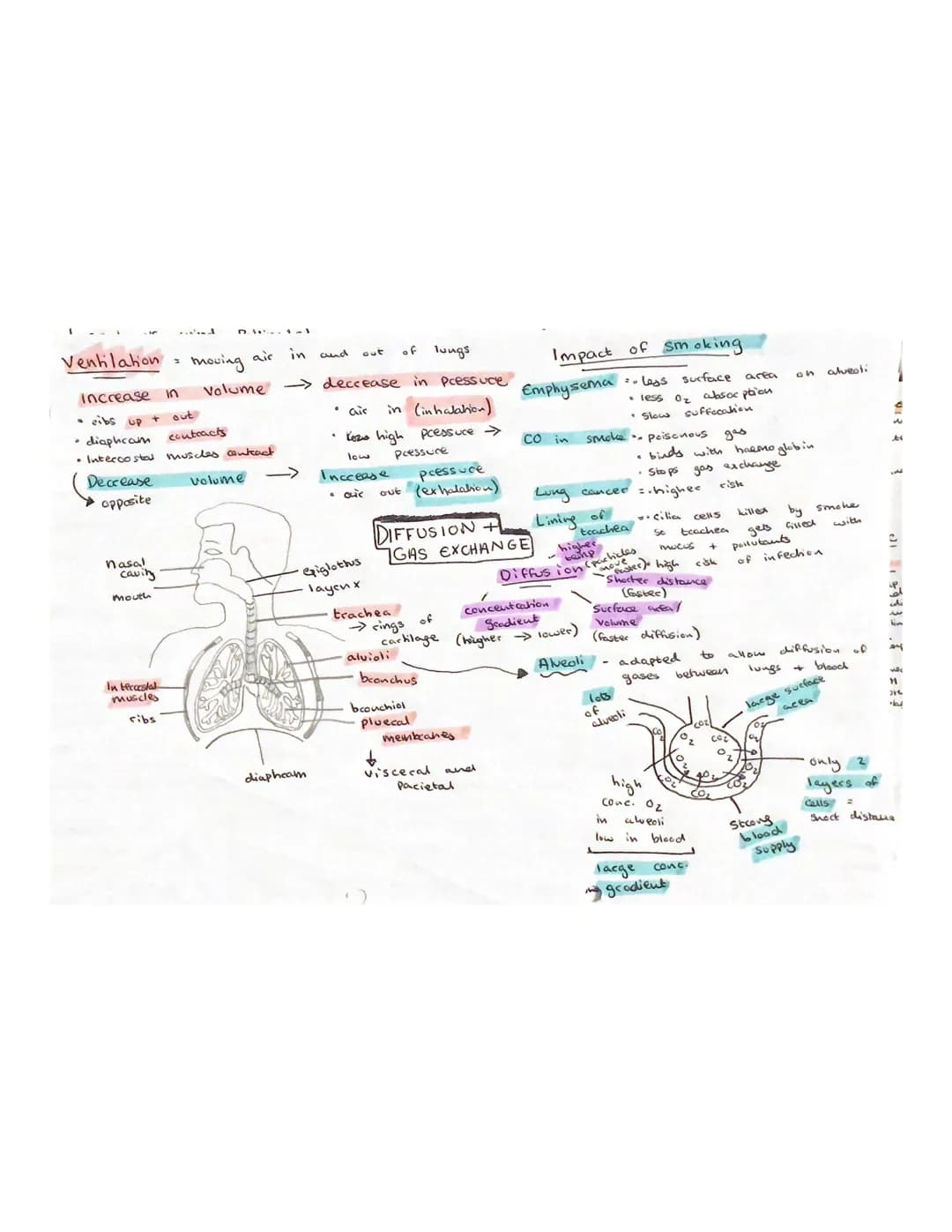
The Impact of Smoking on Respiratory Health
Smoking causes devastating damage to the respiratory system through multiple mechanisms. One of the most serious conditions it causes is emphysema, where alveoli are gradually destroyed, significantly reducing the surface area available for gas exchange. This leads to progressively worsening oxygen absorption and essentially results in a slow form of suffocation as the condition advances.
The presence of smoke in the airways has immediate and long-term consequences. The hot smoke raises the temperature of the airways and paralyzes the cilia - tiny hair-like structures that normally help clear mucus and trapped particles from the lungs. When these protective mechanisms are compromised, it leads to increased risk of infections and accumulation of harmful substances in the lungs.
Example: In healthy lungs, oxygen diffuses rapidly across the alveolar membrane due to the concentration gradient between air spaces (high oxygen) and blood (low oxygen). Carbon dioxide moves in the opposite direction. Smoking disrupts this efficient exchange process.
The carcinogenic compounds in tobacco smoke significantly increase the risk of developing lung cancer. These harmful substances directly damage the DNA of lung cells, leading to uncontrolled cell growth and tumor formation. Additionally, smoking causes chronic inflammation of the airways, making them more susceptible to various respiratory infections and diseases.
We thought you’d never ask...
What is the Knowunity AI companion?
Our AI Companion is a student-focused AI tool that offers more than just answers. Built on millions of Knowunity resources, it provides relevant information, personalised study plans, quizzes, and content directly in the chat, adapting to your individual learning journey.
Where can I download the Knowunity app?
You can download the app from Google Play Store and Apple App Store.
Is Knowunity really free of charge?
That's right! Enjoy free access to study content, connect with fellow students, and get instant help – all at your fingertips.
Similar content
Most popular content: Respiration
9BiologyCellular Respiration Explained
Explore the essential processes of cellular respiration, including aerobic and anaerobic pathways, ATP production, and fermentation. This summary covers key concepts such as respiratory substrates, oxidation, and energy transfer, tailored for GCSE OCR Biology students.
91,15515
BiologyCell Biology & Metabolism
Explore key concepts in cellular biology, including respiration, metabolism, and the circulatory system. This summary covers aerobic and anaerobic respiration, drug testing processes, and the role of specialized cells. Ideal for students preparing for biology exams, this resource provides a comprehensive overview of essential biological processes and disease mechanisms.
112162
BiologyAerobic Respiration Explained
Explore the essential processes of aerobic respiration, including the chemical equation, the role of oxygen, and the significance of by-products like carbon dioxide and water. This summary covers key concepts such as cellular bioenergetics and the differences between respiration and breathing, making it ideal for GCSE Biology students.
103583
BiologyAerobic vs Anaerobic Respiration
Explore the key differences between aerobic and anaerobic respiration, including ATP production, glucose breakdown, and the effects of lactic acid. This summary covers essential concepts such as oxygen debt, energy efficiency, and the physiological responses during intense exercise. Ideal for students studying cellular metabolism and respiration processes.
91896
BiologyAerobic & Anaerobic Respiration
Explore the essential processes of aerobic and anaerobic respiration, including key equations, energy release, and the role of lactic acid. This summary covers cellular respiration, fermentation, and their significance in energy production for living organisms. Ideal for students studying cellular bioenergetics.
1079917
BiologyBiology B1-B3 Revision Maps
Comprehensive mind maps covering key concepts in Biology B1-B3, including transport systems, photosynthesis, the circulatory system, hormonal contraception, and the nervous system. Ideal for Grade 9 students preparing for the OCR exam board.
84408
BiologyBiology Concepts Overview
Explore key concepts in biology including cell structure, photosynthesis, eye anatomy, immunology, and the nervous system. This comprehensive summary covers essential topics for AQA GCSE, focusing on human hormones, kidney function, disease prevention, and more. Ideal for students preparing for exams.
112743
BiologyBiology: Systems & Processes
Explore key concepts in Year 10 Biology, including respiration, gas exchange, the circulatory system, immune responses, and human digestion. This summary covers essential topics such as cellular structures, biological processes, and the impact of lifestyle on health. Ideal for exam preparation and understanding human anatomy and physiology.
101911
BiologyAerobic vs Anaerobic Respiration
Explore the key processes of aerobic and anaerobic respiration, including energy release, the role of mitochondria, and the impact of oxygen on cellular metabolism. This summary covers essential concepts such as glucose breakdown, carbon dioxide production, and lactic acid buildup during anaerobic conditions. Ideal for students studying cellular energetics and bioenergetics.
8763
Most popular content in Biology
9C
BiologyCell Biology and Cell structure
cell structures
93,2410
1
Biology1.cells Gcse biology question cards
combined science higher biology
92,3504
BiologyAQA Biology: Key Concepts
Explore essential AQA Biology topics including Photosynthesis, Respiration, Homeostasis, Genetics, and Ecology. This comprehensive knowledge organizer covers key concepts such as energy transfer, hormonal control, and genetic variation, providing a solid foundation for your studies. Ideal for exam preparation and understanding biological processes.
108,792306
T
BiologyThe functions of subcellular structures - B1 Biology
Flashcards on the different functions of subcellular structures: cell membrane, nucleus, mitochondria, ribosomes, cytoplasm, permant vacuole, chloroplasts and cell wall.
102,7815
BiologyA-Level Biology Year 1 Overview
Comprehensive summary of AQA A-Level Biology Year 1, covering key topics such as cellular structure, protein synthesis, immune response, gas exchange, and more. Ideal for exam preparation and understanding biological concepts. Includes detailed insights into cellular processes, biological classification, and the circulatory system.
1214,890694
T
BiologyTypes of cells
biology
101,2080
B
BiologyBiology Paper 1 quiz
this is a simple quiz on key knowledge needed for paper 1
102,7715
BiologyBiology paper 1 Summary
Notes for Biology paper 1 contains the full course for AQA higher combined!
104,127106
C
BiologyCells part 1 function of cells.
About cells and function of cells etc.
119851
Most popular content
9 Sociology
Sociology of Education Overview
Explore comprehensive A-Level Sociology notes on the education system, covering key theories, policies, and sociological perspectives. This resource includes insights on marketisation, gender roles, cultural deprivation, and educational inequalities, providing a thorough understanding of how education shapes social stratification and individual achievement. Ideal for exam preparation and in-depth study.
12102,8483,040
SociologySociology of Families: Comprehensive Revision
Dive into an extensive overview of family dynamics, perspectives, and patterns in sociology. This resource covers key concepts such as family diversity, gender roles, marriage, and the impact of social policies on family structures. Perfect for A-Level Sociology students preparing for Paper 2.
1273,6562,307
CriminologyCriminology: Crime & Punishment Overview
Comprehensive mindmaps covering key concepts in the Crime and Punishment topic for WJEC Criminology Unit 4. This resource includes detailed insights into the Criminal Justice System, crime prevention strategies, sentencing models, and the roles of various agencies. Ideal for A-Level revision, ensuring you grasp essential theories and legislative processes to excel in your exams.
1254,8691,059
SociologyComprehensive Crime & Deviance Overview
Explore an extensive revision of crime and deviance topics, including theories, types of crime, and the impact of media. This resource covers key concepts such as Marxism, functionalism, gender and crime, and the influence of globalization on criminal behavior. Ideal for students seeking a thorough understanding of criminology and its various theories. Type: Full Topic Revision.
1251,6511,399
C
BiologyCell Biology and Cell structure
cell structures
93,2410
 English Literature
An Inspector Calls: Character Insights
Explore in-depth analysis and key quotes for characters in J.B. Priestley's 'An Inspector Calls'. This resource covers Gerald Croft, Inspector Goole, Sheila Birling, Mrs. Birling, Eric Birling, and Eva Smith, focusing on themes of class, gender roles, and social responsibility. Ideal for students aiming for Grade 8 and above.
1025,427907
CriminologyWJEC Unit 4 Criminology
Criminology unit 4 detailed revision note
127,150125
CriminologyCriminology Theories Overview
Explore key criminology theories and their implications on crime and deviance. This comprehensive summary covers biological, psychological, and sociological perspectives, including labelling theory, right realism, and the impact of social campaigns on policy development. Ideal for A-Level criminology students seeking to understand the complexities of criminal behaviour and the factors influencing crime prevention strategies.
129,760210
English LiteratureRomeo and Juliet: Key themes
Key Romeo and Juliet themes and analysed quotes
106,705198
Can't find what you're looking for? Explore other subjects.
Students love us — and so will you.
4.6/5App Store
4.7/5Google Play
The app is very easy to use and well designed. I have found everything I was looking for so far and have been able to learn a lot from the presentations! I will definitely use the app for a class assignment! And of course it also helps a lot as an inspiration.
Stefan SiOS user
This app is really great. There are so many study notes and help [...]. My problem subject is French, for example, and the app has so many options for help. Thanks to this app, I have improved my French. I would recommend it to anyone.
Samantha KlichAndroid user
Wow, I am really amazed. I just tried the app because I've seen it advertised many times and was absolutely stunned. This app is THE HELP you want for school and above all, it offers so many things, such as workouts and fact sheets, which have been VERY helpful to me personally.
AnnaiOS user
Biology149 views·Updated Jun 19, 2026·14 pagesHow Plants and Blood Work: Xylem, Phloem, and More!
Hannah Egan@hannahegan_xyym
Plants and animals have specialized systems for moving essential materials throughout their bodies.
In plants, two key transport tissues work together: Xylem and phloem transport in plantsmoves water, minerals, and food. Xylem vessels carry water and dissolved minerals upward...
1
of 10
Sign up to see the content. It's free!
- Access to all documents
- Improve your grades
- Join milions of students
Understanding Plant Transport and Photosynthesis
Plants have evolved sophisticated systems for moving water, nutrients, and energy throughout their structures. Xylem and phloem transport in plants works through specialized tissue systems that ensure survival and growth. The xylem tissue forms continuous tubes that transport water and minerals from roots to leaves, while phloem tissue moves sugars and other nutrients throughout the plant.
The xylem vessels begin as living cells but mature into hollow tubes strengthened by lignin, a woody material that provides structural support. These vessels create an efficient pipeline for water movement from roots to leaves. Root hair cells actively absorb mineral ions from the soil through both diffusion and energy-requiring active transport processes.
Photosynthesis and stomata function in plants relies on specialized guard cells in the leaves. These cells contain chloroplasts and respond to light and glucose levels to control the opening and closing of stomata - tiny pores that allow gas exchange. When guard cells absorb water, they change shape to open the stomata, enabling CO2 to enter for photosynthesis while allowing oxygen and water vapor to exit.
Definition: Lignin is a complex organic polymer that provides structural support to plant tissues and makes them rigid and woody.
Example: Think of xylem vessels like drinking straws running from roots to leaves - they provide an uninterrupted path for water movement upward through the plant.
2
of 10Sign up to see the content. It's free!
- Access to all documents
- Improve your grades
- Join milions of students
Blood Components and Their Essential Functions
Composition and function of blood components is crucial for understanding how our circulatory system maintains health. Blood consists of several key components: plasma, red blood cells, white blood cells, and platelets, each serving specific and vital functions.
Plasma, which is mostly water, carries dissolved nutrients, hormones, and proteins throughout the body. Red blood cells, specialized for oxygen transport, contain hemoglobin that binds with oxygen to form oxyhemoglobin. These cells have a distinctive biconcave shape and lack a nucleus to maximize their oxygen-carrying capacity.
White blood cells, including lymphocytes and phagocytes, form the immune system's front line. Lymphocytes produce antibodies and maintain immunological memory, while phagocytes engulf and destroy pathogens. Platelets, though not complete cells, are essential for blood clotting and preventing excessive bleeding.
Highlight: Red blood cells live for approximately 100 days before being replaced, with new cells constantly being produced in bone marrow.
Vocabulary: Oxyhemoglobin - the compound formed when hemoglobin combines with oxygen in red blood cells.
3
of 10Sign up to see the content. It's free!
- Access to all documents
- Improve your grades
- Join milions of students
Reproductive System and Fertilization
The human reproductive system demonstrates remarkable specialization in both male and female anatomy. Sperm cells, produced in the testes, are streamlined for efficient movement and carry genetic material in their nucleus. The female reproductive system provides the environment for potential fertilization and fetal development.
During fertilization, sperm cells use specialized enzymes to penetrate the egg's protective coating. Once fertilization occurs, the resulting zygote begins rapid cell division as it travels to the uterus. The developing embryo implants in the uterine lining, where the placenta forms to provide nutrients and oxygen.
Hormones play crucial roles throughout reproduction. Follicle-stimulating hormone (FSH) and luteinizing hormone (LH) regulate the menstrual cycle, while testosterone and estrogen influence secondary sexual characteristics development.
Definition: A zygote is the single cell formed when a sperm fertilizes an egg, containing the combined genetic material from both parents.
4
of 10Sign up to see the content. It's free!
- Access to all documents
- Improve your grades
- Join milions of students
Hormonal Control and Endocrine System
The endocrine system coordinates body functions through hormones released directly into the bloodstream. Unlike the nervous system's rapid electrical signals, hormones provide slower but longer-lasting effects throughout the body.
Insulin and glucagon, produced by the pancreas, maintain blood glucose balance. When blood glucose rises after eating, insulin triggers cells to absorb glucose and the liver to store excess as glycogen. Conversely, glucagon signals the liver to break down glycogen when blood glucose levels fall.
The adrenal glands produce adrenaline, preparing the body for "fight or flight" responses by increasing heart rate, dilating pupils, and redirecting blood flow to essential organs. This evolutionary adaptation, while originally helping ancestors survive predator encounters, now activates during modern stressors like exams or public speaking.
Example: Think of hormones as chemical messengers that travel through the bloodstream to trigger specific responses in target organs, similar to a key fitting only its matching lock.
5
of 10Sign up to see the content. It's free!
- Access to all documents
- Improve your grades
- Join milions of students
Understanding Living Organisms and Their Classification
Living organisms on Earth are classified into distinct kingdoms based on their cellular structure and characteristics. Xylem and phloem transport in plants represents just one of many complex systems that distinguish different types of organisms.
Eukaryotes and prokaryotes form the two main categories of cellular organization. Eukaryotes, including plants and animals, have membrane-bound nuclei and specialized organelles. Their cells contain structures like mitochondria for energy production and, in plants, chloroplasts for photosynthesis and stomata function in plants. These organisms typically display complex multicellular organization.
Definition: Prokaryotes are simpler organisms lacking membrane-bound organelles and a true nucleus. Bacteria are the most common example.
The five kingdoms of life include:
- Bacteria: Single-celled prokaryotes with cell walls containing murein
- Plants: Multicellular eukaryotes with cellulose cell walls and chloroplasts
- Animals: Multicellular eukaryotes that store energy as glycogen
- Fungi: Organisms with chitin cell walls that feed through absorption
- Protists: Mostly single-celled eukaryotes with various characteristics
Example: Bacteria like Lactobacillus bulgaricus demonstrate practical applications in food production, such as making yogurt. Meanwhile, pathogenic bacteria like Pneumococcus can cause diseases like pneumonia.
6
of 10Sign up to see the content. It's free!
- Access to all documents
- Improve your grades
- Join milions of students
Understanding Blood and Circulation
Composition and function of blood components is essential for life in complex organisms. The circulatory system works through a sophisticated network of vessels and specialized cells.
Blood consists of several key components:
- Red blood cells (erythrocytes) that carry oxygen
- White blood cells (leukocytes) that fight infection
- Platelets that enable blood clotting
- Plasma that carries dissolved substances
Highlight: The transport of oxygen and nutrients throughout the body relies on the precise composition of blood components working together.
The heart pumps blood through arteries, veins, and capillaries to reach every cell in the body. This circulation is vital for:
- Delivering oxygen and nutrients
- Removing waste products
- Maintaining body temperature
- Distributing hormones
- Fighting infections
Vocabulary: Hemoglobin is the iron-containing protein in red blood cells that binds with oxygen for transport throughout the body.
7
of 10Sign up to see the content. It's free!
- Access to all documents
- Improve your grades
- Join milions of students
Cellular Respiration and Energy Production
Cellular respiration is the process by which organisms break down glucose to release energy. This complex process occurs in stages and can happen with or without oxygen present.
The basic equation for aerobic respiration is: Glucose + Oxygen → Carbon dioxide + Water + Energy C₆H₁₂O₆ + 6O₂ → 6CO₂ + 6H₂O + ATP
Definition: ATP (adenosine triphosphate) is the energy currency of cells, produced during respiration and used for cellular processes.
Energy released during respiration is used for:
- Movement
- Growth and development
- Active transport
- Maintaining body temperature
- Synthesizing new molecules
Example: During exercise, muscles may switch to anaerobic respiration when oxygen supply cannot meet demand, producing lactic acid as a byproduct.
8
of 10Sign up to see the content. It's free!
- Access to all documents
- Improve your grades
- Join milions of students
Nutrition and Balanced Diet
A balanced diet provides all necessary nutrients in the correct proportions for maintaining health and supporting bodily functions. The main food groups include:
Carbohydrates :
- Simple sugars like glucose and fructose
- Complex carbohydrates like starch
- Dietary fiber from plant cell walls
Highlight: Proper nutrition requires not just adequate calories, but the right balance of macronutrients and micronutrients.
Proteins :
- Essential for growth and repair
- Built from amino acids
- Sources include meat, fish, eggs, and legumes
Fats and Lipids :
- Energy storage
- Protection of organs
- Insulation
- Source of fat-soluble vitamins
Example: A balanced meal might include lean protein (chicken), complex carbohydrates (brown rice), vegetables (broccoli), and healthy fats (olive oil).
9
of 10Sign up to see the content. It's free!
- Access to all documents
- Improve your grades
- Join milions of students
Understanding Gas Exchange and Respiratory System Adaptations
The respiratory system is an intricate network designed for efficient gas exchange, enabling organisms to obtain oxygen and remove carbon dioxide. This vital process involves multiple specialized structures working in harmony.
Ventilation occurs through a precisely coordinated series of mechanical actions. When we inhale, the diaphragm contracts and moves downward while the intercostal muscles pull the ribcage up and out. This increases the volume in the chest cavity, creating lower air pressure inside the lungs compared to the outside environment. Following the principle that air moves from high to low pressure, air rushes in through the nasal cavity or mouth. During exhalation, these muscles relax, decreasing lung volume and pushing air out.
Definition: Alveoli are tiny air sacs in the lungs where gas exchange occurs across a very thin membrane between air spaces and blood vessels.
The airways are specially adapted for efficient gas exchange. The trachea contains rings of cartilage to keep it open and is lined with mucus-producing cells and tiny hair-like cilia that trap and remove particles. As airways branch into smaller bronchi and bronchioles, they eventually lead to microscopic alveoli. These alveoli are crucial adaptation features with specific characteristics that maximize gas exchange efficiency - they have an enormous surface area relative to their volume, extremely thin walls (just two cell layers thick), and rich blood supply.
Highlight: Smoking severely impacts respiratory function by destroying alveoli (causing emphysema), paralyzing protective cilia, and increasing cancer risk.
10
of 10Sign up to see the content. It's free!
- Access to all documents
- Improve your grades
- Join milions of students
The Impact of Smoking on Respiratory Health
Smoking causes devastating damage to the respiratory system through multiple mechanisms. One of the most serious conditions it causes is emphysema, where alveoli are gradually destroyed, significantly reducing the surface area available for gas exchange. This leads to progressively worsening oxygen absorption and essentially results in a slow form of suffocation as the condition advances.
The presence of smoke in the airways has immediate and long-term consequences. The hot smoke raises the temperature of the airways and paralyzes the cilia - tiny hair-like structures that normally help clear mucus and trapped particles from the lungs. When these protective mechanisms are compromised, it leads to increased risk of infections and accumulation of harmful substances in the lungs.
Example: In healthy lungs, oxygen diffuses rapidly across the alveolar membrane due to the concentration gradient between air spaces (high oxygen) and blood (low oxygen). Carbon dioxide moves in the opposite direction. Smoking disrupts this efficient exchange process.
The carcinogenic compounds in tobacco smoke significantly increase the risk of developing lung cancer. These harmful substances directly damage the DNA of lung cells, leading to uncontrolled cell growth and tumor formation. Additionally, smoking causes chronic inflammation of the airways, making them more susceptible to various respiratory infections and diseases.
We thought you’d never ask...
What is the Knowunity AI companion?
Our AI Companion is a student-focused AI tool that offers more than just answers. Built on millions of Knowunity resources, it provides relevant information, personalised study plans, quizzes, and content directly in the chat, adapting to your individual learning journey.
Where can I download the Knowunity app?
You can download the app from Google Play Store and Apple App Store.
Is Knowunity really free of charge?
That's right! Enjoy free access to study content, connect with fellow students, and get instant help – all at your fingertips.
Similar content
Most popular content: Respiration
9BiologyCellular Respiration Explained
Explore the essential processes of cellular respiration, including aerobic and anaerobic pathways, ATP production, and fermentation. This summary covers key concepts such as respiratory substrates, oxidation, and energy transfer, tailored for GCSE OCR Biology students.
91,15515
BiologyCell Biology & Metabolism
Explore key concepts in cellular biology, including respiration, metabolism, and the circulatory system. This summary covers aerobic and anaerobic respiration, drug testing processes, and the role of specialized cells. Ideal for students preparing for biology exams, this resource provides a comprehensive overview of essential biological processes and disease mechanisms.
112162
BiologyAerobic Respiration Explained
Explore the essential processes of aerobic respiration, including the chemical equation, the role of oxygen, and the significance of by-products like carbon dioxide and water. This summary covers key concepts such as cellular bioenergetics and the differences between respiration and breathing, making it ideal for GCSE Biology students.
103583
BiologyAerobic vs Anaerobic Respiration
Explore the key differences between aerobic and anaerobic respiration, including ATP production, glucose breakdown, and the effects of lactic acid. This summary covers essential concepts such as oxygen debt, energy efficiency, and the physiological responses during intense exercise. Ideal for students studying cellular metabolism and respiration processes.
91896
BiologyAerobic & Anaerobic Respiration
Explore the essential processes of aerobic and anaerobic respiration, including key equations, energy release, and the role of lactic acid. This summary covers cellular respiration, fermentation, and their significance in energy production for living organisms. Ideal for students studying cellular bioenergetics.
1079917
BiologyBiology B1-B3 Revision Maps
Comprehensive mind maps covering key concepts in Biology B1-B3, including transport systems, photosynthesis, the circulatory system, hormonal contraception, and the nervous system. Ideal for Grade 9 students preparing for the OCR exam board.
84408
BiologyBiology Concepts Overview
Explore key concepts in biology including cell structure, photosynthesis, eye anatomy, immunology, and the nervous system. This comprehensive summary covers essential topics for AQA GCSE, focusing on human hormones, kidney function, disease prevention, and more. Ideal for students preparing for exams.
112743
BiologyBiology: Systems & Processes
Explore key concepts in Year 10 Biology, including respiration, gas exchange, the circulatory system, immune responses, and human digestion. This summary covers essential topics such as cellular structures, biological processes, and the impact of lifestyle on health. Ideal for exam preparation and understanding human anatomy and physiology.
101911
BiologyAerobic vs Anaerobic Respiration
Explore the key processes of aerobic and anaerobic respiration, including energy release, the role of mitochondria, and the impact of oxygen on cellular metabolism. This summary covers essential concepts such as glucose breakdown, carbon dioxide production, and lactic acid buildup during anaerobic conditions. Ideal for students studying cellular energetics and bioenergetics.
8763
Most popular content in Biology
9C
BiologyCell Biology and Cell structure
cell structures
93,2410
1
Biology1.cells Gcse biology question cards
combined science higher biology
92,3504
BiologyAQA Biology: Key Concepts
Explore essential AQA Biology topics including Photosynthesis, Respiration, Homeostasis, Genetics, and Ecology. This comprehensive knowledge organizer covers key concepts such as energy transfer, hormonal control, and genetic variation, providing a solid foundation for your studies. Ideal for exam preparation and understanding biological processes.
108,792306
T
BiologyThe functions of subcellular structures - B1 Biology
Flashcards on the different functions of subcellular structures: cell membrane, nucleus, mitochondria, ribosomes, cytoplasm, permant vacuole, chloroplasts and cell wall.
102,7815
BiologyA-Level Biology Year 1 Overview
Comprehensive summary of AQA A-Level Biology Year 1, covering key topics such as cellular structure, protein synthesis, immune response, gas exchange, and more. Ideal for exam preparation and understanding biological concepts. Includes detailed insights into cellular processes, biological classification, and the circulatory system.
1214,890694
T
BiologyTypes of cells
biology
101,2080
B
BiologyBiology Paper 1 quiz
this is a simple quiz on key knowledge needed for paper 1
102,7715
BiologyBiology paper 1 Summary
Notes for Biology paper 1 contains the full course for AQA higher combined!
104,127106
C
BiologyCells part 1 function of cells.
About cells and function of cells etc.
119851
Most popular content
9SociologySociology of Education Overview
Explore comprehensive A-Level Sociology notes on the education system, covering key theories, policies, and sociological perspectives. This resource includes insights on marketisation, gender roles, cultural deprivation, and educational inequalities, providing a thorough understanding of how education shapes social stratification and individual achievement. Ideal for exam preparation and in-depth study.
12102,8483,040
SociologySociology of Families: Comprehensive Revision
Dive into an extensive overview of family dynamics, perspectives, and patterns in sociology. This resource covers key concepts such as family diversity, gender roles, marriage, and the impact of social policies on family structures. Perfect for A-Level Sociology students preparing for Paper 2.
1273,6562,307
CriminologyCriminology: Crime & Punishment Overview
Comprehensive mindmaps covering key concepts in the Crime and Punishment topic for WJEC Criminology Unit 4. This resource includes detailed insights into the Criminal Justice System, crime prevention strategies, sentencing models, and the roles of various agencies. Ideal for A-Level revision, ensuring you grasp essential theories and legislative processes to excel in your exams.
1254,8691,059
SociologyComprehensive Crime & Deviance Overview
Explore an extensive revision of crime and deviance topics, including theories, types of crime, and the impact of media. This resource covers key concepts such as Marxism, functionalism, gender and crime, and the influence of globalization on criminal behavior. Ideal for students seeking a thorough understanding of criminology and its various theories. Type: Full Topic Revision.
1251,6511,399
C
BiologyCell Biology and Cell structure
cell structures
93,2410
English LiteratureAn Inspector Calls: Character Insights
Explore in-depth analysis and key quotes for characters in J.B. Priestley's 'An Inspector Calls'. This resource covers Gerald Croft, Inspector Goole, Sheila Birling, Mrs. Birling, Eric Birling, and Eva Smith, focusing on themes of class, gender roles, and social responsibility. Ideal for students aiming for Grade 8 and above.
1025,427907
CriminologyWJEC Unit 4 Criminology
Criminology unit 4 detailed revision note
127,150125
CriminologyCriminology Theories Overview
Explore key criminology theories and their implications on crime and deviance. This comprehensive summary covers biological, psychological, and sociological perspectives, including labelling theory, right realism, and the impact of social campaigns on policy development. Ideal for A-Level criminology students seeking to understand the complexities of criminal behaviour and the factors influencing crime prevention strategies.
129,760210
English LiteratureRomeo and Juliet: Key themes
Key Romeo and Juliet themes and analysed quotes
106,705198
Can't find what you're looking for? Explore other subjects.
Students love us — and so will you.
4.6/5App Store
4.7/5Google Play
The app is very easy to use and well designed. I have found everything I was looking for so far and have been able to learn a lot from the presentations! I will definitely use the app for a class assignment! And of course it also helps a lot as an inspiration.
Stefan SiOS user
This app is really great. There are so many study notes and help [...]. My problem subject is French, for example, and the app has so many options for help. Thanks to this app, I have improved my French. I would recommend it to anyone.
Samantha KlichAndroid user
Wow, I am really amazed. I just tried the app because I've seen it advertised many times and was absolutely stunned. This app is THE HELP you want for school and above all, it offers so many things, such as workouts and fact sheets, which have been VERY helpful to me personally.
AnnaiOS user