
Evolution isn't just something that happened millions of years ago... Show more
 Sociology
 English Literature
Sign up to see the contentIt's free!
Access to all documents
Improve your grades
Join milions of students
Knowunity AI
Subjects
Triangle Congruence and Similarity Theorems
Triangle Properties and Classification
Linear Equations and Graphs
Geometric Angle Relationships
Trigonometric Functions and Identities
Equation Solving Techniques
Circle Geometry Fundamentals
Division Operations and Methods
Basic Differentiation Rules
Exponent and Logarithm Properties
Show all topics
Human Organ Systems
Reproductive Cell Cycles
Biological Sciences Subdisciplines
Cellular Energy Metabolism
Autotrophic Energy Processes
Inheritance Patterns and Principles
Biomolecular Structure and Organization
Cell Cycle and Division Mechanics
Cellular Organization and Development
Biological Structural Organization
Show all topics
Chemical Sciences and Applications
Atomic Structure and Composition
Molecular Electron Structure Representation
Atomic Electron Behavior
Matter Properties and Water
Mole Concept and Calculations
Gas Laws and Behavior
Periodic Table Organization
Chemical Thermodynamics Fundamentals
Chemical Bond Types and Properties
Show all topics
European Renaissance and Enlightenment
European Cultural Movements 800-1920
American Revolution Era 1763-1797
American Civil War 1861-1865
Global Imperial Systems
Mongol and Chinese Dynasties
U.S. Presidents and World Leaders
Historical Sources and Documentation
World Wars Era and Impact
World Religious Systems
Show all topics
Classic and Contemporary Novels
Literary Character Analysis
Rhetorical Theory and Practice
Classic Literary Narratives
Reading Analysis and Interpretation
Narrative Structure and Techniques
English Language Components
Influential English-Language Authors
Basic Sentence Structure
Narrative Voice and Perspective
Show all topics
338
•
Updated Mar 27, 2026
•
Emma Grow
@emmagrow_rtao
Evolution isn't just something that happened millions of years ago... Show more
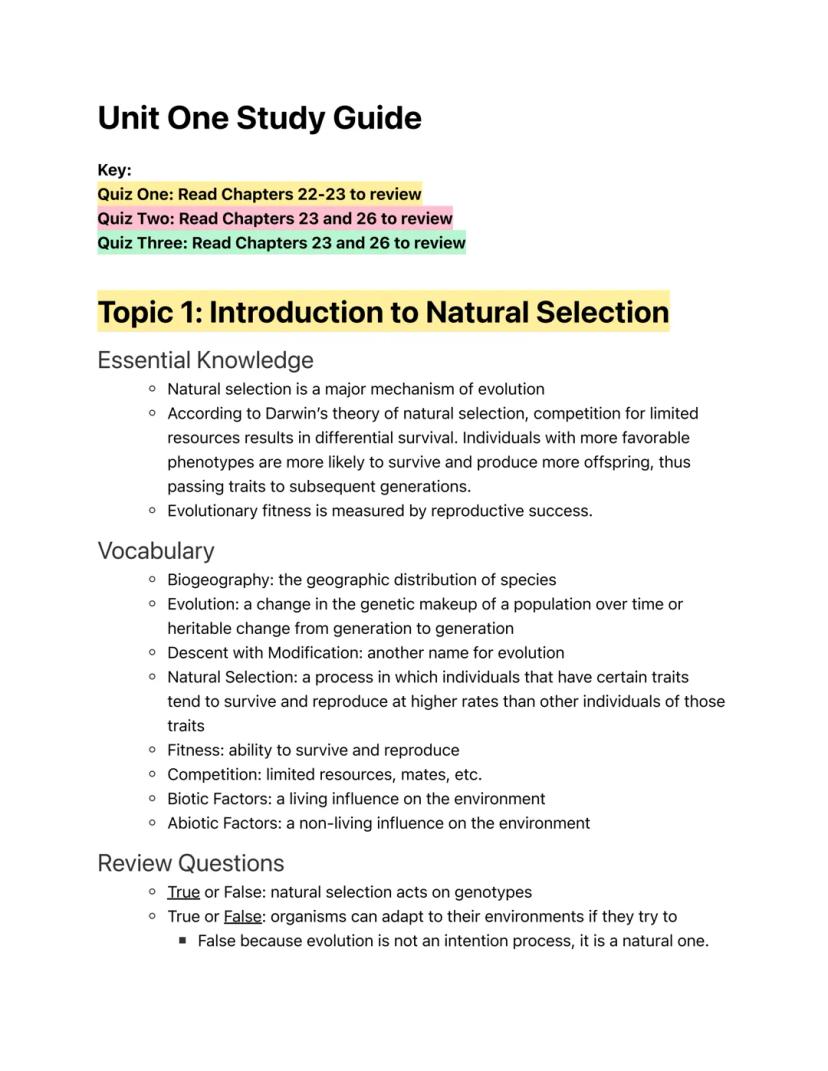
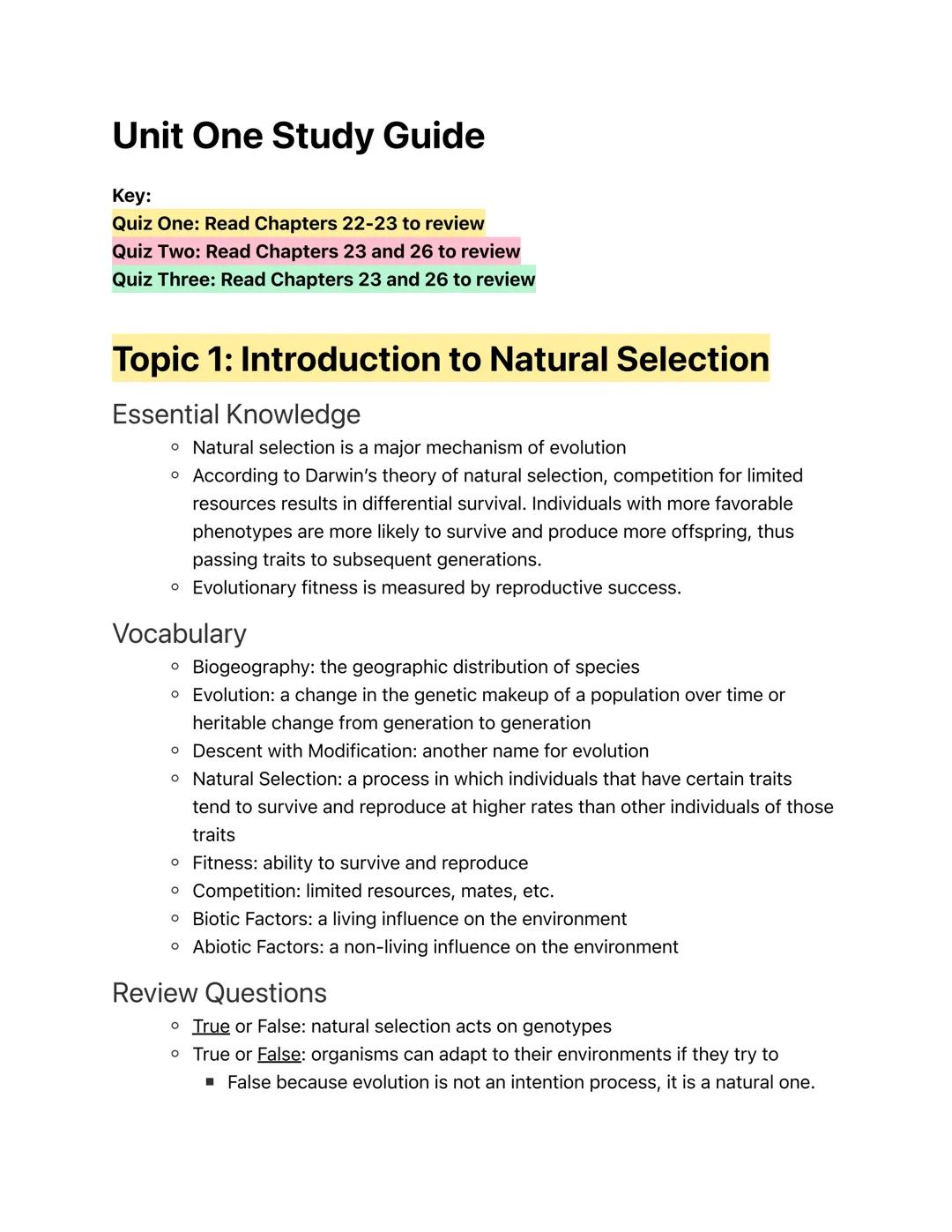
Ever wondered why some animals survive whilst others don't? Natural selection is evolution's main driving force, and it's surprisingly straightforward once you get it.
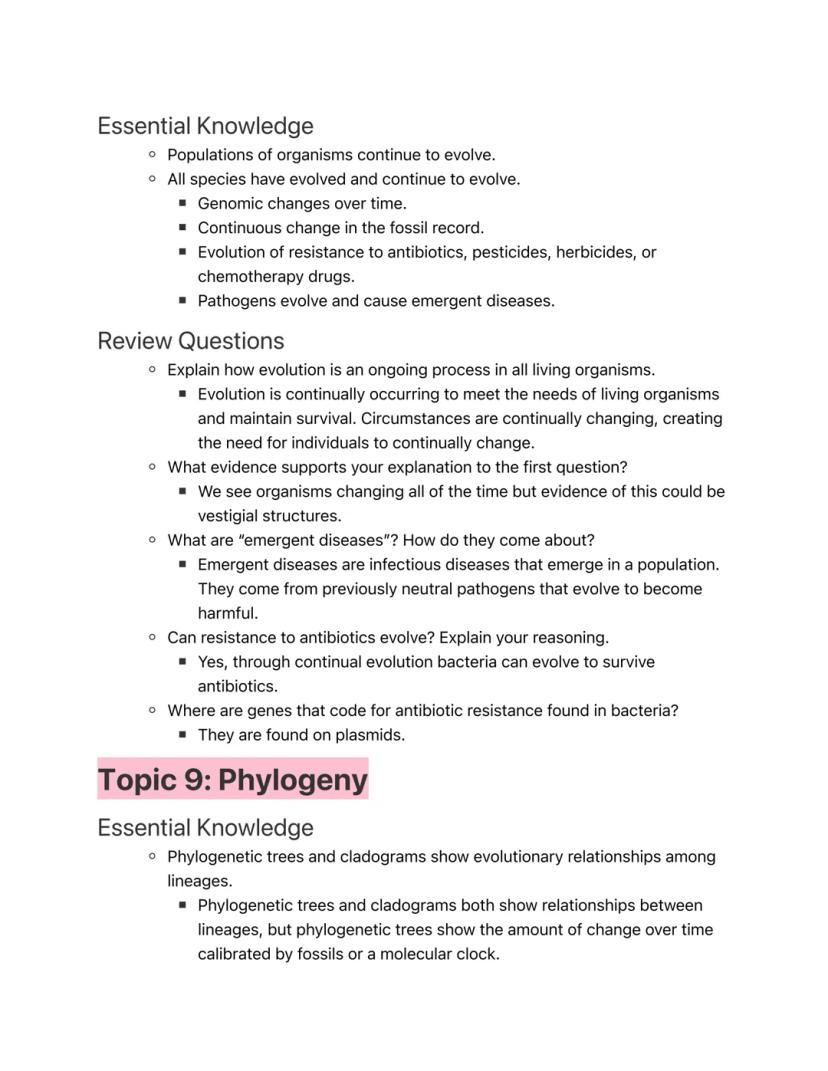
Darwin's theory shows us that when resources are limited, organisms with better traits are more likely to survive and reproduce. Think of it like a never-ending competition where the winners pass on their advantages to their offspring. Evolutionary fitness isn't about being the strongest - it's measured by reproductive success.
Here's what trips up many students: natural selection acts on phenotypes (what you can see), not genotypes (the genetic code). Also, evolution has no intentions - it's not trying to create the "perfect" organism, just responding to environmental pressures.
Key Point: "Survival of the fittest" doesn't mean the strongest survives - fitness changes depending on the environment!
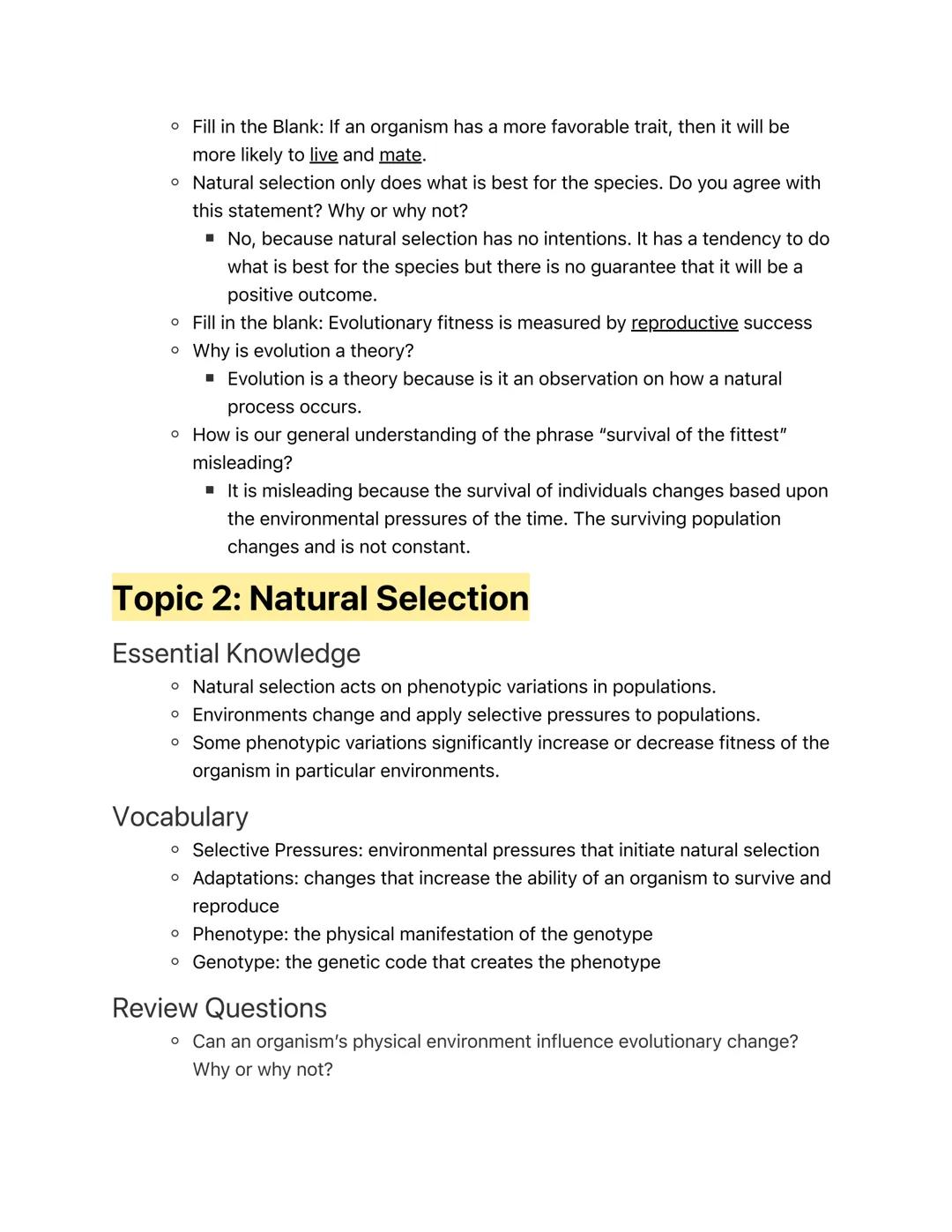
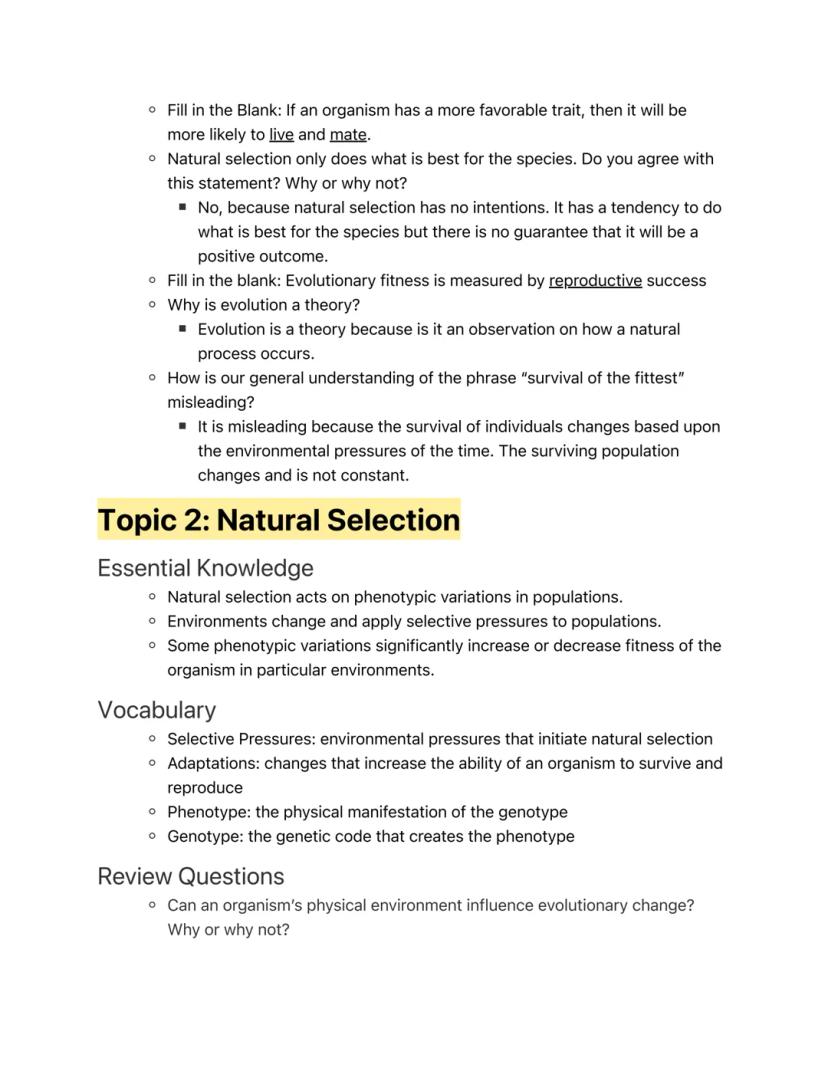
Your environment is constantly putting selective pressures on populations, and this is where evolution gets interesting. These pressures can be anything from climate change to new predators, and they determine which traits become advantageous.
Remember that adaptations are changes that boost an organism's survival chances. What's crucial to understand is that organisms with different genotypes don't always have different phenotypes - thanks to dominant and recessive alleles.
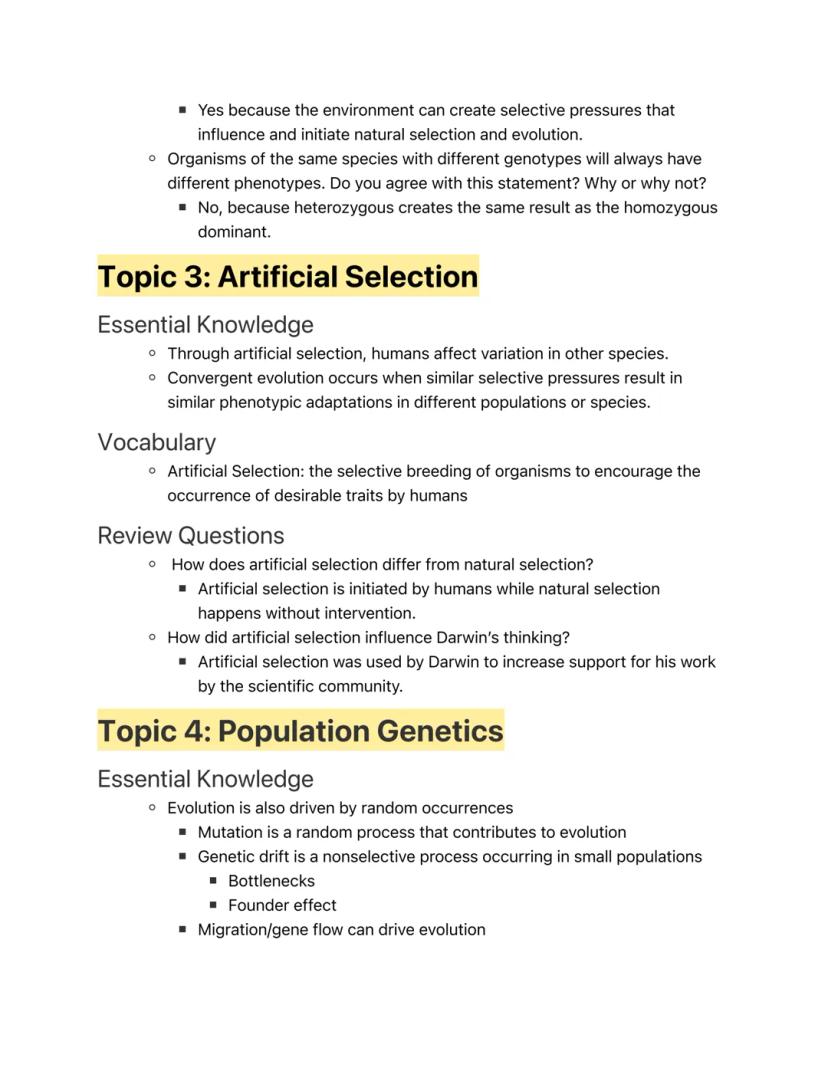
Artificial selection proves evolution works, but with humans in control instead of nature. Darwin actually used examples like dog breeding to support his theory because people could easily see how traits change over generations.
Quick Check: Can you think of an example where artificial selection has created dramatic changes in a species? (Hint: think about the difference between wolves and pugs!)
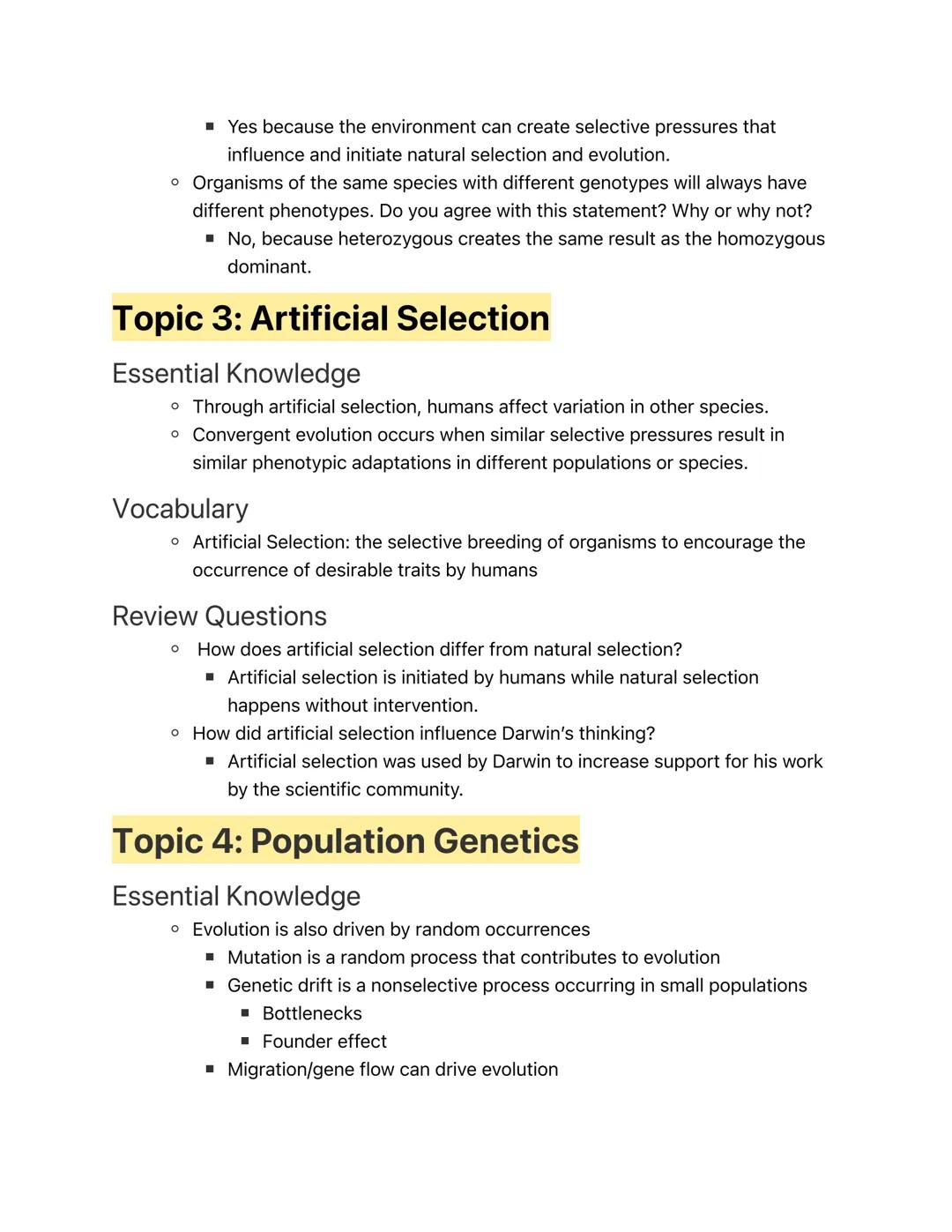
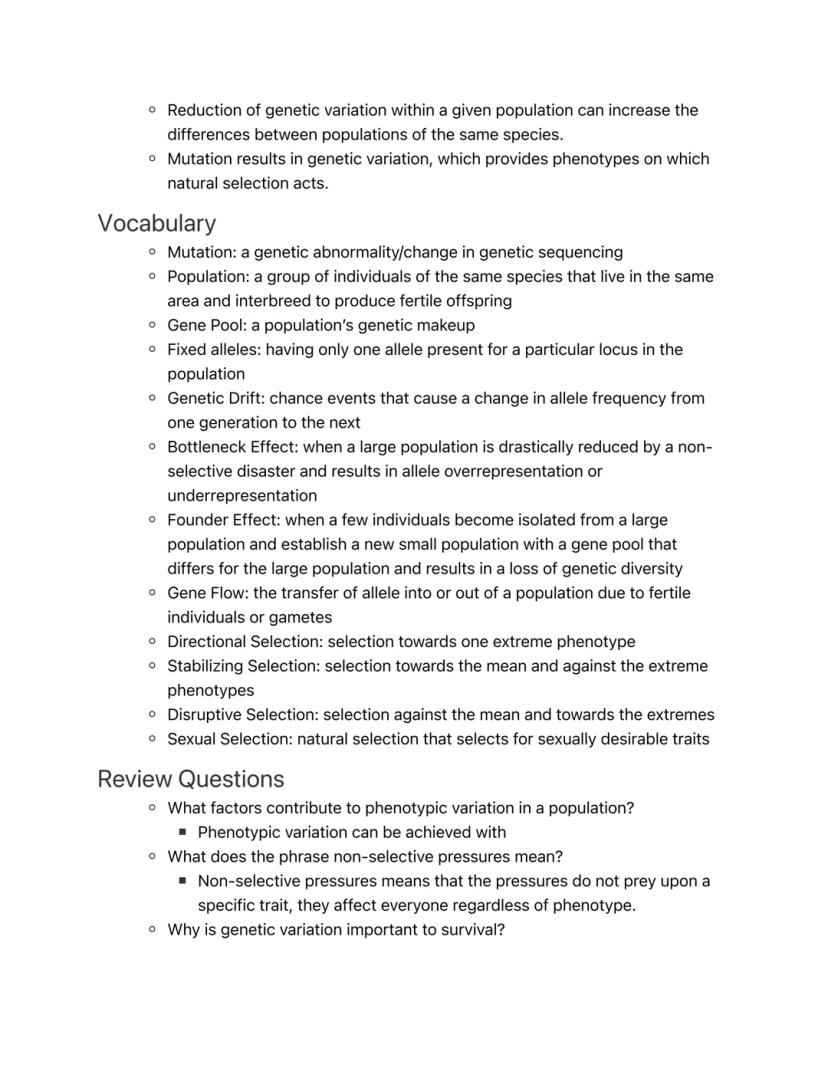
Evolution isn't just about survival of the fittest - random events play a massive role too! Genetic drift occurs in small populations where chance events can dramatically shift allele frequencies.
Two major types of genetic drift you need to know are the bottleneck effect (when disasters drastically reduce population size) and the founder effect (when a few individuals start a new population). Both reduce genetic diversity, which can be dangerous for long-term survival.
Gene flow happens when individuals move between populations, bringing new alleles with them. This migration can introduce beneficial traits or dilute local adaptations.
Don't forget about mutations - they're completely random but provide the raw material for evolution by creating new genetic variations.
Real-world example: Cheetahs went through a severe bottleneck thousands of years ago, which is why they have such low genetic diversity today.
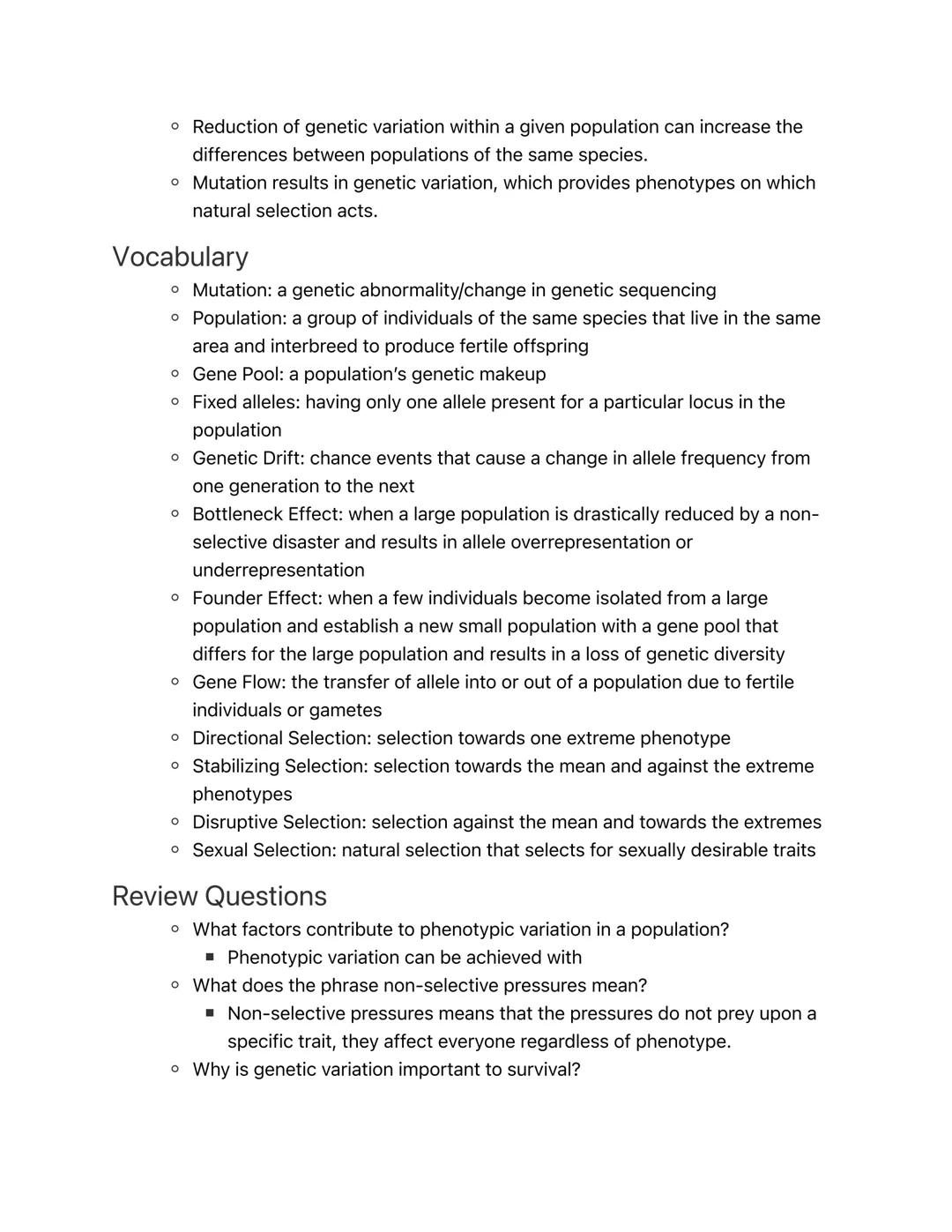
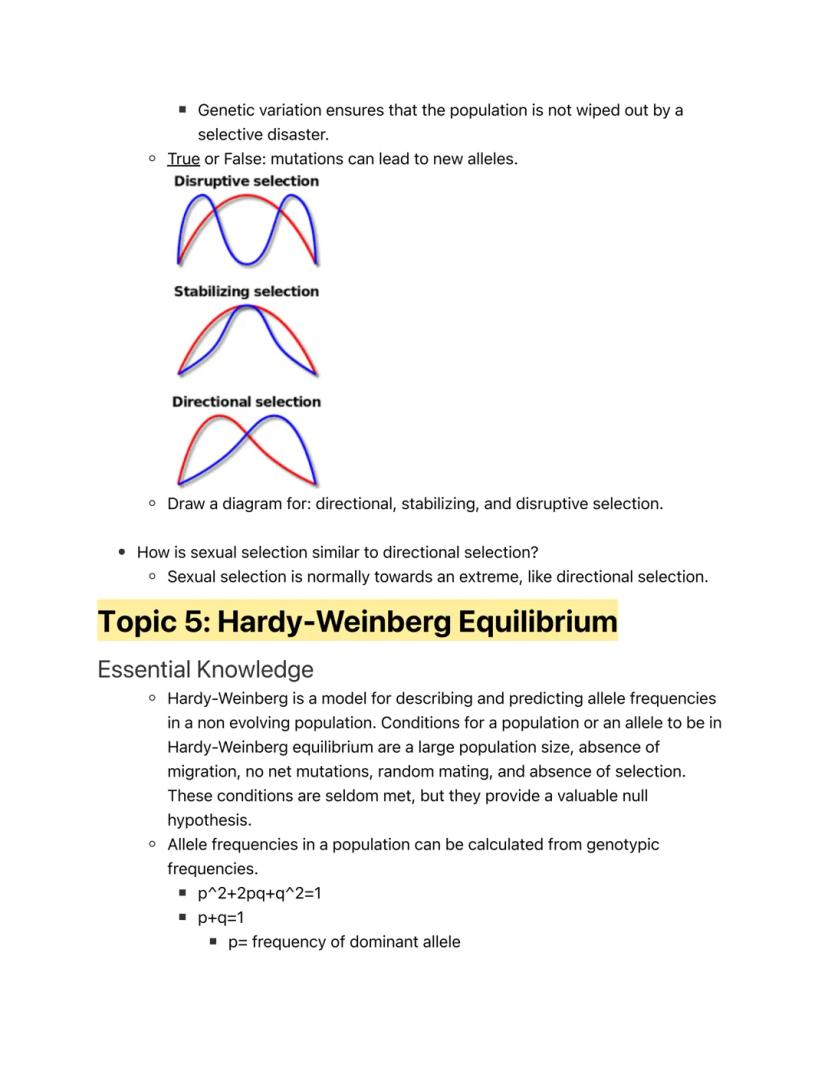
There are three main patterns of natural selection, and recognising them is essential for your exams. Directional selection favours one extreme (like giraffes developing longer necks), whilst stabilising selection favours the average (like human birth weight).
Disruptive selection is the odd one out - it favours both extremes whilst selecting against the middle. This can lead to populations splitting into two distinct groups.
Sexual selection is a special type that focuses on traits that help organisms attract mates, even if these traits might reduce survival chances. Think peacock tails - they're flashy but impractical!
Understanding these patterns helps you predict how populations might change over time. Each type responds to different environmental pressures and produces different evolutionary outcomes.
Exam tip: Draw simple bell curves to visualise each selection type - it'll help you remember the differences!
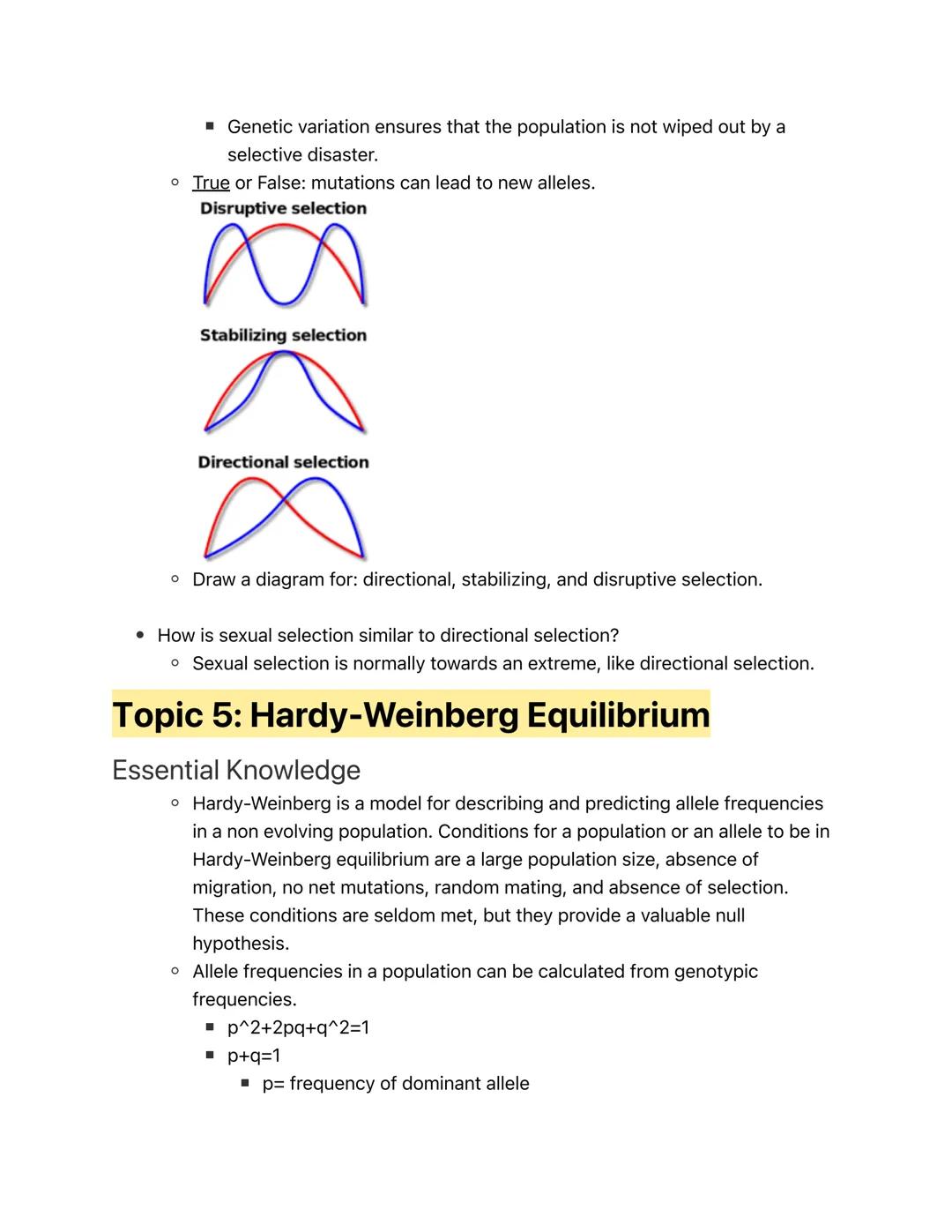
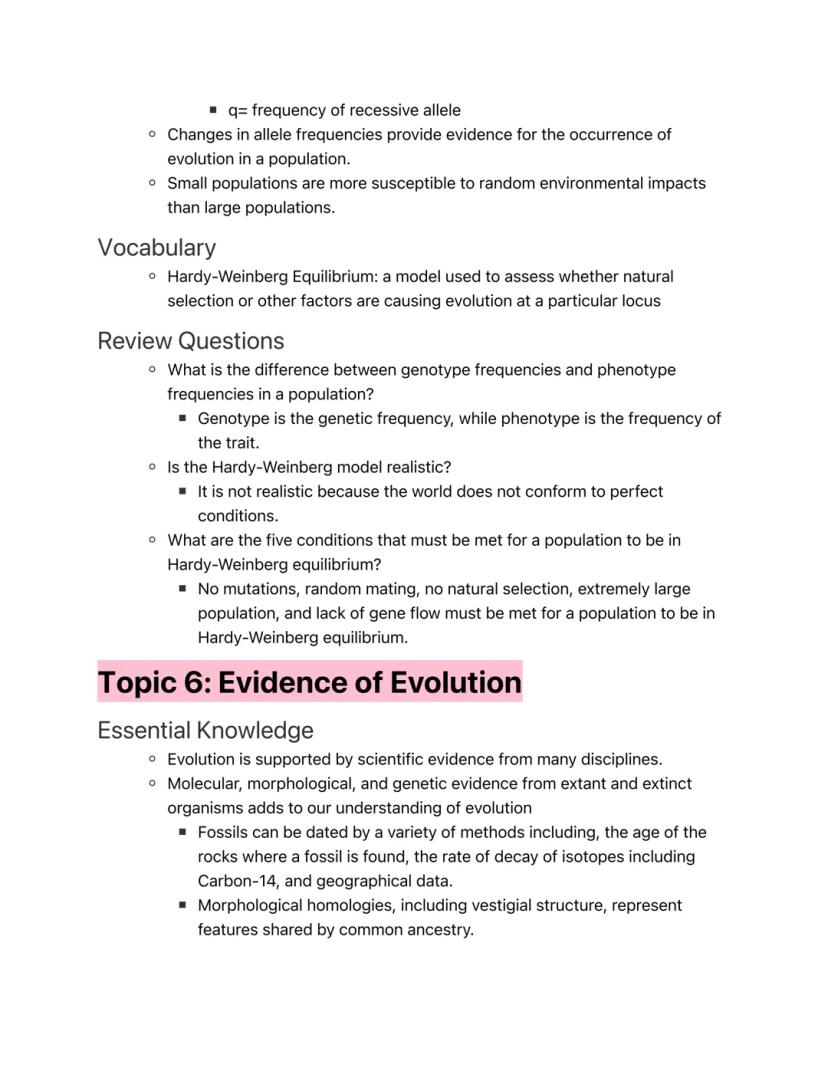
The Hardy-Weinberg model is your tool for detecting evolution in action. It describes what happens to allele frequencies when evolution isn't occurring - which almost never happens in real life!
The magic equations are p² + 2pq + q² = 1 and p + q = 1, where p is the dominant allele frequency and q is the recessive allele frequency. These let you calculate expected genotype frequencies in a non-evolving population.
For Hardy-Weinberg equilibrium to exist, you need five impossible conditions: no mutations, random mating, no natural selection, extremely large population size, and no gene flow. Since these conditions are never met, the model serves as a null hypothesis.
When real populations deviate from Hardy-Weinberg predictions, you know evolution is happening. The bigger the deviation, the stronger the evolutionary forces at work.
Study hack: Remember the five conditions by thinking about what disrupts them - it's easier than memorising the ideal conditions!
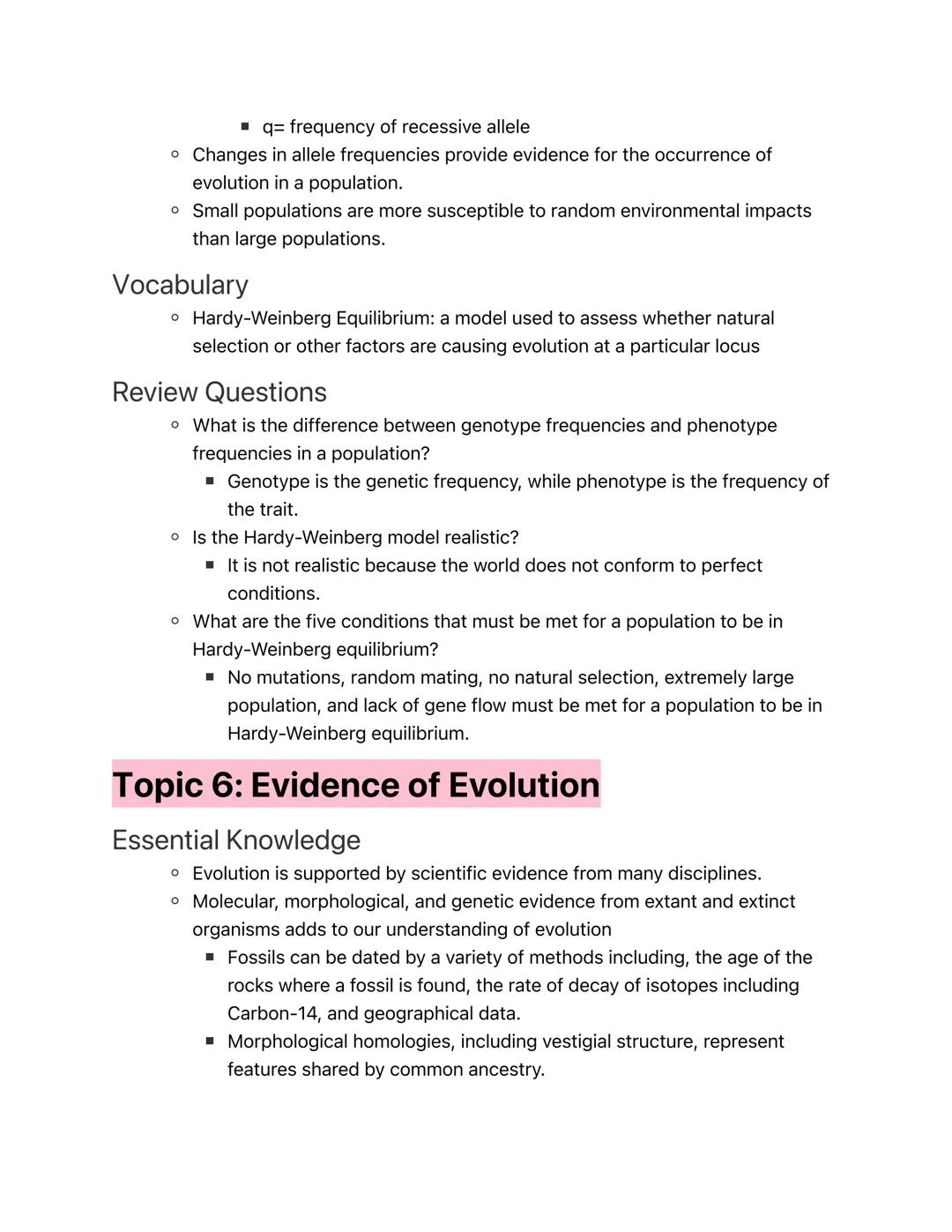
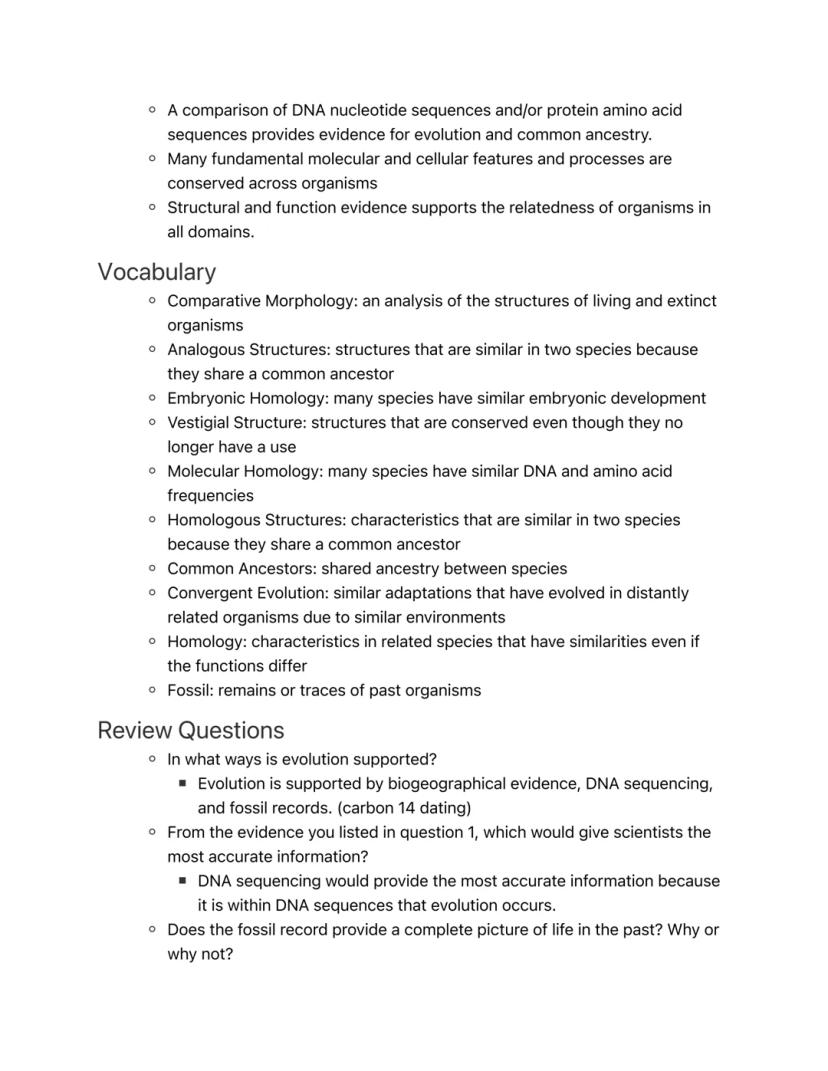
Evolution has overwhelming support from multiple scientific fields, making it one of the most well-supported theories in science. Fossil records provide direct evidence of change over time, with dating methods like Carbon-14 giving us precise timelines.
Comparative morphology reveals relationships through homologous structures (similar due to common ancestry) and analogous structures (similar due to convergent evolution). Vestigial structures are particularly compelling - they're leftover features that no longer serve their original purpose.
Molecular evidence is incredibly powerful because DNA and protein sequences show evolutionary relationships with remarkable precision. The more similar the sequences, the more closely related the species.
Embryonic development also provides evidence - many species look surprisingly similar in their early stages, suggesting common ancestry.
Think about it: Your arm, a bat's wing, and a whale's flipper all have the same basic bone structure - that's homology in action!
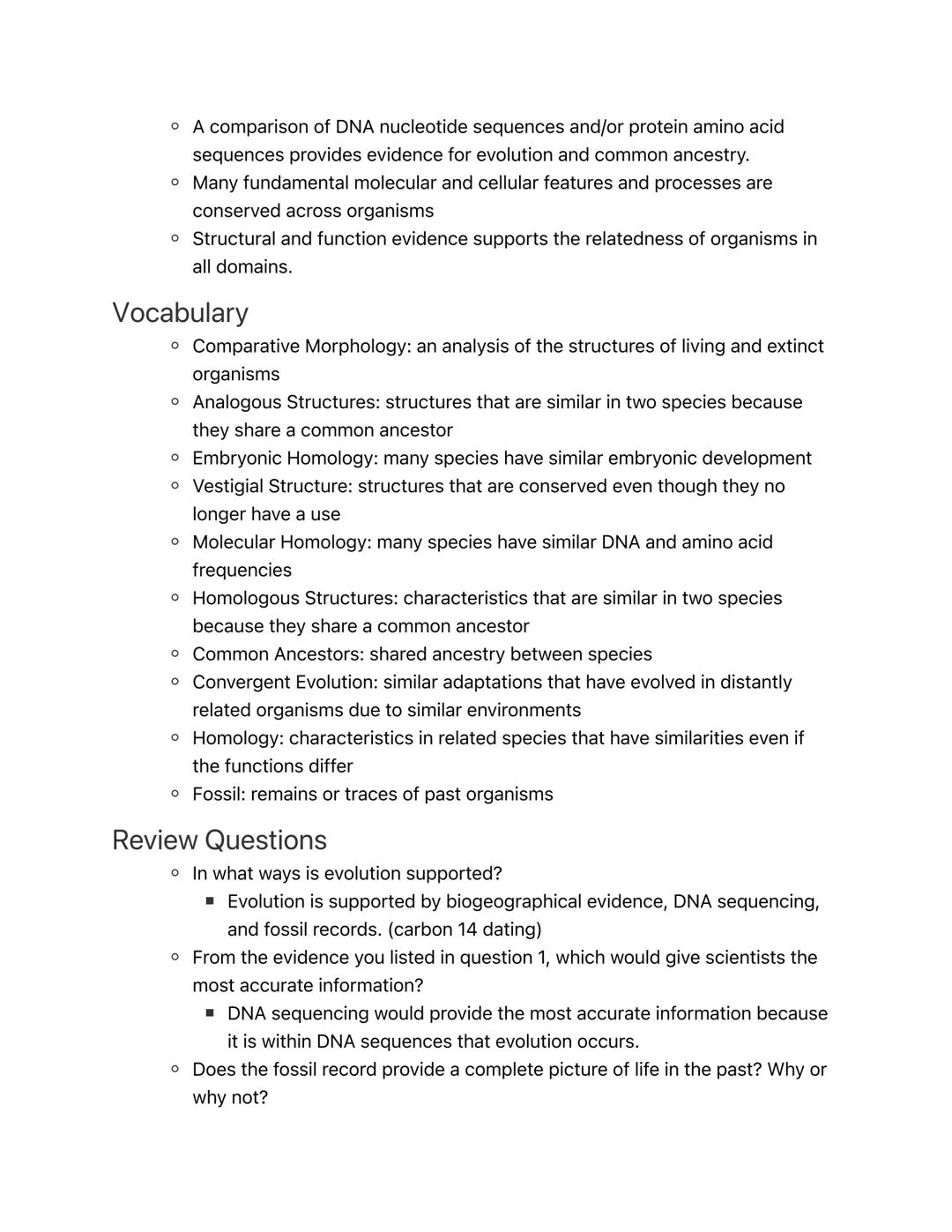
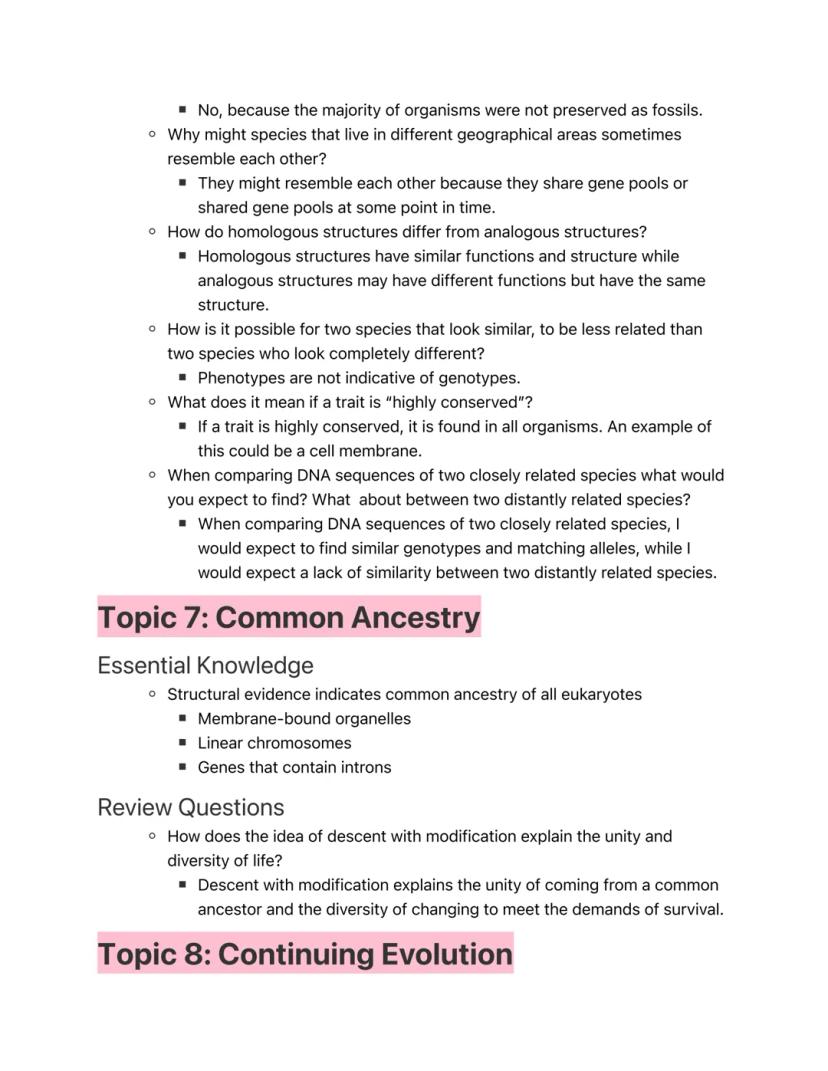
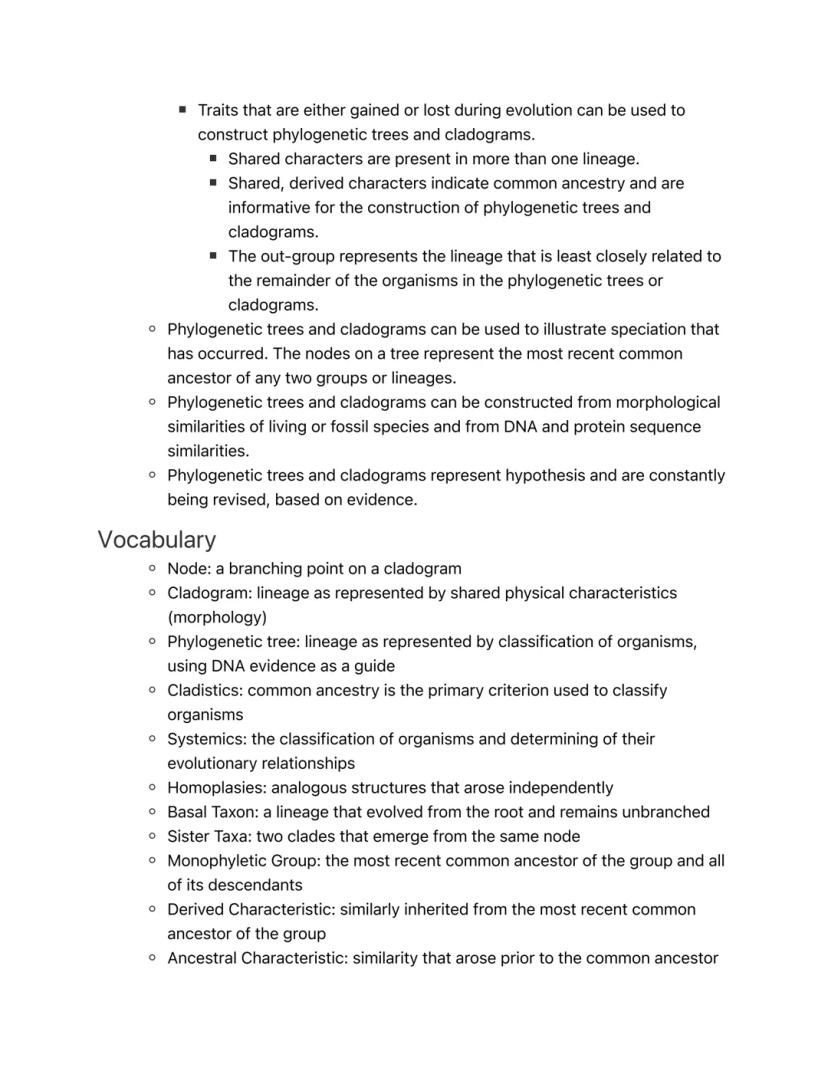
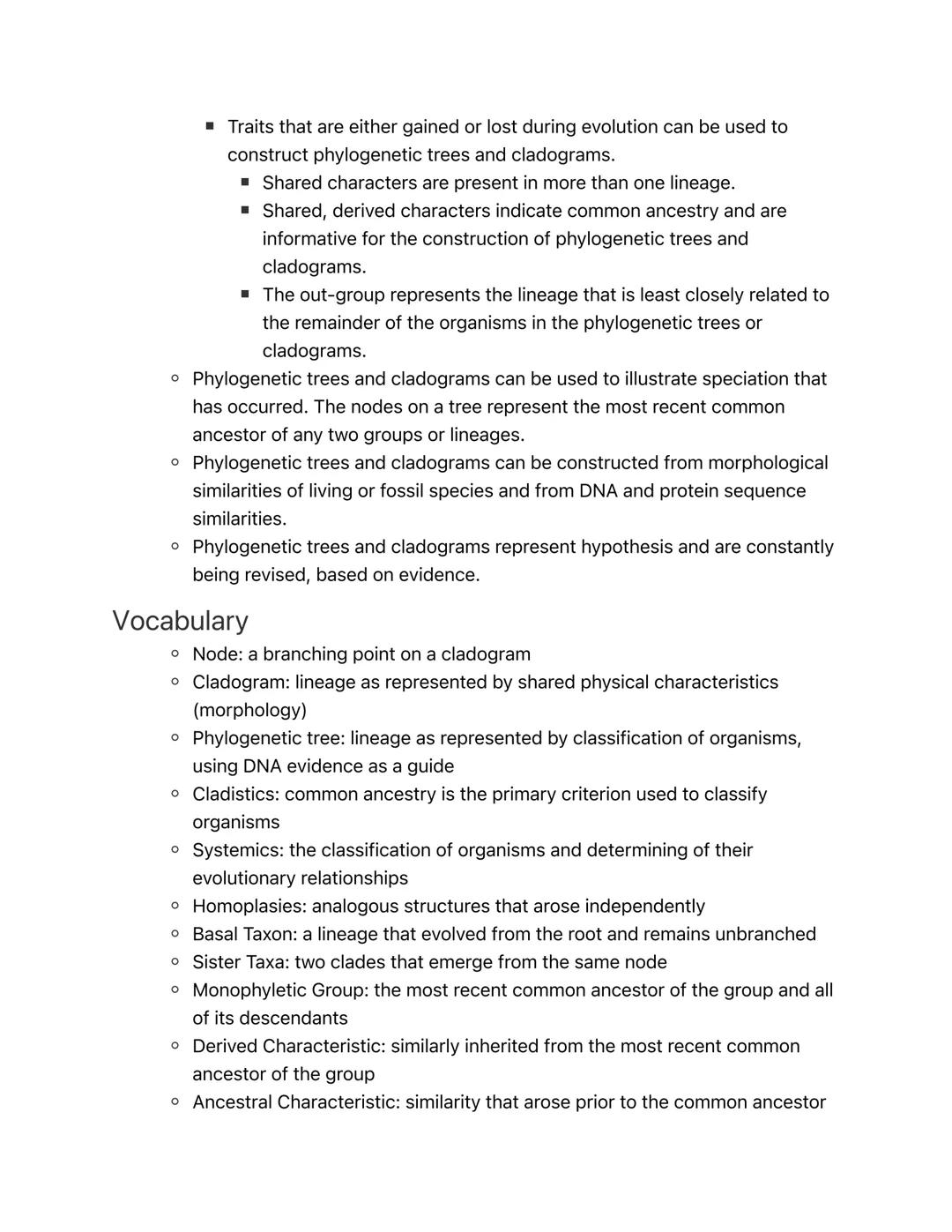
All life shares common ancestors, and we can trace these relationships using phylogenetic trees and cladograms. These diagrams show how species are related, with nodes representing common ancestors.
The key difference is that phylogenetic trees show the amount of evolutionary change over time, whilst cladograms focus on the branching pattern of relationships. Both use shared derived characteristics to determine relationships.
Understanding tree structure is crucial: sister taxa emerge from the same node, whilst the outgroup represents the least related lineage. Monophyletic groups include an ancestor and all its descendants.
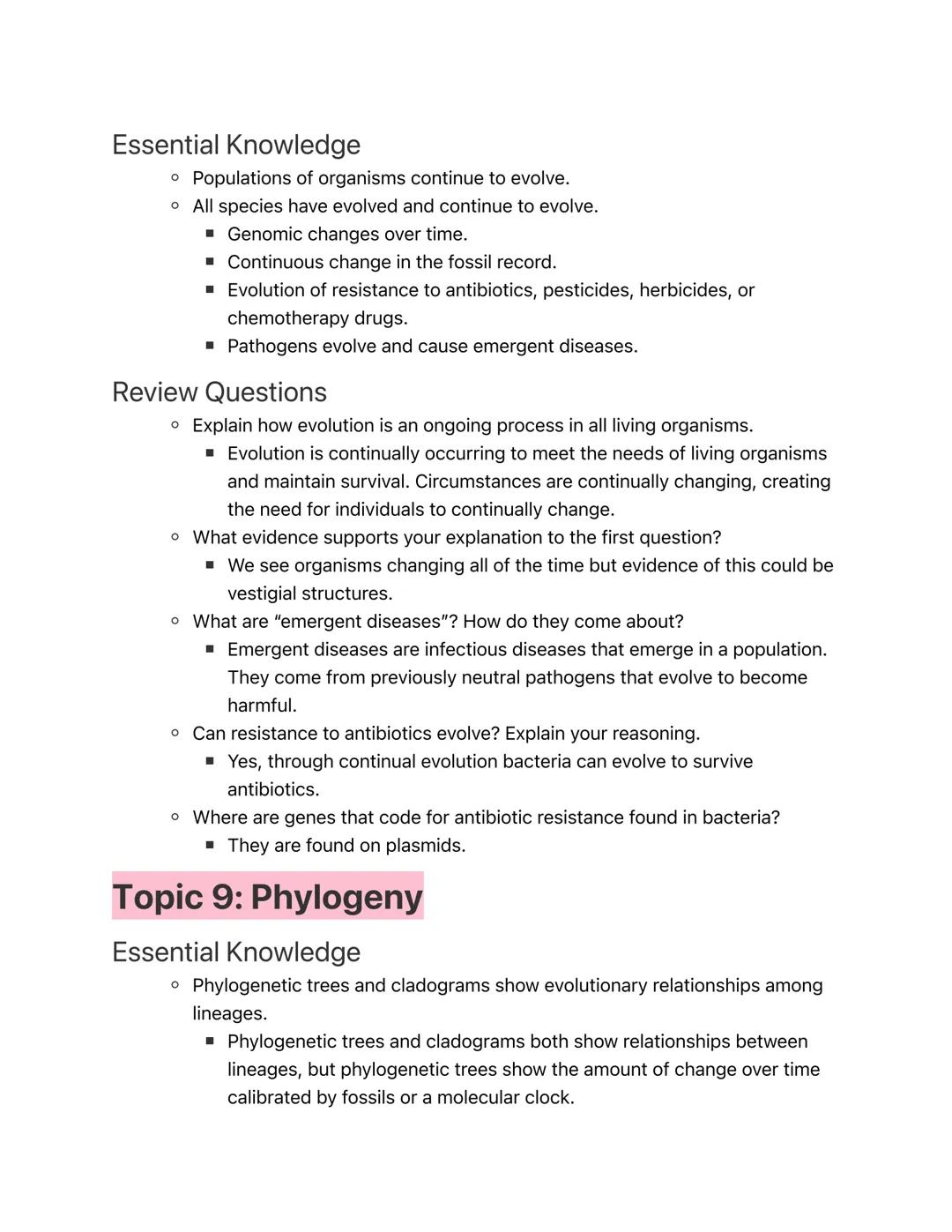
These trees are constantly being revised as new evidence emerges, particularly from DNA sequencing. What seemed like close relatives based on appearance might actually be distant cousins!
Key insight: Physical similarity doesn't always indicate close evolutionary relationships - molecular evidence often reveals surprising connections!
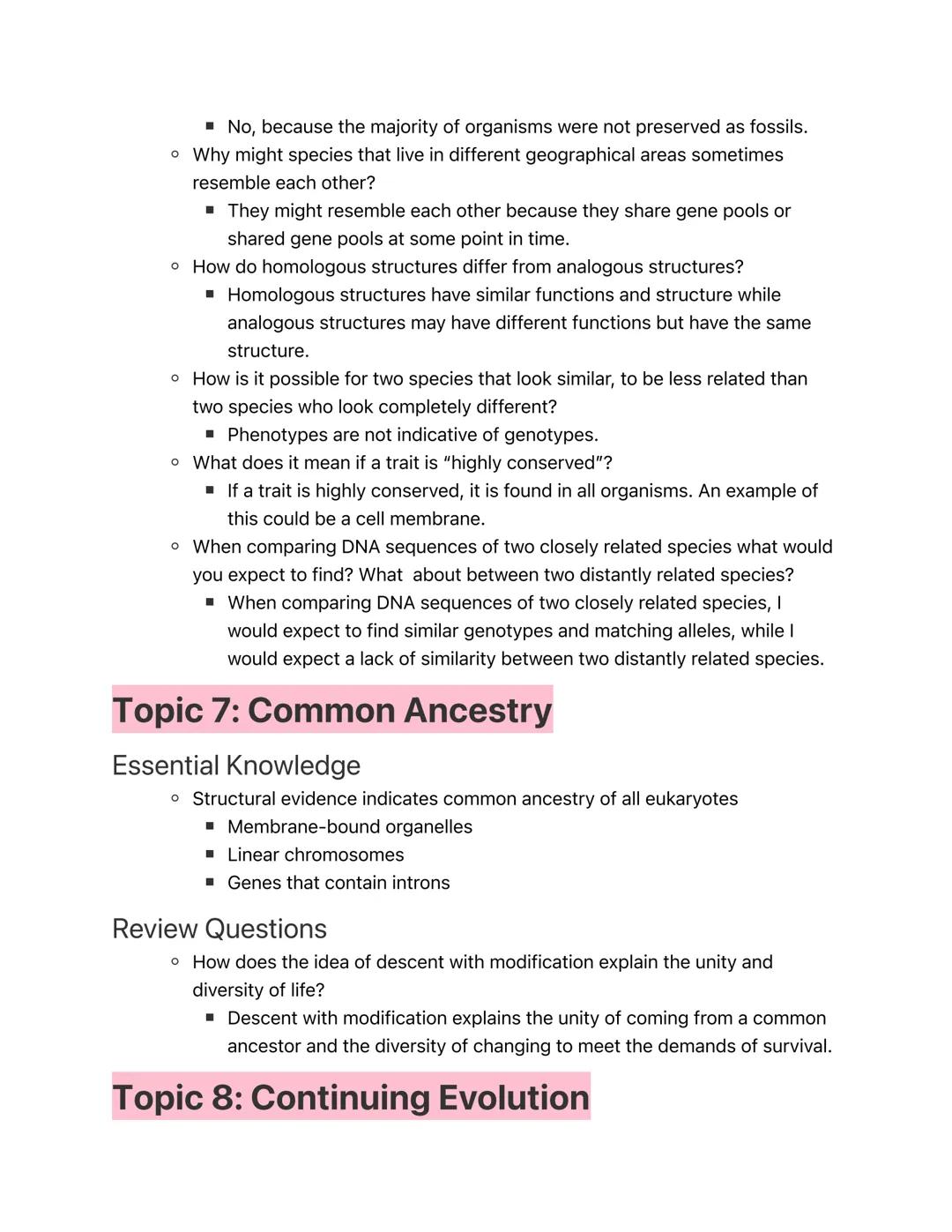
Evolution is happening right now, all around you. Antibiotic resistance in bacteria is perhaps the most dramatic example - these organisms evolve so quickly that new treatments become ineffective within years.
Emergent diseases arise when pathogens evolve new ways to infect hosts or become more virulent. This ongoing evolution explains why we need new flu vaccines each year and why COVID-19 variants keep appearing.
The fossil record shows continuous change throughout Earth's history, with no periods where evolution simply stopped. Genomic studies reveal that all species are constantly accumulating genetic changes.
Even humans continue to evolve, though it's harder to see because of our long generation times. Some populations have evolved lactose tolerance, high-altitude adaptations, and resistance to certain diseases within just a few thousand years.
Current example: Think about how quickly SARS-CoV-2 has evolved new variants - that's evolution in real-time!
Our AI Companion is a student-focused AI tool that offers more than just answers. Built on millions of Knowunity resources, it provides relevant information, personalised study plans, quizzes, and content directly in the chat, adapting to your individual learning journey.
You can download the app from Google Play Store and Apple App Store.
That's right! Enjoy free access to study content, connect with fellow students, and get instant help – all at your fingertips.
App Store
Google Play
The app is very easy to use and well designed. I have found everything I was looking for so far and have been able to learn a lot from the presentations! I will definitely use the app for a class assignment! And of course it also helps a lot as an inspiration.
Stefan S
iOS user
This app is really great. There are so many study notes and help [...]. My problem subject is French, for example, and the app has so many options for help. Thanks to this app, I have improved my French. I would recommend it to anyone.
Samantha Klich
Android user
Wow, I am really amazed. I just tried the app because I've seen it advertised many times and was absolutely stunned. This app is THE HELP you want for school and above all, it offers so many things, such as workouts and fact sheets, which have been VERY helpful to me personally.
Anna
iOS user
Best app on earth! no words because it’s too good
Thomas R
iOS user
Just amazing. Let's me revise 10x better, this app is a quick 10/10. I highly recommend it to anyone. I can watch and search for notes. I can save them in the subject folder. I can revise it any time when I come back. If you haven't tried this app, you're really missing out.
Basil
Android user
This app has made me feel so much more confident in my exam prep, not only through boosting my own self confidence through the features that allow you to connect with others and feel less alone, but also through the way the app itself is centred around making you feel better. It is easy to navigate, fun to use, and helpful to anyone struggling in absolutely any way.
David K
iOS user
The app's just great! All I have to do is enter the topic in the search bar and I get the response real fast. I don't have to watch 10 YouTube videos to understand something, so I'm saving my time. Highly recommended!
Sudenaz Ocak
Android user
In school I was really bad at maths but thanks to the app, I am doing better now. I am so grateful that you made the app.
Greenlight Bonnie
Android user
very reliable app to help and grow your ideas of Maths, English and other related topics in your works. please use this app if your struggling in areas, this app is key for that. wish I'd of done a review before. and it's also free so don't worry about that.
Rohan U
Android user
I know a lot of apps use fake accounts to boost their reviews but this app deserves it all. Originally I was getting 4 in my English exams and this time I got a grade 7. I didn’t even know about this app three days until the exam and it has helped A LOT. Please actually trust me and use it as I’m sure you too will see developments.
Xander S
iOS user
THE QUIZES AND FLASHCARDS ARE SO USEFUL AND I LOVE Knowunity AI. IT ALSO IS LITREALLY LIKE CHATGPT BUT SMARTER!! HELPED ME WITH MY MASCARA PROBLEMS TOO!! AS WELL AS MY REAL SUBJECTS ! DUHHH 😍😁😲🤑💗✨🎀😮
Elisha
iOS user
This apps acc the goat. I find revision so boring but this app makes it so easy to organize it all and then you can ask the freeeee ai to test yourself so good and you can easily upload your own stuff. highly recommend as someone taking mocks now
Paul T
iOS user
The app is very easy to use and well designed. I have found everything I was looking for so far and have been able to learn a lot from the presentations! I will definitely use the app for a class assignment! And of course it also helps a lot as an inspiration.
Stefan S
iOS user
This app is really great. There are so many study notes and help [...]. My problem subject is French, for example, and the app has so many options for help. Thanks to this app, I have improved my French. I would recommend it to anyone.
Samantha Klich
Android user
Wow, I am really amazed. I just tried the app because I've seen it advertised many times and was absolutely stunned. This app is THE HELP you want for school and above all, it offers so many things, such as workouts and fact sheets, which have been VERY helpful to me personally.
Anna
iOS user
Best app on earth! no words because it’s too good
Thomas R
iOS user
Just amazing. Let's me revise 10x better, this app is a quick 10/10. I highly recommend it to anyone. I can watch and search for notes. I can save them in the subject folder. I can revise it any time when I come back. If you haven't tried this app, you're really missing out.
Basil
Android user
This app has made me feel so much more confident in my exam prep, not only through boosting my own self confidence through the features that allow you to connect with others and feel less alone, but also through the way the app itself is centred around making you feel better. It is easy to navigate, fun to use, and helpful to anyone struggling in absolutely any way.
David K
iOS user
The app's just great! All I have to do is enter the topic in the search bar and I get the response real fast. I don't have to watch 10 YouTube videos to understand something, so I'm saving my time. Highly recommended!
Sudenaz Ocak
Android user
In school I was really bad at maths but thanks to the app, I am doing better now. I am so grateful that you made the app.
Greenlight Bonnie
Android user
very reliable app to help and grow your ideas of Maths, English and other related topics in your works. please use this app if your struggling in areas, this app is key for that. wish I'd of done a review before. and it's also free so don't worry about that.
Rohan U
Android user
I know a lot of apps use fake accounts to boost their reviews but this app deserves it all. Originally I was getting 4 in my English exams and this time I got a grade 7. I didn’t even know about this app three days until the exam and it has helped A LOT. Please actually trust me and use it as I’m sure you too will see developments.
Xander S
iOS user
THE QUIZES AND FLASHCARDS ARE SO USEFUL AND I LOVE Knowunity AI. IT ALSO IS LITREALLY LIKE CHATGPT BUT SMARTER!! HELPED ME WITH MY MASCARA PROBLEMS TOO!! AS WELL AS MY REAL SUBJECTS ! DUHHH 😍😁😲🤑💗✨🎀😮
Elisha
iOS user
This apps acc the goat. I find revision so boring but this app makes it so easy to organize it all and then you can ask the freeeee ai to test yourself so good and you can easily upload your own stuff. highly recommend as someone taking mocks now
Paul T
iOS user
Emma Grow
@emmagrow_rtao
Evolution isn't just something that happened millions of years ago - it's happening right now, all around you! From antibiotic-resistant bacteria to the way Darwin's finches adapted to different environments, evolution shapes every living thing through natural selection, genetic drift,... Show more
Access to all documents
Improve your grades
Join milions of students
Ever wondered why some animals survive whilst others don't? Natural selection is evolution's main driving force, and it's surprisingly straightforward once you get it.
Darwin's theory shows us that when resources are limited, organisms with better traits are more likely to survive and reproduce. Think of it like a never-ending competition where the winners pass on their advantages to their offspring. Evolutionary fitness isn't about being the strongest - it's measured by reproductive success.
Here's what trips up many students: natural selection acts on phenotypes (what you can see), not genotypes (the genetic code). Also, evolution has no intentions - it's not trying to create the "perfect" organism, just responding to environmental pressures.
Key Point: "Survival of the fittest" doesn't mean the strongest survives - fitness changes depending on the environment!
Access to all documents
Improve your grades
Join milions of students
Your environment is constantly putting selective pressures on populations, and this is where evolution gets interesting. These pressures can be anything from climate change to new predators, and they determine which traits become advantageous.
Remember that adaptations are changes that boost an organism's survival chances. What's crucial to understand is that organisms with different genotypes don't always have different phenotypes - thanks to dominant and recessive alleles.
Artificial selection proves evolution works, but with humans in control instead of nature. Darwin actually used examples like dog breeding to support his theory because people could easily see how traits change over generations.
Quick Check: Can you think of an example where artificial selection has created dramatic changes in a species? (Hint: think about the difference between wolves and pugs!)
Access to all documents
Improve your grades
Join milions of students
Evolution isn't just about survival of the fittest - random events play a massive role too! Genetic drift occurs in small populations where chance events can dramatically shift allele frequencies.
Two major types of genetic drift you need to know are the bottleneck effect (when disasters drastically reduce population size) and the founder effect (when a few individuals start a new population). Both reduce genetic diversity, which can be dangerous for long-term survival.
Gene flow happens when individuals move between populations, bringing new alleles with them. This migration can introduce beneficial traits or dilute local adaptations.
Don't forget about mutations - they're completely random but provide the raw material for evolution by creating new genetic variations.
Real-world example: Cheetahs went through a severe bottleneck thousands of years ago, which is why they have such low genetic diversity today.
Access to all documents
Improve your grades
Join milions of students
There are three main patterns of natural selection, and recognising them is essential for your exams. Directional selection favours one extreme (like giraffes developing longer necks), whilst stabilising selection favours the average (like human birth weight).
Disruptive selection is the odd one out - it favours both extremes whilst selecting against the middle. This can lead to populations splitting into two distinct groups.
Sexual selection is a special type that focuses on traits that help organisms attract mates, even if these traits might reduce survival chances. Think peacock tails - they're flashy but impractical!
Understanding these patterns helps you predict how populations might change over time. Each type responds to different environmental pressures and produces different evolutionary outcomes.
Exam tip: Draw simple bell curves to visualise each selection type - it'll help you remember the differences!
Access to all documents
Improve your grades
Join milions of students
The Hardy-Weinberg model is your tool for detecting evolution in action. It describes what happens to allele frequencies when evolution isn't occurring - which almost never happens in real life!
The magic equations are p² + 2pq + q² = 1 and p + q = 1, where p is the dominant allele frequency and q is the recessive allele frequency. These let you calculate expected genotype frequencies in a non-evolving population.
For Hardy-Weinberg equilibrium to exist, you need five impossible conditions: no mutations, random mating, no natural selection, extremely large population size, and no gene flow. Since these conditions are never met, the model serves as a null hypothesis.
When real populations deviate from Hardy-Weinberg predictions, you know evolution is happening. The bigger the deviation, the stronger the evolutionary forces at work.
Study hack: Remember the five conditions by thinking about what disrupts them - it's easier than memorising the ideal conditions!
Access to all documents
Improve your grades
Join milions of students
Evolution has overwhelming support from multiple scientific fields, making it one of the most well-supported theories in science. Fossil records provide direct evidence of change over time, with dating methods like Carbon-14 giving us precise timelines.
Comparative morphology reveals relationships through homologous structures (similar due to common ancestry) and analogous structures (similar due to convergent evolution). Vestigial structures are particularly compelling - they're leftover features that no longer serve their original purpose.
Molecular evidence is incredibly powerful because DNA and protein sequences show evolutionary relationships with remarkable precision. The more similar the sequences, the more closely related the species.
Embryonic development also provides evidence - many species look surprisingly similar in their early stages, suggesting common ancestry.
Think about it: Your arm, a bat's wing, and a whale's flipper all have the same basic bone structure - that's homology in action!
Access to all documents
Improve your grades
Join milions of students
All life shares common ancestors, and we can trace these relationships using phylogenetic trees and cladograms. These diagrams show how species are related, with nodes representing common ancestors.
The key difference is that phylogenetic trees show the amount of evolutionary change over time, whilst cladograms focus on the branching pattern of relationships. Both use shared derived characteristics to determine relationships.
Understanding tree structure is crucial: sister taxa emerge from the same node, whilst the outgroup represents the least related lineage. Monophyletic groups include an ancestor and all its descendants.
These trees are constantly being revised as new evidence emerges, particularly from DNA sequencing. What seemed like close relatives based on appearance might actually be distant cousins!
Key insight: Physical similarity doesn't always indicate close evolutionary relationships - molecular evidence often reveals surprising connections!
Access to all documents
Improve your grades
Join milions of students
Evolution is happening right now, all around you. Antibiotic resistance in bacteria is perhaps the most dramatic example - these organisms evolve so quickly that new treatments become ineffective within years.
Emergent diseases arise when pathogens evolve new ways to infect hosts or become more virulent. This ongoing evolution explains why we need new flu vaccines each year and why COVID-19 variants keep appearing.
The fossil record shows continuous change throughout Earth's history, with no periods where evolution simply stopped. Genomic studies reveal that all species are constantly accumulating genetic changes.
Even humans continue to evolve, though it's harder to see because of our long generation times. Some populations have evolved lactose tolerance, high-altitude adaptations, and resistance to certain diseases within just a few thousand years.
Current example: Think about how quickly SARS-CoV-2 has evolved new variants - that's evolution in real-time!
Access to all documents
Improve your grades
Join milions of students
Access to all documents
Improve your grades
Join milions of students
Our AI Companion is a student-focused AI tool that offers more than just answers. Built on millions of Knowunity resources, it provides relevant information, personalised study plans, quizzes, and content directly in the chat, adapting to your individual learning journey.
You can download the app from Google Play Store and Apple App Store.
That's right! Enjoy free access to study content, connect with fellow students, and get instant help – all at your fingertips.
15
Smart Tools NEW
Transform this note into: ✓ 50+ Practice Questions ✓ Interactive Flashcards ✓ Full Mock Exam ✓ Essay Outlines
Explore essential concepts in biodiversity, classification, and evolution for A-Level Biology (OCR). This summary covers key topics such as natural selection, conservation methods, and the importance of genetic diversity. Ideal for exam preparation and understanding ecological balance.
 Biology
Explore the key concepts of ecosystems, biological classification, and conservation biology in this comprehensive mind map. Ideal for WJEC A Level Biology students, this resource highlights the importance of biodiversity and its role in ecological balance.
BiologyExplore key concepts in cell biology and genetics, including the cell cycle phases, checkpoints, and mechanisms of inheritance. This summary covers interphase, mitosis, meiosis, and the implications of genetic variation, providing essential insights for advanced biology students. Ideal for exam preparation and understanding complex biological processes.
BiologyApp Store
Google Play
The app is very easy to use and well designed. I have found everything I was looking for so far and have been able to learn a lot from the presentations! I will definitely use the app for a class assignment! And of course it also helps a lot as an inspiration.
Stefan S
iOS user
This app is really great. There are so many study notes and help [...]. My problem subject is French, for example, and the app has so many options for help. Thanks to this app, I have improved my French. I would recommend it to anyone.
Samantha Klich
Android user
Wow, I am really amazed. I just tried the app because I've seen it advertised many times and was absolutely stunned. This app is THE HELP you want for school and above all, it offers so many things, such as workouts and fact sheets, which have been VERY helpful to me personally.
Anna
iOS user
Best app on earth! no words because it’s too good
Thomas R
iOS user
Just amazing. Let's me revise 10x better, this app is a quick 10/10. I highly recommend it to anyone. I can watch and search for notes. I can save them in the subject folder. I can revise it any time when I come back. If you haven't tried this app, you're really missing out.
Basil
Android user
This app has made me feel so much more confident in my exam prep, not only through boosting my own self confidence through the features that allow you to connect with others and feel less alone, but also through the way the app itself is centred around making you feel better. It is easy to navigate, fun to use, and helpful to anyone struggling in absolutely any way.
David K
iOS user
The app's just great! All I have to do is enter the topic in the search bar and I get the response real fast. I don't have to watch 10 YouTube videos to understand something, so I'm saving my time. Highly recommended!
Sudenaz Ocak
Android user
In school I was really bad at maths but thanks to the app, I am doing better now. I am so grateful that you made the app.
Greenlight Bonnie
Android user
very reliable app to help and grow your ideas of Maths, English and other related topics in your works. please use this app if your struggling in areas, this app is key for that. wish I'd of done a review before. and it's also free so don't worry about that.
Rohan U
Android user
I know a lot of apps use fake accounts to boost their reviews but this app deserves it all. Originally I was getting 4 in my English exams and this time I got a grade 7. I didn’t even know about this app three days until the exam and it has helped A LOT. Please actually trust me and use it as I’m sure you too will see developments.
Xander S
iOS user
THE QUIZES AND FLASHCARDS ARE SO USEFUL AND I LOVE Knowunity AI. IT ALSO IS LITREALLY LIKE CHATGPT BUT SMARTER!! HELPED ME WITH MY MASCARA PROBLEMS TOO!! AS WELL AS MY REAL SUBJECTS ! DUHHH 😍😁😲🤑💗✨🎀😮
Elisha
iOS user
This apps acc the goat. I find revision so boring but this app makes it so easy to organize it all and then you can ask the freeeee ai to test yourself so good and you can easily upload your own stuff. highly recommend as someone taking mocks now
Paul T
iOS user
The app is very easy to use and well designed. I have found everything I was looking for so far and have been able to learn a lot from the presentations! I will definitely use the app for a class assignment! And of course it also helps a lot as an inspiration.
Stefan S
iOS user
This app is really great. There are so many study notes and help [...]. My problem subject is French, for example, and the app has so many options for help. Thanks to this app, I have improved my French. I would recommend it to anyone.
Samantha Klich
Android user
Wow, I am really amazed. I just tried the app because I've seen it advertised many times and was absolutely stunned. This app is THE HELP you want for school and above all, it offers so many things, such as workouts and fact sheets, which have been VERY helpful to me personally.
Anna
iOS user
Best app on earth! no words because it’s too good
Thomas R
iOS user
Just amazing. Let's me revise 10x better, this app is a quick 10/10. I highly recommend it to anyone. I can watch and search for notes. I can save them in the subject folder. I can revise it any time when I come back. If you haven't tried this app, you're really missing out.
Basil
Android user
This app has made me feel so much more confident in my exam prep, not only through boosting my own self confidence through the features that allow you to connect with others and feel less alone, but also through the way the app itself is centred around making you feel better. It is easy to navigate, fun to use, and helpful to anyone struggling in absolutely any way.
David K
iOS user
The app's just great! All I have to do is enter the topic in the search bar and I get the response real fast. I don't have to watch 10 YouTube videos to understand something, so I'm saving my time. Highly recommended!
Sudenaz Ocak
Android user
In school I was really bad at maths but thanks to the app, I am doing better now. I am so grateful that you made the app.
Greenlight Bonnie
Android user
very reliable app to help and grow your ideas of Maths, English and other related topics in your works. please use this app if your struggling in areas, this app is key for that. wish I'd of done a review before. and it's also free so don't worry about that.
Rohan U
Android user
I know a lot of apps use fake accounts to boost their reviews but this app deserves it all. Originally I was getting 4 in my English exams and this time I got a grade 7. I didn’t even know about this app three days until the exam and it has helped A LOT. Please actually trust me and use it as I’m sure you too will see developments.
Xander S
iOS user
THE QUIZES AND FLASHCARDS ARE SO USEFUL AND I LOVE Knowunity AI. IT ALSO IS LITREALLY LIKE CHATGPT BUT SMARTER!! HELPED ME WITH MY MASCARA PROBLEMS TOO!! AS WELL AS MY REAL SUBJECTS ! DUHHH 😍😁😲🤑💗✨🎀😮
Elisha
iOS user
This apps acc the goat. I find revision so boring but this app makes it so easy to organize it all and then you can ask the freeeee ai to test yourself so good and you can easily upload your own stuff. highly recommend as someone taking mocks now
Paul T
iOS user