
Ever wondered how diseases spread and what your body does...
 Biology73 views·Updated Jun 9, 2026·11 pages
Biology Paper 1: B3 Comprehensive Notes for Learning

Issy@issy17
1 / 10
1
of 10
Introduction to Communicable Diseases
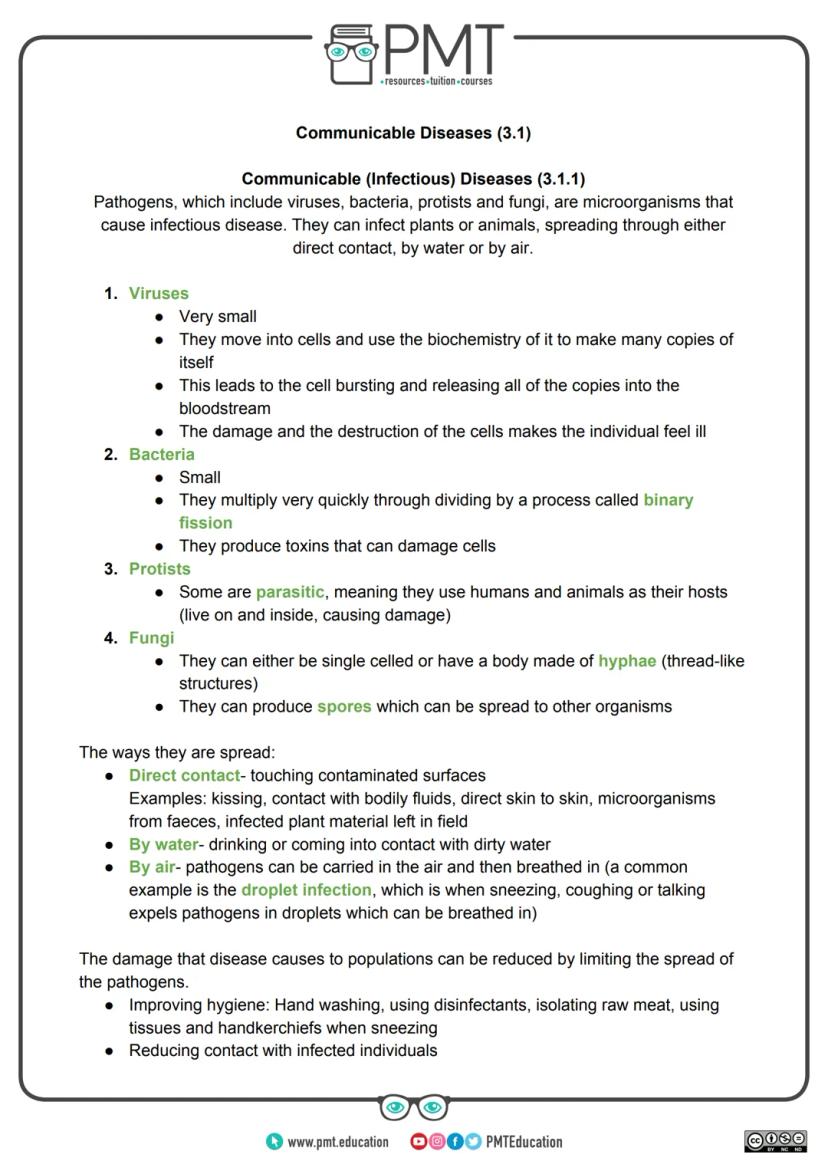
Pathogens are basically the troublemakers of the microscopic world - they're microorganisms that cause infectious diseases in both plants and animals. There are four main types you need to know: viruses, bacteria, protists, and fungi.
Viruses are tiny invaders that hijack your cells like biological pirates. They sneak into your cells, use the cell's own machinery to make copies of themselves, then burst the cell open to release hundreds of new viruses into your bloodstream. This cellular destruction is what makes you feel rough.
Bacteria are slightly larger and multiply incredibly quickly through binary fission (basically splitting in two). They damage your body by producing toxins - poisonous substances that harm your cells and make you feel ill.
💡 Quick Tip: Remember the three main ways diseases spread - direct contact (like kissing), through water, and through air (like when someone sneezes on you). Gross but important!
2
of 10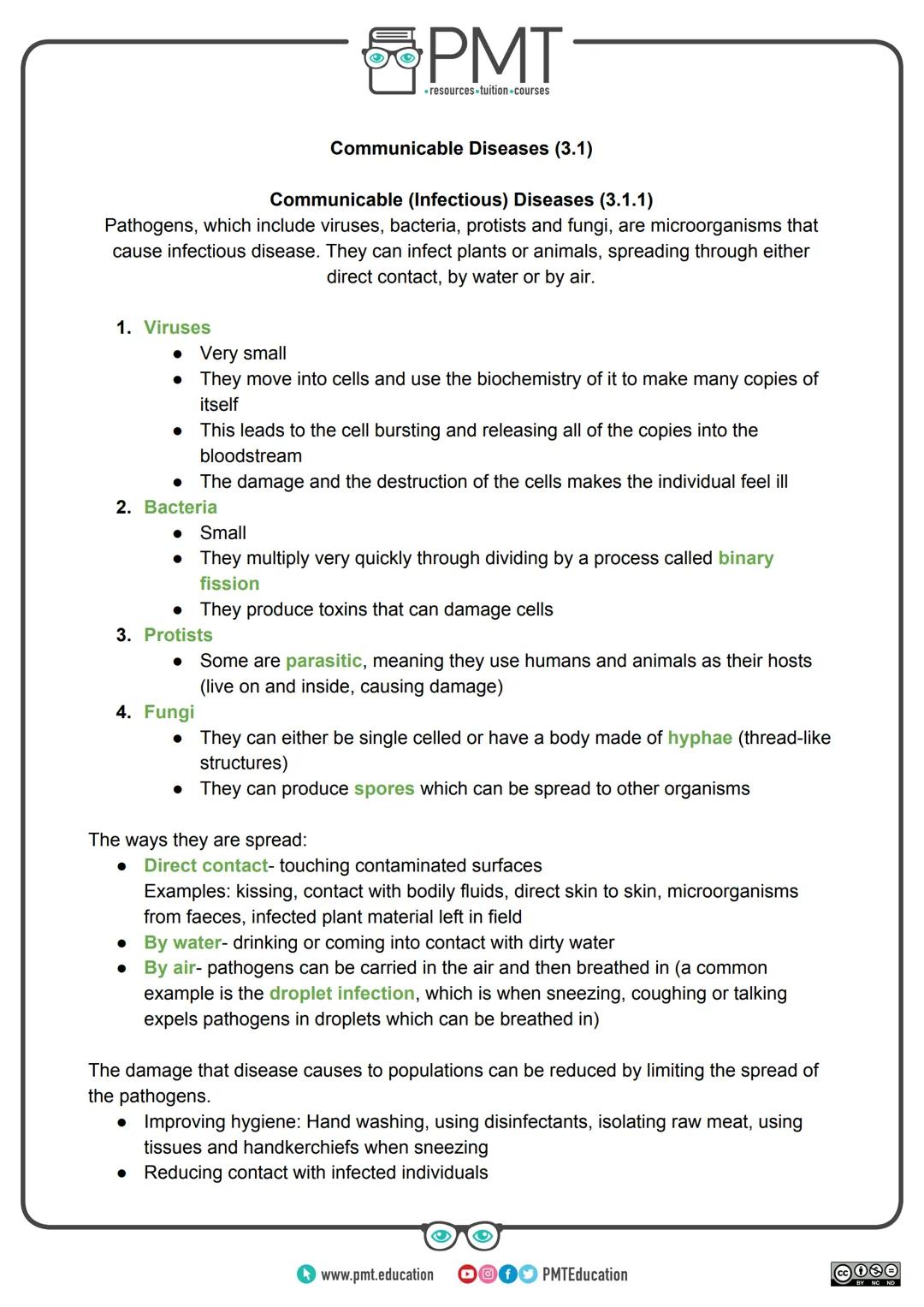
Viral Diseases You Need to Know
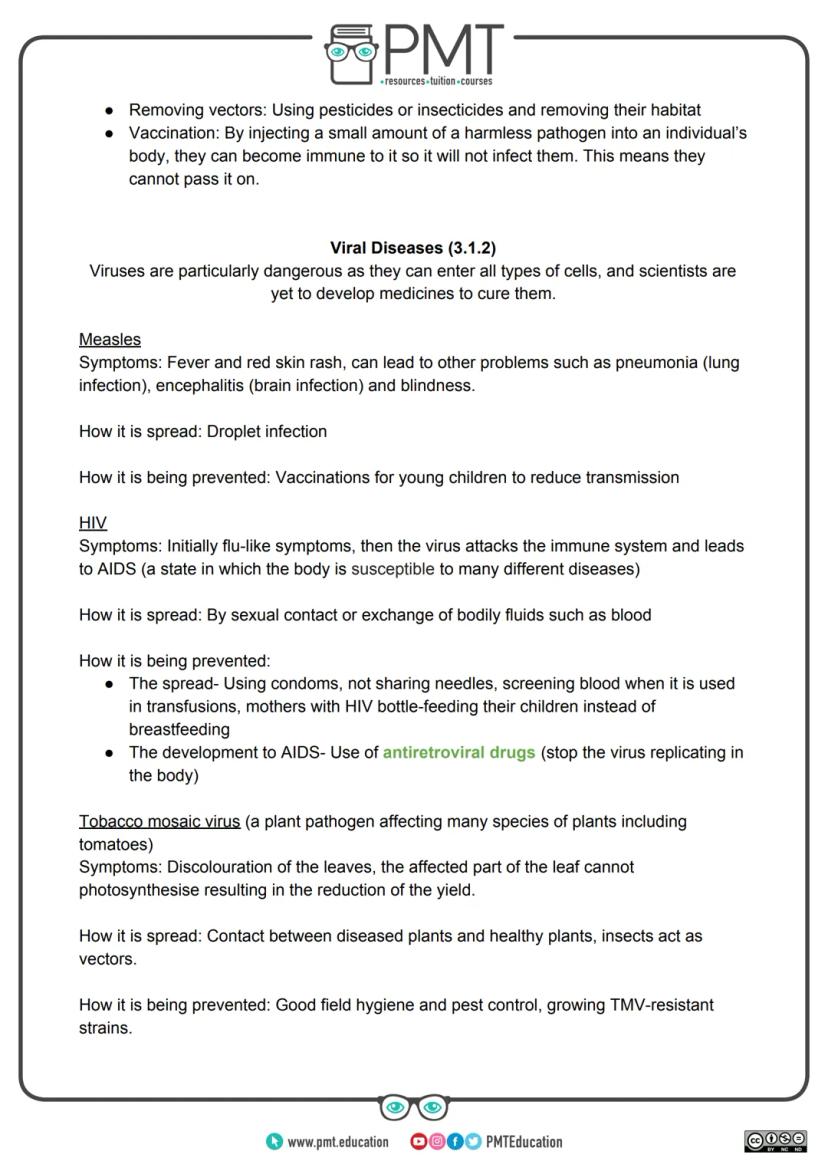
Viruses are particularly sneaky because they can invade any type of cell, and we still haven't developed medicines that can cure them. Your body has to fight them off naturally.
Measles spreads through droplet infection (when infected people cough or sneeze) and causes fever plus that characteristic red rash. It can lead to serious complications like pneumonia or brain infections. The good news? Childhood vaccinations have made it much less common.
HIV is a sexually transmitted virus that initially feels like flu, but then attacks your immune system. Without treatment, it progresses to AIDS, leaving your body vulnerable to other diseases. Antiretroviral drugs can now stop the virus from multiplying, turning HIV from a death sentence into a manageable condition.
Tobacco mosaic virus affects plants, causing yellow and green patches on leaves. This discolouration stops affected areas from photosynthesising properly, reducing crop yields and costing farmers money.
💡 Remember: Unlike bacterial infections, viral diseases can't be cured with antibiotics - your immune system has to do the hard work!
3
of 10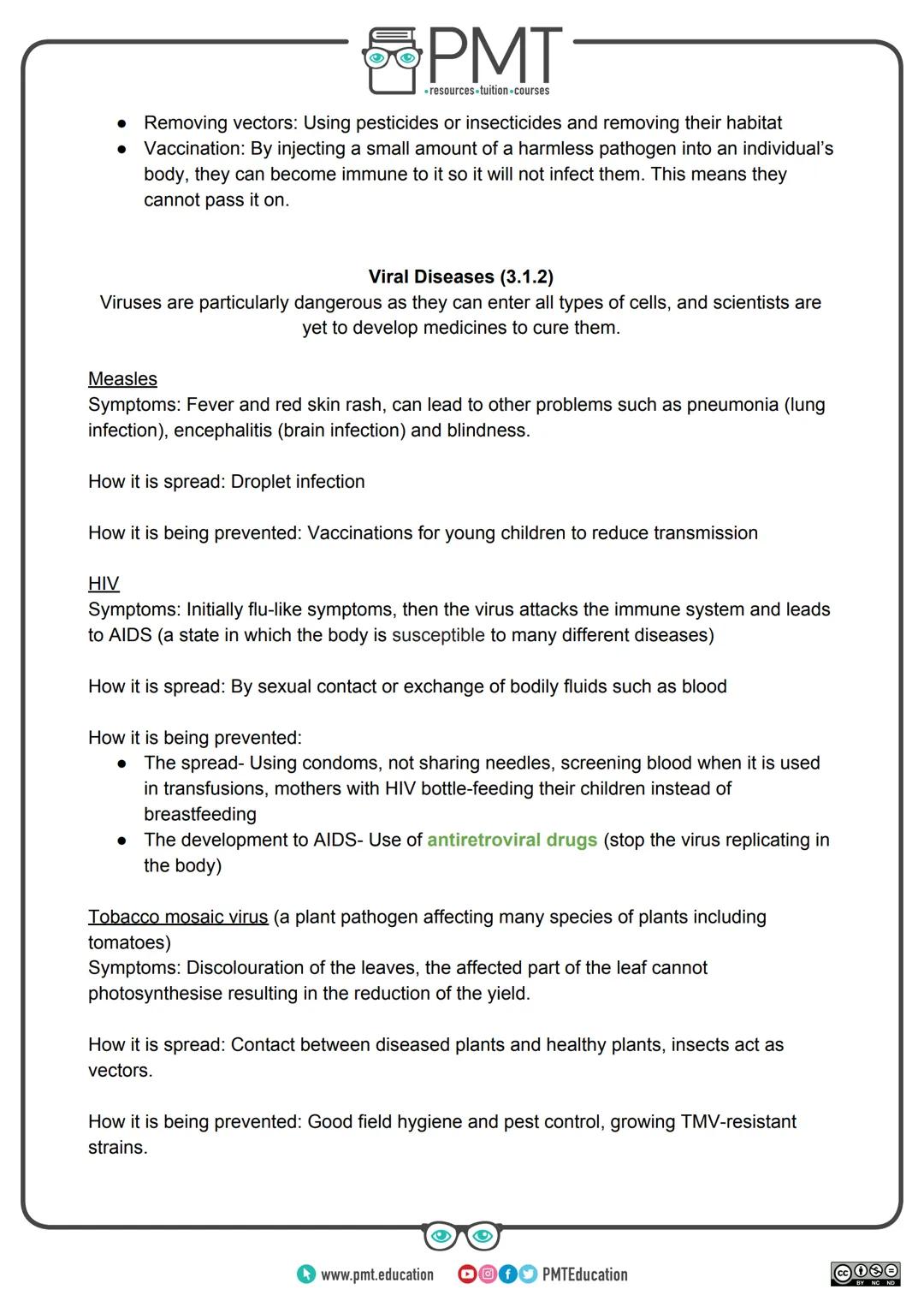
Bacterial and Other Diseases
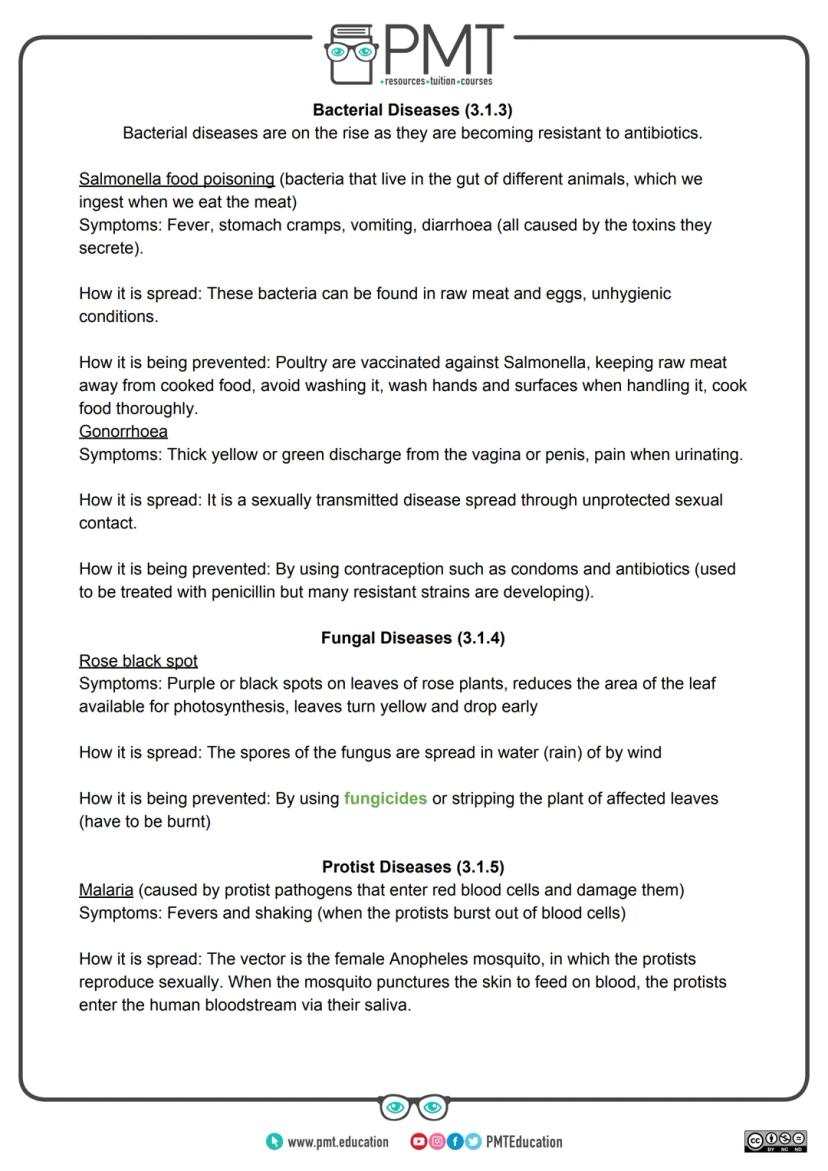
Bacterial diseases are becoming increasingly problematic because many bacteria are developing antibiotic resistance. This means medicines that used to work are becoming useless.
Salmonella lives in animal guts and gets into our food through raw meat and eggs. It produces toxins that cause fever, stomach cramps, and that lovely combination of vomiting and diarrhoea. Prevention is key - cook meat thoroughly and keep raw meat away from other foods.
Gonorrhoea is a sexually transmitted bacterial infection causing painful urination and discharge. Condoms prevent transmission, and while antibiotics can treat it, many strains are becoming resistant to penicillin.
Rose black spot is a fungal disease that creates black spots on rose leaves, reducing photosynthesis and causing leaves to drop early. Malaria is caused by protist parasites carried by female mosquitoes - when they bite you, the parasites enter your bloodstream and reproduce inside your red blood cells.
💡 Key Point: Each type of pathogen has different prevention methods - bacteria respond to antibiotics, but fungi need fungicides and parasites need vector control!
4
of 10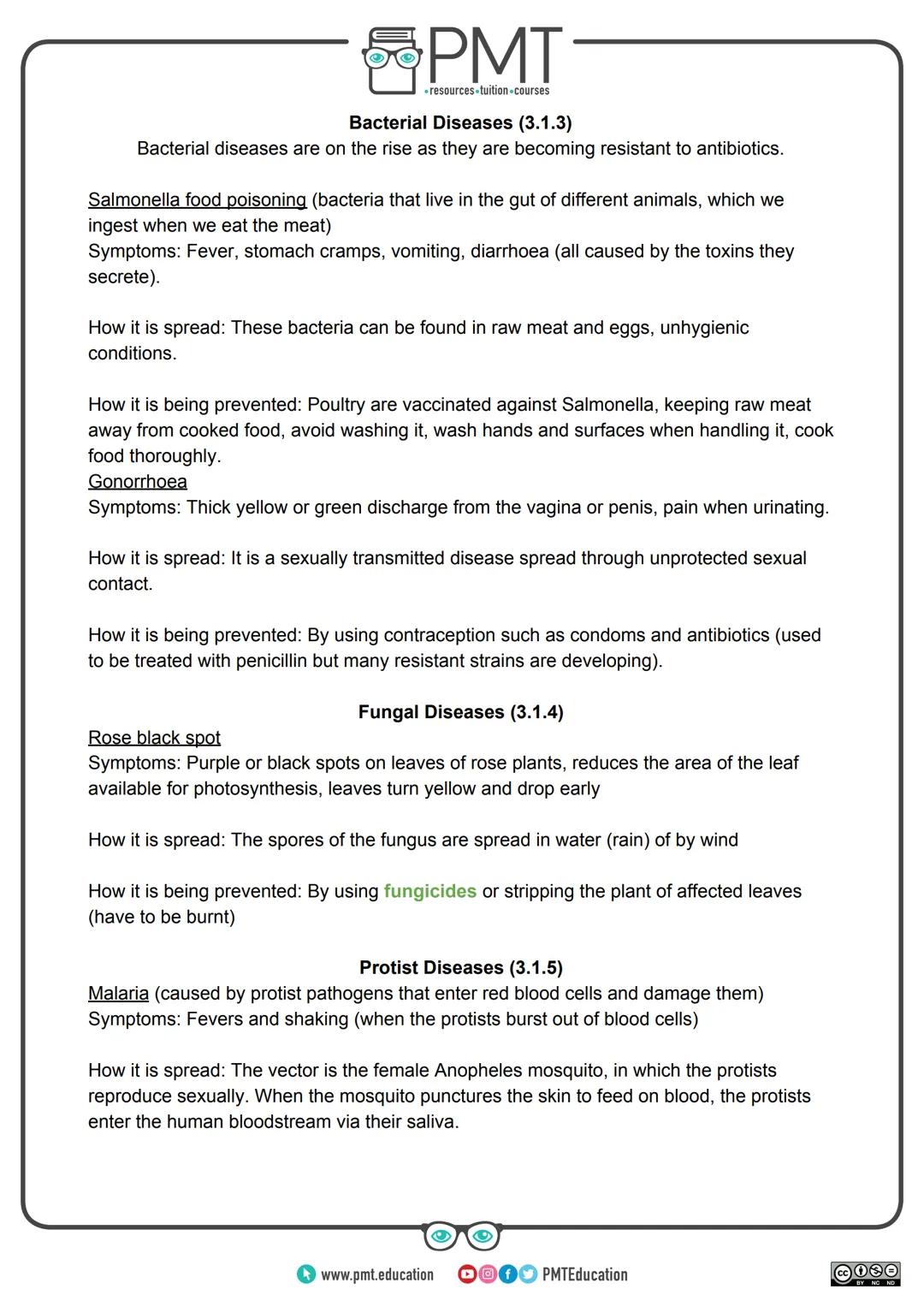
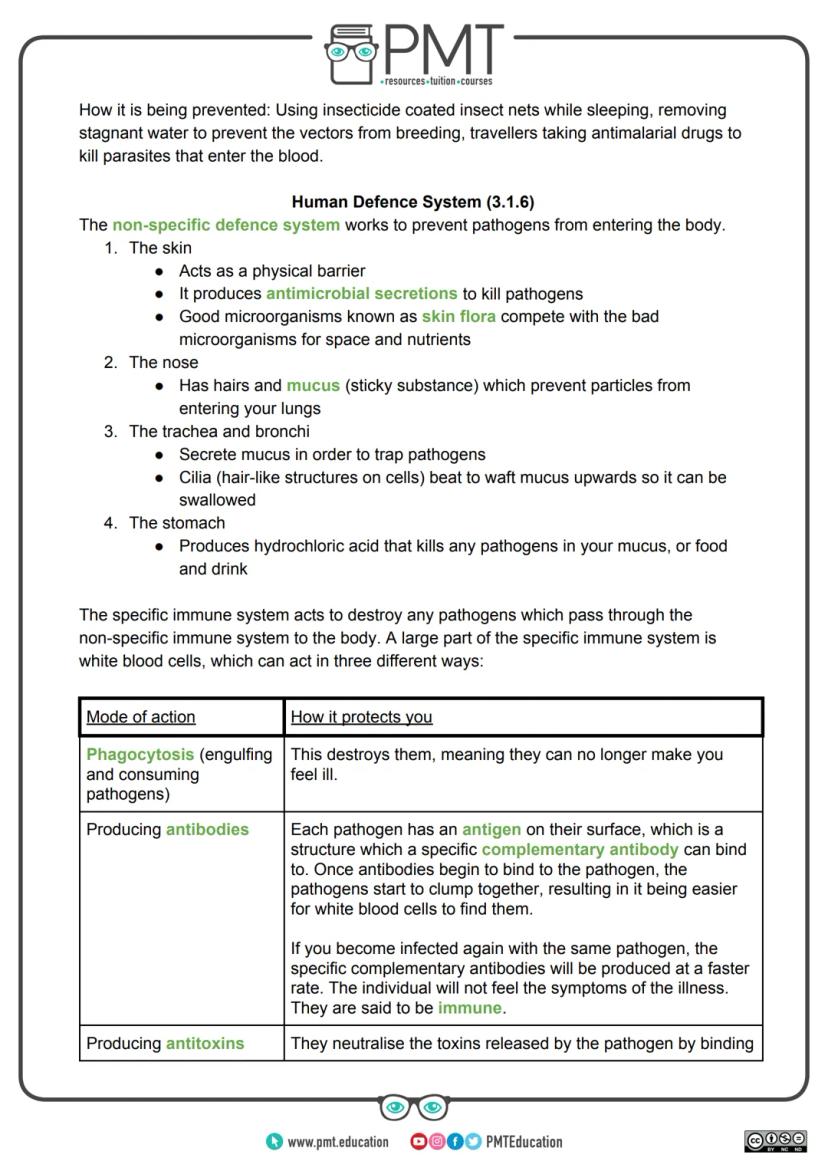
Your Body's Defence System
Your body is like a fortress with multiple layers of defence against pathogens. The non-specific defence system tries to stop pathogens getting in, while the specific immune system targets particular invaders.
Your skin acts as a physical barrier and produces antimicrobial substances. Your nose has hairs and mucus to trap particles, while your trachea and bronchi use cilia to sweep mucus upwards so you can swallow it. Your stomach then kills pathogens with hydrochloric acid.
White blood cells are your body's special forces, working in three ways. Phagocytosis involves engulfing and destroying pathogens. They also produce antibodies - specific proteins that bind to antigens on pathogen surfaces, making them clump together for easier destruction.
The brilliant thing about antibodies is immunological memory. Once your white blood cells have made antibodies against a pathogen, they can produce them much faster if you're infected again - that's why you usually only get chickenpox once!
💡 Amazing Fact: Your immune system can remember thousands of different pathogens and respond to them within hours of a repeat infection!
5
of 10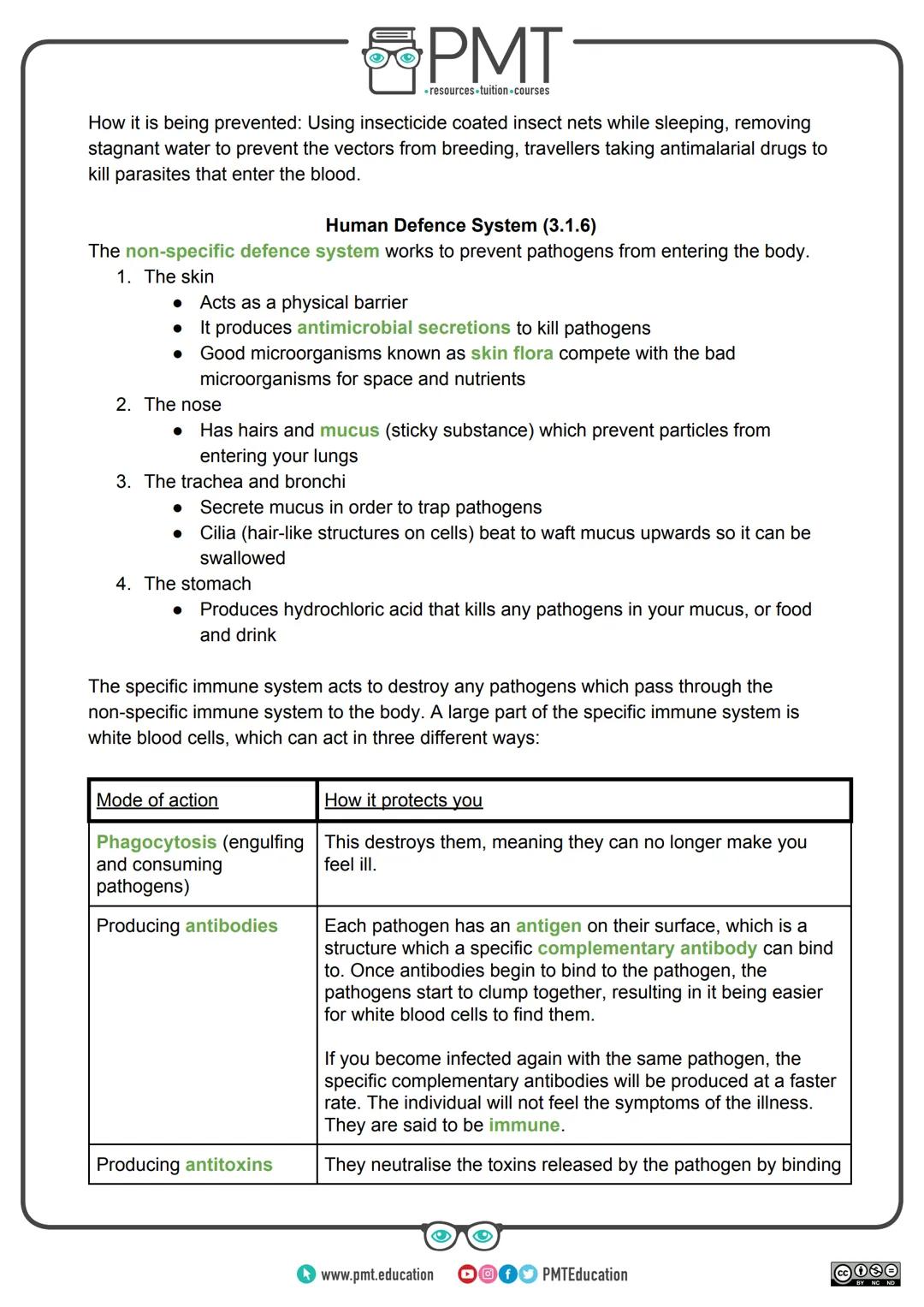
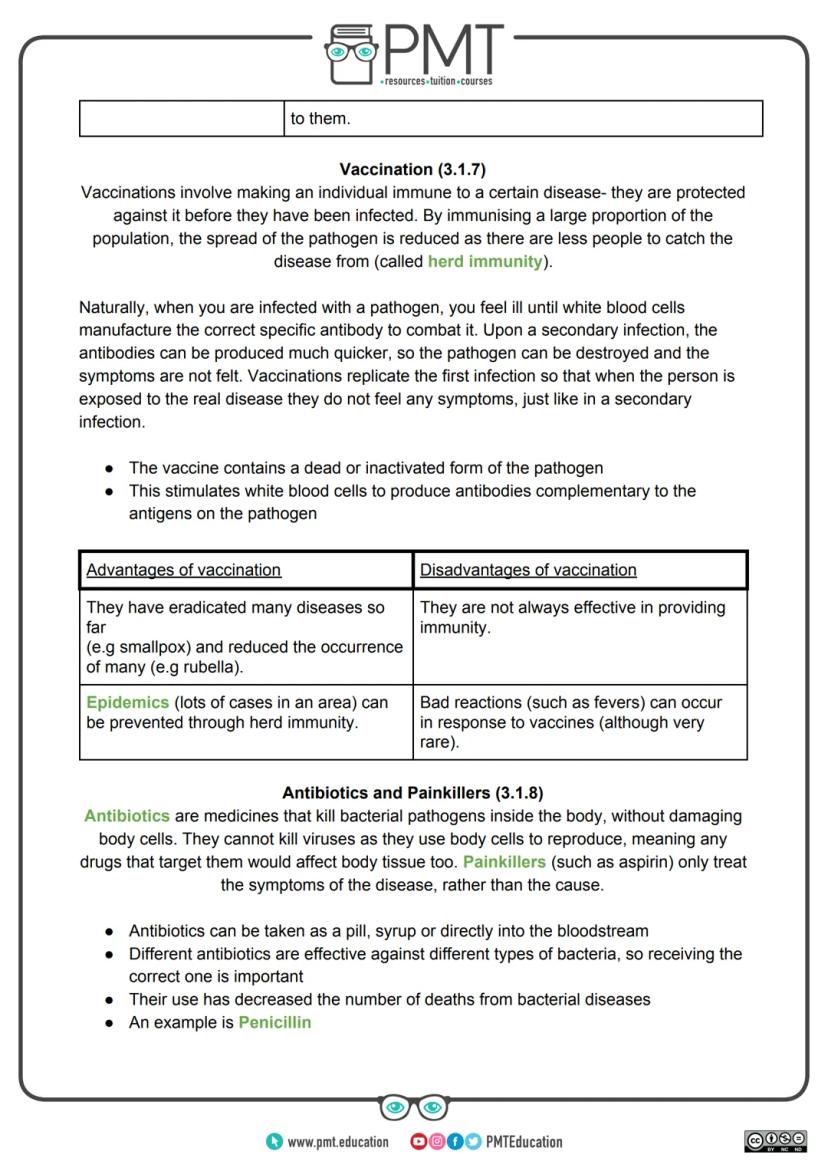
Vaccination and Drug Development
Vaccination is basically giving your immune system a practice run. Vaccines contain dead or weakened pathogens that stimulate antibody production without making you ill. When you encounter the real disease, your immune system is ready to fight it immediately.
Herd immunity occurs when enough people are vaccinated to protect the whole community. Even people who can't be vaccinated are protected because the disease can't spread easily. Vaccines have completely eradicated smallpox and dramatically reduced diseases like rubella.
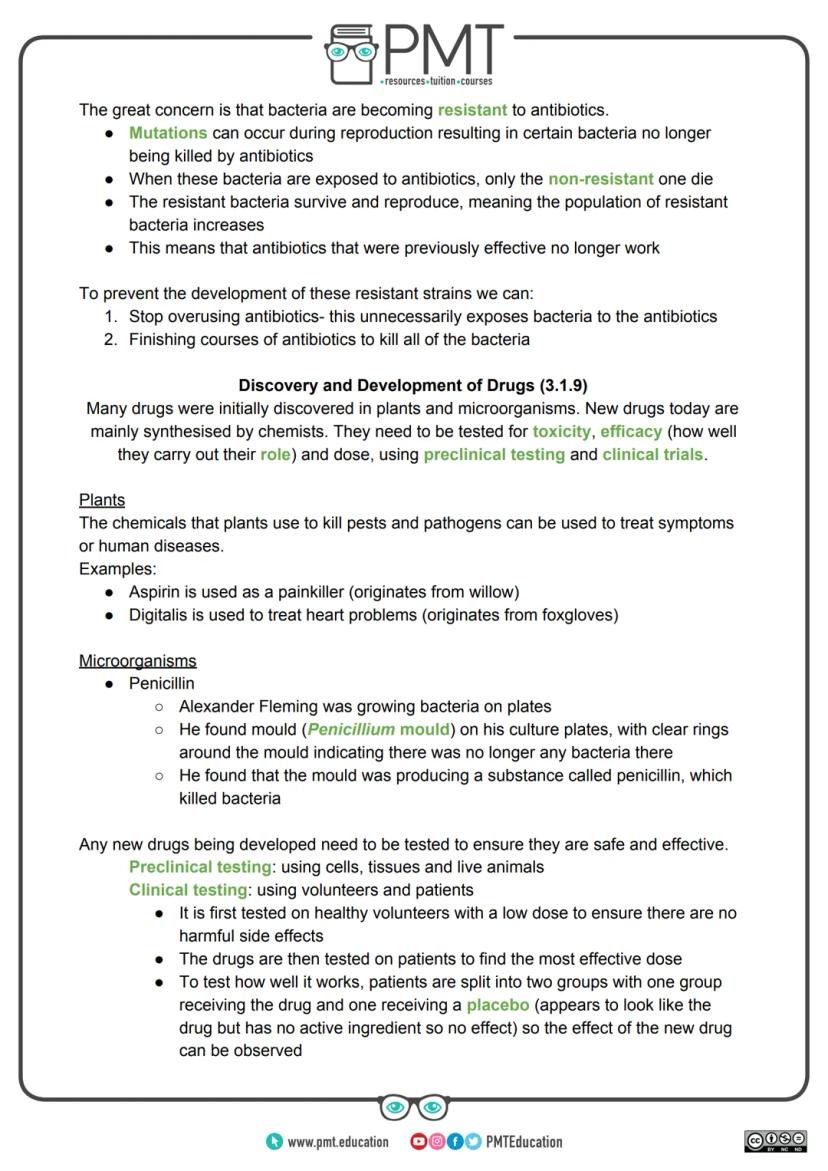
Many modern drugs originally came from plants and microorganisms. Aspirin comes from willow trees, while penicillin was discovered when Alexander Fleming noticed mould killing bacteria on his culture plates. This accidental discovery revolutionised medicine.
New drugs undergo rigorous testing - first preclinical testing on cells and animals, then clinical trials on human volunteers and patients. Double-blind trials ensure neither patients nor doctors know who's receiving the real drug, eliminating bias in results.
💡 Remember: Antibiotics only work on bacteria, not viruses. Taking antibiotics unnecessarily helps bacteria develop resistance!
6
of 10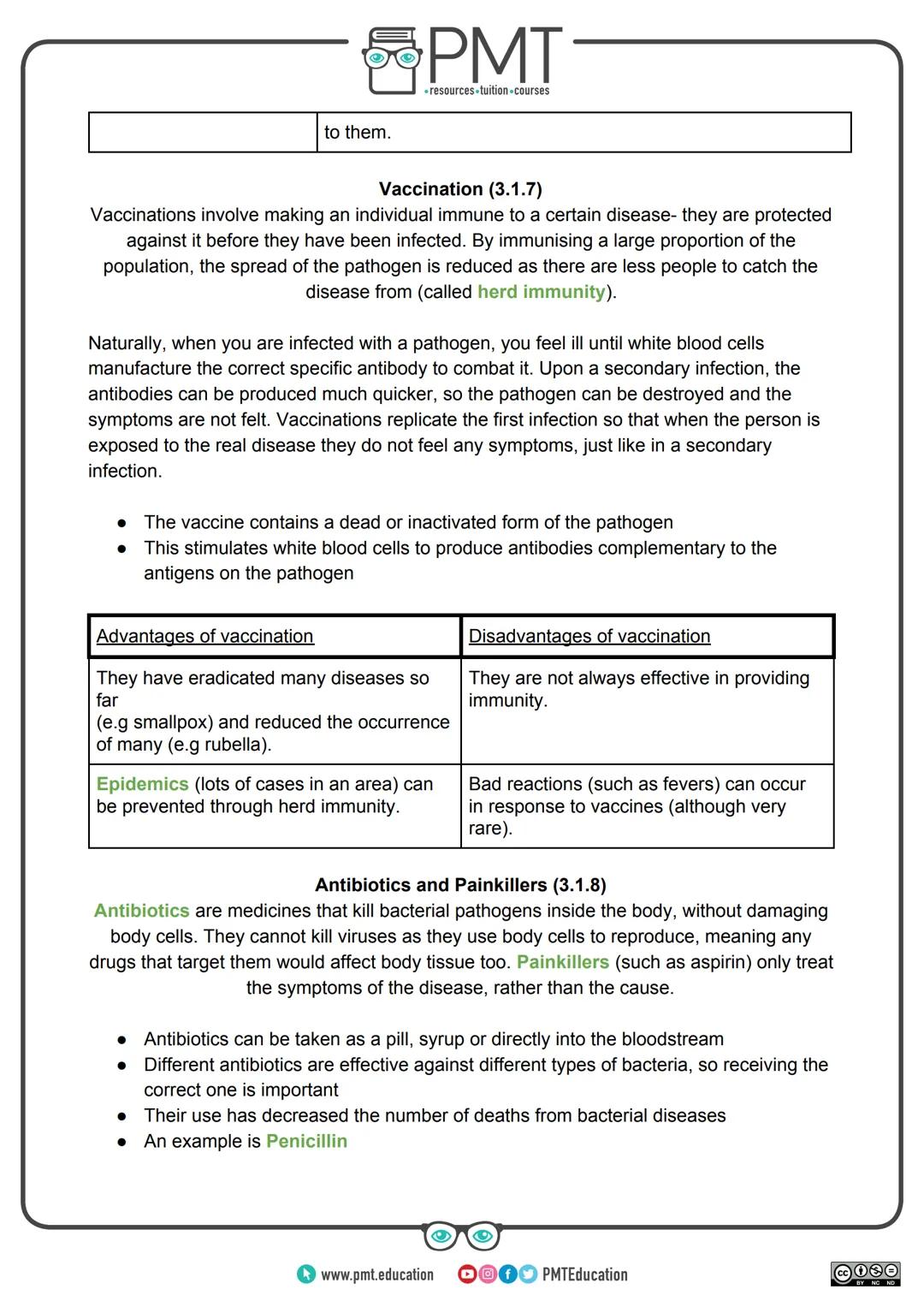
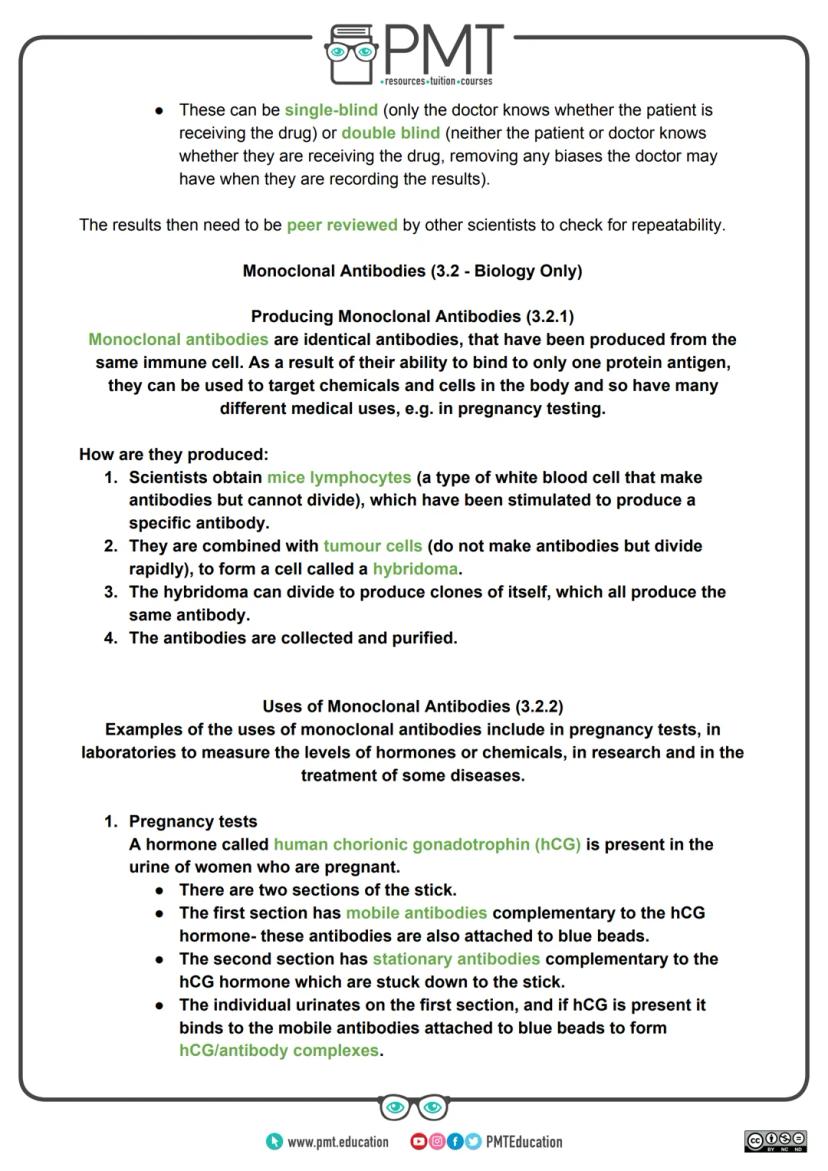
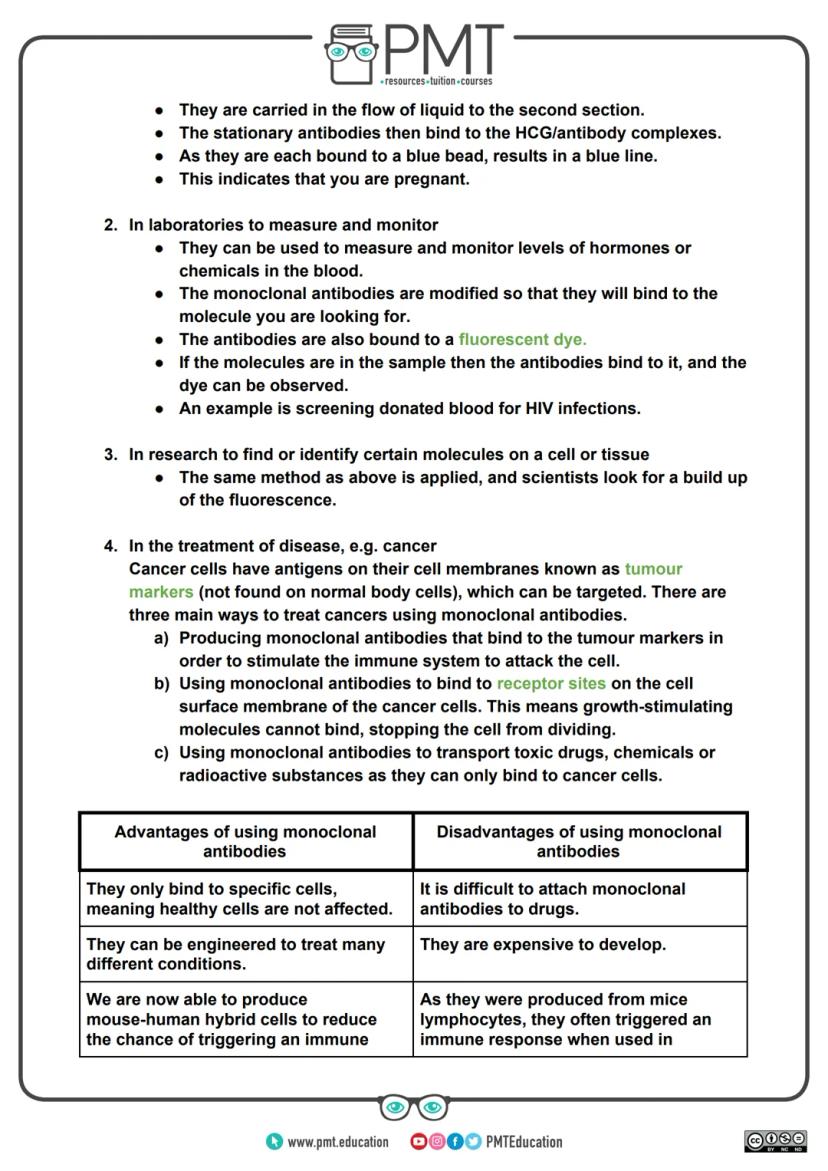
Monoclonal Antibodies
Monoclonal antibodies are identical antibodies produced from the same immune cell. Think of them as highly targeted missiles that can find and bind to one specific target in your body.
Scientists create them by combining mouse white blood cells (which make antibodies but can't divide) with tumour cells (which divide rapidly but don't make antibodies). The resulting hybridoma cells can both divide and produce antibodies.
Pregnancy tests use monoclonal antibodies to detect hCG hormone in urine. The test strip has mobile antibodies attached to blue beads that bind to hCG, then get caught by stationary antibodies further along, creating a blue line if you're pregnant.
In cancer treatment, monoclonal antibodies can target tumour markers - antigens found only on cancer cells. They can stimulate your immune system to attack cancer cells, block growth signals, or deliver toxic drugs directly to tumours while leaving healthy cells alone.
The main challenge is that monoclonal antibodies originally came from mice, so human immune systems sometimes attacked them. Scientists now create mouse-human hybrid antibodies to solve this problem.
💡 Cool Application: Monoclonal antibodies can be used to screen blood donations for diseases like HIV, making blood transfusions much safer!
7
of 10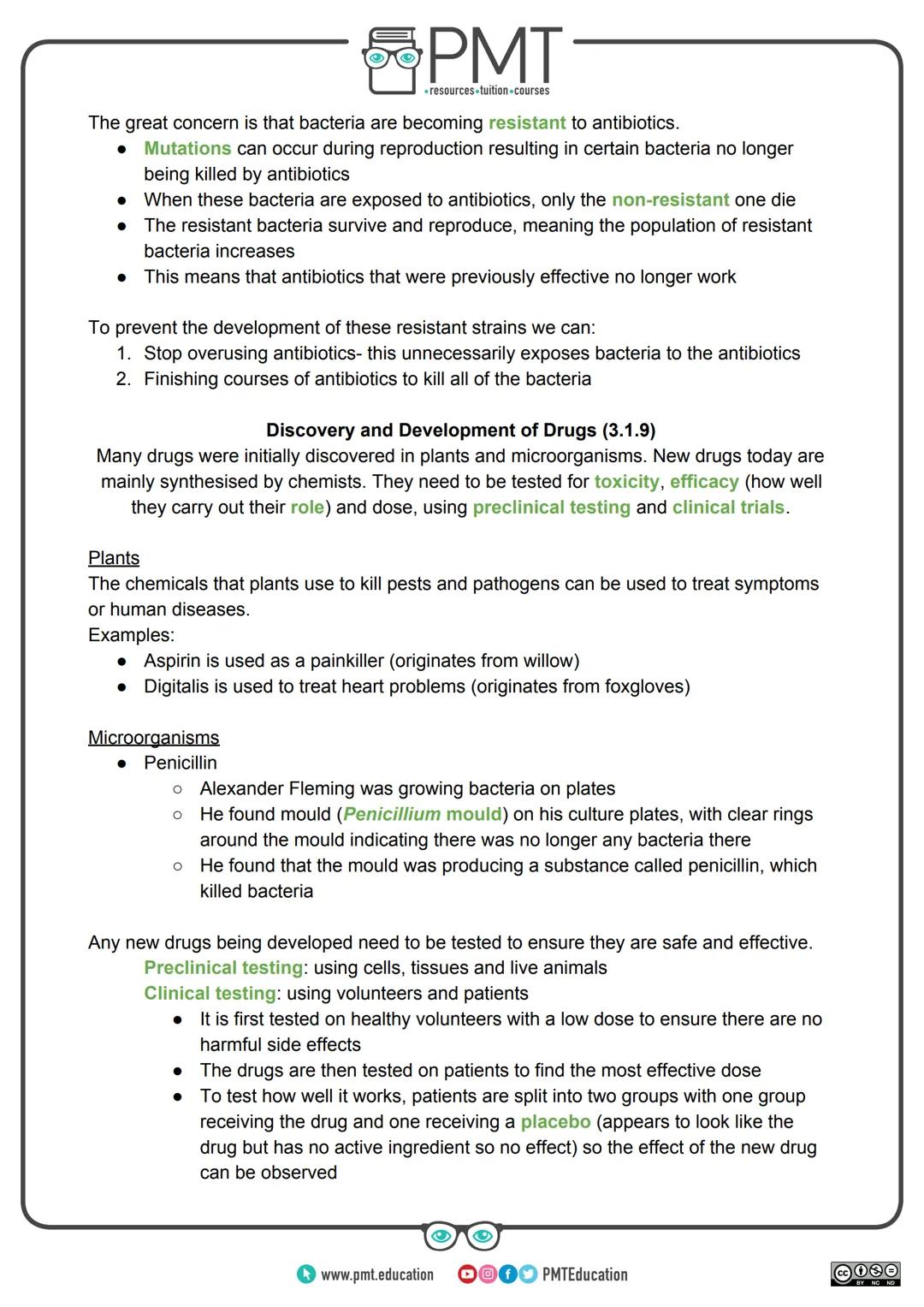
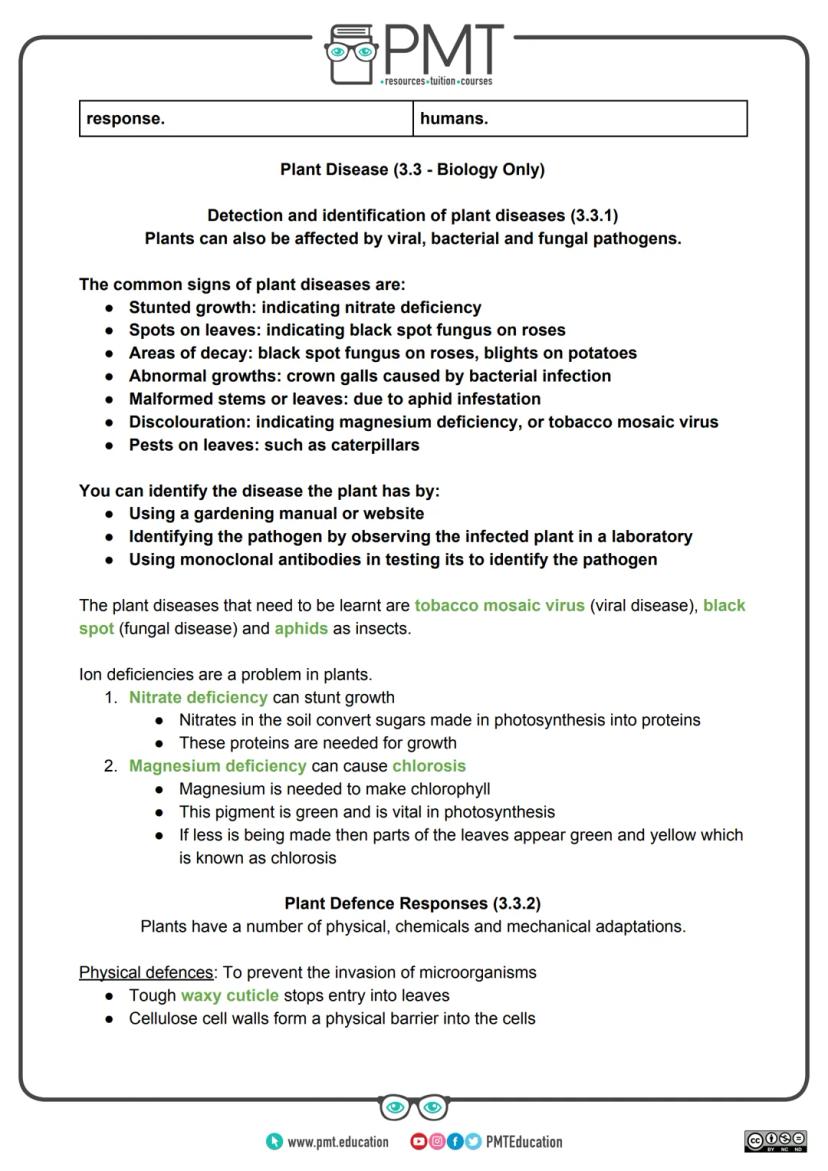
Plant Disease and Defence
Plants face their own disease challenges from pathogens, plus problems from nutrient deficiencies and pests. Recognising these issues is crucial for farmers and gardeners.
Common signs of plant disease include stunted growth (often indicating nitrate deficiency), spots on leaves (like black spot fungus), areas of decay, abnormal growths, and discolouration. You can identify specific diseases using gardening manuals, laboratory analysis, or monoclonal antibody tests.
Nitrate deficiency stunts growth because plants need nitrates to convert sugars from photosynthesis into proteins required for growth. Magnesium deficiency causes chlorosis - yellow and green patches on leaves - because magnesium is essential for making chlorophyll.
Plants have evolved impressive defence mechanisms. Physical defences include tough waxy cuticles that prevent pathogen entry and cellulose cell walls that form barriers around cells. These adaptations help plants survive in environments full of potential threats.
💡 Farmer's Tip: Healthy soil with proper nutrients is the best defence against plant disease - prevention is always better than treatment!
8
of 10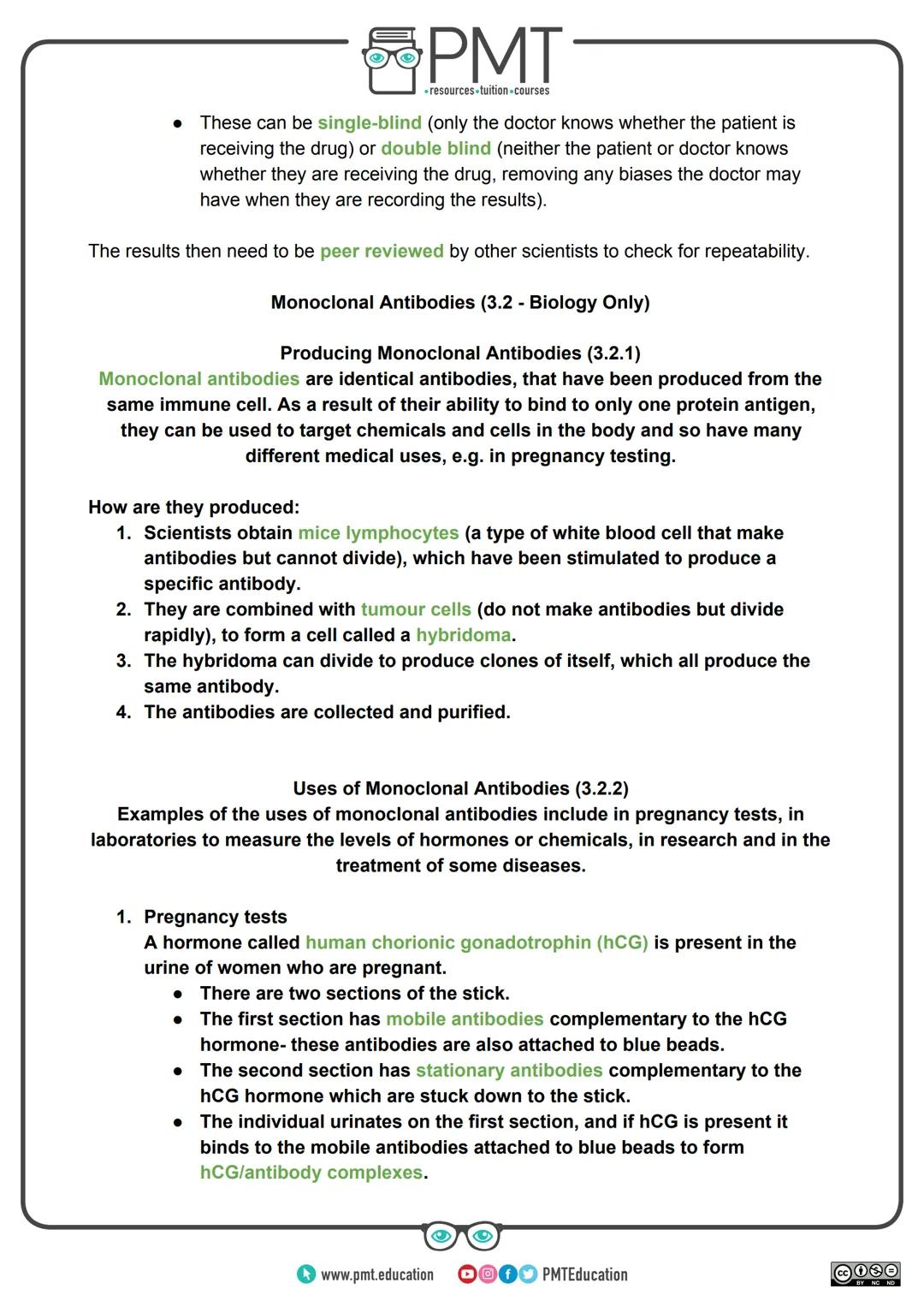
9
of 10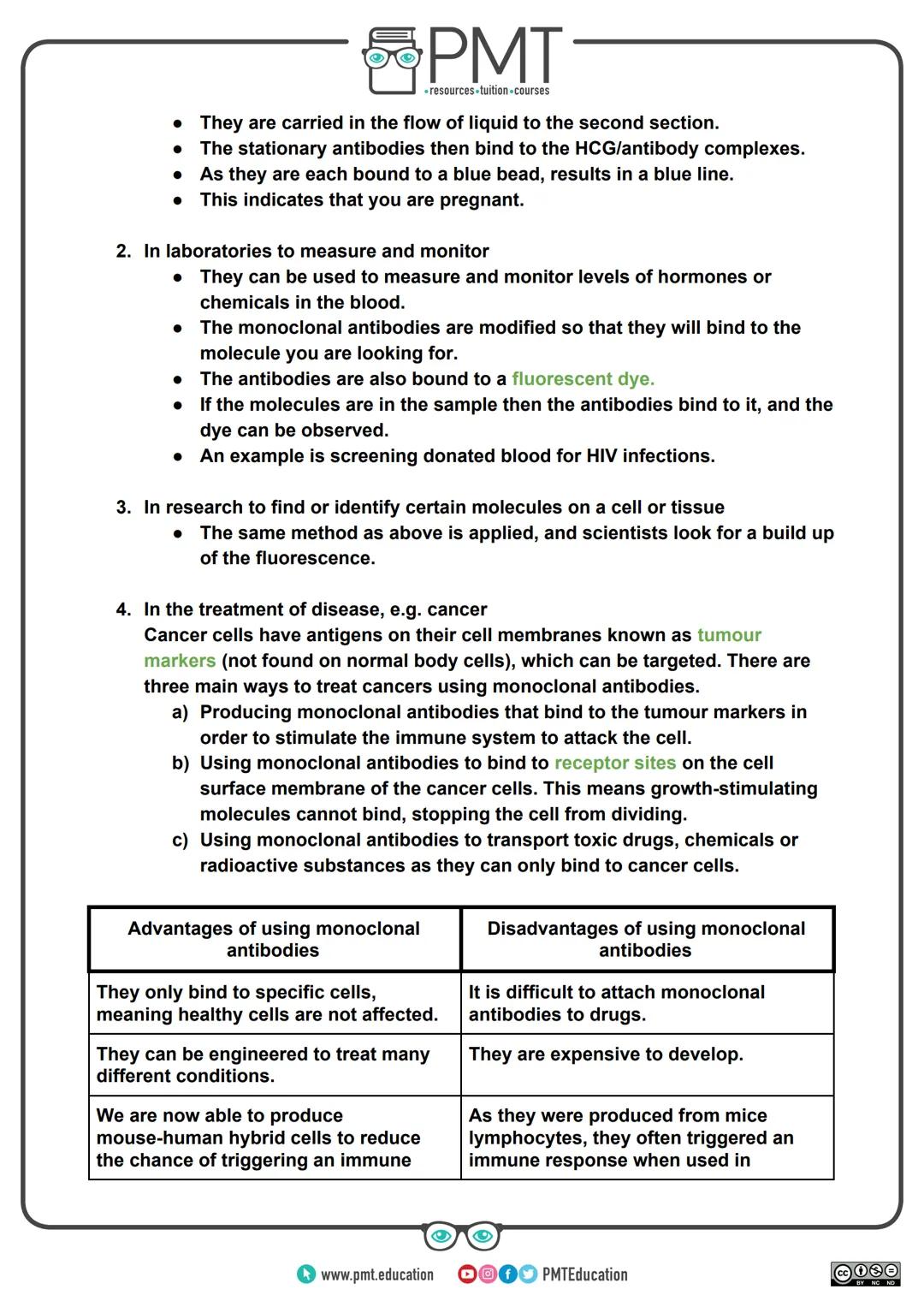
10
of 10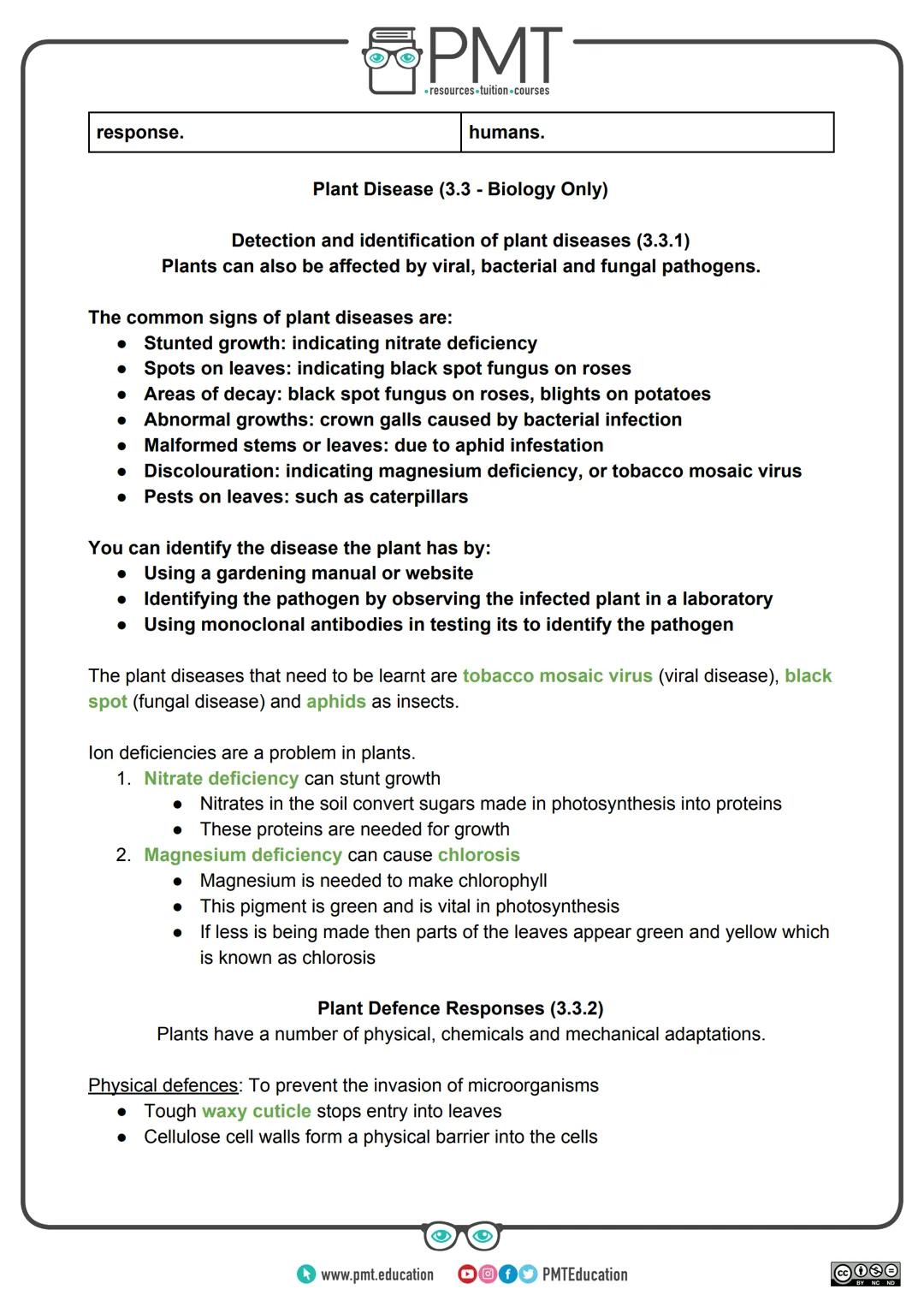
We thought you’d never ask...
What is the Knowunity AI companion?
Our AI Companion is a student-focused AI tool that offers more than just answers. Built on millions of Knowunity resources, it provides relevant information, personalised study plans, quizzes, and content directly in the chat, adapting to your individual learning journey.
Where can I download the Knowunity app?
You can download the app from Google Play Store and Apple App Store.
Is Knowunity really free of charge?
That's right! Enjoy free access to study content, connect with fellow students, and get instant help – all at your fingertips.
Most popular content: Pathogen
9BiologyInfectious Diseases Overview
Explore the key concepts of infectious diseases, including pathogens, transmission methods, symptoms, and prevention strategies. This summary covers various pathogens such as bacteria, viruses, and fungi, along with specific diseases like malaria, salmonella, and measles. Ideal for AQA Biology Paper 1 revision.
111,09250
 Chemistry
Understanding Pathogens
Explore the key concepts of pathogens, including their types (viruses, bacteria, fungi, protozoa, and worms), entry routes into the body, and the human immune system's defenses. This summary provides essential insights into biological defenses and infectious diseases, making it a valuable resource for students studying general pathophysiology.
94173
BiologyInfection & Response Overview
Explore key concepts in infection and response, including the immune system, vaccination, and disease prevention. This comprehensive summary covers plant and human diseases, the role of pathogens, and the mechanisms of monoclonal antibodies. Ideal for AQA Biology students preparing for exams.
92,90083
BiologyInfection & Immunity Overview
Explore key concepts in infection and immunity, including pathogen types, antibiotic resistance, vaccination, and the human immune response. This summary covers essential biology topics for GCSE students, focusing on how diseases spread and the body's defense mechanisms. Ideal for exam preparation and understanding communicable diseases.
1189521
BiologyInfection & Response
Biology Paper 1 topic - detailed mind map of full topic areas within infection and response (biology combined higher GCSE)
101102
BiologyInfection & Response Overview
Explore key concepts in infection and response, including vaccination, monoclonal antibodies, and plant defenses. This comprehensive summary covers the immune system, antibiotic resistance, and disease prevention strategies, making it essential for AQA GCSE Biology students. Ideal for exam preparation and understanding biological responses to pathogens.
987730
BiologyPathogens and Disease Control
Explore key concepts of pathogens, their types, and how diseases spread and can be controlled. This summary covers bacteria, viruses, fungi, and protists, along with prevention methods like vaccination and hygiene. Ideal for Year 11 Science students preparing for exams.
115214
BiologyUnderstanding Infectious Diseases
Explore the biology of infectious diseases, including pathogens, immune responses, and disease prevention strategies. This summary covers key concepts such as the role of white blood cells, the mechanisms of disease transmission, and specific diseases like HIV, malaria, and salmonella. Ideal for AQA GCSE Biology students preparing for exams.
92260
BiologyInfection & Immune Response
Explore the mechanisms of infection and the immune response in this comprehensive overview. Learn about different types of pathogens, drug development, vaccination processes, and the role of monoclonal antibodies in treatment. This summary covers key concepts such as antibiotics, drug testing, and plant disease defenses, making it essential for biology students preparing for exams.
102062
Most popular content in Biology
9C
BiologyCell Biology and Cell structure
cell structures
93,1870
BiologyAQA Biology: Key Concepts
Explore essential AQA Biology topics including Photosynthesis, Respiration, Homeostasis, Genetics, and Ecology. This comprehensive knowledge organizer covers key concepts such as energy transfer, hormonal control, and genetic variation, providing a solid foundation for your studies. Ideal for exam preparation and understanding biological processes.
108,771305
T
BiologyThe functions of subcellular structures - B1 Biology
Flashcards on the different functions of subcellular structures: cell membrane, nucleus, mitochondria, ribosomes, cytoplasm, permant vacuole, chloroplasts and cell wall.
102,7445
1
Biology1.cells Gcse biology question cards
combined science higher biology
92,3194
BiologyA-Level Biology Year 1 Overview
Comprehensive summary of AQA A-Level Biology Year 1, covering key topics such as cellular structure, protein synthesis, immune response, gas exchange, and more. Ideal for exam preparation and understanding biological concepts. Includes detailed insights into cellular processes, biological classification, and the circulatory system.
1214,852692
BiologyBiology paper 1 Summary
Notes for Biology paper 1 contains the full course for AQA higher combined!
104,115106
T
BiologyTypes of cells
biology
101,1870
B
BiologyBiology Paper 1 quiz
this is a simple quiz on key knowledge needed for paper 1
102,7575
C
BiologyCells part 1 function of cells.
About cells and function of cells etc.
119821
Most popular content
9 Sociology
Sociology of Education Overview
Explore comprehensive A-Level Sociology notes on the education system, covering key theories, policies, and sociological perspectives. This resource includes insights on marketisation, gender roles, cultural deprivation, and educational inequalities, providing a thorough understanding of how education shapes social stratification and individual achievement. Ideal for exam preparation and in-depth study.
12102,8113,040
SociologySociology of Families: Comprehensive Revision
Dive into an extensive overview of family dynamics, perspectives, and patterns in sociology. This resource covers key concepts such as family diversity, gender roles, marriage, and the impact of social policies on family structures. Perfect for A-Level Sociology students preparing for Paper 2.
1273,5592,306
CriminologyCriminology: Crime & Punishment Overview
Comprehensive mindmaps covering key concepts in the Crime and Punishment topic for WJEC Criminology Unit 4. This resource includes detailed insights into the Criminal Justice System, crime prevention strategies, sentencing models, and the roles of various agencies. Ideal for A-Level revision, ensuring you grasp essential theories and legislative processes to excel in your exams.
1254,8531,059
SociologyComprehensive Crime & Deviance Overview
Explore an extensive revision of crime and deviance topics, including theories, types of crime, and the impact of media. This resource covers key concepts such as Marxism, functionalism, gender and crime, and the influence of globalization on criminal behavior. Ideal for students seeking a thorough understanding of criminology and its various theories. Type: Full Topic Revision.
1251,6321,399
 English Literature
An Inspector Calls: Character Insights
Explore in-depth analysis and key quotes for characters in J.B. Priestley's 'An Inspector Calls'. This resource covers Gerald Croft, Inspector Goole, Sheila Birling, Mrs. Birling, Eric Birling, and Eva Smith, focusing on themes of class, gender roles, and social responsibility. Ideal for students aiming for Grade 8 and above.
1025,412907
CriminologyWJEC Unit 4 Criminology
Criminology unit 4 detailed revision note
127,146125
C
BiologyCell Biology and Cell structure
cell structures
93,1870
CriminologyCriminology Theories Overview
Explore key criminology theories and their implications on crime and deviance. This comprehensive summary covers biological, psychological, and sociological perspectives, including labelling theory, right realism, and the impact of social campaigns on policy development. Ideal for A-Level criminology students seeking to understand the complexities of criminal behaviour and the factors influencing crime prevention strategies.
129,754210
English LiteratureRomeo and Juliet: Key themes
Key Romeo and Juliet themes and analysed quotes
106,695198
Can't find what you're looking for? Explore other subjects.
Students love us — and so will you.
4.6/5App Store
4.7/5Google Play
The app is very easy to use and well designed. I have found everything I was looking for so far and have been able to learn a lot from the presentations! I will definitely use the app for a class assignment! And of course it also helps a lot as an inspiration.
Stefan SiOS user
This app is really great. There are so many study notes and help [...]. My problem subject is French, for example, and the app has so many options for help. Thanks to this app, I have improved my French. I would recommend it to anyone.
Samantha KlichAndroid user
Wow, I am really amazed. I just tried the app because I've seen it advertised many times and was absolutely stunned. This app is THE HELP you want for school and above all, it offers so many things, such as workouts and fact sheets, which have been VERY helpful to me personally.
AnnaiOS user
Biology73 views·Updated Jun 9, 2026·11 pagesBiology Paper 1: B3 Comprehensive Notes for Learning
Issy@issy17
Ever wondered how diseases spread and what your body does to fight them off? This topic covers everything from nasty pathogens that make you ill to the amazing ways your immune system protects you. You'll also learn how vaccines work,...
1
of 10
Sign up to see the content. It's free!
- Access to all documents
- Improve your grades
- Join milions of students
Introduction to Communicable Diseases
Pathogens are basically the troublemakers of the microscopic world - they're microorganisms that cause infectious diseases in both plants and animals. There are four main types you need to know: viruses, bacteria, protists, and fungi.
Viruses are tiny invaders that hijack your cells like biological pirates. They sneak into your cells, use the cell's own machinery to make copies of themselves, then burst the cell open to release hundreds of new viruses into your bloodstream. This cellular destruction is what makes you feel rough.
Bacteria are slightly larger and multiply incredibly quickly through binary fission (basically splitting in two). They damage your body by producing toxins - poisonous substances that harm your cells and make you feel ill.
💡 Quick Tip: Remember the three main ways diseases spread - direct contact (like kissing), through water, and through air (like when someone sneezes on you). Gross but important!
2
of 10Sign up to see the content. It's free!
- Access to all documents
- Improve your grades
- Join milions of students
Viral Diseases You Need to Know
Viruses are particularly sneaky because they can invade any type of cell, and we still haven't developed medicines that can cure them. Your body has to fight them off naturally.
Measles spreads through droplet infection (when infected people cough or sneeze) and causes fever plus that characteristic red rash. It can lead to serious complications like pneumonia or brain infections. The good news? Childhood vaccinations have made it much less common.
HIV is a sexually transmitted virus that initially feels like flu, but then attacks your immune system. Without treatment, it progresses to AIDS, leaving your body vulnerable to other diseases. Antiretroviral drugs can now stop the virus from multiplying, turning HIV from a death sentence into a manageable condition.
Tobacco mosaic virus affects plants, causing yellow and green patches on leaves. This discolouration stops affected areas from photosynthesising properly, reducing crop yields and costing farmers money.
💡 Remember: Unlike bacterial infections, viral diseases can't be cured with antibiotics - your immune system has to do the hard work!
3
of 10Sign up to see the content. It's free!
- Access to all documents
- Improve your grades
- Join milions of students
Bacterial and Other Diseases
Bacterial diseases are becoming increasingly problematic because many bacteria are developing antibiotic resistance. This means medicines that used to work are becoming useless.
Salmonella lives in animal guts and gets into our food through raw meat and eggs. It produces toxins that cause fever, stomach cramps, and that lovely combination of vomiting and diarrhoea. Prevention is key - cook meat thoroughly and keep raw meat away from other foods.
Gonorrhoea is a sexually transmitted bacterial infection causing painful urination and discharge. Condoms prevent transmission, and while antibiotics can treat it, many strains are becoming resistant to penicillin.
Rose black spot is a fungal disease that creates black spots on rose leaves, reducing photosynthesis and causing leaves to drop early. Malaria is caused by protist parasites carried by female mosquitoes - when they bite you, the parasites enter your bloodstream and reproduce inside your red blood cells.
💡 Key Point: Each type of pathogen has different prevention methods - bacteria respond to antibiotics, but fungi need fungicides and parasites need vector control!
4
of 10Sign up to see the content. It's free!
- Access to all documents
- Improve your grades
- Join milions of students
Your Body's Defence System
Your body is like a fortress with multiple layers of defence against pathogens. The non-specific defence system tries to stop pathogens getting in, while the specific immune system targets particular invaders.
Your skin acts as a physical barrier and produces antimicrobial substances. Your nose has hairs and mucus to trap particles, while your trachea and bronchi use cilia to sweep mucus upwards so you can swallow it. Your stomach then kills pathogens with hydrochloric acid.
White blood cells are your body's special forces, working in three ways. Phagocytosis involves engulfing and destroying pathogens. They also produce antibodies - specific proteins that bind to antigens on pathogen surfaces, making them clump together for easier destruction.
The brilliant thing about antibodies is immunological memory. Once your white blood cells have made antibodies against a pathogen, they can produce them much faster if you're infected again - that's why you usually only get chickenpox once!
💡 Amazing Fact: Your immune system can remember thousands of different pathogens and respond to them within hours of a repeat infection!
5
of 10Sign up to see the content. It's free!
- Access to all documents
- Improve your grades
- Join milions of students
Vaccination and Drug Development
Vaccination is basically giving your immune system a practice run. Vaccines contain dead or weakened pathogens that stimulate antibody production without making you ill. When you encounter the real disease, your immune system is ready to fight it immediately.
Herd immunity occurs when enough people are vaccinated to protect the whole community. Even people who can't be vaccinated are protected because the disease can't spread easily. Vaccines have completely eradicated smallpox and dramatically reduced diseases like rubella.
Many modern drugs originally came from plants and microorganisms. Aspirin comes from willow trees, while penicillin was discovered when Alexander Fleming noticed mould killing bacteria on his culture plates. This accidental discovery revolutionised medicine.
New drugs undergo rigorous testing - first preclinical testing on cells and animals, then clinical trials on human volunteers and patients. Double-blind trials ensure neither patients nor doctors know who's receiving the real drug, eliminating bias in results.
💡 Remember: Antibiotics only work on bacteria, not viruses. Taking antibiotics unnecessarily helps bacteria develop resistance!
6
of 10Sign up to see the content. It's free!
- Access to all documents
- Improve your grades
- Join milions of students
Monoclonal Antibodies
Monoclonal antibodies are identical antibodies produced from the same immune cell. Think of them as highly targeted missiles that can find and bind to one specific target in your body.
Scientists create them by combining mouse white blood cells (which make antibodies but can't divide) with tumour cells (which divide rapidly but don't make antibodies). The resulting hybridoma cells can both divide and produce antibodies.
Pregnancy tests use monoclonal antibodies to detect hCG hormone in urine. The test strip has mobile antibodies attached to blue beads that bind to hCG, then get caught by stationary antibodies further along, creating a blue line if you're pregnant.
In cancer treatment, monoclonal antibodies can target tumour markers - antigens found only on cancer cells. They can stimulate your immune system to attack cancer cells, block growth signals, or deliver toxic drugs directly to tumours while leaving healthy cells alone.
The main challenge is that monoclonal antibodies originally came from mice, so human immune systems sometimes attacked them. Scientists now create mouse-human hybrid antibodies to solve this problem.
💡 Cool Application: Monoclonal antibodies can be used to screen blood donations for diseases like HIV, making blood transfusions much safer!
7
of 10Sign up to see the content. It's free!
- Access to all documents
- Improve your grades
- Join milions of students
Plant Disease and Defence
Plants face their own disease challenges from pathogens, plus problems from nutrient deficiencies and pests. Recognising these issues is crucial for farmers and gardeners.
Common signs of plant disease include stunted growth (often indicating nitrate deficiency), spots on leaves (like black spot fungus), areas of decay, abnormal growths, and discolouration. You can identify specific diseases using gardening manuals, laboratory analysis, or monoclonal antibody tests.
Nitrate deficiency stunts growth because plants need nitrates to convert sugars from photosynthesis into proteins required for growth. Magnesium deficiency causes chlorosis - yellow and green patches on leaves - because magnesium is essential for making chlorophyll.
Plants have evolved impressive defence mechanisms. Physical defences include tough waxy cuticles that prevent pathogen entry and cellulose cell walls that form barriers around cells. These adaptations help plants survive in environments full of potential threats.
💡 Farmer's Tip: Healthy soil with proper nutrients is the best defence against plant disease - prevention is always better than treatment!
8
of 10Sign up to see the content. It's free!
- Access to all documents
- Improve your grades
- Join milions of students
9
of 10Sign up to see the content. It's free!
- Access to all documents
- Improve your grades
- Join milions of students
10
of 10Sign up to see the content. It's free!
- Access to all documents
- Improve your grades
- Join milions of students
We thought you’d never ask...
What is the Knowunity AI companion?
Our AI Companion is a student-focused AI tool that offers more than just answers. Built on millions of Knowunity resources, it provides relevant information, personalised study plans, quizzes, and content directly in the chat, adapting to your individual learning journey.
Where can I download the Knowunity app?
You can download the app from Google Play Store and Apple App Store.
Is Knowunity really free of charge?
That's right! Enjoy free access to study content, connect with fellow students, and get instant help – all at your fingertips.
Most popular content: Pathogen
9BiologyInfectious Diseases Overview
Explore the key concepts of infectious diseases, including pathogens, transmission methods, symptoms, and prevention strategies. This summary covers various pathogens such as bacteria, viruses, and fungi, along with specific diseases like malaria, salmonella, and measles. Ideal for AQA Biology Paper 1 revision.
111,09250
ChemistryUnderstanding Pathogens
Explore the key concepts of pathogens, including their types (viruses, bacteria, fungi, protozoa, and worms), entry routes into the body, and the human immune system's defenses. This summary provides essential insights into biological defenses and infectious diseases, making it a valuable resource for students studying general pathophysiology.
94173
BiologyInfection & Response Overview
Explore key concepts in infection and response, including the immune system, vaccination, and disease prevention. This comprehensive summary covers plant and human diseases, the role of pathogens, and the mechanisms of monoclonal antibodies. Ideal for AQA Biology students preparing for exams.
92,90083
BiologyInfection & Immunity Overview
Explore key concepts in infection and immunity, including pathogen types, antibiotic resistance, vaccination, and the human immune response. This summary covers essential biology topics for GCSE students, focusing on how diseases spread and the body's defense mechanisms. Ideal for exam preparation and understanding communicable diseases.
1189521
BiologyInfection & Response
Biology Paper 1 topic - detailed mind map of full topic areas within infection and response (biology combined higher GCSE)
101102
BiologyInfection & Response Overview
Explore key concepts in infection and response, including vaccination, monoclonal antibodies, and plant defenses. This comprehensive summary covers the immune system, antibiotic resistance, and disease prevention strategies, making it essential for AQA GCSE Biology students. Ideal for exam preparation and understanding biological responses to pathogens.
987730
BiologyPathogens and Disease Control
Explore key concepts of pathogens, their types, and how diseases spread and can be controlled. This summary covers bacteria, viruses, fungi, and protists, along with prevention methods like vaccination and hygiene. Ideal for Year 11 Science students preparing for exams.
115214
BiologyUnderstanding Infectious Diseases
Explore the biology of infectious diseases, including pathogens, immune responses, and disease prevention strategies. This summary covers key concepts such as the role of white blood cells, the mechanisms of disease transmission, and specific diseases like HIV, malaria, and salmonella. Ideal for AQA GCSE Biology students preparing for exams.
92260
BiologyInfection & Immune Response
Explore the mechanisms of infection and the immune response in this comprehensive overview. Learn about different types of pathogens, drug development, vaccination processes, and the role of monoclonal antibodies in treatment. This summary covers key concepts such as antibiotics, drug testing, and plant disease defenses, making it essential for biology students preparing for exams.
102062
Most popular content in Biology
9C
BiologyCell Biology and Cell structure
cell structures
93,1870
BiologyAQA Biology: Key Concepts
Explore essential AQA Biology topics including Photosynthesis, Respiration, Homeostasis, Genetics, and Ecology. This comprehensive knowledge organizer covers key concepts such as energy transfer, hormonal control, and genetic variation, providing a solid foundation for your studies. Ideal for exam preparation and understanding biological processes.
108,771305
T
BiologyThe functions of subcellular structures - B1 Biology
Flashcards on the different functions of subcellular structures: cell membrane, nucleus, mitochondria, ribosomes, cytoplasm, permant vacuole, chloroplasts and cell wall.
102,7445
1
Biology1.cells Gcse biology question cards
combined science higher biology
92,3194
BiologyA-Level Biology Year 1 Overview
Comprehensive summary of AQA A-Level Biology Year 1, covering key topics such as cellular structure, protein synthesis, immune response, gas exchange, and more. Ideal for exam preparation and understanding biological concepts. Includes detailed insights into cellular processes, biological classification, and the circulatory system.
1214,852692
BiologyBiology paper 1 Summary
Notes for Biology paper 1 contains the full course for AQA higher combined!
104,115106
T
BiologyTypes of cells
biology
101,1870
B
BiologyBiology Paper 1 quiz
this is a simple quiz on key knowledge needed for paper 1
102,7575
C
BiologyCells part 1 function of cells.
About cells and function of cells etc.
119821
Most popular content
9SociologySociology of Education Overview
Explore comprehensive A-Level Sociology notes on the education system, covering key theories, policies, and sociological perspectives. This resource includes insights on marketisation, gender roles, cultural deprivation, and educational inequalities, providing a thorough understanding of how education shapes social stratification and individual achievement. Ideal for exam preparation and in-depth study.
12102,8113,040
SociologySociology of Families: Comprehensive Revision
Dive into an extensive overview of family dynamics, perspectives, and patterns in sociology. This resource covers key concepts such as family diversity, gender roles, marriage, and the impact of social policies on family structures. Perfect for A-Level Sociology students preparing for Paper 2.
1273,5592,306
CriminologyCriminology: Crime & Punishment Overview
Comprehensive mindmaps covering key concepts in the Crime and Punishment topic for WJEC Criminology Unit 4. This resource includes detailed insights into the Criminal Justice System, crime prevention strategies, sentencing models, and the roles of various agencies. Ideal for A-Level revision, ensuring you grasp essential theories and legislative processes to excel in your exams.
1254,8531,059
SociologyComprehensive Crime & Deviance Overview
Explore an extensive revision of crime and deviance topics, including theories, types of crime, and the impact of media. This resource covers key concepts such as Marxism, functionalism, gender and crime, and the influence of globalization on criminal behavior. Ideal for students seeking a thorough understanding of criminology and its various theories. Type: Full Topic Revision.
1251,6321,399
English LiteratureAn Inspector Calls: Character Insights
Explore in-depth analysis and key quotes for characters in J.B. Priestley's 'An Inspector Calls'. This resource covers Gerald Croft, Inspector Goole, Sheila Birling, Mrs. Birling, Eric Birling, and Eva Smith, focusing on themes of class, gender roles, and social responsibility. Ideal for students aiming for Grade 8 and above.
1025,412907
CriminologyWJEC Unit 4 Criminology
Criminology unit 4 detailed revision note
127,146125
C
BiologyCell Biology and Cell structure
cell structures
93,1870
CriminologyCriminology Theories Overview
Explore key criminology theories and their implications on crime and deviance. This comprehensive summary covers biological, psychological, and sociological perspectives, including labelling theory, right realism, and the impact of social campaigns on policy development. Ideal for A-Level criminology students seeking to understand the complexities of criminal behaviour and the factors influencing crime prevention strategies.
129,754210
English LiteratureRomeo and Juliet: Key themes
Key Romeo and Juliet themes and analysed quotes
106,695198
Can't find what you're looking for? Explore other subjects.
Students love us — and so will you.
4.6/5App Store
4.7/5Google Play
The app is very easy to use and well designed. I have found everything I was looking for so far and have been able to learn a lot from the presentations! I will definitely use the app for a class assignment! And of course it also helps a lot as an inspiration.
Stefan SiOS user
This app is really great. There are so many study notes and help [...]. My problem subject is French, for example, and the app has so many options for help. Thanks to this app, I have improved my French. I would recommend it to anyone.
Samantha KlichAndroid user
Wow, I am really amazed. I just tried the app because I've seen it advertised many times and was absolutely stunned. This app is THE HELP you want for school and above all, it offers so many things, such as workouts and fact sheets, which have been VERY helpful to me personally.
AnnaiOS user