
Understanding Homeostasis and response Combined Scienceis crucial for success... Show more
 English Literature
 Sociology
Sign up to see the contentIt's free!
Access to all documents
Improve your grades
Join milions of students
Knowunity AI
Subjects
Triangle Congruence and Similarity Theorems
Triangle Properties and Classification
Linear Equations and Graphs
Geometric Angle Relationships
Trigonometric Functions and Identities
Equation Solving Techniques
Circle Geometry Fundamentals
Division Operations and Methods
Basic Differentiation Rules
Exponent and Logarithm Properties
Show all topics
Human Organ Systems
Reproductive Cell Cycles
Biological Sciences Subdisciplines
Cellular Energy Metabolism
Autotrophic Energy Processes
Inheritance Patterns and Principles
Biomolecular Structure and Organization
Cell Cycle and Division Mechanics
Cellular Organization and Development
Biological Structural Organization
Show all topics
Chemical Sciences and Applications
Atomic Structure and Composition
Molecular Electron Structure Representation
Atomic Electron Behavior
Matter Properties and Water
Mole Concept and Calculations
Gas Laws and Behavior
Periodic Table Organization
Chemical Thermodynamics Fundamentals
Chemical Bond Types and Properties
Show all topics
European Renaissance and Enlightenment
European Cultural Movements 800-1920
American Revolution Era 1763-1797
American Civil War 1861-1865
Global Imperial Systems
Mongol and Chinese Dynasties
U.S. Presidents and World Leaders
Historical Sources and Documentation
World Wars Era and Impact
World Religious Systems
Show all topics
Classic and Contemporary Novels
Literary Character Analysis
Rhetorical Theory and Practice
Classic Literary Narratives
Reading Analysis and Interpretation
Narrative Structure and Techniques
English Language Components
Influential English-Language Authors
Basic Sentence Structure
Narrative Voice and Perspective
Show all topics
9,907
•
Updated Mar 19, 2026
•

Dobby
@dobby2468
Understanding Homeostasis and response Combined Scienceis crucial for success... Show more
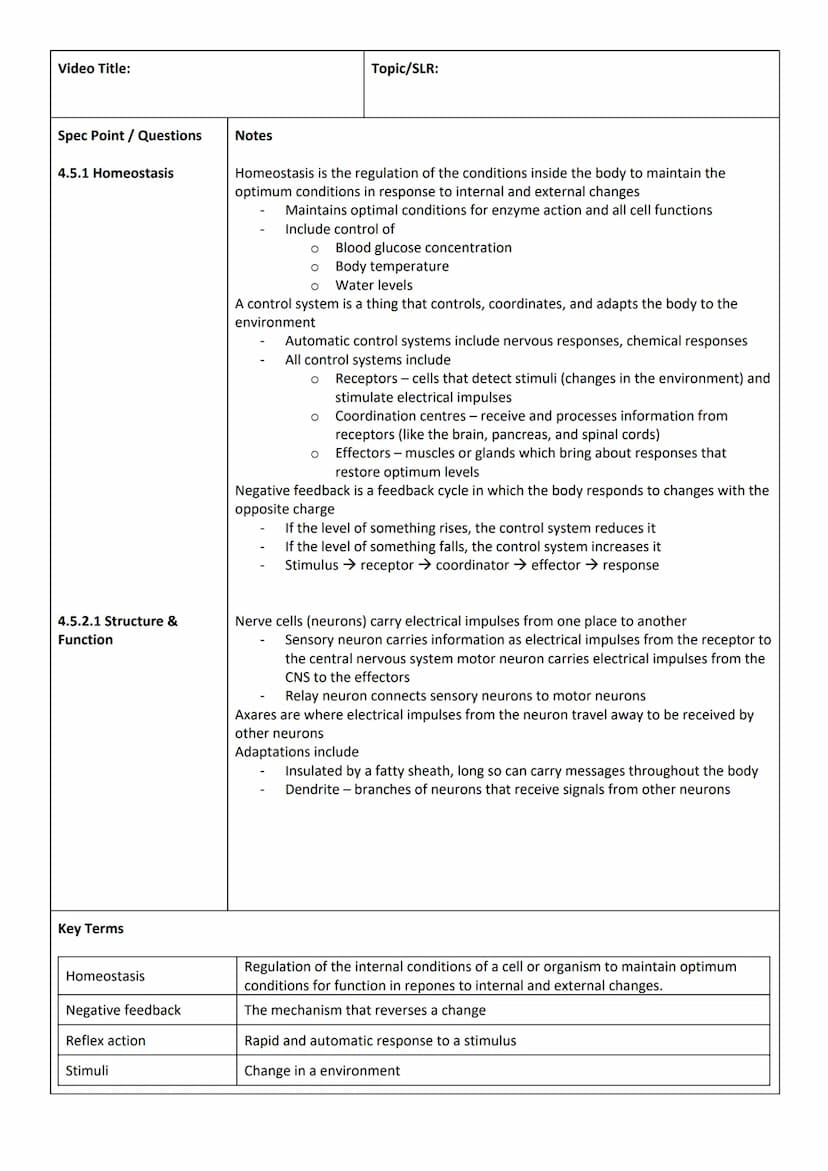
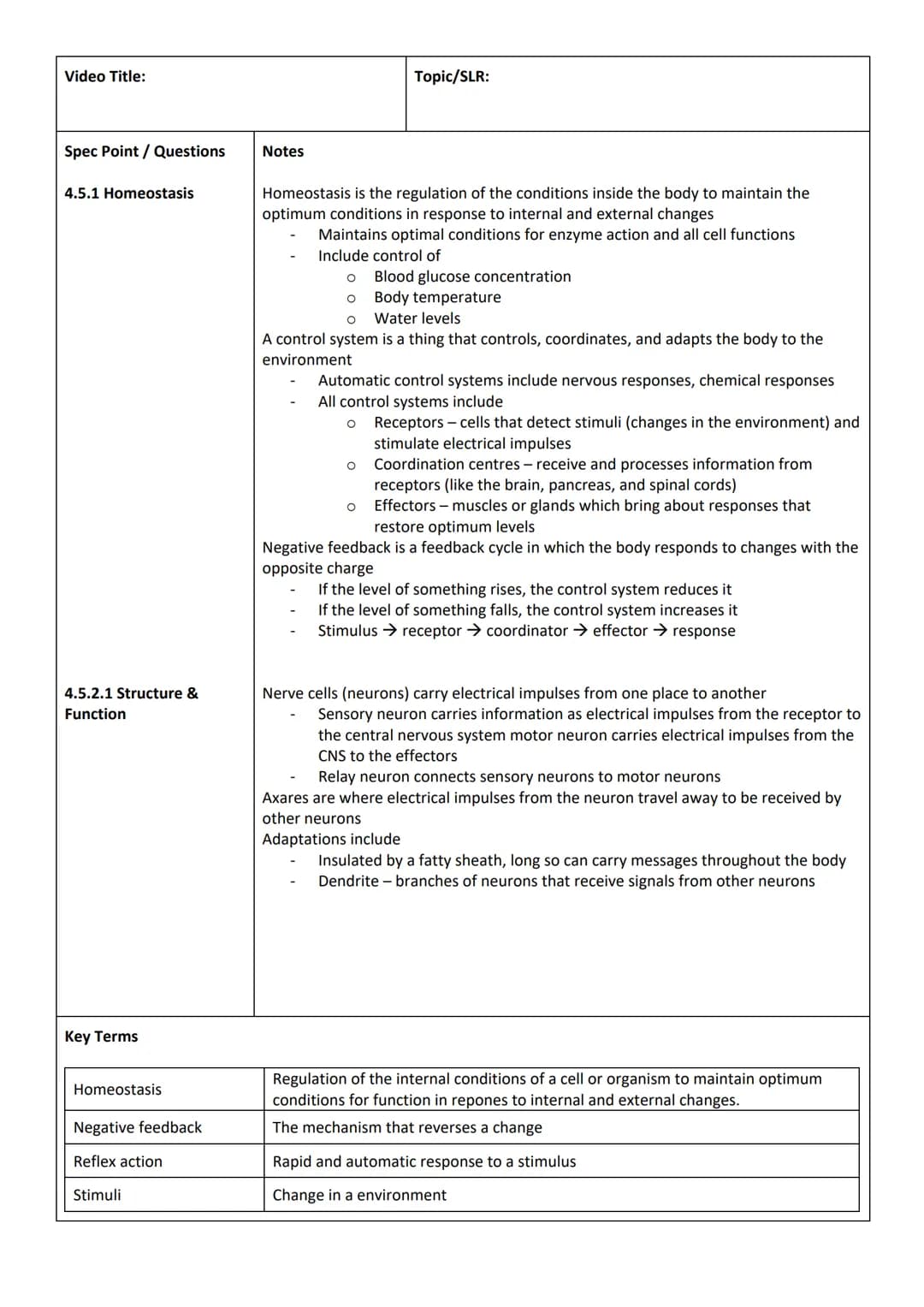
Homeostasis is a fundamental concept in Homeostasis GCSE Biology AQA Combined Science. It involves maintaining optimal internal conditions for proper cell function and enzyme activity. The body regulates three key factors: blood glucose concentration, body temperature, and water levels through automatic control systems.
The control system consists of three main components working together. Receptors detect environmental changes (stimuli) and generate electrical impulses. Coordination centers like the brain and pancreas process this information. Finally, effectors - either muscles or glands - create responses to restore optimal conditions through negative feedback loops.
Definition: Negative feedback is when the body responds to changes with opposing actions. If levels rise, the system reduces them; if levels fall, the system increases them.
Nerve cells (neurons) are specialized cells that carry electrical signals throughout the body. Three types of neurons work together: sensory neurons transmit information from receptors to the central nervous system, motor neurons carry signals from the CNS to effectors, and relay neurons connect sensory and motor neurons. Their structure includes key adaptations like insulating fatty sheaths and branching dendrites.
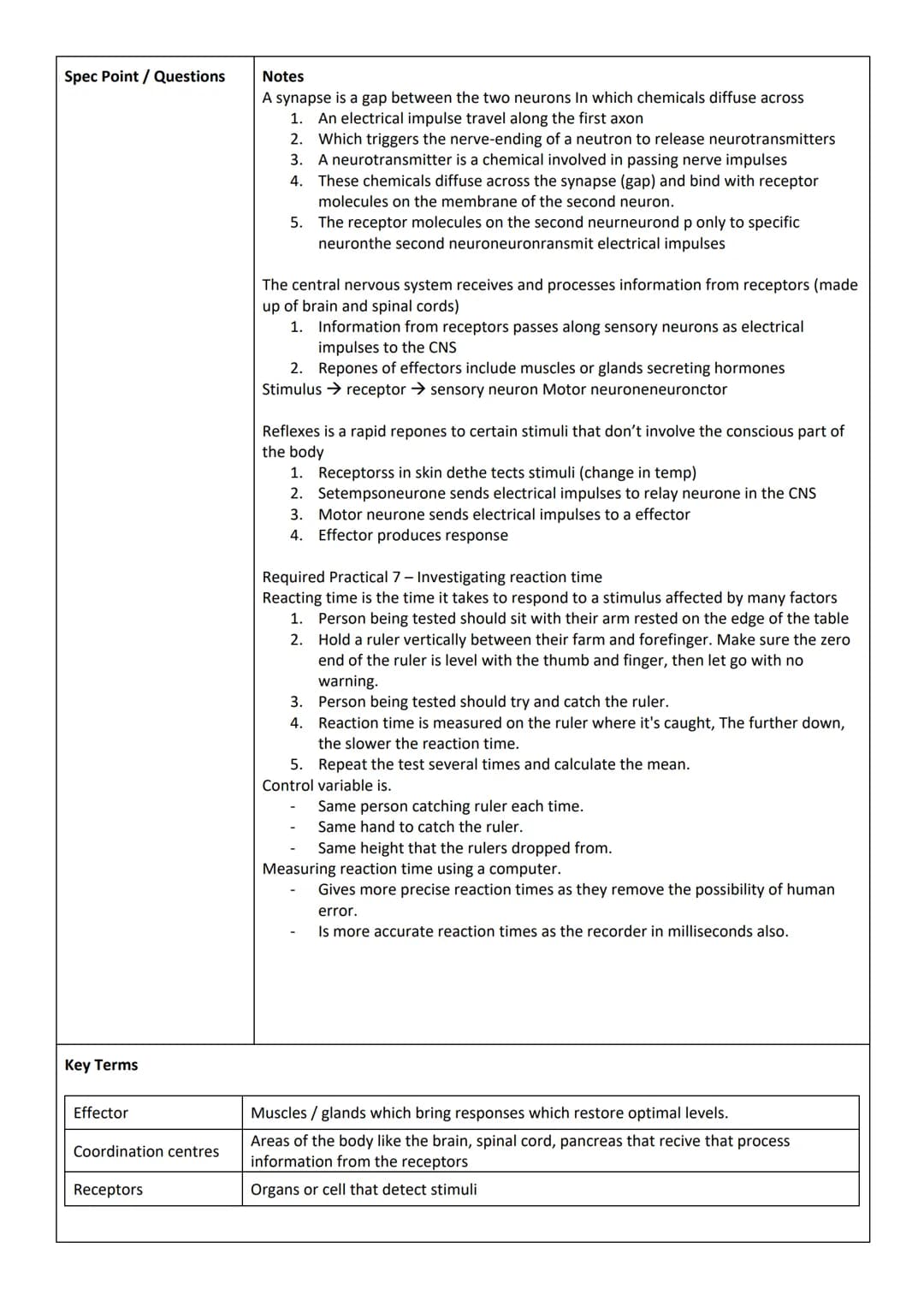
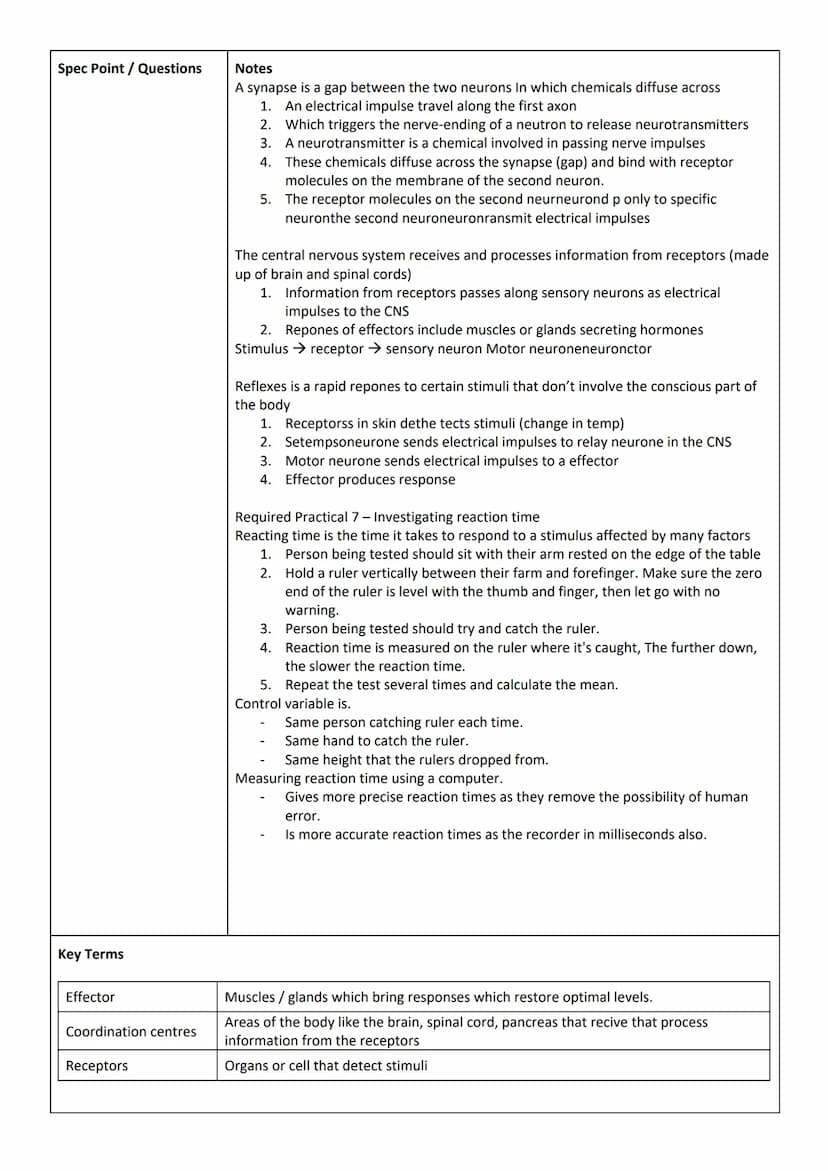
The nervous system relies on both electrical and chemical signaling at synapses - gaps between neurons where neurotransmitters facilitate communication. This process is crucial for GCSE Biology Homeostasis and response exam questions.
Example: When you touch something hot, receptors in your skin detect the stimulus, sending signals through sensory neurons to your spinal cord. Motor neurons then trigger muscle contraction to pull your hand away - all before conscious thought occurs.
Practical investigations of reaction time demonstrate these principles in action. In Required Practical 7, students measure response times to falling rulers, controlling variables like consistent hand position and drop height. Computer-based measurements provide more precise results in milliseconds.
Highlight: The central nervous system (CNS) coordinates all these responses through the brain and spinal cord, processing information from receptors and directing appropriate responses through effectors.
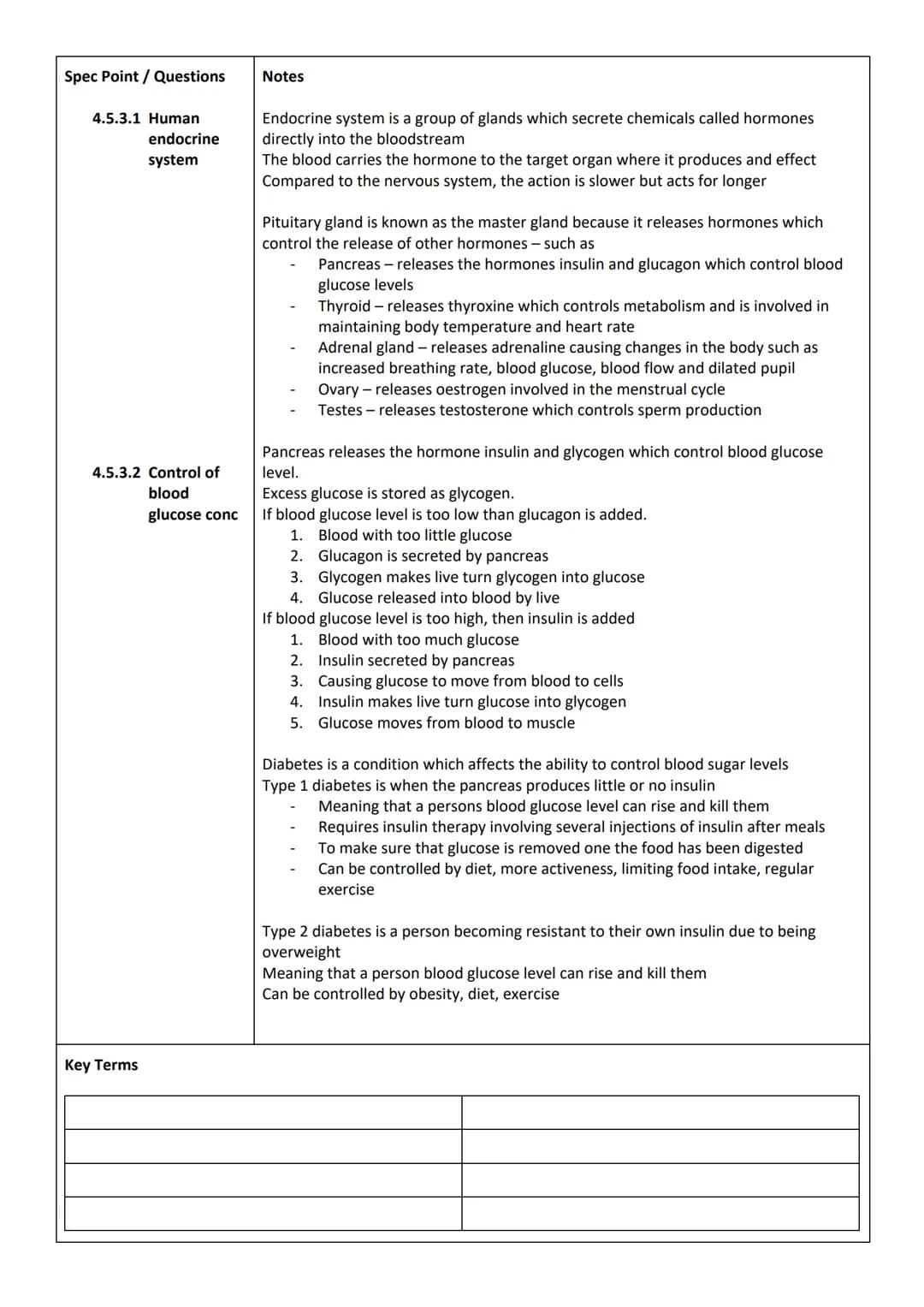
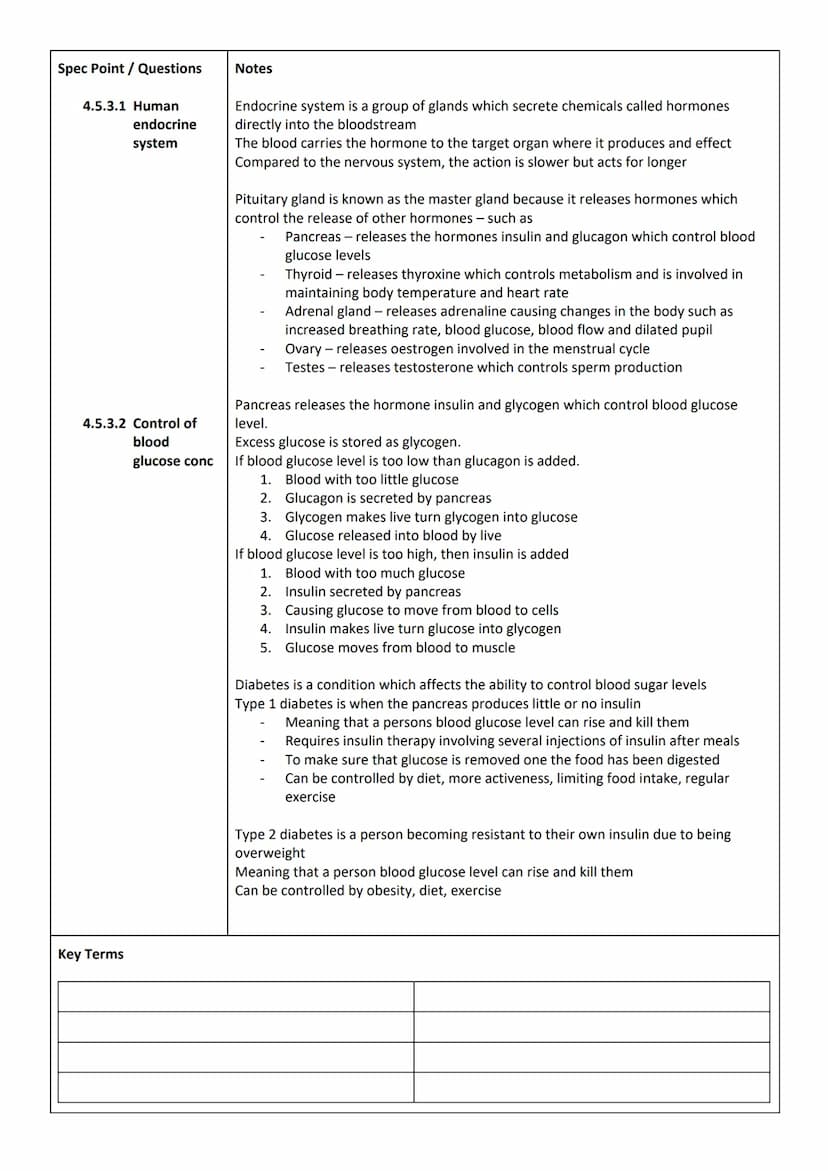
The endocrine system works alongside the nervous system in Homeostasis and response Combined Science, using hormones as chemical messengers. While slower than nerve impulses, hormonal effects last longer and affect target organs throughout the body.
The pancreas plays a crucial role in blood glucose regulation through insulin and glucagon. When blood glucose is high, insulin promotes glucose uptake by cells and storage as glycogen. When levels are low, glucagon triggers the liver to convert glycogen back to glucose.
Vocabulary: Diabetes occurs when this regulation fails - Type 1 involves insufficient insulin production, while Type 2 involves insulin resistance, often linked to obesity.
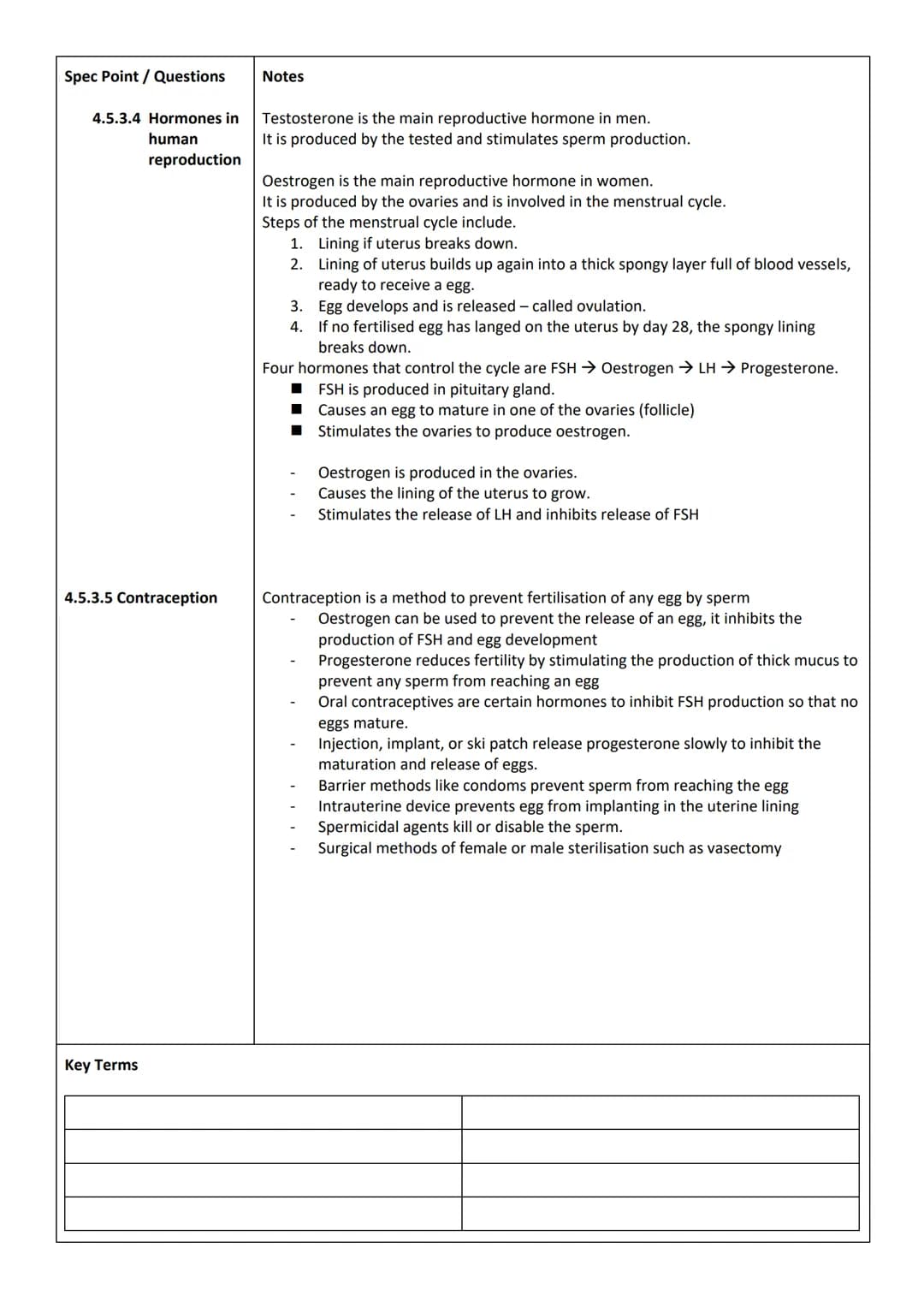
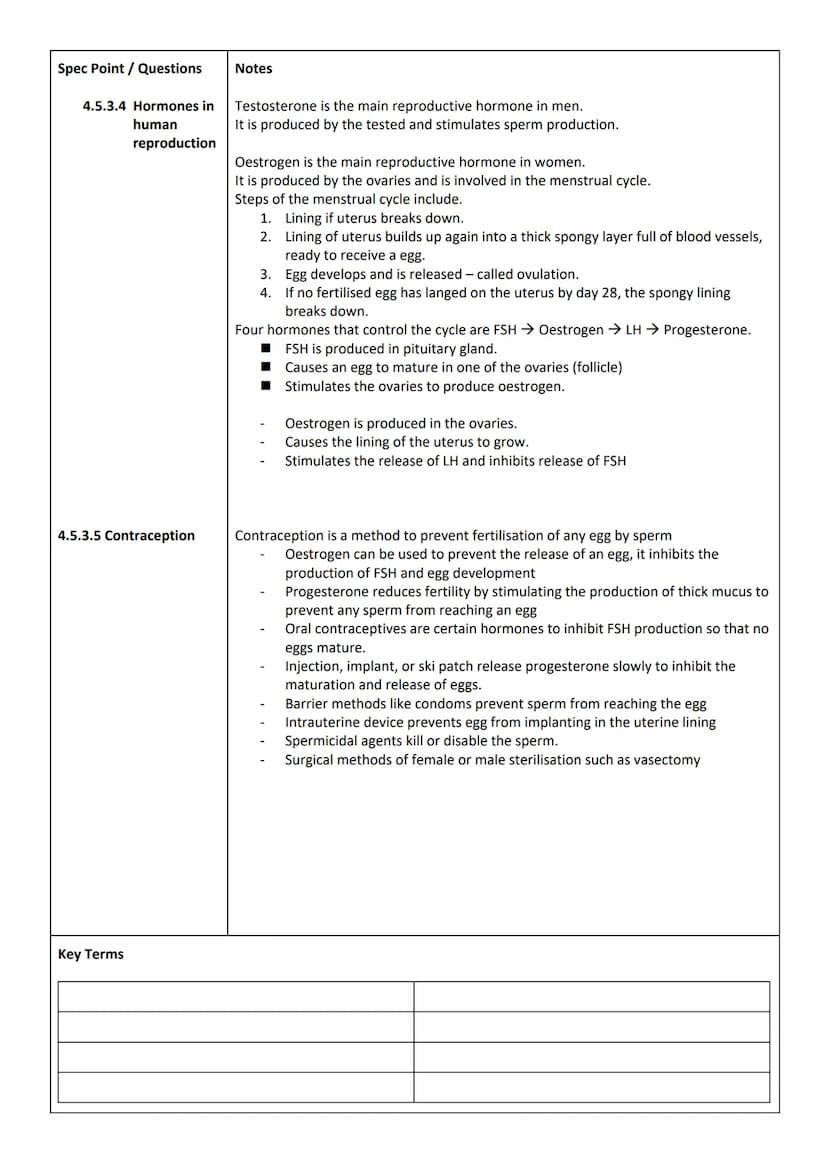
Understanding reproductive hormones is essential for AQA GCSE Biology Paper 2 revision notes pdf. Testosterone controls male reproduction and sperm production, while female reproduction involves multiple hormones coordinating the menstrual cycle.
The cycle involves FSH stimulating egg development, estrogen promoting uterine lining growth, LH triggering ovulation, and progesterone maintaining pregnancy conditions. This complex hormone interplay enables various contraception methods.
Definition: Contraception prevents pregnancy either by stopping egg and sperm meeting (barrier methods), preventing egg release (hormonal methods), or blocking implantation (intrauterine devices).
Various contraceptive options work by manipulating these hormonal pathways or creating physical barriers. Understanding these mechanisms helps explain their effectiveness and potential side effects.
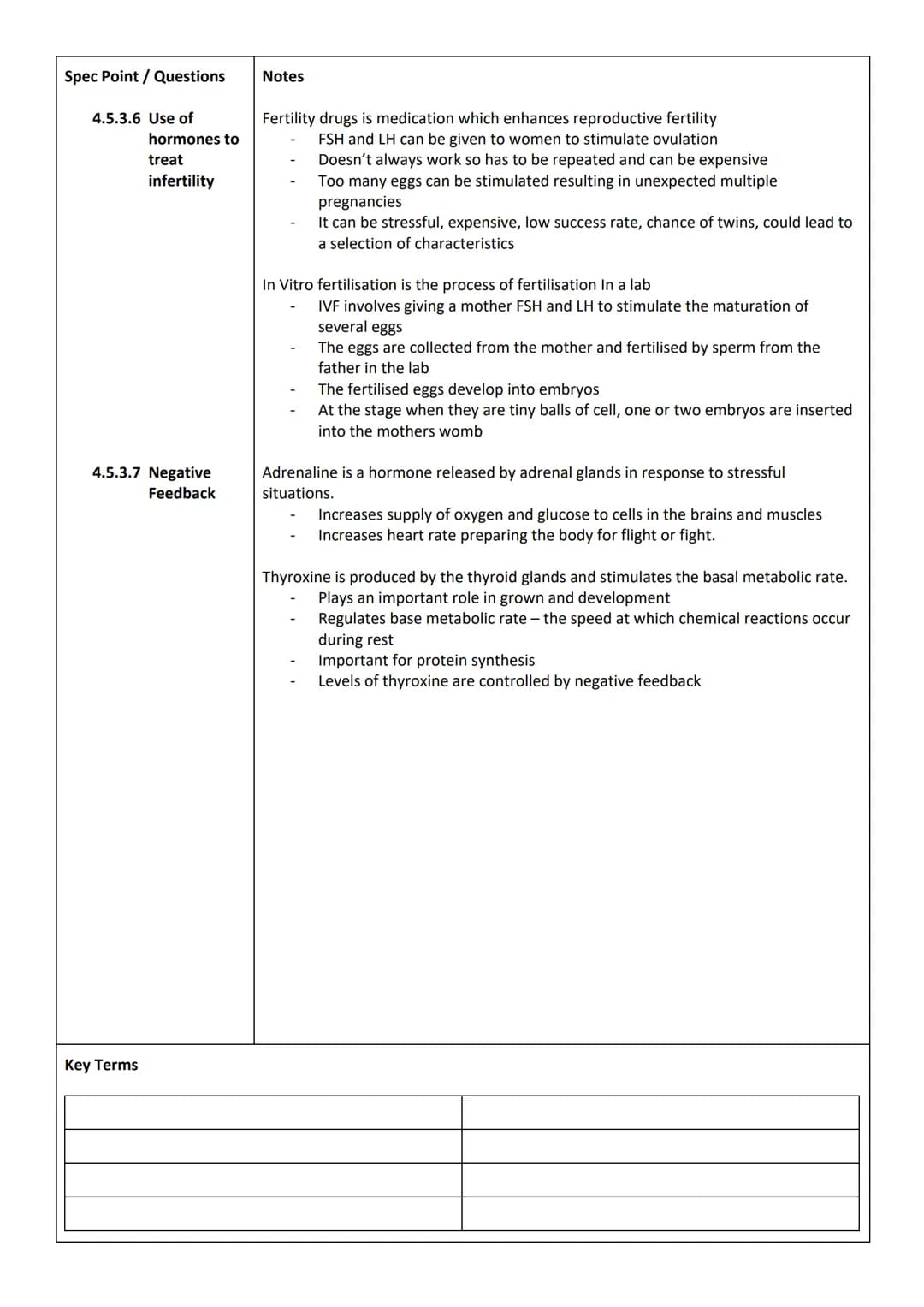
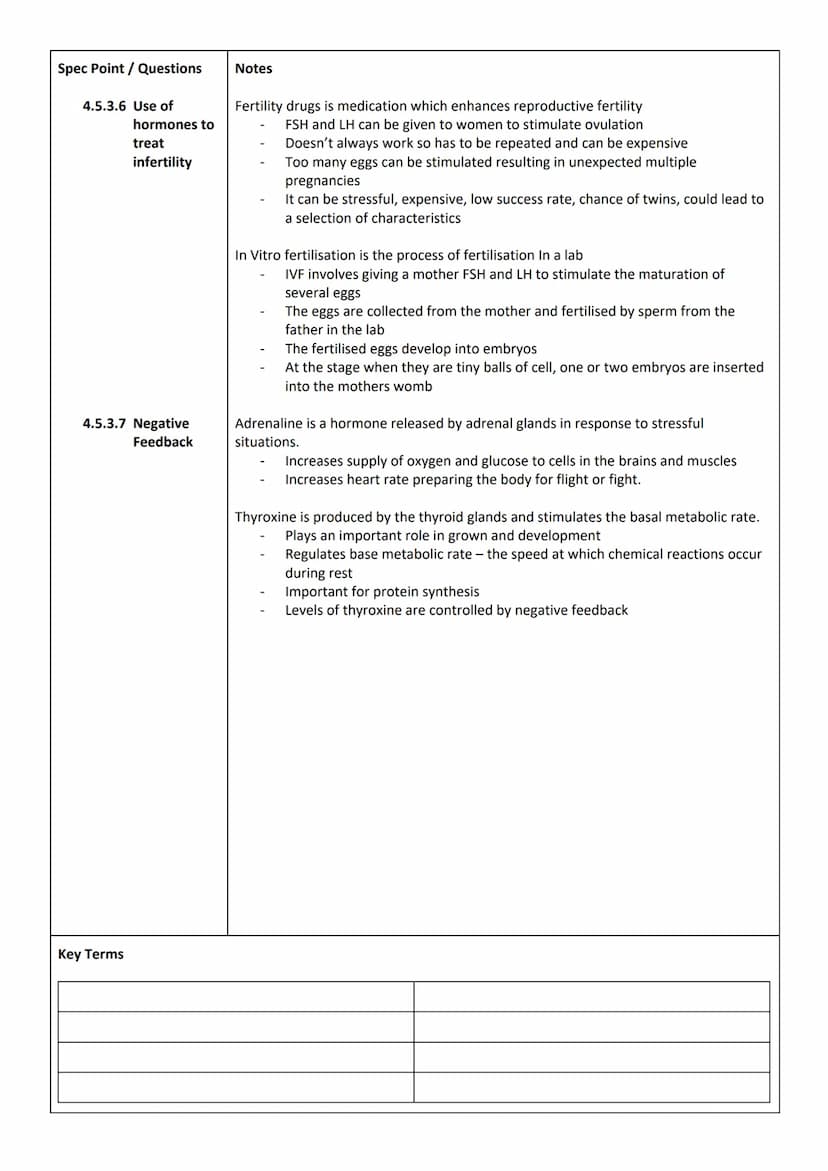
Hormonal treatments play a crucial role in managing fertility issues and maintaining body homeostasis. Homeostasis GCSE Biology AQA Combined Science covers essential concepts about how hormones regulate various bodily functions and their medical applications.
Fertility treatments utilize specific hormones like FSH (Follicle Stimulating Hormone) and LH (Luteinizing Hormone) to enhance reproductive capabilities. These treatments work by stimulating ovulation in women, though success rates vary. In Vitro Fertilization (IVF) represents a more complex fertility treatment where eggs are fertilized outside the body in laboratory conditions.
The body's stress response system relies heavily on adrenaline, released by the adrenal glands. This hormone prepares the body for "fight or flight" by increasing oxygen and glucose supply to vital organs. Similarly, thyroxine from the thyroid gland regulates metabolism and protein synthesis through negative feedback mechanisms.
Definition: Negative feedback is a biological control system where the output reduces the initial stimulus, helping maintain balance in body systems.
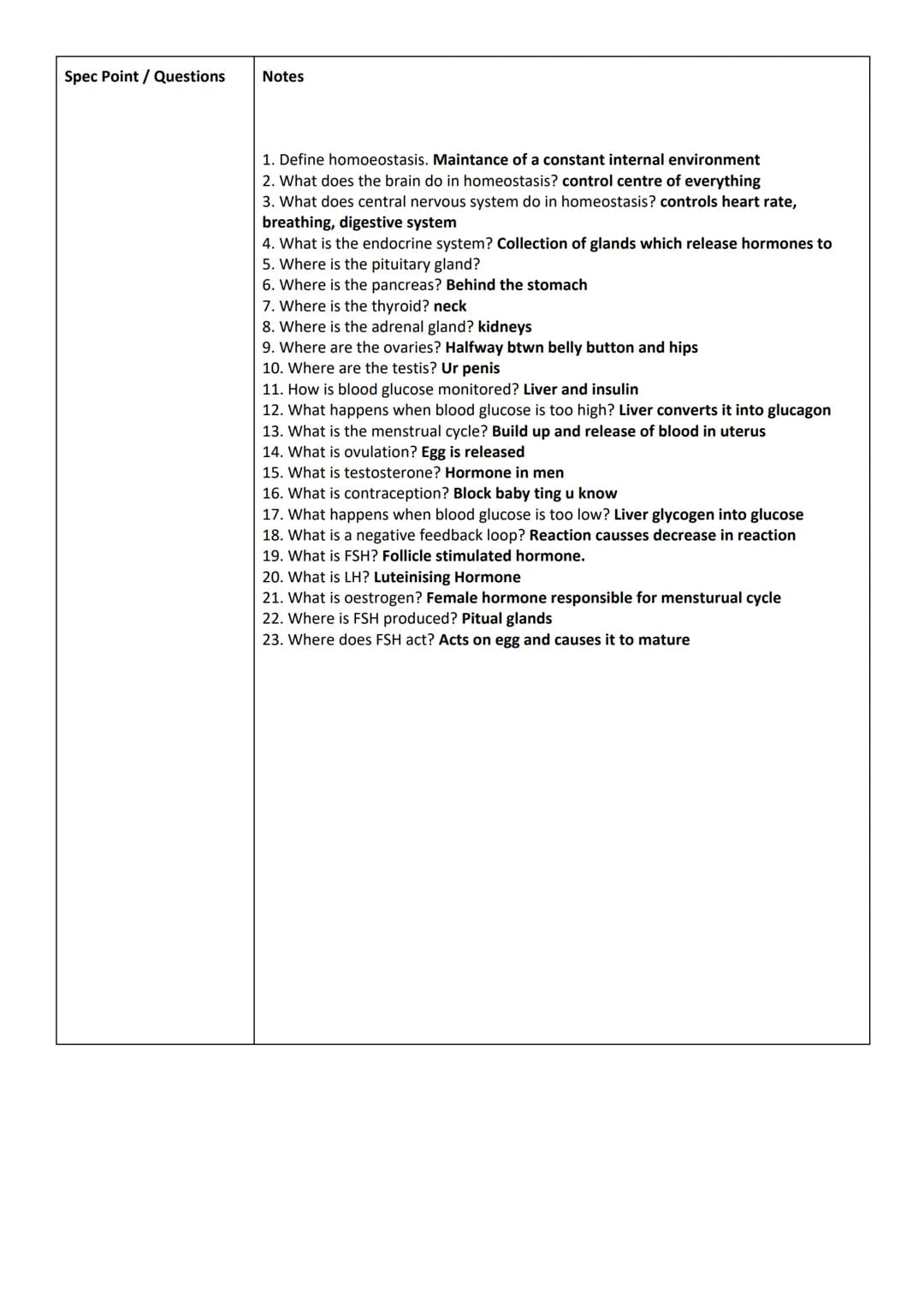
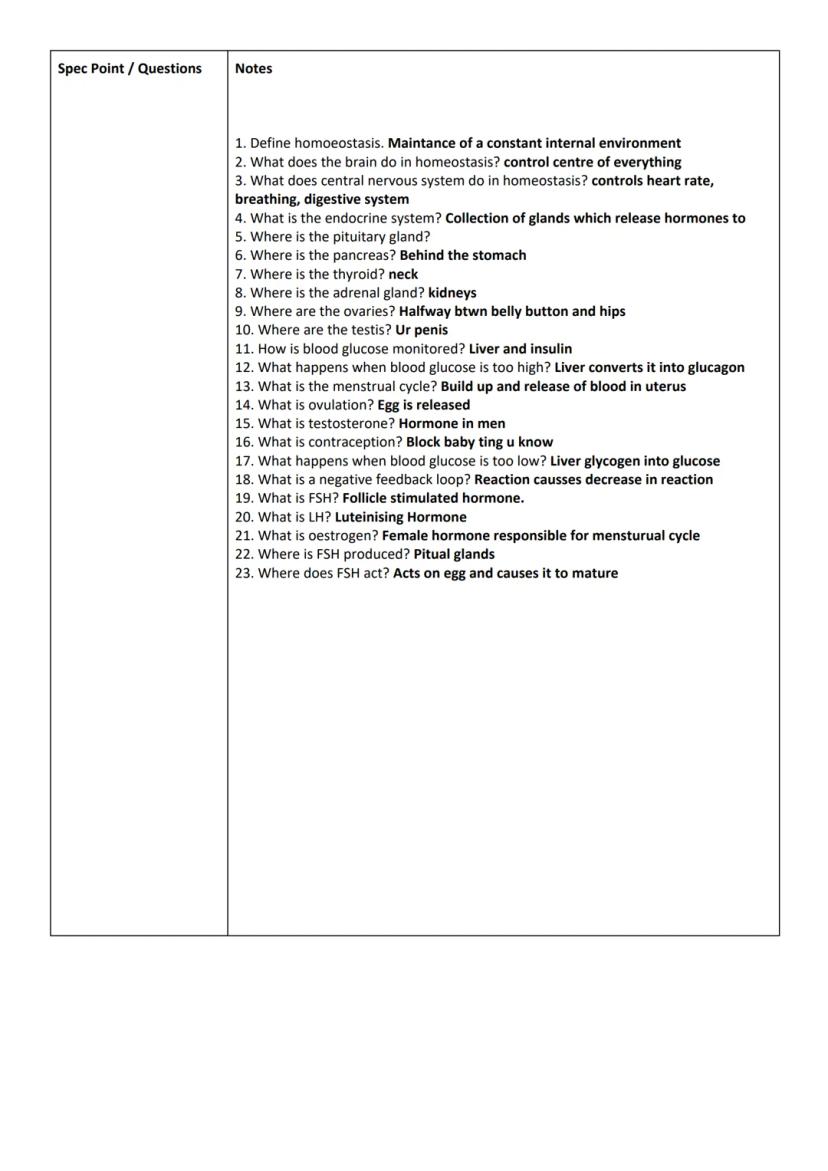
Homeostasis and response Combined Science examines how the body maintains stable internal conditions. The brain serves as the control center, working with the central nervous system to regulate vital functions like heart rate and breathing.
The endocrine system consists of specialized glands distributed throughout the body. These include the pituitary gland (often called the master gland), pancreas, thyroid, adrenal glands, and reproductive organs (ovaries in females, testes in males). Each gland produces specific hormones that regulate different body functions.
Highlight: The endocrine system works alongside the nervous system to maintain homeostasis through hormone secretion and feedback mechanisms.
Blood glucose regulation exemplifies homeostatic control, involving the liver and pancreatic hormones insulin and glucagon. When blood glucose levels rise too high, the liver converts excess glucose into glycogen for storage. Conversely, when levels fall too low, stored glycogen is converted back to glucose.
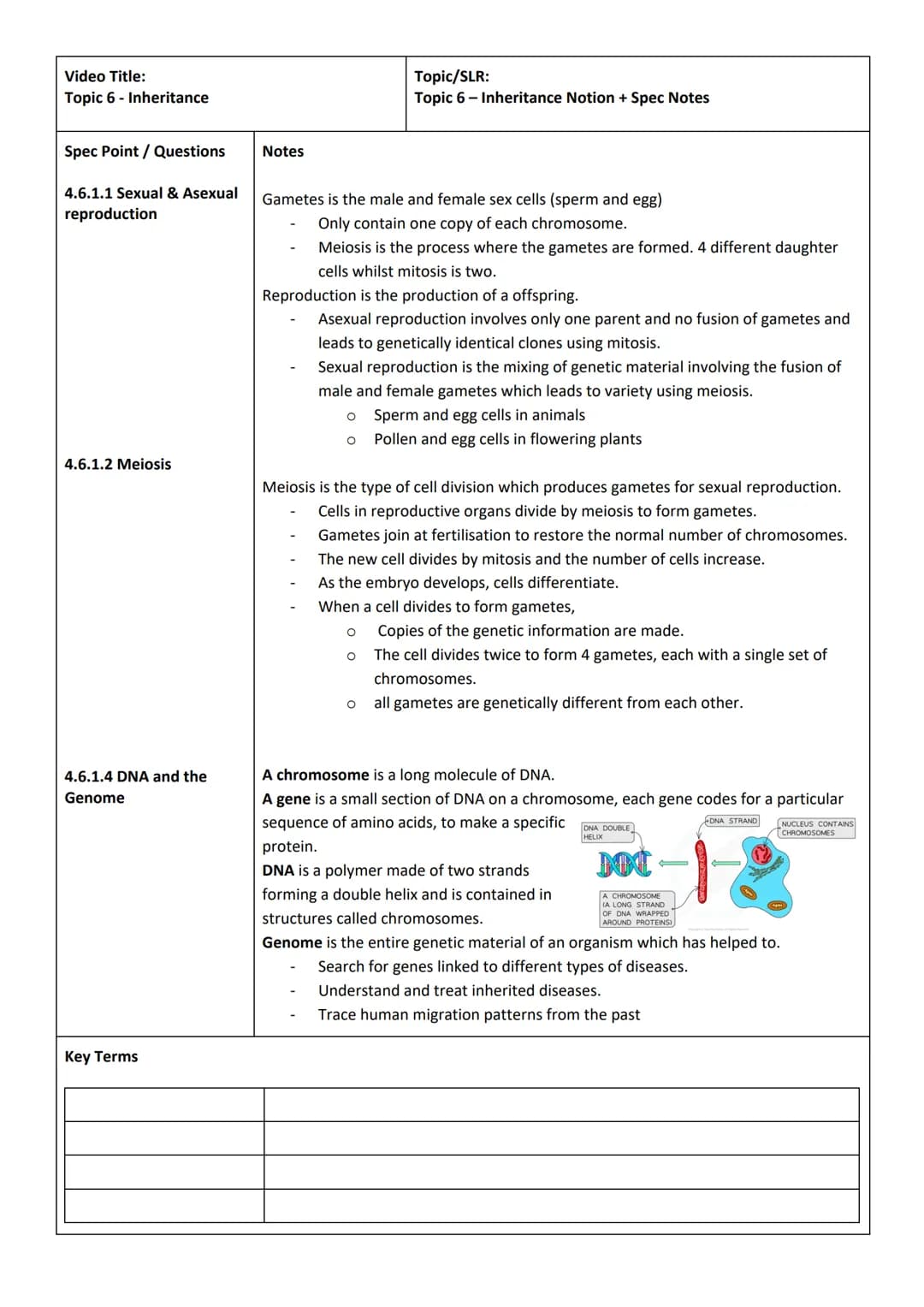
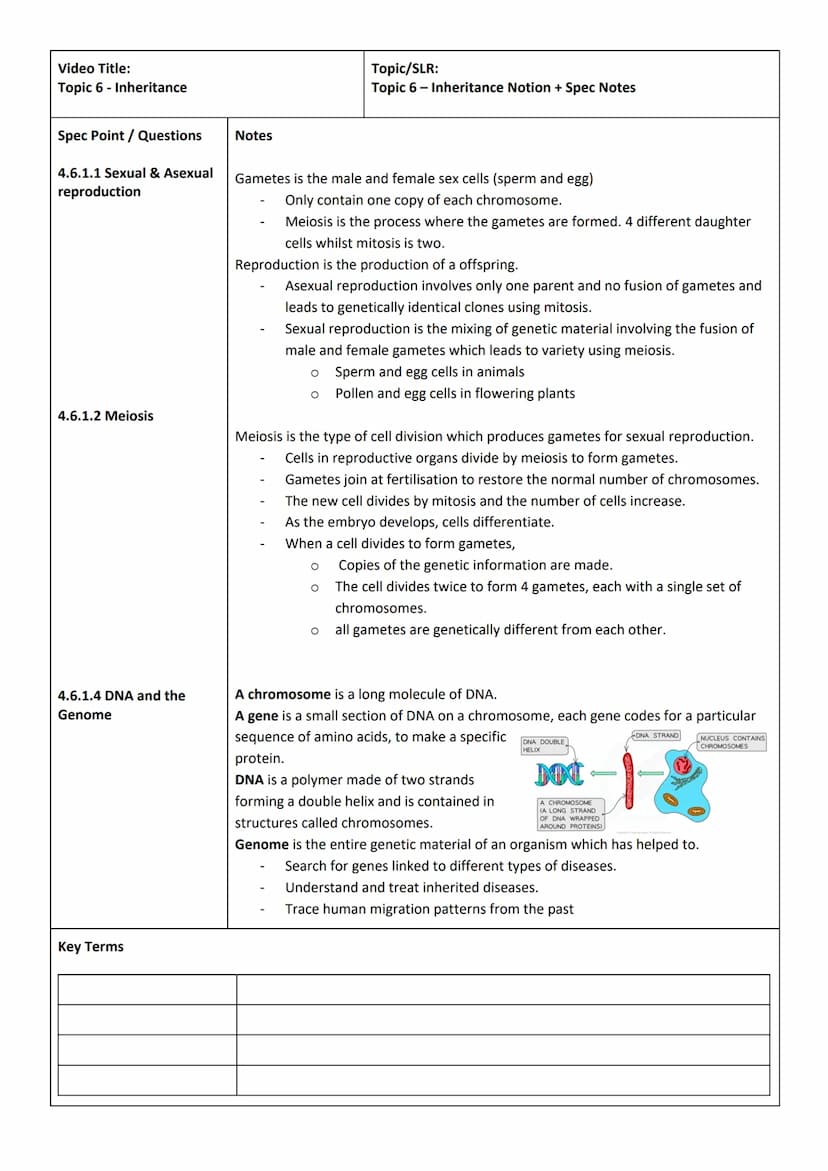
Cell Biology notes GCSE AQA covers crucial concepts about reproduction and genetic inheritance. Sexual reproduction involves the fusion of gametes (sex cells) formed through meiosis, while asexual reproduction produces genetically identical offspring through mitosis.
DNA, organized in chromosomes, carries genetic information. Each chromosome contains many genes, which code for specific proteins. The genome represents an organism's complete genetic material, helping scientists understand inherited diseases and human migration patterns.
Vocabulary: Meiosis produces four genetically different daughter cells, while mitosis produces two identical daughter cells.
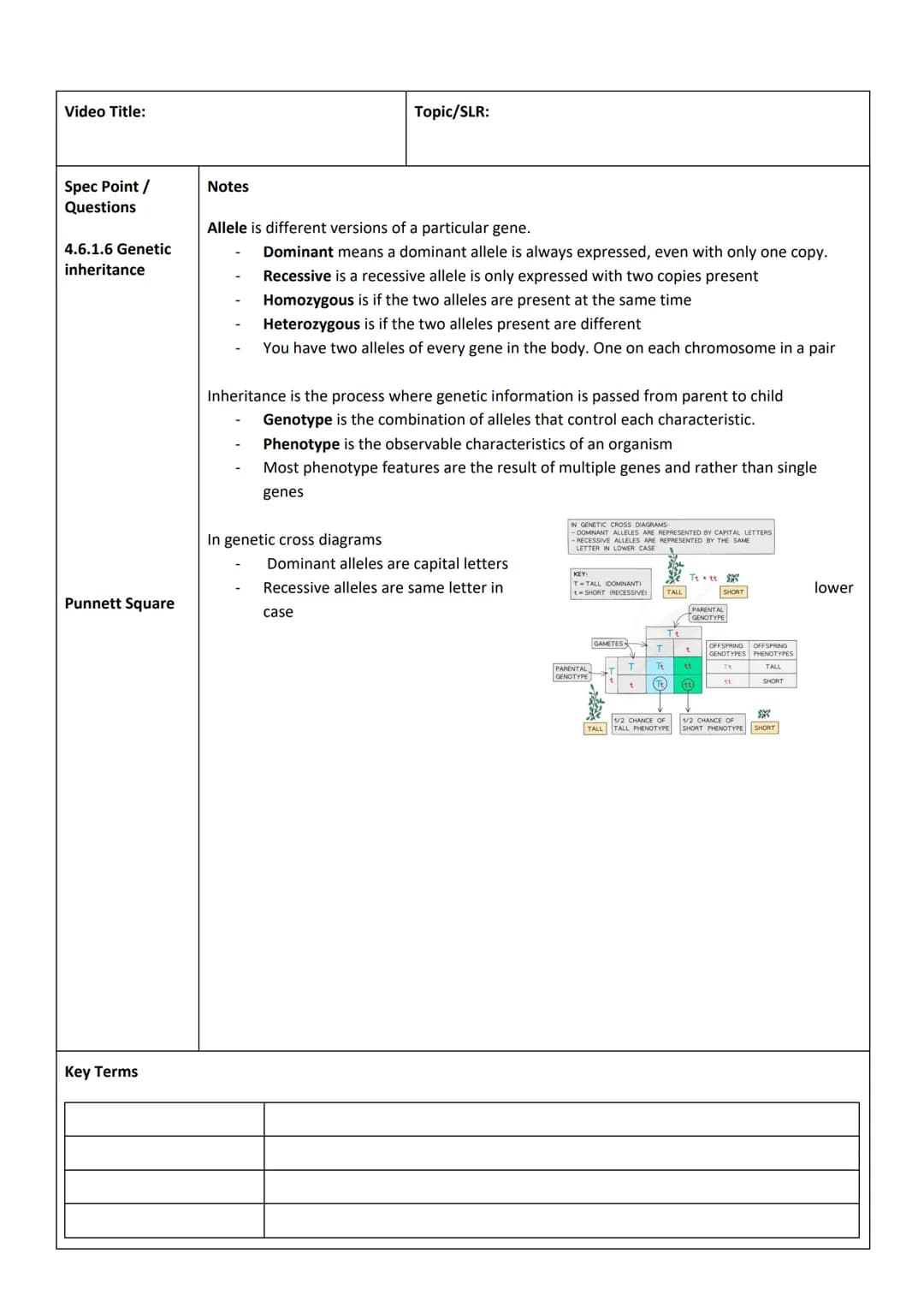
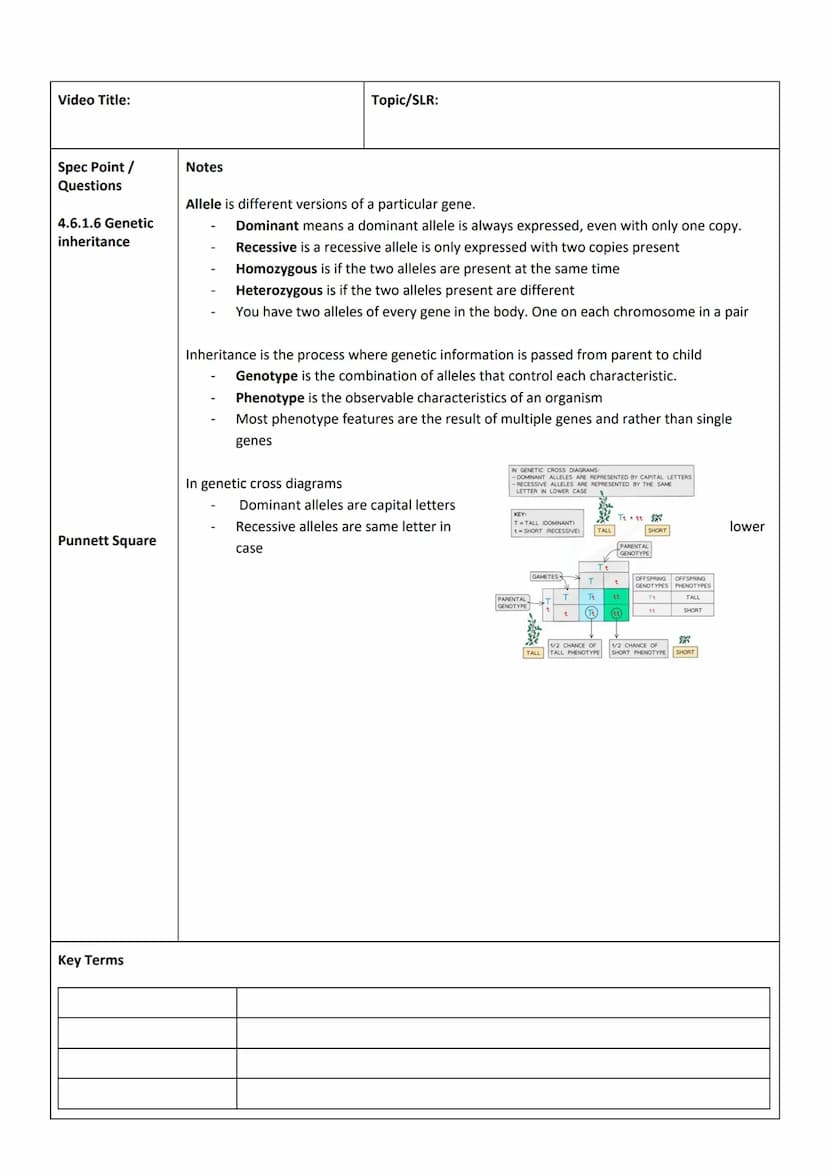
AQA GCSE Biology Paper 2 revision Notes foundation explains how genetic traits are passed from parents to offspring. Understanding alleles (different versions of genes) and their interactions (dominant vs. recessive) helps predict inheritance patterns using Punnett squares.
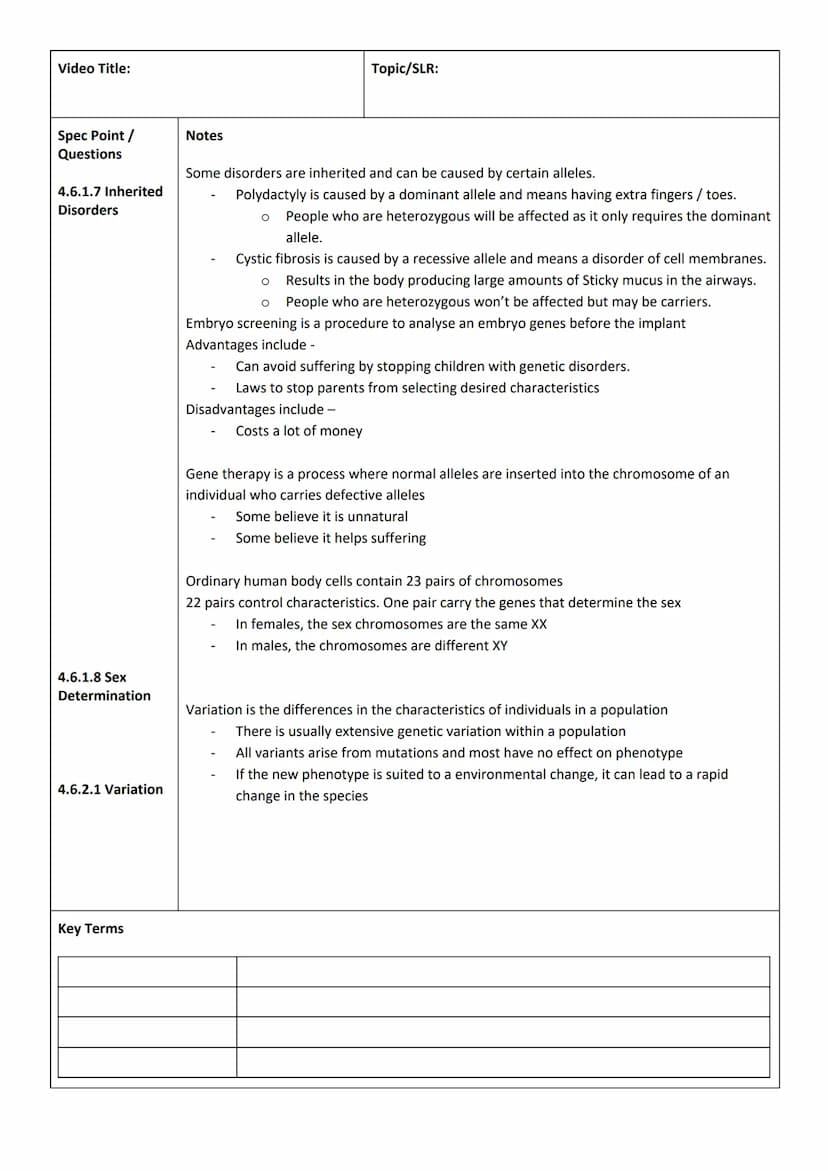
Inherited disorders like polydactyly (dominant) and cystic fibrosis (recessive) demonstrate how genetic conditions are transmitted. Modern techniques like embryo screening and gene therapy offer possibilities for managing genetic disorders, though these raise ethical considerations.
Example: In a Punnett square, capital letters represent dominant alleles (T for tall), while lowercase letters represent recessive alleles (t for short).
Sex determination in humans involves X and Y chromosomes, with females having XX chromosomes and males having XY chromosomes. Variation within populations arises from mutations, providing the basis for evolution when beneficial traits are selected by environmental pressures.
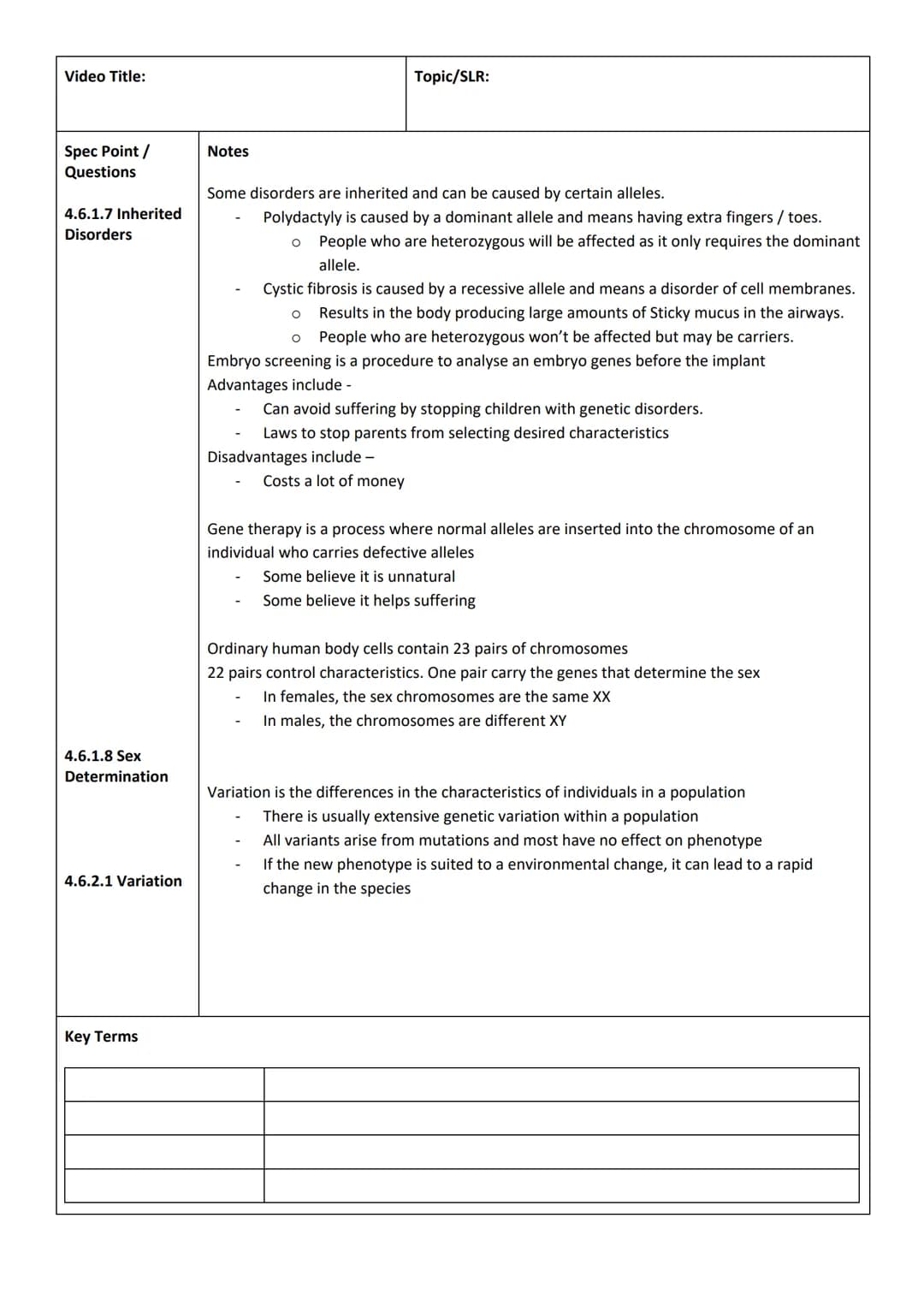
Natural variation forms the foundation of evolution and selective breeding, representing key concepts in AQA GCSE Biology Paper 2. Living organisms exhibit variations that arise from two primary sources: genetic inheritance and environmental conditions. These variations play a crucial role in both natural selection and artificial breeding programs.
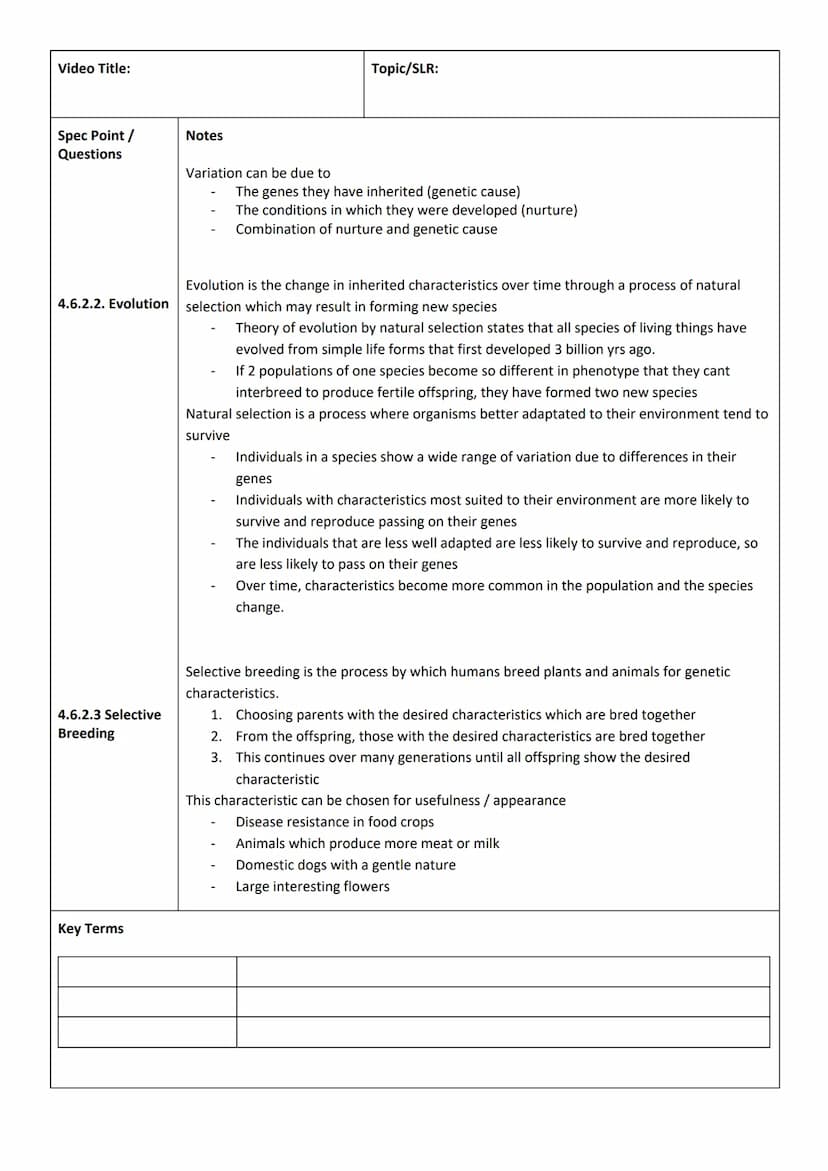
Definition: Evolution is the gradual change in inherited characteristics of populations over time through natural selection, potentially leading to the formation of new species. This process began approximately 3 billion years ago with simple life forms developing into the diverse species we see today.
Natural selection operates through a sophisticated mechanism where organisms better adapted to their environment have higher survival and reproduction rates. This process involves multiple factors working together: genetic variation within populations, environmental pressures, and differential survival rates. When organisms possess advantageous traits, they're more likely to survive and pass these beneficial genes to their offspring, gradually changing the population's genetic makeup.
Selective breeding represents human intervention in natural selection processes, allowing for the development of desired characteristics in plants and animals. This methodical process involves carefully choosing parent organisms with specific traits and breeding them over multiple generations. The applications are widespread, from developing disease-resistant crops to breeding livestock with enhanced meat or milk production capabilities.
Example: In dog breeding, humans have selected for specific traits like temperament and size, resulting in hundreds of distinct breeds. Each breed represents careful selection over many generations for particular characteristics, demonstrating how selective breeding can dramatically alter species characteristics over time.
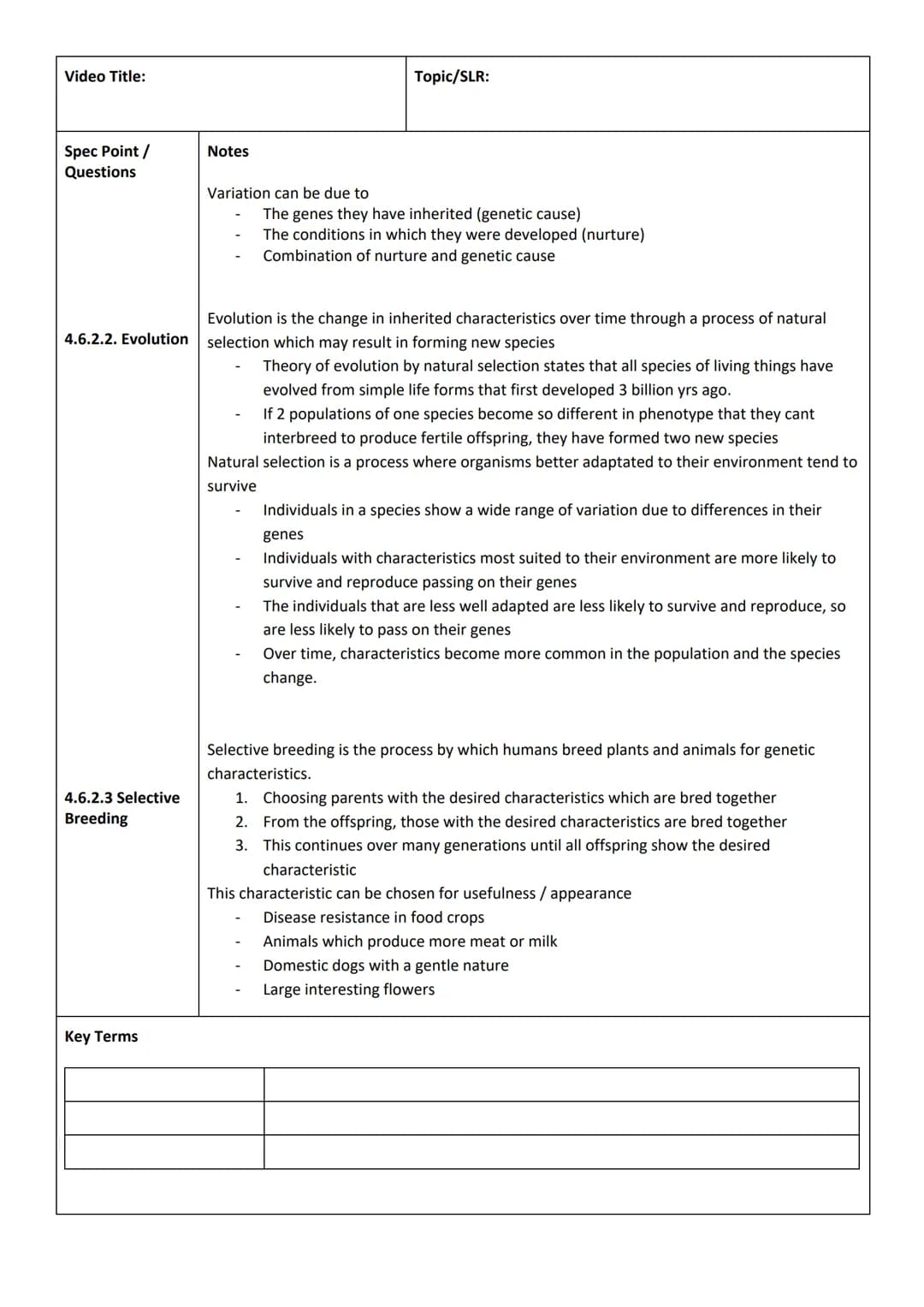
The principles of evolution and selective breeding have profound practical applications in modern agriculture and animal husbandry. Farmers and scientists utilize selective breeding to develop crops with improved yields, better nutritional content, and enhanced resistance to diseases and pests. This process has revolutionized food production and security worldwide.
Highlight: Key outcomes of selective breeding include:
Understanding the mechanisms of natural selection and evolution helps scientists predict and manage biological responses to environmental changes. This knowledge is particularly crucial in conservation biology and the management of endangered species. It also helps in understanding the development of antibiotic resistance in bacteria and the emergence of new pathogens.
The relationship between genetic inheritance and environmental factors (nature versus nurture) remains a central theme in biological studies. While genes provide the blueprint for potential characteristics, environmental conditions play a crucial role in how these genes are expressed. This interaction demonstrates the complexity of biological systems and the importance of considering both genetic and environmental factors in scientific studies.
Vocabulary: Phenotype refers to the physical characteristics of an organism, resulting from the interaction between its genes and the environment. When populations become so different in phenotype that they can no longer interbreed to produce fertile offspring, they have become separate species.
Our AI Companion is a student-focused AI tool that offers more than just answers. Built on millions of Knowunity resources, it provides relevant information, personalised study plans, quizzes, and content directly in the chat, adapting to your individual learning journey.
You can download the app from Google Play Store and Apple App Store.
That's right! Enjoy free access to study content, connect with fellow students, and get instant help – all at your fingertips.
App Store
Google Play
The app is very easy to use and well designed. I have found everything I was looking for so far and have been able to learn a lot from the presentations! I will definitely use the app for a class assignment! And of course it also helps a lot as an inspiration.
Stefan S
iOS user
This app is really great. There are so many study notes and help [...]. My problem subject is French, for example, and the app has so many options for help. Thanks to this app, I have improved my French. I would recommend it to anyone.
Samantha Klich
Android user
Wow, I am really amazed. I just tried the app because I've seen it advertised many times and was absolutely stunned. This app is THE HELP you want for school and above all, it offers so many things, such as workouts and fact sheets, which have been VERY helpful to me personally.
Anna
iOS user
Best app on earth! no words because it’s too good
Thomas R
iOS user
Just amazing. Let's me revise 10x better, this app is a quick 10/10. I highly recommend it to anyone. I can watch and search for notes. I can save them in the subject folder. I can revise it any time when I come back. If you haven't tried this app, you're really missing out.
Basil
Android user
This app has made me feel so much more confident in my exam prep, not only through boosting my own self confidence through the features that allow you to connect with others and feel less alone, but also through the way the app itself is centred around making you feel better. It is easy to navigate, fun to use, and helpful to anyone struggling in absolutely any way.
David K
iOS user
The app's just great! All I have to do is enter the topic in the search bar and I get the response real fast. I don't have to watch 10 YouTube videos to understand something, so I'm saving my time. Highly recommended!
Sudenaz Ocak
Android user
In school I was really bad at maths but thanks to the app, I am doing better now. I am so grateful that you made the app.
Greenlight Bonnie
Android user
very reliable app to help and grow your ideas of Maths, English and other related topics in your works. please use this app if your struggling in areas, this app is key for that. wish I'd of done a review before. and it's also free so don't worry about that.
Rohan U
Android user
I know a lot of apps use fake accounts to boost their reviews but this app deserves it all. Originally I was getting 4 in my English exams and this time I got a grade 7. I didn’t even know about this app three days until the exam and it has helped A LOT. Please actually trust me and use it as I’m sure you too will see developments.
Xander S
iOS user
THE QUIZES AND FLASHCARDS ARE SO USEFUL AND I LOVE Knowunity AI. IT ALSO IS LITREALLY LIKE CHATGPT BUT SMARTER!! HELPED ME WITH MY MASCARA PROBLEMS TOO!! AS WELL AS MY REAL SUBJECTS ! DUHHH 😍😁😲🤑💗✨🎀😮
Elisha
iOS user
This apps acc the goat. I find revision so boring but this app makes it so easy to organize it all and then you can ask the freeeee ai to test yourself so good and you can easily upload your own stuff. highly recommend as someone taking mocks now
Paul T
iOS user
The app is very easy to use and well designed. I have found everything I was looking for so far and have been able to learn a lot from the presentations! I will definitely use the app for a class assignment! And of course it also helps a lot as an inspiration.
Stefan S
iOS user
This app is really great. There are so many study notes and help [...]. My problem subject is French, for example, and the app has so many options for help. Thanks to this app, I have improved my French. I would recommend it to anyone.
Samantha Klich
Android user
Wow, I am really amazed. I just tried the app because I've seen it advertised many times and was absolutely stunned. This app is THE HELP you want for school and above all, it offers so many things, such as workouts and fact sheets, which have been VERY helpful to me personally.
Anna
iOS user
Best app on earth! no words because it’s too good
Thomas R
iOS user
Just amazing. Let's me revise 10x better, this app is a quick 10/10. I highly recommend it to anyone. I can watch and search for notes. I can save them in the subject folder. I can revise it any time when I come back. If you haven't tried this app, you're really missing out.
Basil
Android user
This app has made me feel so much more confident in my exam prep, not only through boosting my own self confidence through the features that allow you to connect with others and feel less alone, but also through the way the app itself is centred around making you feel better. It is easy to navigate, fun to use, and helpful to anyone struggling in absolutely any way.
David K
iOS user
The app's just great! All I have to do is enter the topic in the search bar and I get the response real fast. I don't have to watch 10 YouTube videos to understand something, so I'm saving my time. Highly recommended!
Sudenaz Ocak
Android user
In school I was really bad at maths but thanks to the app, I am doing better now. I am so grateful that you made the app.
Greenlight Bonnie
Android user
very reliable app to help and grow your ideas of Maths, English and other related topics in your works. please use this app if your struggling in areas, this app is key for that. wish I'd of done a review before. and it's also free so don't worry about that.
Rohan U
Android user
I know a lot of apps use fake accounts to boost their reviews but this app deserves it all. Originally I was getting 4 in my English exams and this time I got a grade 7. I didn’t even know about this app three days until the exam and it has helped A LOT. Please actually trust me and use it as I’m sure you too will see developments.
Xander S
iOS user
THE QUIZES AND FLASHCARDS ARE SO USEFUL AND I LOVE Knowunity AI. IT ALSO IS LITREALLY LIKE CHATGPT BUT SMARTER!! HELPED ME WITH MY MASCARA PROBLEMS TOO!! AS WELL AS MY REAL SUBJECTS ! DUHHH 😍😁😲🤑💗✨🎀😮
Elisha
iOS user
This apps acc the goat. I find revision so boring but this app makes it so easy to organize it all and then you can ask the freeeee ai to test yourself so good and you can easily upload your own stuff. highly recommend as someone taking mocks now
Paul T
iOS user
Dobby
@dobby2468
Understanding Homeostasis and response Combined Science is crucial for success in AQA GCSE Biology Paper 2.
Homeostasis is the body's ability to maintain optimal internal conditions despite external changes. This complex system involves multiple organs and processes working together... Show more
Access to all documents
Improve your grades
Join milions of students
Homeostasis is a fundamental concept in Homeostasis GCSE Biology AQA Combined Science. It involves maintaining optimal internal conditions for proper cell function and enzyme activity. The body regulates three key factors: blood glucose concentration, body temperature, and water levels through automatic control systems.
The control system consists of three main components working together. Receptors detect environmental changes (stimuli) and generate electrical impulses. Coordination centers like the brain and pancreas process this information. Finally, effectors - either muscles or glands - create responses to restore optimal conditions through negative feedback loops.
Definition: Negative feedback is when the body responds to changes with opposing actions. If levels rise, the system reduces them; if levels fall, the system increases them.
Nerve cells (neurons) are specialized cells that carry electrical signals throughout the body. Three types of neurons work together: sensory neurons transmit information from receptors to the central nervous system, motor neurons carry signals from the CNS to effectors, and relay neurons connect sensory and motor neurons. Their structure includes key adaptations like insulating fatty sheaths and branching dendrites.
Access to all documents
Improve your grades
Join milions of students
The nervous system relies on both electrical and chemical signaling at synapses - gaps between neurons where neurotransmitters facilitate communication. This process is crucial for GCSE Biology Homeostasis and response exam questions.
Example: When you touch something hot, receptors in your skin detect the stimulus, sending signals through sensory neurons to your spinal cord. Motor neurons then trigger muscle contraction to pull your hand away - all before conscious thought occurs.
Practical investigations of reaction time demonstrate these principles in action. In Required Practical 7, students measure response times to falling rulers, controlling variables like consistent hand position and drop height. Computer-based measurements provide more precise results in milliseconds.
Highlight: The central nervous system (CNS) coordinates all these responses through the brain and spinal cord, processing information from receptors and directing appropriate responses through effectors.
Access to all documents
Improve your grades
Join milions of students
The endocrine system works alongside the nervous system in Homeostasis and response Combined Science, using hormones as chemical messengers. While slower than nerve impulses, hormonal effects last longer and affect target organs throughout the body.
The pancreas plays a crucial role in blood glucose regulation through insulin and glucagon. When blood glucose is high, insulin promotes glucose uptake by cells and storage as glycogen. When levels are low, glucagon triggers the liver to convert glycogen back to glucose.
Vocabulary: Diabetes occurs when this regulation fails - Type 1 involves insufficient insulin production, while Type 2 involves insulin resistance, often linked to obesity.
Access to all documents
Improve your grades
Join milions of students
Understanding reproductive hormones is essential for AQA GCSE Biology Paper 2 revision notes pdf. Testosterone controls male reproduction and sperm production, while female reproduction involves multiple hormones coordinating the menstrual cycle.
The cycle involves FSH stimulating egg development, estrogen promoting uterine lining growth, LH triggering ovulation, and progesterone maintaining pregnancy conditions. This complex hormone interplay enables various contraception methods.
Definition: Contraception prevents pregnancy either by stopping egg and sperm meeting (barrier methods), preventing egg release (hormonal methods), or blocking implantation (intrauterine devices).
Various contraceptive options work by manipulating these hormonal pathways or creating physical barriers. Understanding these mechanisms helps explain their effectiveness and potential side effects.
Access to all documents
Improve your grades
Join milions of students
Hormonal treatments play a crucial role in managing fertility issues and maintaining body homeostasis. Homeostasis GCSE Biology AQA Combined Science covers essential concepts about how hormones regulate various bodily functions and their medical applications.
Fertility treatments utilize specific hormones like FSH (Follicle Stimulating Hormone) and LH (Luteinizing Hormone) to enhance reproductive capabilities. These treatments work by stimulating ovulation in women, though success rates vary. In Vitro Fertilization (IVF) represents a more complex fertility treatment where eggs are fertilized outside the body in laboratory conditions.
The body's stress response system relies heavily on adrenaline, released by the adrenal glands. This hormone prepares the body for "fight or flight" by increasing oxygen and glucose supply to vital organs. Similarly, thyroxine from the thyroid gland regulates metabolism and protein synthesis through negative feedback mechanisms.
Definition: Negative feedback is a biological control system where the output reduces the initial stimulus, helping maintain balance in body systems.
Access to all documents
Improve your grades
Join milions of students
Homeostasis and response Combined Science examines how the body maintains stable internal conditions. The brain serves as the control center, working with the central nervous system to regulate vital functions like heart rate and breathing.
The endocrine system consists of specialized glands distributed throughout the body. These include the pituitary gland (often called the master gland), pancreas, thyroid, adrenal glands, and reproductive organs (ovaries in females, testes in males). Each gland produces specific hormones that regulate different body functions.
Highlight: The endocrine system works alongside the nervous system to maintain homeostasis through hormone secretion and feedback mechanisms.
Blood glucose regulation exemplifies homeostatic control, involving the liver and pancreatic hormones insulin and glucagon. When blood glucose levels rise too high, the liver converts excess glucose into glycogen for storage. Conversely, when levels fall too low, stored glycogen is converted back to glucose.
Access to all documents
Improve your grades
Join milions of students
Cell Biology notes GCSE AQA covers crucial concepts about reproduction and genetic inheritance. Sexual reproduction involves the fusion of gametes (sex cells) formed through meiosis, while asexual reproduction produces genetically identical offspring through mitosis.
DNA, organized in chromosomes, carries genetic information. Each chromosome contains many genes, which code for specific proteins. The genome represents an organism's complete genetic material, helping scientists understand inherited diseases and human migration patterns.
Vocabulary: Meiosis produces four genetically different daughter cells, while mitosis produces two identical daughter cells.
Access to all documents
Improve your grades
Join milions of students
AQA GCSE Biology Paper 2 revision Notes foundation explains how genetic traits are passed from parents to offspring. Understanding alleles (different versions of genes) and their interactions (dominant vs. recessive) helps predict inheritance patterns using Punnett squares.
Inherited disorders like polydactyly (dominant) and cystic fibrosis (recessive) demonstrate how genetic conditions are transmitted. Modern techniques like embryo screening and gene therapy offer possibilities for managing genetic disorders, though these raise ethical considerations.
Example: In a Punnett square, capital letters represent dominant alleles (T for tall), while lowercase letters represent recessive alleles (t for short).
Sex determination in humans involves X and Y chromosomes, with females having XX chromosomes and males having XY chromosomes. Variation within populations arises from mutations, providing the basis for evolution when beneficial traits are selected by environmental pressures.
Access to all documents
Improve your grades
Join milions of students
Natural variation forms the foundation of evolution and selective breeding, representing key concepts in AQA GCSE Biology Paper 2. Living organisms exhibit variations that arise from two primary sources: genetic inheritance and environmental conditions. These variations play a crucial role in both natural selection and artificial breeding programs.
Definition: Evolution is the gradual change in inherited characteristics of populations over time through natural selection, potentially leading to the formation of new species. This process began approximately 3 billion years ago with simple life forms developing into the diverse species we see today.
Natural selection operates through a sophisticated mechanism where organisms better adapted to their environment have higher survival and reproduction rates. This process involves multiple factors working together: genetic variation within populations, environmental pressures, and differential survival rates. When organisms possess advantageous traits, they're more likely to survive and pass these beneficial genes to their offspring, gradually changing the population's genetic makeup.
Selective breeding represents human intervention in natural selection processes, allowing for the development of desired characteristics in plants and animals. This methodical process involves carefully choosing parent organisms with specific traits and breeding them over multiple generations. The applications are widespread, from developing disease-resistant crops to breeding livestock with enhanced meat or milk production capabilities.
Example: In dog breeding, humans have selected for specific traits like temperament and size, resulting in hundreds of distinct breeds. Each breed represents careful selection over many generations for particular characteristics, demonstrating how selective breeding can dramatically alter species characteristics over time.
Access to all documents
Improve your grades
Join milions of students
The principles of evolution and selective breeding have profound practical applications in modern agriculture and animal husbandry. Farmers and scientists utilize selective breeding to develop crops with improved yields, better nutritional content, and enhanced resistance to diseases and pests. This process has revolutionized food production and security worldwide.
Highlight: Key outcomes of selective breeding include:
Understanding the mechanisms of natural selection and evolution helps scientists predict and manage biological responses to environmental changes. This knowledge is particularly crucial in conservation biology and the management of endangered species. It also helps in understanding the development of antibiotic resistance in bacteria and the emergence of new pathogens.
The relationship between genetic inheritance and environmental factors (nature versus nurture) remains a central theme in biological studies. While genes provide the blueprint for potential characteristics, environmental conditions play a crucial role in how these genes are expressed. This interaction demonstrates the complexity of biological systems and the importance of considering both genetic and environmental factors in scientific studies.
Vocabulary: Phenotype refers to the physical characteristics of an organism, resulting from the interaction between its genes and the environment. When populations become so different in phenotype that they can no longer interbreed to produce fertile offspring, they have become separate species.
Our AI Companion is a student-focused AI tool that offers more than just answers. Built on millions of Knowunity resources, it provides relevant information, personalised study plans, quizzes, and content directly in the chat, adapting to your individual learning journey.
You can download the app from Google Play Store and Apple App Store.
That's right! Enjoy free access to study content, connect with fellow students, and get instant help – all at your fingertips.
480
Smart Tools NEW
Transform this note into: ✓ 50+ Practice Questions ✓ Interactive Flashcards ✓ Full Mock Exam ✓ Essay Outlines
Explore the key functions and components of the endocrine system, including major glands like the pituitary, thyroid, and adrenal glands. Understand hormone regulation, the role of insulin and glucagon in blood sugar control, and the impact of hormones on growth, metabolism, and reproduction. This summary provides essential insights for GCSE Biology students.
 Biology
Explore the essential mechanisms of homeostasis, including the regulation of internal conditions, enzyme functioning, and the role of negative feedback loops. This summary covers how control systems and receptors work together to maintain optimal body conditions, ensuring metabolic reactions function effectively. Ideal for students studying biology and physiology.
BiologyExplore the mechanisms of homeostasis, including the roles of the nervous and endocrine systems in regulating internal conditions such as blood glucose levels and body temperature. This summary covers key concepts like the reflex arc, the function of the pancreas, and the implications of diabetes. Ideal for Biology Paper 2 revision.
BiologyExplore the essential processes of homeostasis, including the roles of the nervous and endocrine systems in maintaining a stable internal environment. This summary covers key concepts such as feedback mechanisms and automatic control systems, providing a clear understanding of how the body responds to internal and external changes. Ideal for students studying biology.
BiologyExplore the essential roles of plant hormones in growth and responses to environmental stimuli, alongside the mechanisms of hormonal coordination in humans. This summary covers key concepts such as tropisms, the endocrine system, blood sugar regulation, and the importance of homeostasis in both plants and animals. Ideal for AQA Biology revision.
BiologyExplore the key concepts of homeostasis, hormonal control, and the menstrual cycle in this comprehensive study resource. Understand the roles of the nervous and endocrine systems, blood glucose regulation, and various contraception methods. Ideal for GCSE Combined Science students preparing for exams.
BiologyApp Store
Google Play
The app is very easy to use and well designed. I have found everything I was looking for so far and have been able to learn a lot from the presentations! I will definitely use the app for a class assignment! And of course it also helps a lot as an inspiration.
Stefan S
iOS user
This app is really great. There are so many study notes and help [...]. My problem subject is French, for example, and the app has so many options for help. Thanks to this app, I have improved my French. I would recommend it to anyone.
Samantha Klich
Android user
Wow, I am really amazed. I just tried the app because I've seen it advertised many times and was absolutely stunned. This app is THE HELP you want for school and above all, it offers so many things, such as workouts and fact sheets, which have been VERY helpful to me personally.
Anna
iOS user
Best app on earth! no words because it’s too good
Thomas R
iOS user
Just amazing. Let's me revise 10x better, this app is a quick 10/10. I highly recommend it to anyone. I can watch and search for notes. I can save them in the subject folder. I can revise it any time when I come back. If you haven't tried this app, you're really missing out.
Basil
Android user
This app has made me feel so much more confident in my exam prep, not only through boosting my own self confidence through the features that allow you to connect with others and feel less alone, but also through the way the app itself is centred around making you feel better. It is easy to navigate, fun to use, and helpful to anyone struggling in absolutely any way.
David K
iOS user
The app's just great! All I have to do is enter the topic in the search bar and I get the response real fast. I don't have to watch 10 YouTube videos to understand something, so I'm saving my time. Highly recommended!
Sudenaz Ocak
Android user
In school I was really bad at maths but thanks to the app, I am doing better now. I am so grateful that you made the app.
Greenlight Bonnie
Android user
very reliable app to help and grow your ideas of Maths, English and other related topics in your works. please use this app if your struggling in areas, this app is key for that. wish I'd of done a review before. and it's also free so don't worry about that.
Rohan U
Android user
I know a lot of apps use fake accounts to boost their reviews but this app deserves it all. Originally I was getting 4 in my English exams and this time I got a grade 7. I didn’t even know about this app three days until the exam and it has helped A LOT. Please actually trust me and use it as I’m sure you too will see developments.
Xander S
iOS user
THE QUIZES AND FLASHCARDS ARE SO USEFUL AND I LOVE Knowunity AI. IT ALSO IS LITREALLY LIKE CHATGPT BUT SMARTER!! HELPED ME WITH MY MASCARA PROBLEMS TOO!! AS WELL AS MY REAL SUBJECTS ! DUHHH 😍😁😲🤑💗✨🎀😮
Elisha
iOS user
This apps acc the goat. I find revision so boring but this app makes it so easy to organize it all and then you can ask the freeeee ai to test yourself so good and you can easily upload your own stuff. highly recommend as someone taking mocks now
Paul T
iOS user
The app is very easy to use and well designed. I have found everything I was looking for so far and have been able to learn a lot from the presentations! I will definitely use the app for a class assignment! And of course it also helps a lot as an inspiration.
Stefan S
iOS user
This app is really great. There are so many study notes and help [...]. My problem subject is French, for example, and the app has so many options for help. Thanks to this app, I have improved my French. I would recommend it to anyone.
Samantha Klich
Android user
Wow, I am really amazed. I just tried the app because I've seen it advertised many times and was absolutely stunned. This app is THE HELP you want for school and above all, it offers so many things, such as workouts and fact sheets, which have been VERY helpful to me personally.
Anna
iOS user
Best app on earth! no words because it’s too good
Thomas R
iOS user
Just amazing. Let's me revise 10x better, this app is a quick 10/10. I highly recommend it to anyone. I can watch and search for notes. I can save them in the subject folder. I can revise it any time when I come back. If you haven't tried this app, you're really missing out.
Basil
Android user
This app has made me feel so much more confident in my exam prep, not only through boosting my own self confidence through the features that allow you to connect with others and feel less alone, but also through the way the app itself is centred around making you feel better. It is easy to navigate, fun to use, and helpful to anyone struggling in absolutely any way.
David K
iOS user
The app's just great! All I have to do is enter the topic in the search bar and I get the response real fast. I don't have to watch 10 YouTube videos to understand something, so I'm saving my time. Highly recommended!
Sudenaz Ocak
Android user
In school I was really bad at maths but thanks to the app, I am doing better now. I am so grateful that you made the app.
Greenlight Bonnie
Android user
very reliable app to help and grow your ideas of Maths, English and other related topics in your works. please use this app if your struggling in areas, this app is key for that. wish I'd of done a review before. and it's also free so don't worry about that.
Rohan U
Android user
I know a lot of apps use fake accounts to boost their reviews but this app deserves it all. Originally I was getting 4 in my English exams and this time I got a grade 7. I didn’t even know about this app three days until the exam and it has helped A LOT. Please actually trust me and use it as I’m sure you too will see developments.
Xander S
iOS user
THE QUIZES AND FLASHCARDS ARE SO USEFUL AND I LOVE Knowunity AI. IT ALSO IS LITREALLY LIKE CHATGPT BUT SMARTER!! HELPED ME WITH MY MASCARA PROBLEMS TOO!! AS WELL AS MY REAL SUBJECTS ! DUHHH 😍😁😲🤑💗✨🎀😮
Elisha
iOS user
This apps acc the goat. I find revision so boring but this app makes it so easy to organize it all and then you can ask the freeeee ai to test yourself so good and you can easily upload your own stuff. highly recommend as someone taking mocks now
Paul T
iOS user