The Battle of Hastings: Key Players and Tactics
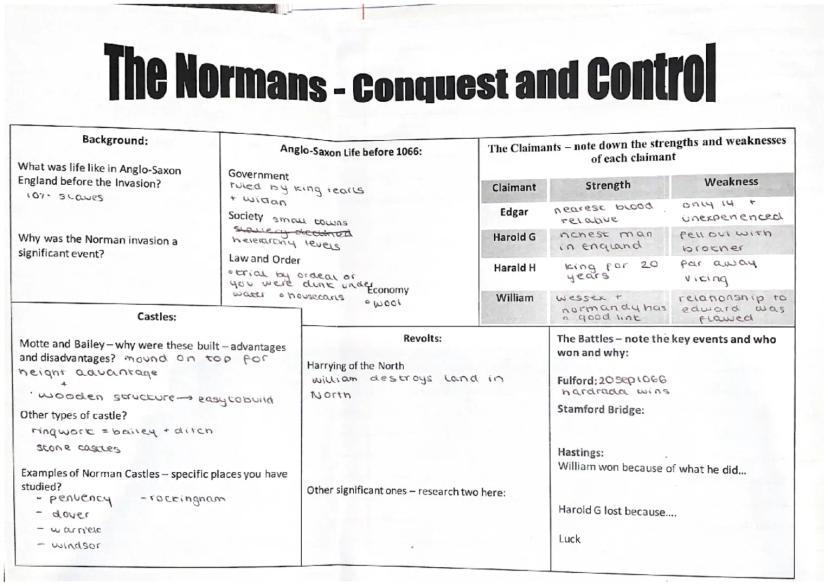
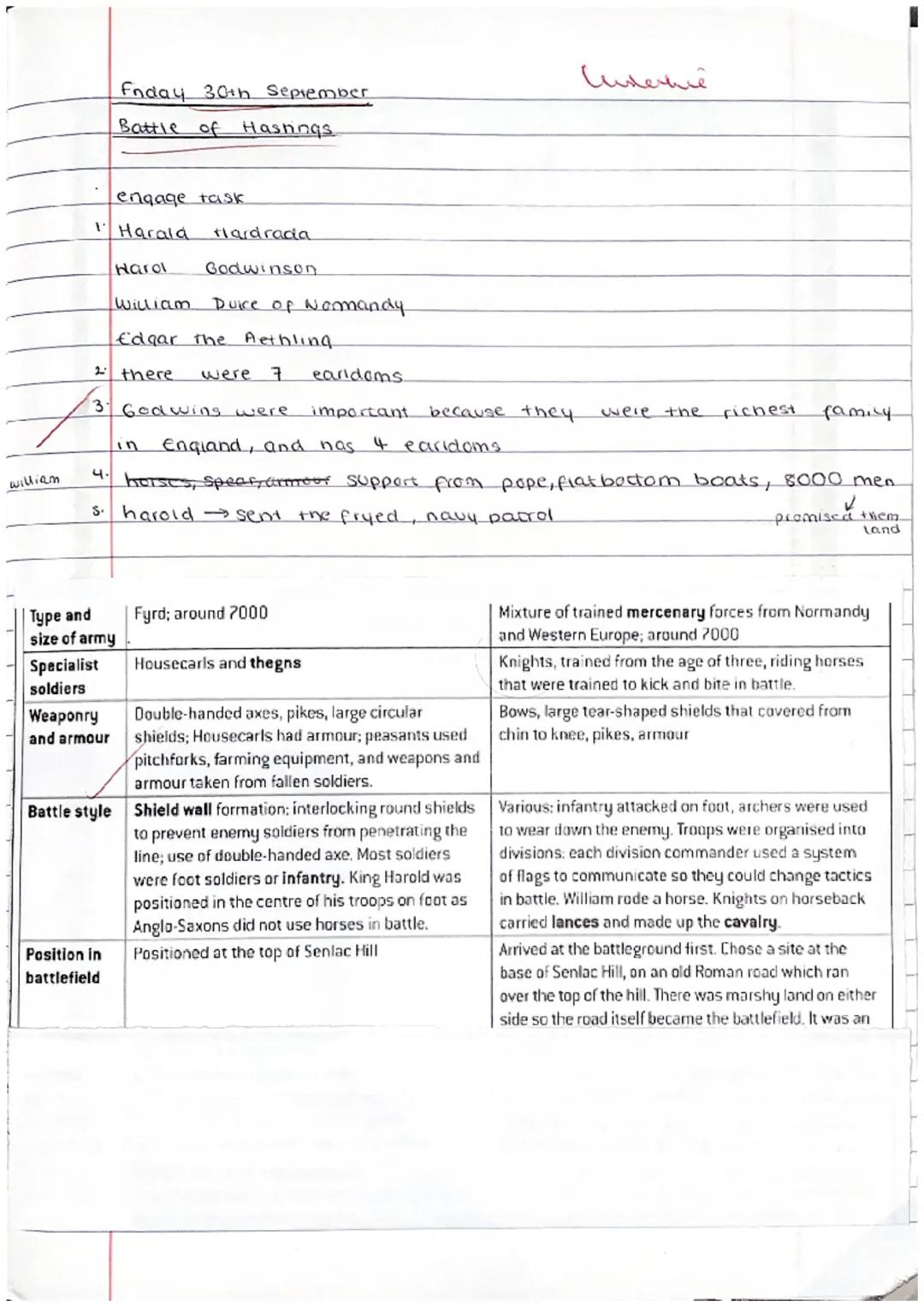
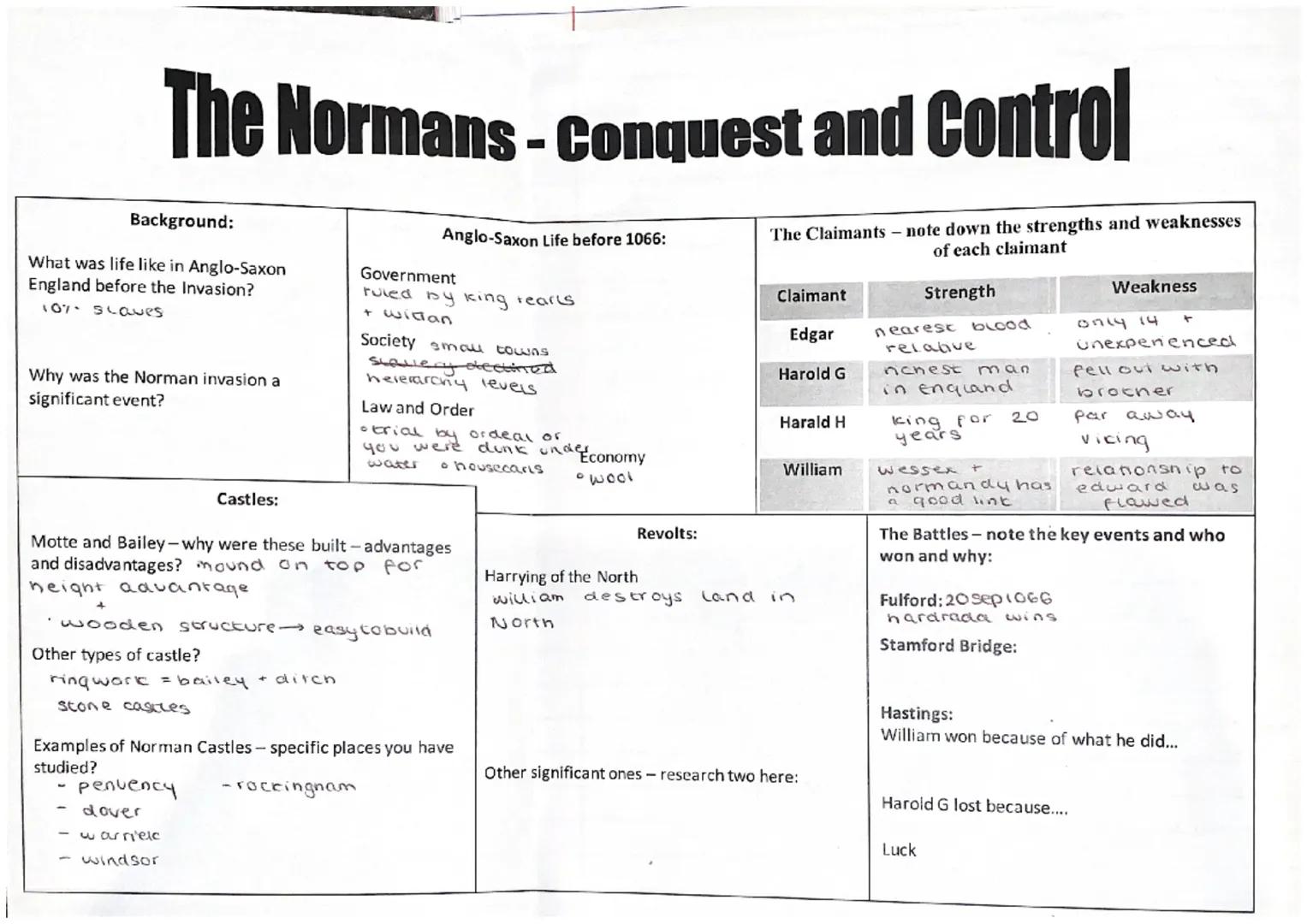
The Battle of Hastings in 1066 was a clash between Anglo-Saxon and Norman forces, led by King Harold Godwinson and William, Duke of Normandy respectively. This page provides an overview of the key figures and military tactics employed in this historic conflict.
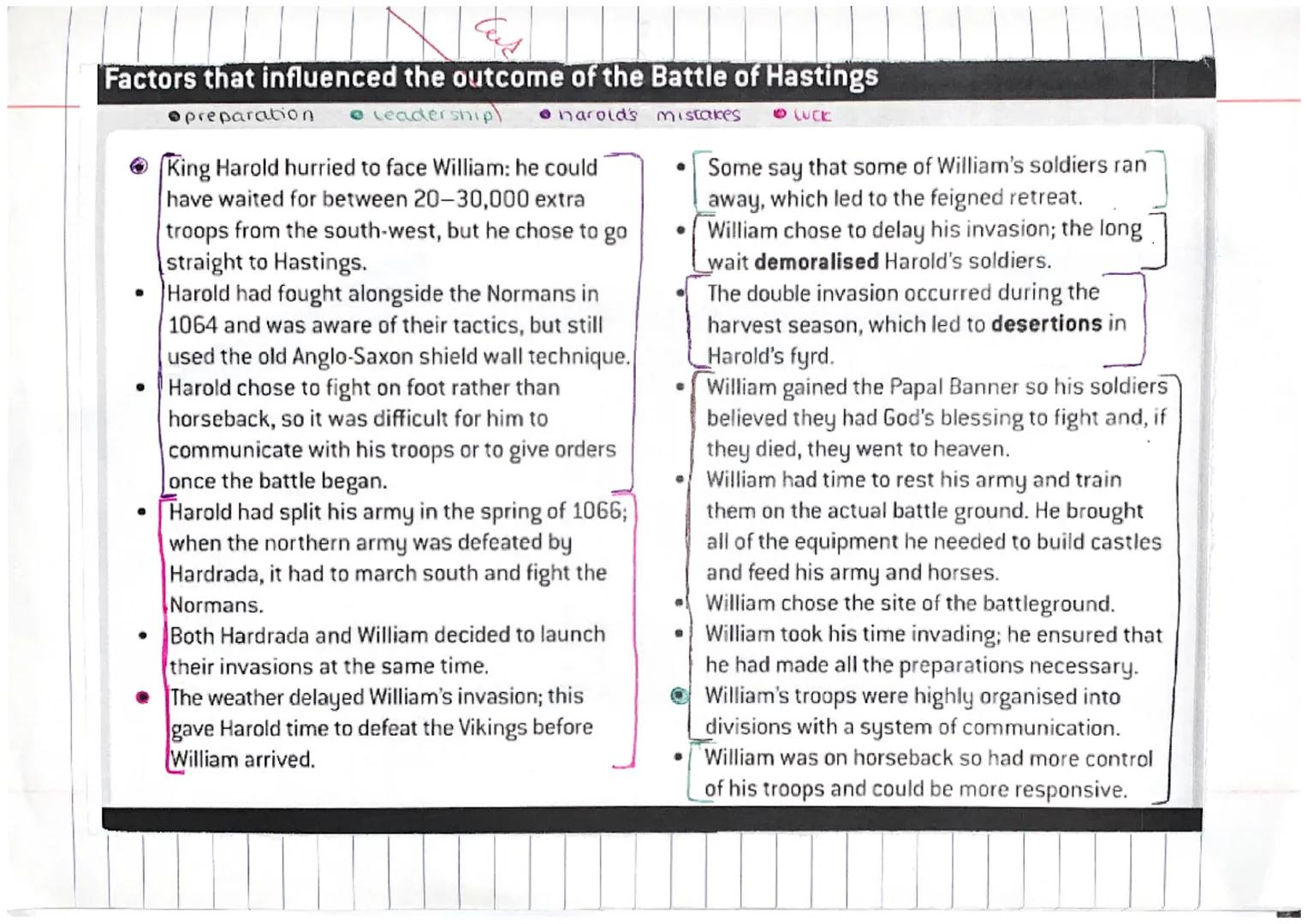
Highlight: The Battle of Hastings shield wall formation was a crucial defensive tactic used by the Anglo-Saxon forces.
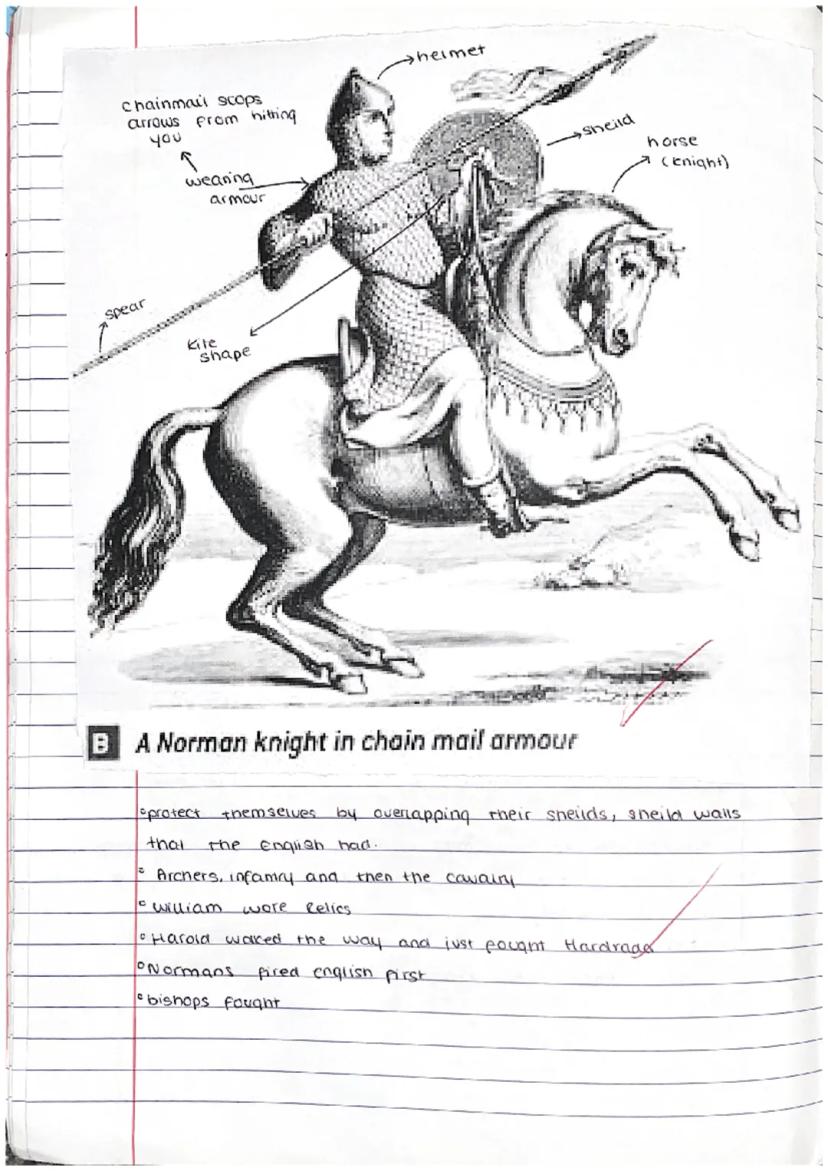
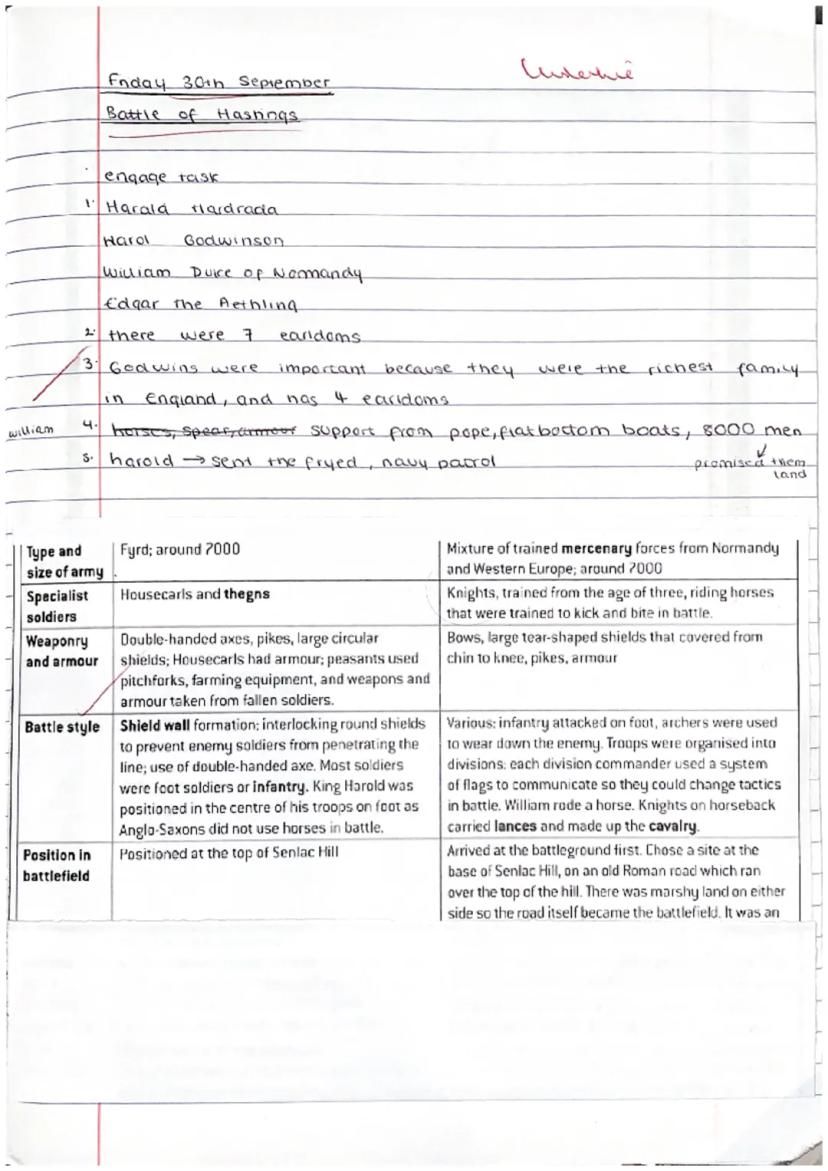
The Anglo-Saxon army relied heavily on infantry, with soldiers forming a shield wall to protect against enemy attacks. They were equipped with weapons such as double-handed axes, pikes, and large circular shields. In contrast, the Norman army was more diverse, featuring cavalry, archers, and infantry.
Vocabulary: Housecarls - elite Anglo-Saxon warriors who served as personal bodyguards to the king.
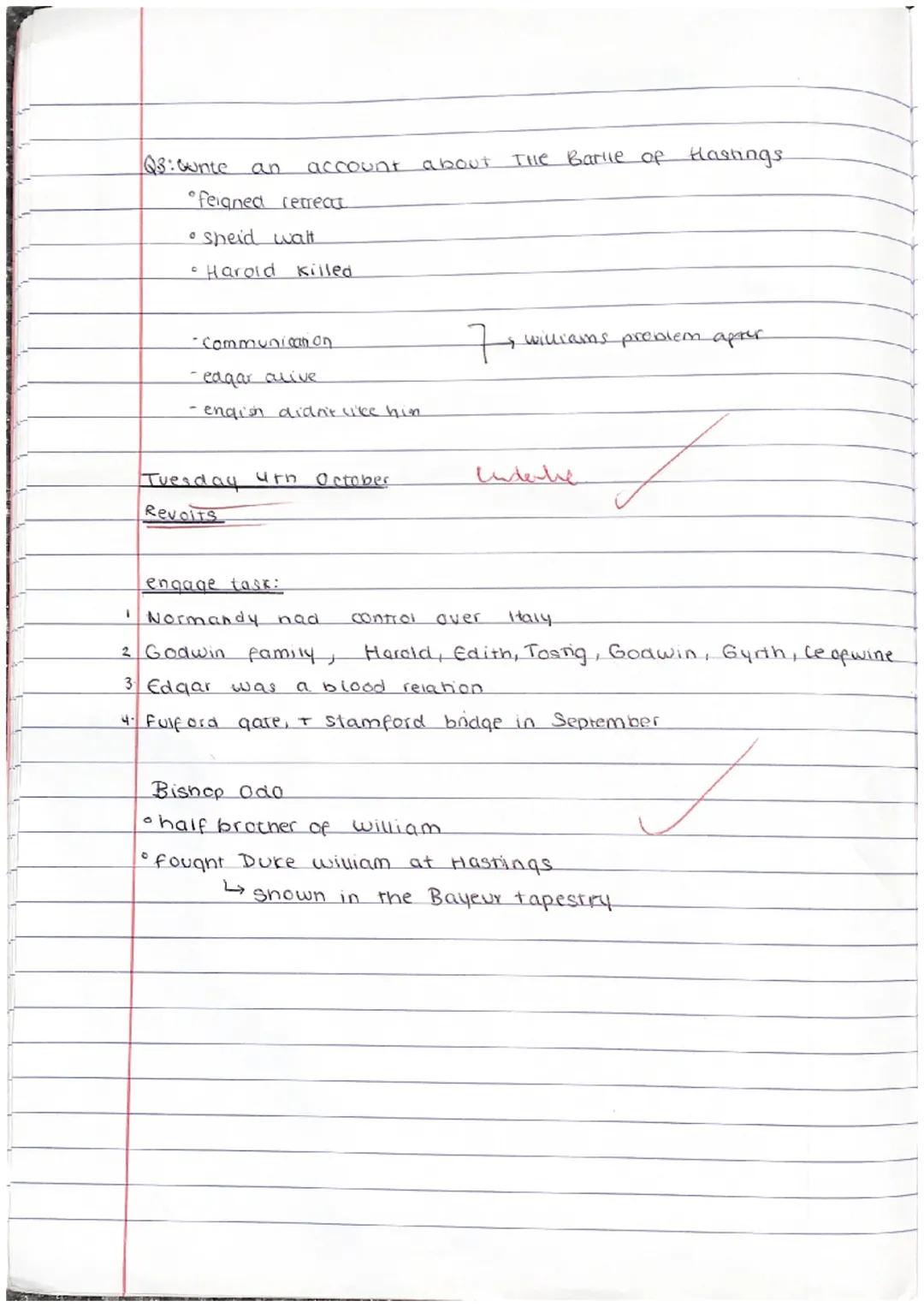
Key figures in the battle included:
- Harold Godwinson - King of England
- William, Duke of Normandy - Claimant to the English throne
- Edgar the Aetheling - Another claimant to the throne
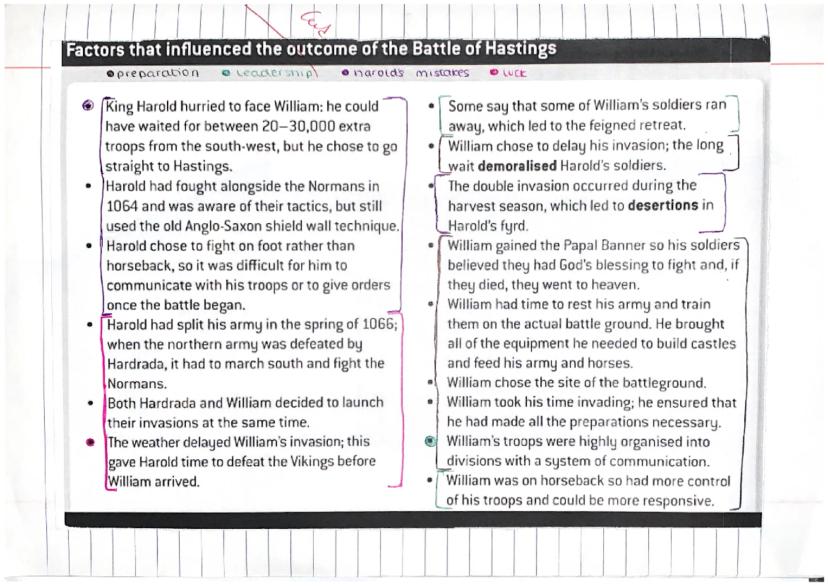
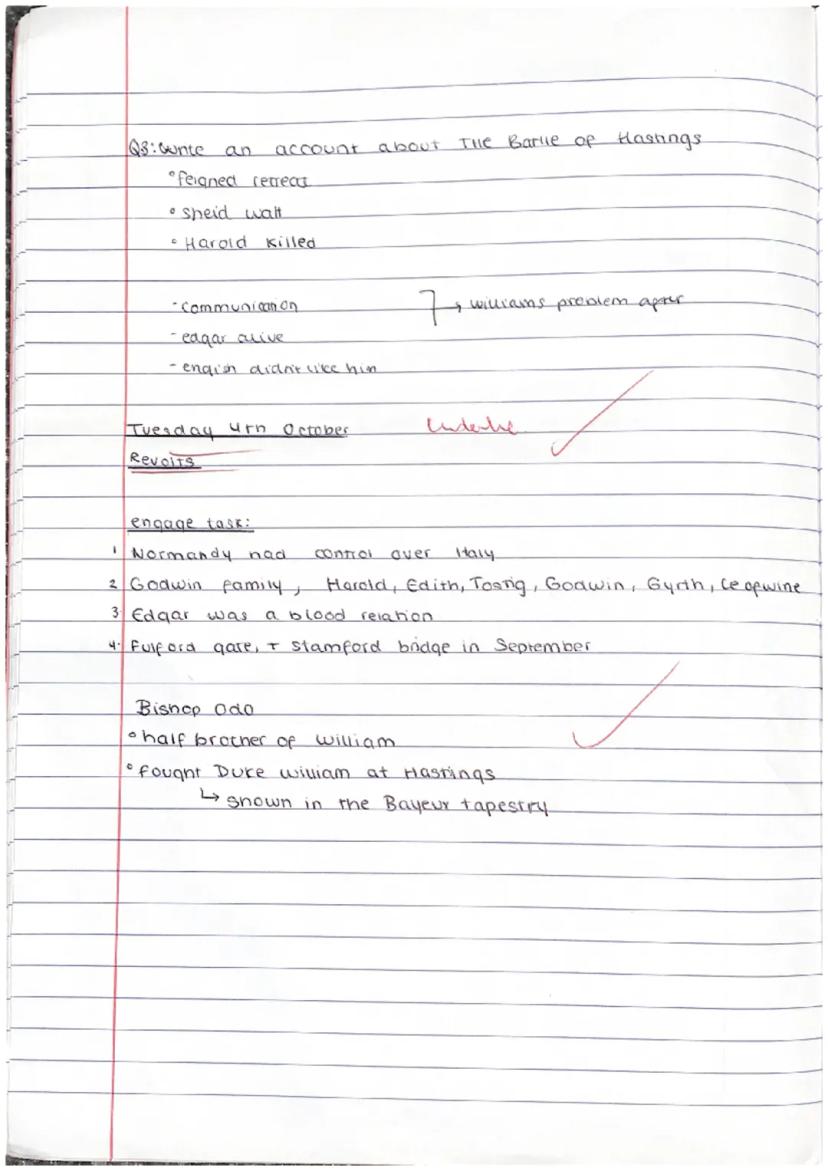
The battle was influenced by recent events, including Harold's victory over Harald Hardrada at the Battle of Stamford Bridge just weeks earlier. This engagement had weakened Harold's forces before facing William's invasion.
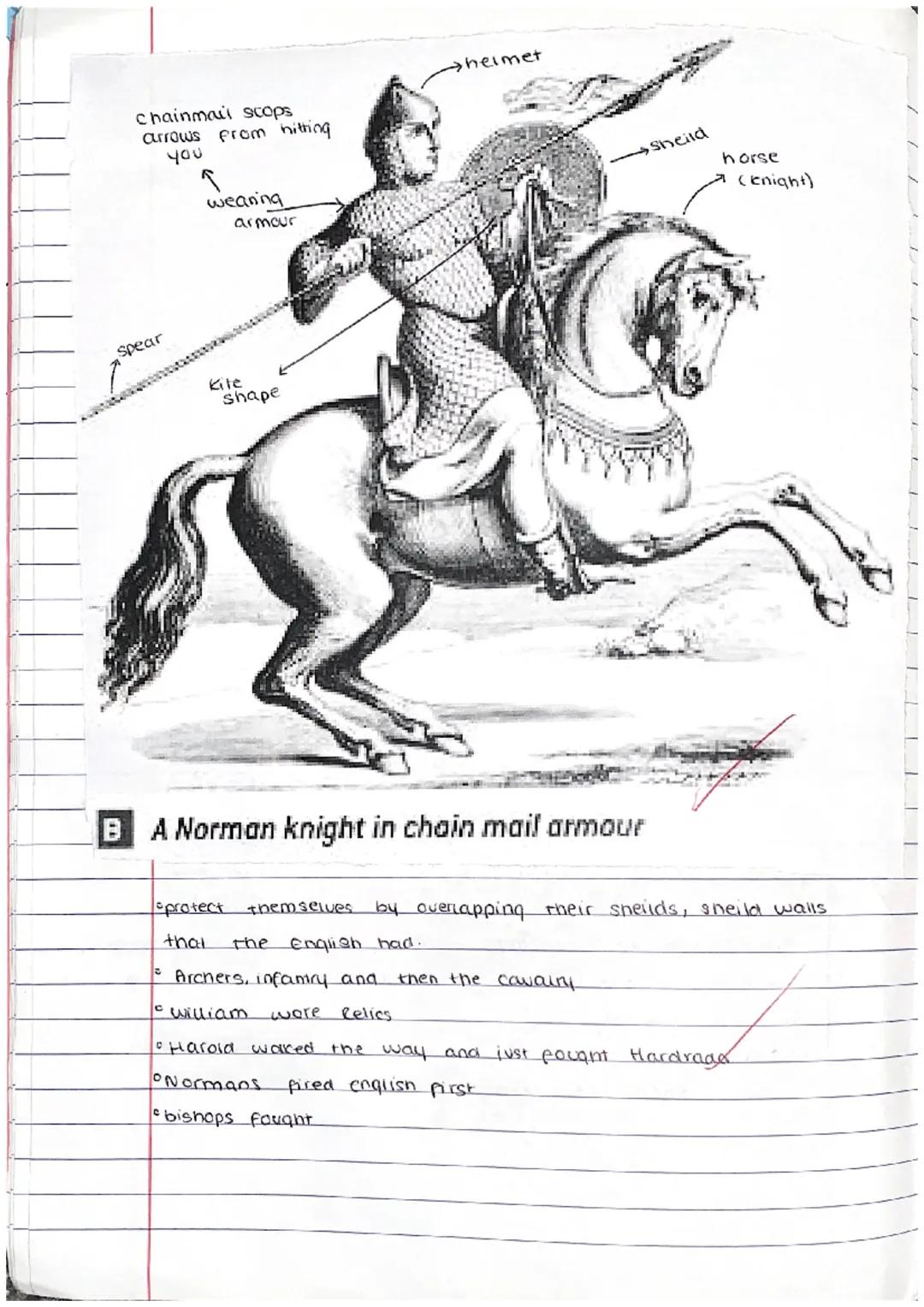
Example: The Norman knights were highly trained, having practiced warfare from a young age. Their horses were also trained to kick and bite in battle, making them formidable opponents.


 History
 English Literature
 Sociology
 Biology
 European History