Aerobic vs Anaerobic Exercise: What's the Difference?
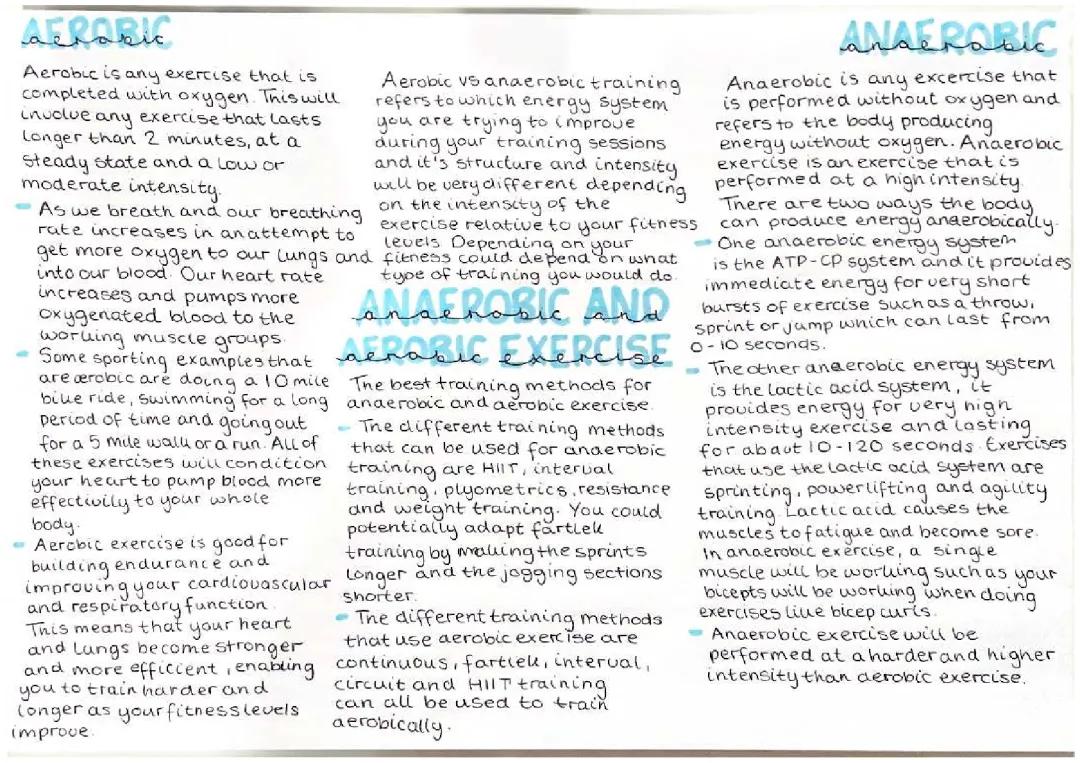
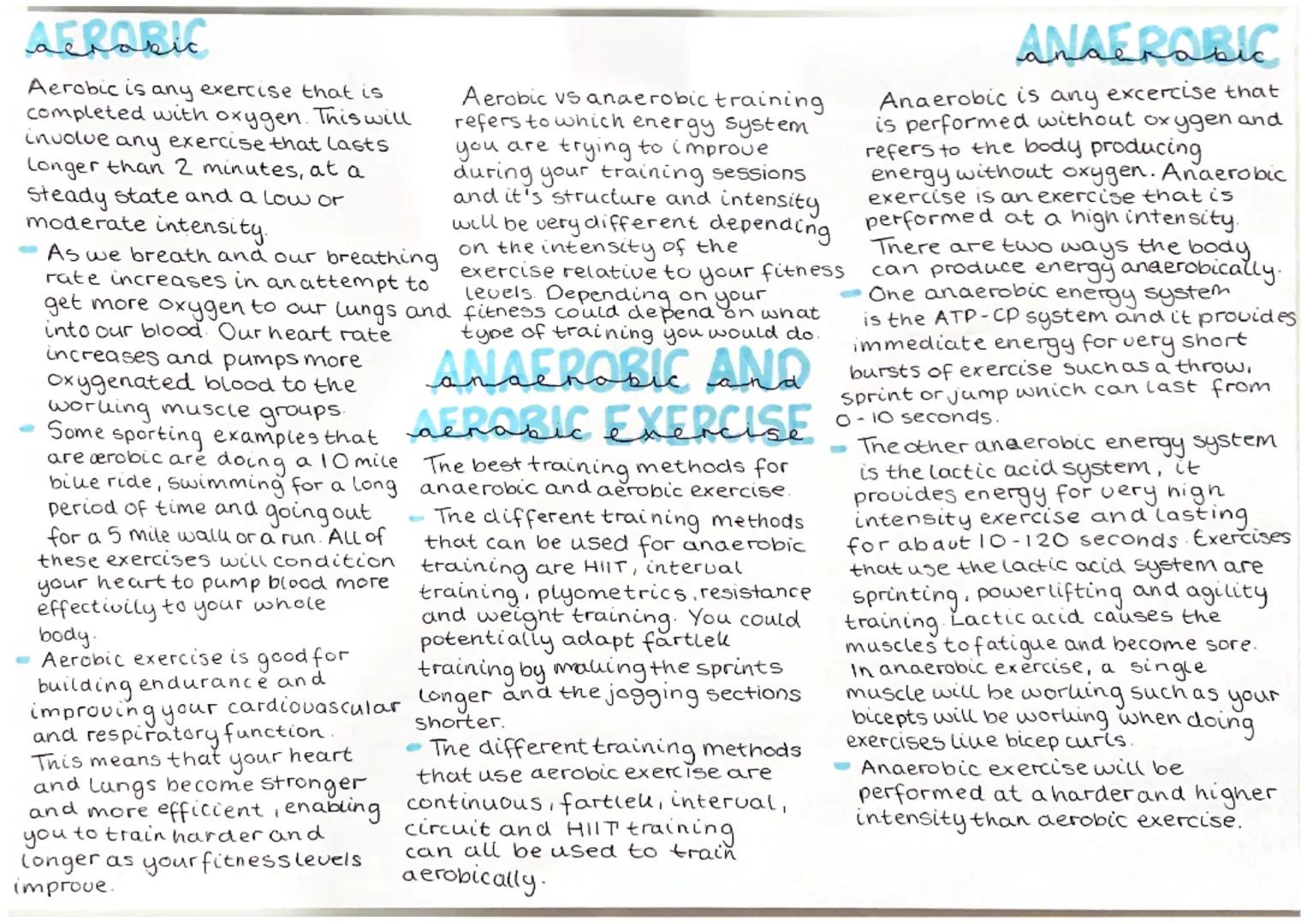
Aerobic exercise is any activity that uses oxygen to produce energy and lasts longer than 2 minutes at a steady, moderate intensity. Think of activities like a 10-mile bike ride, swimming laps for ages, or going for a 5-mile run - your breathing and heart rate increase to pump more oxygenated blood to your working muscles.
Anaerobic exercise works completely differently - it's high-intensity activity performed without oxygen. Your body has two anaerobic energy systems: the ATP-CP system provides immediate energy for explosive movements lasting 0-10 seconds (like sprints, jumps, or throws), whilst the lactic acid system fuels intense exercise lasting 10-120 seconds (think powerlifting or agility drills).
The key difference is intensity and duration. Aerobic exercise builds endurance and strengthens your heart and lungs, making them more efficient over time. Anaerobic exercise targets specific muscle groups and builds power and strength, but causes muscles to fatigue quickly due to lactic acid build-up.
Quick Tip: Your current fitness level determines which type of training you should focus on - beginners often benefit from building an aerobic base first before adding high-intensity anaerobic work.
Training methods vary too: aerobic exercise uses continuous training, fartlek, and longer interval sessions, whilst anaerobic training relies on HIIT, plyometrics, resistance training, and short, intense intervals.