
Your body is basically a transport network that keeps you... Show more
Sign up to see the contentIt's free!
Access to all documents
Improve your grades
Join milions of students
By signing up you accept Terms of Service and Privacy Policy

Maths

Biology

Chemistry

English Language

History
Responding to change (a2 only)
Infection and response
Homeostasis and response
Energy transfers (a2 only)
Cell biology
Organisms respond to changes in their internal and external environments (a-level only)
Biological molecules
Organisation
Substance exchange
Bioenergetics
Genetic information & variation
Inheritance, variation and evolution
Genetics & ecosystems (a2 only)
Ecology
Cells
Show all topics
1l the quest for political stability: germany, 1871-1991
Britain & the wider world: 1745 -1901
The cold war
Inter-war germany
Medieval period: 1066 -1509
2d religious conflict and the church in england, c1529-c1570
2o democracy and nazism: germany, 1918-1945
1f industrialisation and the people: britain, c1783-1885
1c the tudors: england, 1485-1603
2m wars and welfare: britain in transition, 1906-1957
World war two & the holocaust
2n revolution and dictatorship: russia, 1917-1953
2s the making of modern britain, 1951-2007
World war one
Britain: 1509 -1745
Show all topics
9
0

Sophie
22/11/2025
PE
Body Systems summary (cardiovascular and respiratory)
295
•
22 Nov 2025
•
Sophie
@sophie_ptit
Your body is basically a transport network that keeps you... Show more
Ever wondered how your body keeps working during a tough PE lesson? Two key body systems - respiratory and cardiovascular - team up to keep you going. These systems are like your body's delivery service, bringing oxygen to your muscles and taking away the rubbish.
Think of them as your personal life-support crew that works 24/7 without you even thinking about it!
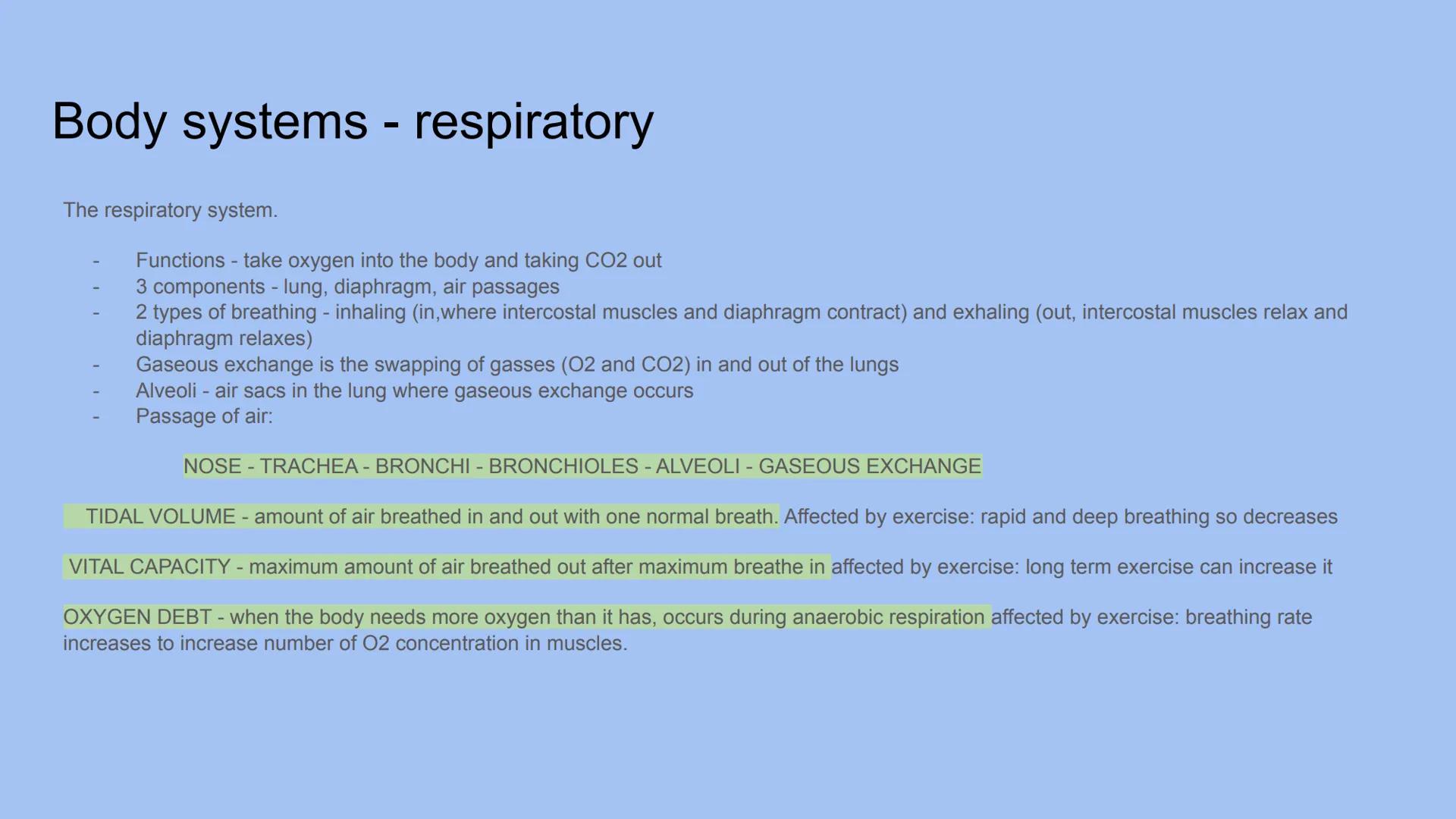
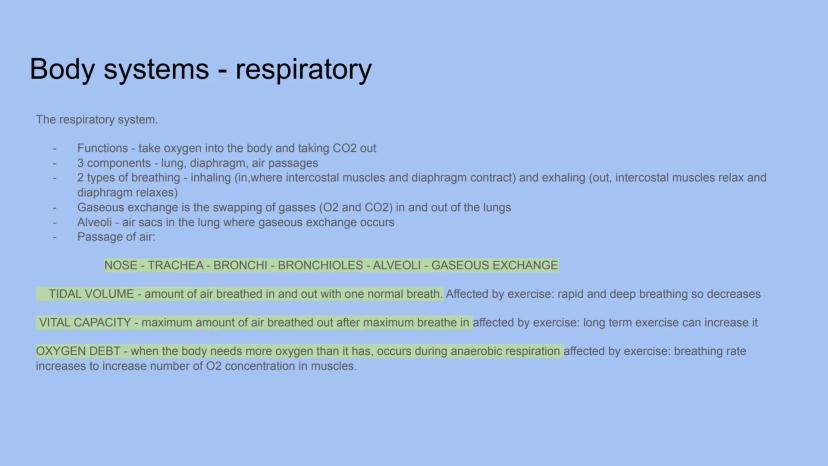
Your respiratory system is basically your body's air conditioning unit with one main job: swap oxygen for carbon dioxide. It's got three key parts - your lungs, diaphragm, and all those air passages connecting them.
Breathing happens in two stages. When you breathe in (inhaling), your intercostal muscles and diaphragm contract to pull air into your lungs. When you breathe out (exhaling), everything relaxes and pushes the air back out.
The magic happens in tiny air sacs called alveoli where gaseous exchange occurs - this is where your blood drops off carbon dioxide and picks up fresh oxygen. Air travels this route: nose → trachea → bronchi → bronchioles → alveoli.
🔥 Quick Tip: During exercise, your breathing becomes rapid and deep to get more oxygen to your working muscles - that's why you're puffing after running!
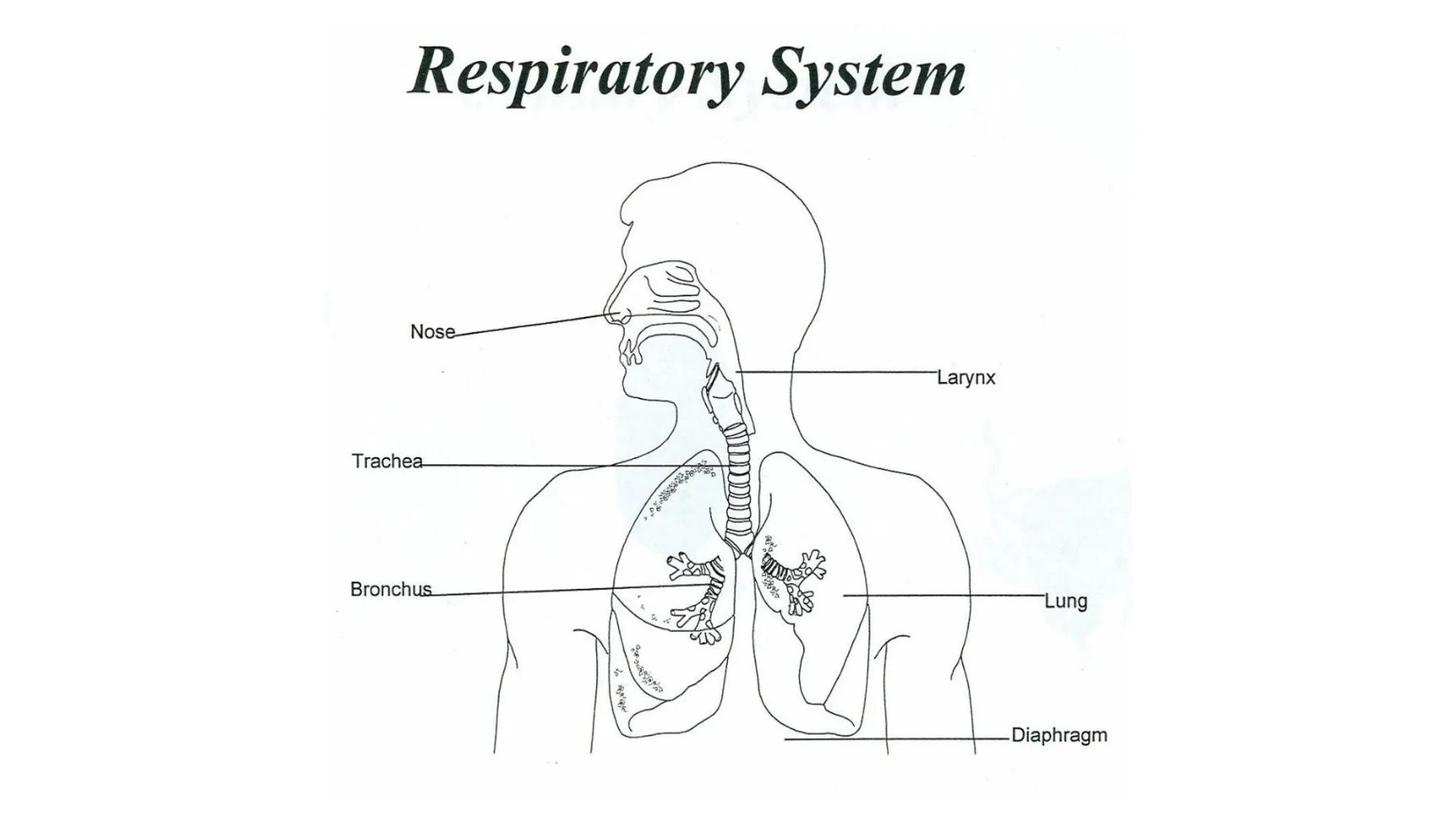
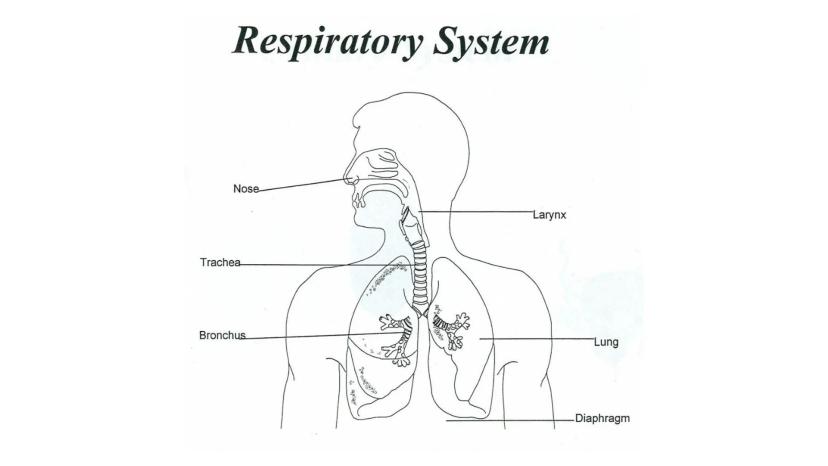
Your respiratory system is like a tree - it starts with one main tube and branches out into smaller and smaller passages. The trachea is your main airway, branching into bronchi (the main branches) and then bronchioles (smaller branches).
Your diaphragm sits at the bottom like a muscular trampoline, moving up and down to help you breathe. The larynx contains your vocal cords - that's why your voice might sound different when you're out of breath!
Everything's designed to get air flowing efficiently to your lungs where the real work happens.
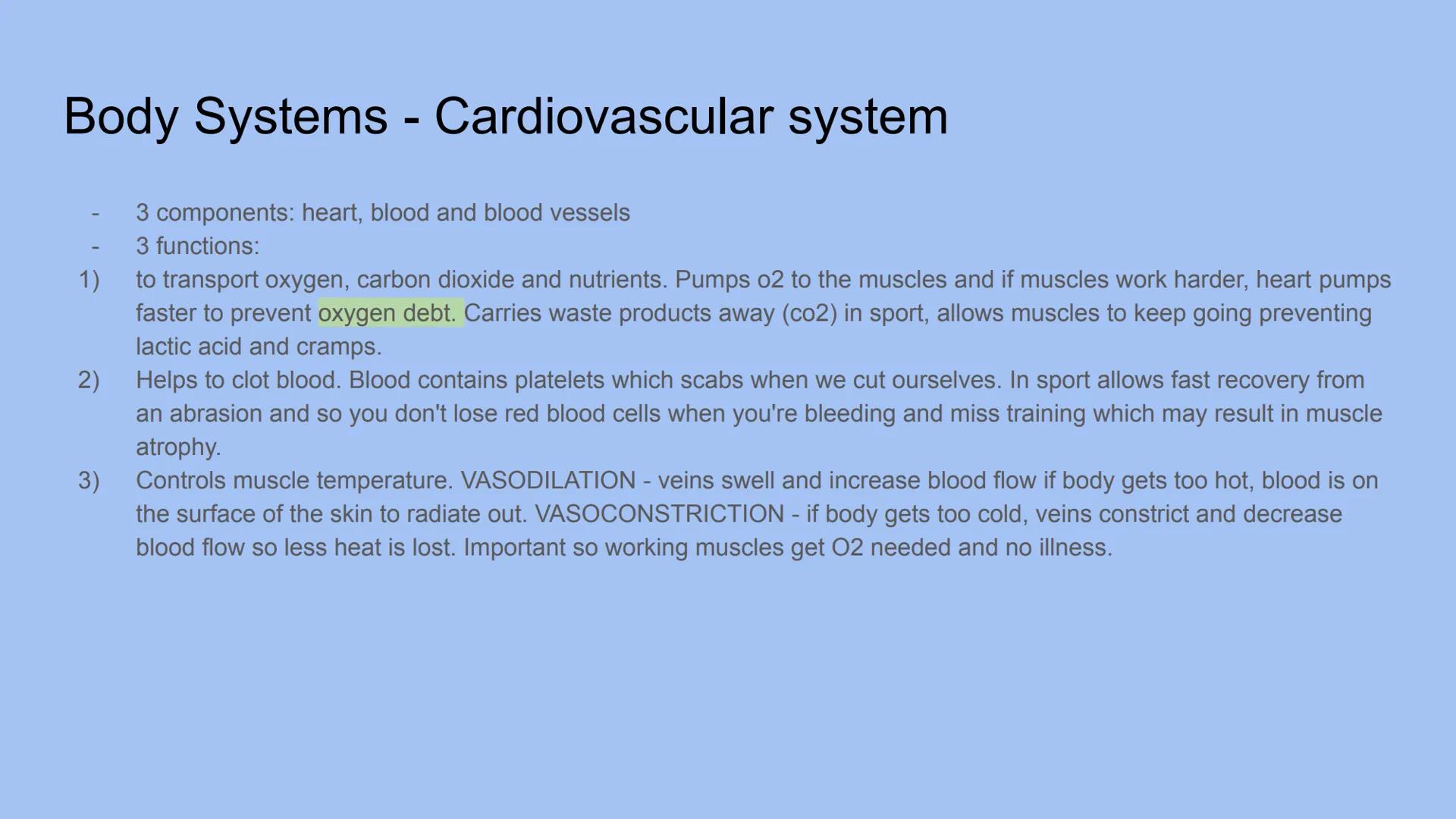
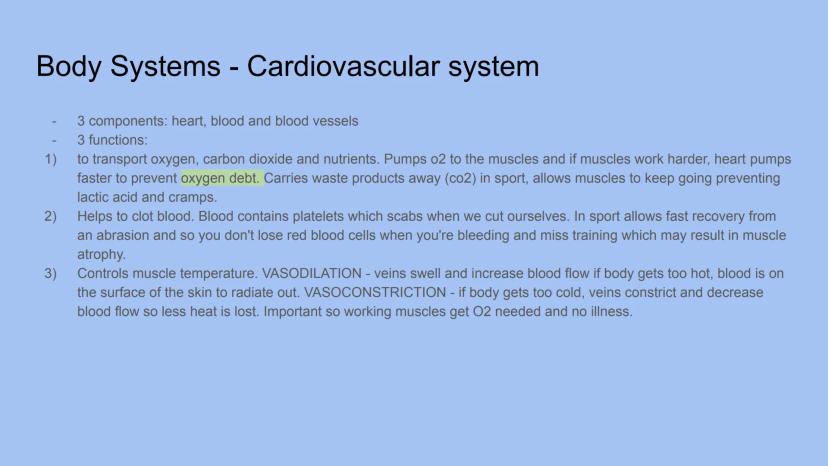
Your cardiovascular system is like your body's motorway network, with three main components: heart, blood, and blood vessels. This system has three crucial jobs that keep you performing at your best.
First, it transports oxygen, carbon dioxide, and nutrients. When your muscles work harder during sport, your heart pumps faster to deliver more oxygen and prevent oxygen debt. It also carries away waste products like CO2, stopping lactic acid build-up that causes cramps.
Second, it helps blood clot when you get cuts. Platelets form scabs quickly, so you don't lose important red blood cells during training. Third, it controls body temperature through vasodilation (veins widen when hot) and vasoconstriction (veins narrow when cold).
⚡ Remember: Your heart rate increases during exercise because your muscles are screaming for more oxygen!
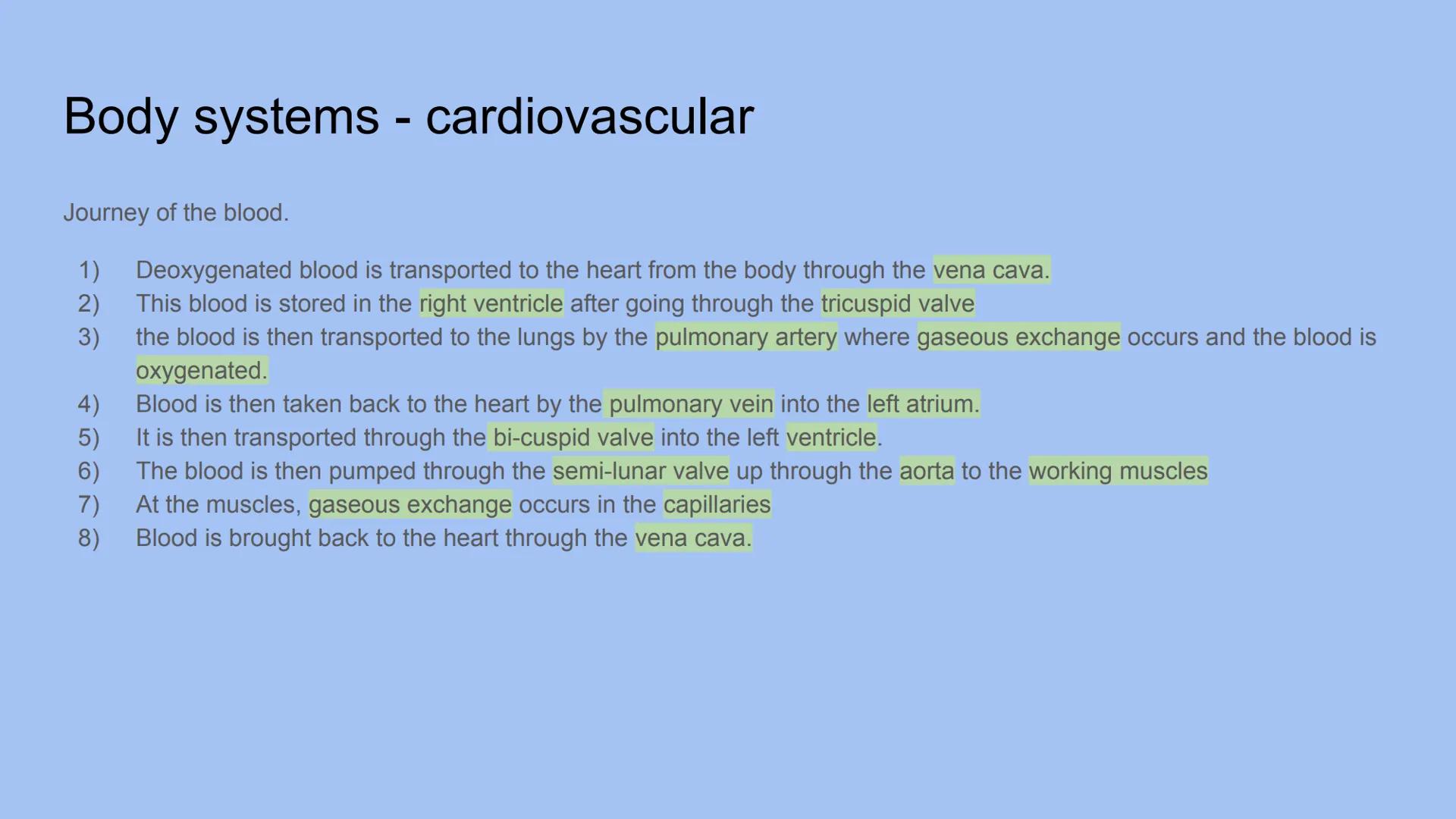
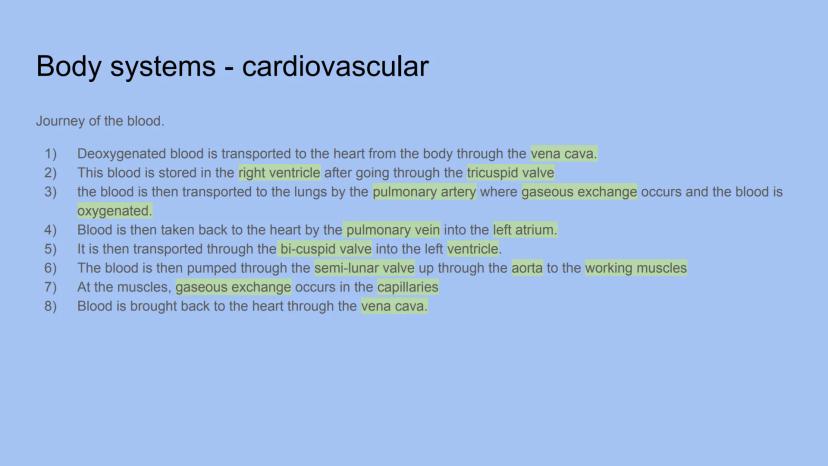
Your blood takes an epic journey through your heart - think of it as a figure-8 loop! Deoxygenated blood returns from your body through the vena cava into the right ventricle (after passing through the tricuspid valve).
This tired blood gets pumped to your lungs via the pulmonary artery for a fresh oxygen top-up. Once recharged, oxygenated blood returns through the pulmonary vein into the left atrium, then into the powerful left ventricle.
Finally, your heart's strongest chamber blasts this oxygen-rich blood through the aorta out to your working muscles. At the muscles, gaseous exchange happens in tiny capillaries, and the cycle starts all over again!
💪 Fun Fact: Your left ventricle is much stronger than your right because it has to pump blood all around your body, not just to your nearby lungs!

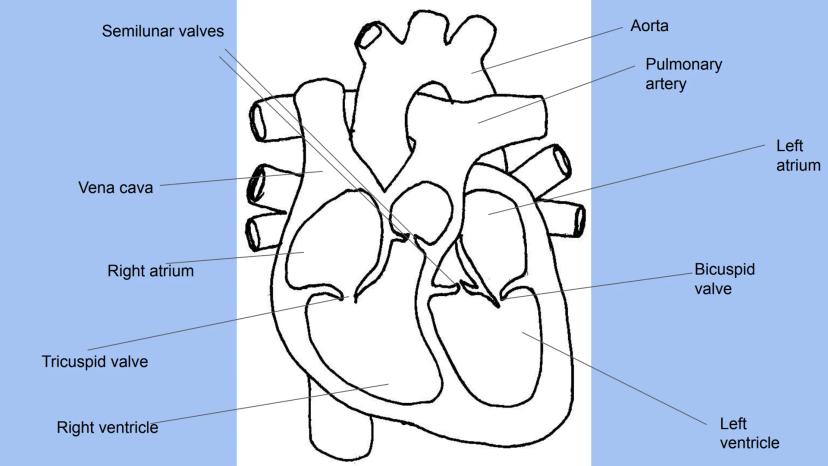
Your heart is basically two pumps stuck together, separated by the septum (a muscular wall). Each side has an atrium (holding chamber) and a ventricle (pumping chamber) working together.
Valves act like one-way doors - the tricuspid and bicuspid valves stop blood flowing backwards, while semilunar valves guard the exits. The aorta and pulmonary artery are your heart's main motorways carrying blood away.
Everything's perfectly designed so oxygenated and deoxygenated blood never mix - that would be like putting diesel in a petrol car!
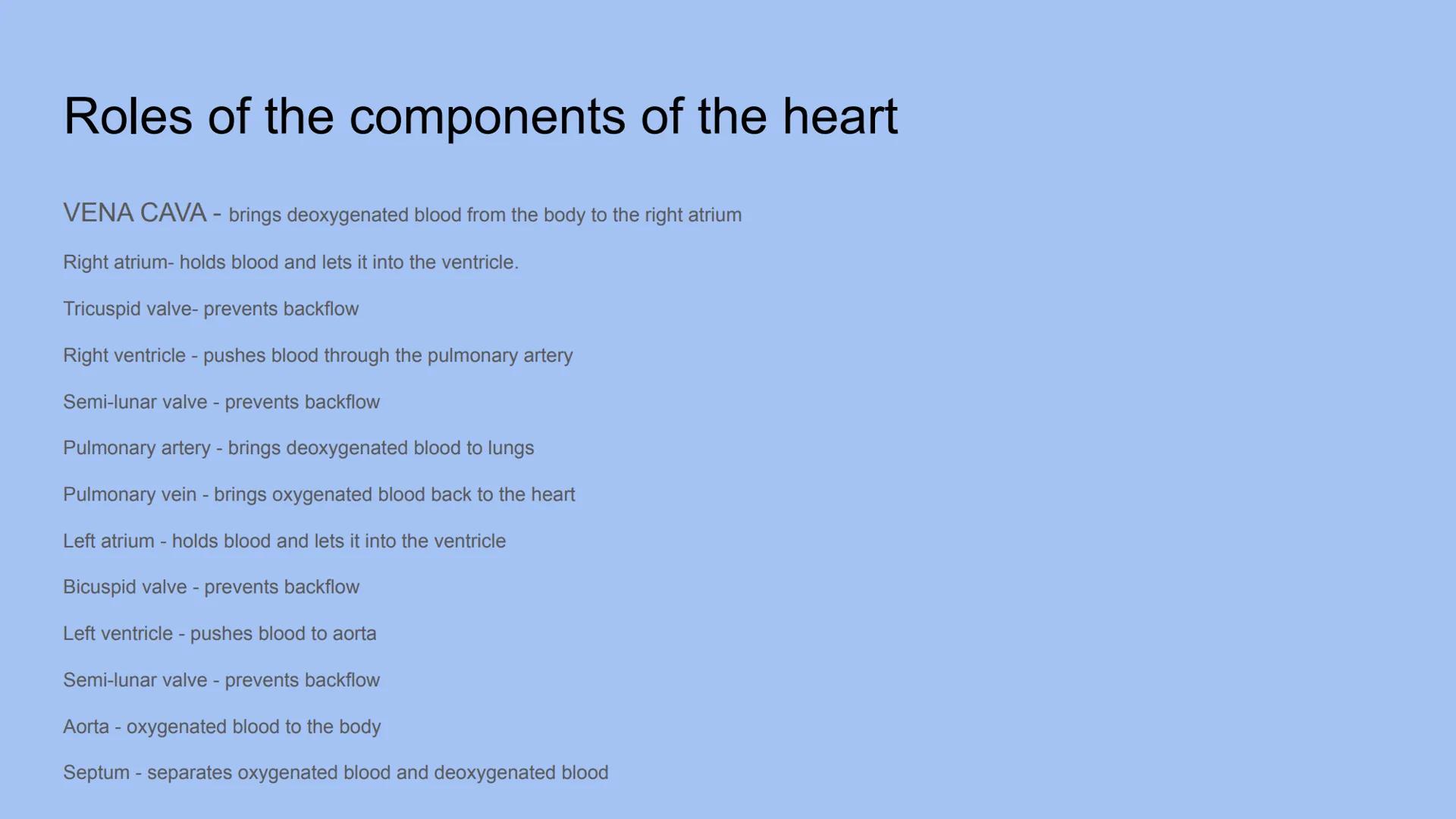
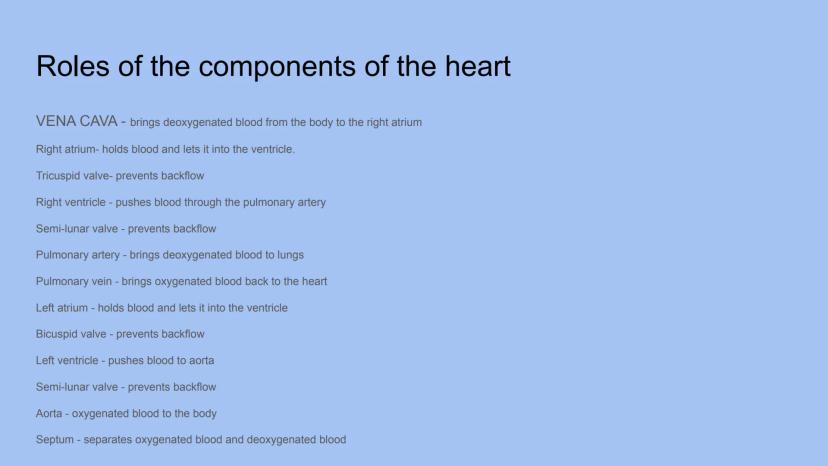
Each part of your heart has a specific role - it's like a perfectly choreographed dance! The vena cava brings tired blood back home, while the right atrium acts like a waiting room before the right ventricle pumps it to the lungs.
The pulmonary artery carries deoxygenated blood to the lungs (confusing name, right?), while the pulmonary vein brings the refreshed blood back. The left atrium receives this oxygen-rich blood before the powerful left ventricle shoots it through the aorta.
All those valves (tricuspid, bicuspid, semilunar) work like bouncers, preventing any backflow. The septum keeps everything separated - no mixing allowed!
🔧 Key Point: Think of your heart as having a 'dirty' side (right) and a 'clean' side (left) - they never mix their blood!
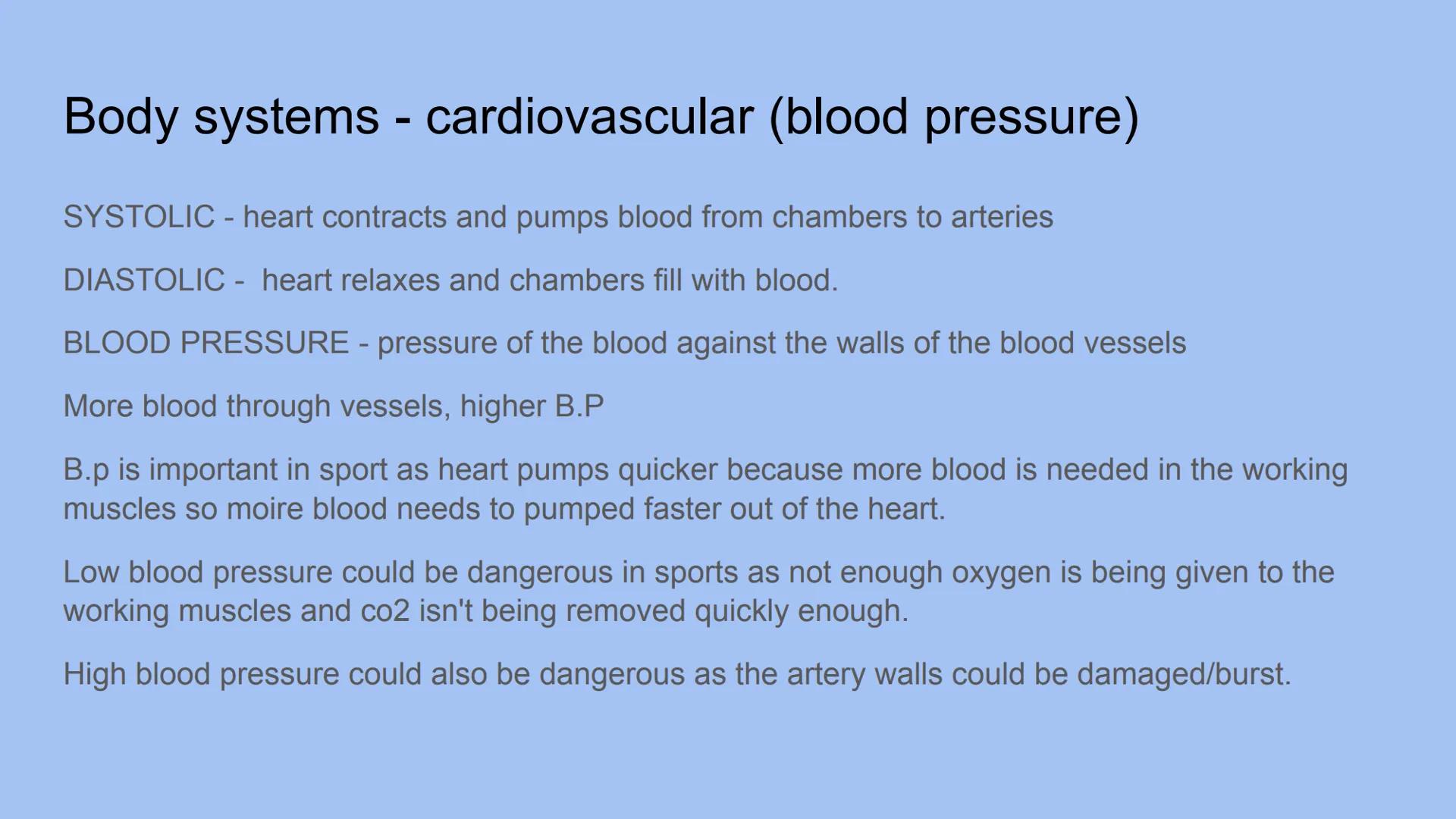
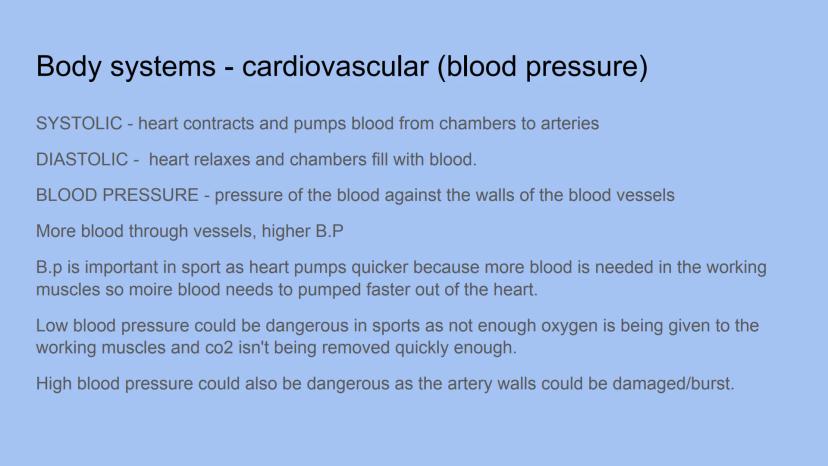
Blood pressure measures how hard your blood pushes against your blood vessel walls - like water pressure in a hose! It has two measurements: systolic (when your heart contracts and pumps) and diastolic (when your heart relaxes and refills).
During sport, your blood pressure increases because your heart pumps faster to get more oxygen to working muscles. This is totally normal and healthy!
However, low blood pressure can be dangerous in sports because muscles won't get enough oxygen, while high blood pressure risks damaging artery walls. It's all about finding the right balance.
⚠️ Health Check: Blood pressure is measured as two numbers - the first is systolic, the second is diastolic!
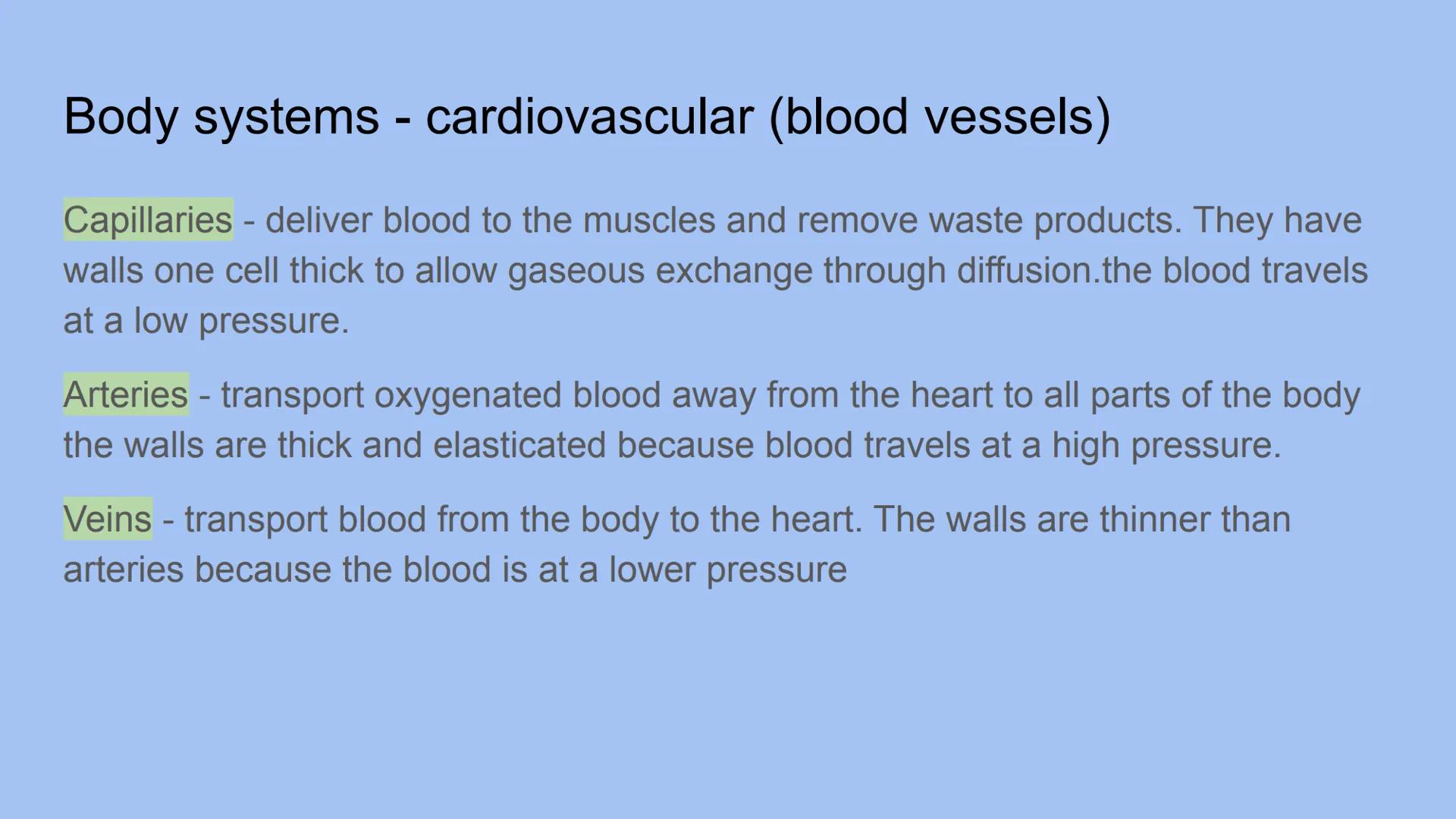
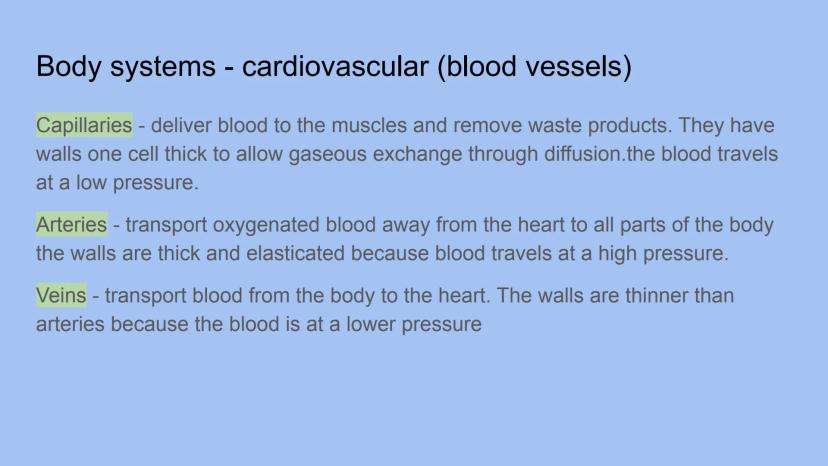
Your blood vessels are like a three-lane highway system, each designed for different jobs! Arteries are the fast lanes - they carry oxygenated blood away from your heart at high pressure, so they need thick, elastic walls to handle the rush.
Veins are the slow lanes bringing blood back to your heart at low pressure, so they have thinner walls and don't need to be as strong. Capillaries are like tiny country roads with walls just one cell thick.
These super-thin capillaries are where the magic happens - they're so thin that oxygen and carbon dioxide can easily pass through their walls to reach your muscles through diffusion.
🚗 Think of it: Arteries = motorways (high speed, thick barriers), veins = A-roads (slower, thinner barriers), capillaries = footpaths (tiny, easy access)!
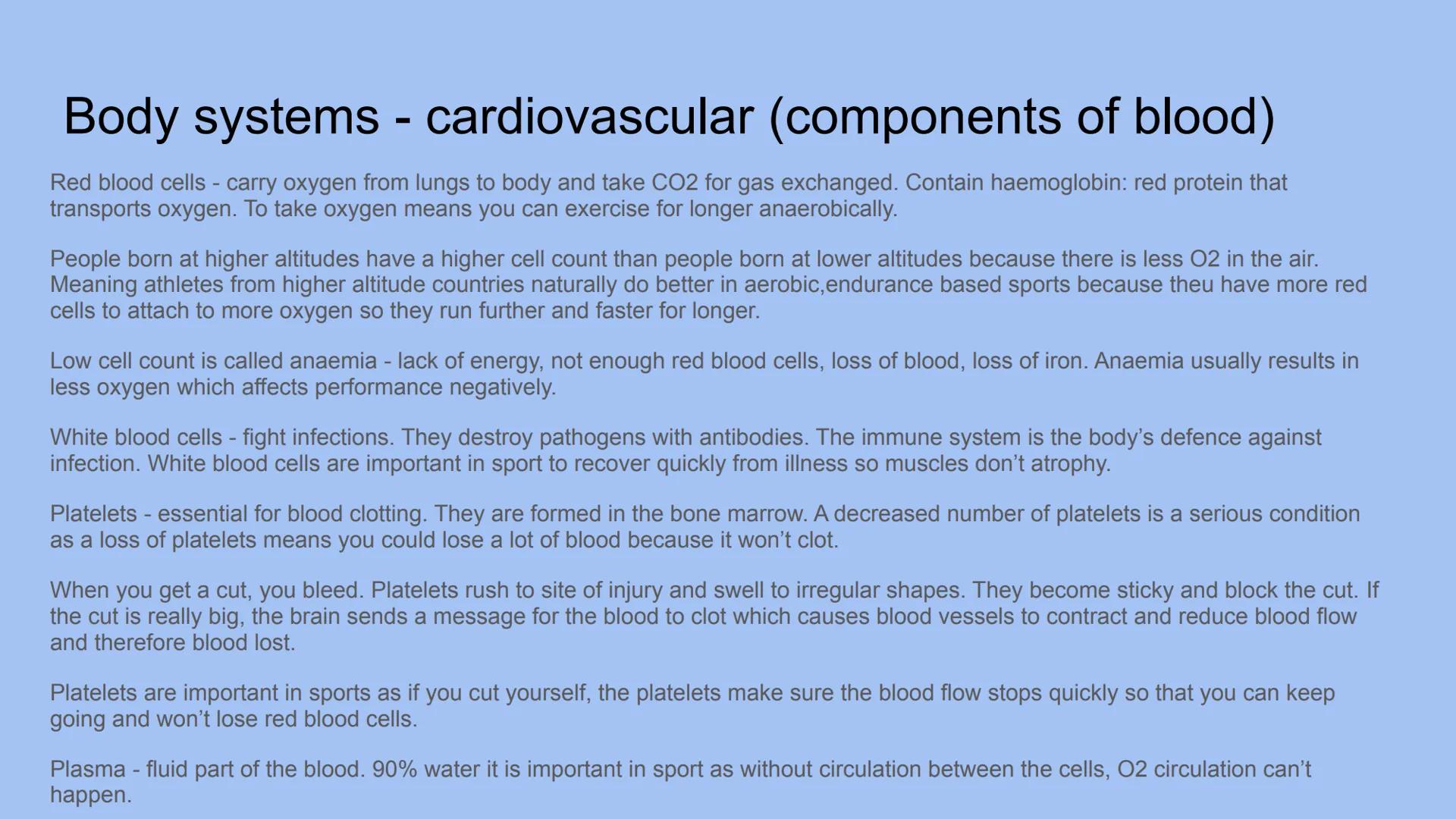
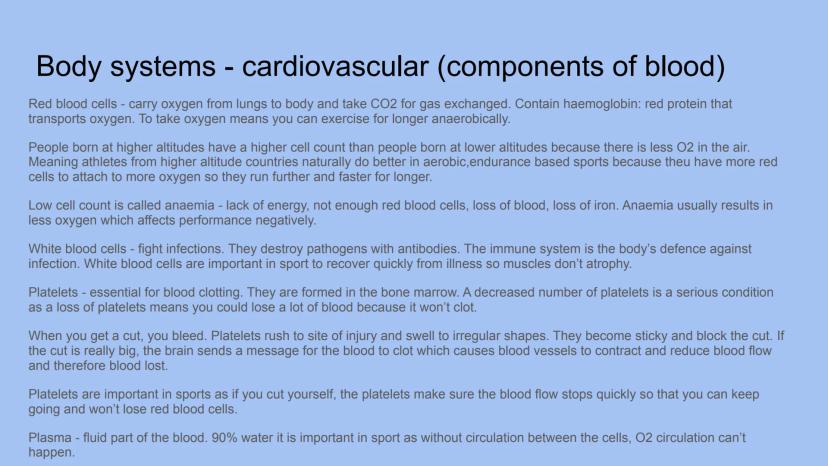
Your blood is like a delivery service with different workers doing specific jobs! Red blood cells are the oxygen delivery drivers, packed with haemoglobin (a red protein) that grabs oxygen from your lungs and drops it off at your muscles.
White blood cells are your body's security team, fighting off infections with antibodies so you can recover quickly and keep training. Platelets are the repair crew - they rush to cuts and form clots to stop bleeding fast.
Plasma is the liquid that everything floats in (90% water) - without it, nothing could circulate around your body. People from higher altitudes naturally have more red blood cells because there's less oxygen in the air up there, giving them an advantage in endurance sports!
🏔️ Interesting: Athletes from countries like Kenya and Ethiopia often dominate distance running partly because they're born at high altitude with more red blood cells!
Our AI Companion is a student-focused AI tool that offers more than just answers. Built on millions of Knowunity resources, it provides relevant information, personalised study plans, quizzes, and content directly in the chat, adapting to your individual learning journey.
You can download the app from Google Play Store and Apple App Store.
That's right! Enjoy free access to study content, connect with fellow students, and get instant help – all at your fingertips.
App Store
Google Play
The app is very easy to use and well designed. I have found everything I was looking for so far and have been able to learn a lot from the presentations! I will definitely use the app for a class assignment! And of course it also helps a lot as an inspiration.
Stefan S
iOS user
This app is really great. There are so many study notes and help [...]. My problem subject is French, for example, and the app has so many options for help. Thanks to this app, I have improved my French. I would recommend it to anyone.
Samantha Klich
Android user
Wow, I am really amazed. I just tried the app because I've seen it advertised many times and was absolutely stunned. This app is THE HELP you want for school and above all, it offers so many things, such as workouts and fact sheets, which have been VERY helpful to me personally.
Anna
iOS user
Best app on earth! no words because it’s too good
Thomas R
iOS user
Just amazing. Let's me revise 10x better, this app is a quick 10/10. I highly recommend it to anyone. I can watch and search for notes. I can save them in the subject folder. I can revise it any time when I come back. If you haven't tried this app, you're really missing out.
Basil
Android user
This app has made me feel so much more confident in my exam prep, not only through boosting my own self confidence through the features that allow you to connect with others and feel less alone, but also through the way the app itself is centred around making you feel better. It is easy to navigate, fun to use, and helpful to anyone struggling in absolutely any way.
David K
iOS user
The app's just great! All I have to do is enter the topic in the search bar and I get the response real fast. I don't have to watch 10 YouTube videos to understand something, so I'm saving my time. Highly recommended!
Sudenaz Ocak
Android user
In school I was really bad at maths but thanks to the app, I am doing better now. I am so grateful that you made the app.
Greenlight Bonnie
Android user
very reliable app to help and grow your ideas of Maths, English and other related topics in your works. please use this app if your struggling in areas, this app is key for that. wish I'd of done a review before. and it's also free so don't worry about that.
Rohan U
Android user
I know a lot of apps use fake accounts to boost their reviews but this app deserves it all. Originally I was getting 4 in my English exams and this time I got a grade 7. I didn’t even know about this app three days until the exam and it has helped A LOT. Please actually trust me and use it as I’m sure you too will see developments.
Xander S
iOS user
THE QUIZES AND FLASHCARDS ARE SO USEFUL AND I LOVE THE SCHOOLGPT. IT ALSO IS LITREALLY LIKE CHATGPT BUT SMARTER!! HELPED ME WITH MY MASCARA PROBLEMS TOO!! AS WELL AS MY REAL SUBJECTS ! DUHHH 😍😁😲🤑💗✨🎀😮
Elisha
iOS user
This apps acc the goat. I find revision so boring but this app makes it so easy to organize it all and then you can ask the freeeee ai to test yourself so good and you can easily upload your own stuff. highly recommend as someone taking mocks now
Paul T
iOS user
The app is very easy to use and well designed. I have found everything I was looking for so far and have been able to learn a lot from the presentations! I will definitely use the app for a class assignment! And of course it also helps a lot as an inspiration.
Stefan S
iOS user
This app is really great. There are so many study notes and help [...]. My problem subject is French, for example, and the app has so many options for help. Thanks to this app, I have improved my French. I would recommend it to anyone.
Samantha Klich
Android user
Wow, I am really amazed. I just tried the app because I've seen it advertised many times and was absolutely stunned. This app is THE HELP you want for school and above all, it offers so many things, such as workouts and fact sheets, which have been VERY helpful to me personally.
Anna
iOS user
Best app on earth! no words because it’s too good
Thomas R
iOS user
Just amazing. Let's me revise 10x better, this app is a quick 10/10. I highly recommend it to anyone. I can watch and search for notes. I can save them in the subject folder. I can revise it any time when I come back. If you haven't tried this app, you're really missing out.
Basil
Android user
This app has made me feel so much more confident in my exam prep, not only through boosting my own self confidence through the features that allow you to connect with others and feel less alone, but also through the way the app itself is centred around making you feel better. It is easy to navigate, fun to use, and helpful to anyone struggling in absolutely any way.
David K
iOS user
The app's just great! All I have to do is enter the topic in the search bar and I get the response real fast. I don't have to watch 10 YouTube videos to understand something, so I'm saving my time. Highly recommended!
Sudenaz Ocak
Android user
In school I was really bad at maths but thanks to the app, I am doing better now. I am so grateful that you made the app.
Greenlight Bonnie
Android user
very reliable app to help and grow your ideas of Maths, English and other related topics in your works. please use this app if your struggling in areas, this app is key for that. wish I'd of done a review before. and it's also free so don't worry about that.
Rohan U
Android user
I know a lot of apps use fake accounts to boost their reviews but this app deserves it all. Originally I was getting 4 in my English exams and this time I got a grade 7. I didn’t even know about this app three days until the exam and it has helped A LOT. Please actually trust me and use it as I’m sure you too will see developments.
Xander S
iOS user
THE QUIZES AND FLASHCARDS ARE SO USEFUL AND I LOVE THE SCHOOLGPT. IT ALSO IS LITREALLY LIKE CHATGPT BUT SMARTER!! HELPED ME WITH MY MASCARA PROBLEMS TOO!! AS WELL AS MY REAL SUBJECTS ! DUHHH 😍😁😲🤑💗✨🎀😮
Elisha
iOS user
This apps acc the goat. I find revision so boring but this app makes it so easy to organize it all and then you can ask the freeeee ai to test yourself so good and you can easily upload your own stuff. highly recommend as someone taking mocks now
Paul T
iOS user
Sophie
@sophie_ptit
Your body is basically a transport network that keeps you alive and moving! Two major systems work together to deliver oxygen to your muscles and remove waste - the respiratory system (breathing) and the cardiovascular system (heart and blood).
Access to all documents
Improve your grades
Join milions of students
By signing up you accept Terms of Service and Privacy Policy
Ever wondered how your body keeps working during a tough PE lesson? Two key body systems - respiratory and cardiovascular - team up to keep you going. These systems are like your body's delivery service, bringing oxygen to your muscles and taking away the rubbish.
Think of them as your personal life-support crew that works 24/7 without you even thinking about it!
Access to all documents
Improve your grades
Join milions of students
By signing up you accept Terms of Service and Privacy Policy
Your respiratory system is basically your body's air conditioning unit with one main job: swap oxygen for carbon dioxide. It's got three key parts - your lungs, diaphragm, and all those air passages connecting them.
Breathing happens in two stages. When you breathe in (inhaling), your intercostal muscles and diaphragm contract to pull air into your lungs. When you breathe out (exhaling), everything relaxes and pushes the air back out.
The magic happens in tiny air sacs called alveoli where gaseous exchange occurs - this is where your blood drops off carbon dioxide and picks up fresh oxygen. Air travels this route: nose → trachea → bronchi → bronchioles → alveoli.
🔥 Quick Tip: During exercise, your breathing becomes rapid and deep to get more oxygen to your working muscles - that's why you're puffing after running!
Access to all documents
Improve your grades
Join milions of students
By signing up you accept Terms of Service and Privacy Policy
Your respiratory system is like a tree - it starts with one main tube and branches out into smaller and smaller passages. The trachea is your main airway, branching into bronchi (the main branches) and then bronchioles (smaller branches).
Your diaphragm sits at the bottom like a muscular trampoline, moving up and down to help you breathe. The larynx contains your vocal cords - that's why your voice might sound different when you're out of breath!
Everything's designed to get air flowing efficiently to your lungs where the real work happens.
Access to all documents
Improve your grades
Join milions of students
By signing up you accept Terms of Service and Privacy Policy
Your cardiovascular system is like your body's motorway network, with three main components: heart, blood, and blood vessels. This system has three crucial jobs that keep you performing at your best.
First, it transports oxygen, carbon dioxide, and nutrients. When your muscles work harder during sport, your heart pumps faster to deliver more oxygen and prevent oxygen debt. It also carries away waste products like CO2, stopping lactic acid build-up that causes cramps.
Second, it helps blood clot when you get cuts. Platelets form scabs quickly, so you don't lose important red blood cells during training. Third, it controls body temperature through vasodilation (veins widen when hot) and vasoconstriction (veins narrow when cold).
⚡ Remember: Your heart rate increases during exercise because your muscles are screaming for more oxygen!
Access to all documents
Improve your grades
Join milions of students
By signing up you accept Terms of Service and Privacy Policy
Your blood takes an epic journey through your heart - think of it as a figure-8 loop! Deoxygenated blood returns from your body through the vena cava into the right ventricle (after passing through the tricuspid valve).
This tired blood gets pumped to your lungs via the pulmonary artery for a fresh oxygen top-up. Once recharged, oxygenated blood returns through the pulmonary vein into the left atrium, then into the powerful left ventricle.
Finally, your heart's strongest chamber blasts this oxygen-rich blood through the aorta out to your working muscles. At the muscles, gaseous exchange happens in tiny capillaries, and the cycle starts all over again!
💪 Fun Fact: Your left ventricle is much stronger than your right because it has to pump blood all around your body, not just to your nearby lungs!
Access to all documents
Improve your grades
Join milions of students
By signing up you accept Terms of Service and Privacy Policy
Your heart is basically two pumps stuck together, separated by the septum (a muscular wall). Each side has an atrium (holding chamber) and a ventricle (pumping chamber) working together.
Valves act like one-way doors - the tricuspid and bicuspid valves stop blood flowing backwards, while semilunar valves guard the exits. The aorta and pulmonary artery are your heart's main motorways carrying blood away.
Everything's perfectly designed so oxygenated and deoxygenated blood never mix - that would be like putting diesel in a petrol car!
Access to all documents
Improve your grades
Join milions of students
By signing up you accept Terms of Service and Privacy Policy
Each part of your heart has a specific role - it's like a perfectly choreographed dance! The vena cava brings tired blood back home, while the right atrium acts like a waiting room before the right ventricle pumps it to the lungs.
The pulmonary artery carries deoxygenated blood to the lungs (confusing name, right?), while the pulmonary vein brings the refreshed blood back. The left atrium receives this oxygen-rich blood before the powerful left ventricle shoots it through the aorta.
All those valves (tricuspid, bicuspid, semilunar) work like bouncers, preventing any backflow. The septum keeps everything separated - no mixing allowed!
🔧 Key Point: Think of your heart as having a 'dirty' side (right) and a 'clean' side (left) - they never mix their blood!
Access to all documents
Improve your grades
Join milions of students
By signing up you accept Terms of Service and Privacy Policy
Blood pressure measures how hard your blood pushes against your blood vessel walls - like water pressure in a hose! It has two measurements: systolic (when your heart contracts and pumps) and diastolic (when your heart relaxes and refills).
During sport, your blood pressure increases because your heart pumps faster to get more oxygen to working muscles. This is totally normal and healthy!
However, low blood pressure can be dangerous in sports because muscles won't get enough oxygen, while high blood pressure risks damaging artery walls. It's all about finding the right balance.
⚠️ Health Check: Blood pressure is measured as two numbers - the first is systolic, the second is diastolic!
Access to all documents
Improve your grades
Join milions of students
By signing up you accept Terms of Service and Privacy Policy
Your blood vessels are like a three-lane highway system, each designed for different jobs! Arteries are the fast lanes - they carry oxygenated blood away from your heart at high pressure, so they need thick, elastic walls to handle the rush.
Veins are the slow lanes bringing blood back to your heart at low pressure, so they have thinner walls and don't need to be as strong. Capillaries are like tiny country roads with walls just one cell thick.
These super-thin capillaries are where the magic happens - they're so thin that oxygen and carbon dioxide can easily pass through their walls to reach your muscles through diffusion.
🚗 Think of it: Arteries = motorways (high speed, thick barriers), veins = A-roads (slower, thinner barriers), capillaries = footpaths (tiny, easy access)!
Access to all documents
Improve your grades
Join milions of students
By signing up you accept Terms of Service and Privacy Policy
Your blood is like a delivery service with different workers doing specific jobs! Red blood cells are the oxygen delivery drivers, packed with haemoglobin (a red protein) that grabs oxygen from your lungs and drops it off at your muscles.
White blood cells are your body's security team, fighting off infections with antibodies so you can recover quickly and keep training. Platelets are the repair crew - they rush to cuts and form clots to stop bleeding fast.
Plasma is the liquid that everything floats in (90% water) - without it, nothing could circulate around your body. People from higher altitudes naturally have more red blood cells because there's less oxygen in the air up there, giving them an advantage in endurance sports!
🏔️ Interesting: Athletes from countries like Kenya and Ethiopia often dominate distance running partly because they're born at high altitude with more red blood cells!
Our AI Companion is a student-focused AI tool that offers more than just answers. Built on millions of Knowunity resources, it provides relevant information, personalised study plans, quizzes, and content directly in the chat, adapting to your individual learning journey.
You can download the app from Google Play Store and Apple App Store.
That's right! Enjoy free access to study content, connect with fellow students, and get instant help – all at your fingertips.
9
Smart Tools NEW
Transform this note into: ✓ 50+ Practice Questions ✓ Interactive Flashcards ✓ Full Mock Exam ✓ Essay Outlines
Explore the intricacies of the cardiovascular system, including the structure and function of the heart, blood vessels, and the processes of vasoconstriction and vasodilation. This summary covers key concepts such as the double circulatory system, cardiac output, and the role of hemoglobin in oxygen transport. Ideal for students studying biology and human anatomy.
 PE
PEExplore the key differences between aerobic and anaerobic exercise, including their energy systems, training methods, and benefits for cardiovascular health. This summary covers essential concepts in exercise physiology and physical education, highlighting effective training strategies such as HIIT, interval training, and continuous workouts.
PEExplore the essential components and functions of the cardiovascular system, including the heart's structure, the double-circulatory system, and the roles of arteries, veins, and capillaries. This summary is tailored for OCR GCSE PE students, highlighting key concepts such as heart rate, stroke volume, and cardiac output.
PEExplore the key functions of the cardiovascular and respiratory systems, including blood circulation, gas exchange, and the mechanics of breathing. This summary covers arteries, veins, capillaries, cardiac output, and the pathway of air during inspiration, providing essential insights for understanding human physiology.
PEExplore the anatomy of the heart and the cardiovascular system, including the roles of arteries, veins, and capillaries in blood circulation. This summary covers the flow of oxygenated and deoxygenated blood, the structure of blood vessels, and the function of blood components. Ideal for students studying transport in animals and the circulatory system.
PEExplore the key components of the skeletal system, including bone types, joint structures, and their functions in movement and protection. This summary covers the roles of bones in blood cell production, mineral storage, and muscle attachment, along with detailed descriptions of various joint types and their movements. Ideal for students studying human anatomy and physiology.
PEApp Store
Google Play
The app is very easy to use and well designed. I have found everything I was looking for so far and have been able to learn a lot from the presentations! I will definitely use the app for a class assignment! And of course it also helps a lot as an inspiration.
Stefan S
iOS user
This app is really great. There are so many study notes and help [...]. My problem subject is French, for example, and the app has so many options for help. Thanks to this app, I have improved my French. I would recommend it to anyone.
Samantha Klich
Android user
Wow, I am really amazed. I just tried the app because I've seen it advertised many times and was absolutely stunned. This app is THE HELP you want for school and above all, it offers so many things, such as workouts and fact sheets, which have been VERY helpful to me personally.
Anna
iOS user
Best app on earth! no words because it’s too good
Thomas R
iOS user
Just amazing. Let's me revise 10x better, this app is a quick 10/10. I highly recommend it to anyone. I can watch and search for notes. I can save them in the subject folder. I can revise it any time when I come back. If you haven't tried this app, you're really missing out.
Basil
Android user
This app has made me feel so much more confident in my exam prep, not only through boosting my own self confidence through the features that allow you to connect with others and feel less alone, but also through the way the app itself is centred around making you feel better. It is easy to navigate, fun to use, and helpful to anyone struggling in absolutely any way.
David K
iOS user
The app's just great! All I have to do is enter the topic in the search bar and I get the response real fast. I don't have to watch 10 YouTube videos to understand something, so I'm saving my time. Highly recommended!
Sudenaz Ocak
Android user
In school I was really bad at maths but thanks to the app, I am doing better now. I am so grateful that you made the app.
Greenlight Bonnie
Android user
very reliable app to help and grow your ideas of Maths, English and other related topics in your works. please use this app if your struggling in areas, this app is key for that. wish I'd of done a review before. and it's also free so don't worry about that.
Rohan U
Android user
I know a lot of apps use fake accounts to boost their reviews but this app deserves it all. Originally I was getting 4 in my English exams and this time I got a grade 7. I didn’t even know about this app three days until the exam and it has helped A LOT. Please actually trust me and use it as I’m sure you too will see developments.
Xander S
iOS user
THE QUIZES AND FLASHCARDS ARE SO USEFUL AND I LOVE THE SCHOOLGPT. IT ALSO IS LITREALLY LIKE CHATGPT BUT SMARTER!! HELPED ME WITH MY MASCARA PROBLEMS TOO!! AS WELL AS MY REAL SUBJECTS ! DUHHH 😍😁😲🤑💗✨🎀😮
Elisha
iOS user
This apps acc the goat. I find revision so boring but this app makes it so easy to organize it all and then you can ask the freeeee ai to test yourself so good and you can easily upload your own stuff. highly recommend as someone taking mocks now
Paul T
iOS user
The app is very easy to use and well designed. I have found everything I was looking for so far and have been able to learn a lot from the presentations! I will definitely use the app for a class assignment! And of course it also helps a lot as an inspiration.
Stefan S
iOS user
This app is really great. There are so many study notes and help [...]. My problem subject is French, for example, and the app has so many options for help. Thanks to this app, I have improved my French. I would recommend it to anyone.
Samantha Klich
Android user
Wow, I am really amazed. I just tried the app because I've seen it advertised many times and was absolutely stunned. This app is THE HELP you want for school and above all, it offers so many things, such as workouts and fact sheets, which have been VERY helpful to me personally.
Anna
iOS user
Best app on earth! no words because it’s too good
Thomas R
iOS user
Just amazing. Let's me revise 10x better, this app is a quick 10/10. I highly recommend it to anyone. I can watch and search for notes. I can save them in the subject folder. I can revise it any time when I come back. If you haven't tried this app, you're really missing out.
Basil
Android user
This app has made me feel so much more confident in my exam prep, not only through boosting my own self confidence through the features that allow you to connect with others and feel less alone, but also through the way the app itself is centred around making you feel better. It is easy to navigate, fun to use, and helpful to anyone struggling in absolutely any way.
David K
iOS user
The app's just great! All I have to do is enter the topic in the search bar and I get the response real fast. I don't have to watch 10 YouTube videos to understand something, so I'm saving my time. Highly recommended!
Sudenaz Ocak
Android user
In school I was really bad at maths but thanks to the app, I am doing better now. I am so grateful that you made the app.
Greenlight Bonnie
Android user
very reliable app to help and grow your ideas of Maths, English and other related topics in your works. please use this app if your struggling in areas, this app is key for that. wish I'd of done a review before. and it's also free so don't worry about that.
Rohan U
Android user
I know a lot of apps use fake accounts to boost their reviews but this app deserves it all. Originally I was getting 4 in my English exams and this time I got a grade 7. I didn’t even know about this app three days until the exam and it has helped A LOT. Please actually trust me and use it as I’m sure you too will see developments.
Xander S
iOS user
THE QUIZES AND FLASHCARDS ARE SO USEFUL AND I LOVE THE SCHOOLGPT. IT ALSO IS LITREALLY LIKE CHATGPT BUT SMARTER!! HELPED ME WITH MY MASCARA PROBLEMS TOO!! AS WELL AS MY REAL SUBJECTS ! DUHHH 😍😁😲🤑💗✨🎀😮
Elisha
iOS user
This apps acc the goat. I find revision so boring but this app makes it so easy to organize it all and then you can ask the freeeee ai to test yourself so good and you can easily upload your own stuff. highly recommend as someone taking mocks now
Paul T
iOS user