
Understanding how civil courts and alternative dispute resolution (ADR) work... Show more
 Law
Law Sociology
 English Literature
 Biology
Sign up to see the contentIt's free!
Access to all documents
Improve your grades
Join milions of students
Knowunity AI
Subjects
Triangle Congruence and Similarity Theorems
Triangle Properties and Classification
Linear Equations and Graphs
Geometric Angle Relationships
Trigonometric Functions and Identities
Equation Solving Techniques
Circle Geometry Fundamentals
Division Operations and Methods
Basic Differentiation Rules
Exponent and Logarithm Properties
Show all topics
Human Organ Systems
Reproductive Cell Cycles
Biological Sciences Subdisciplines
Cellular Energy Metabolism
Autotrophic Energy Processes
Inheritance Patterns and Principles
Biomolecular Structure and Organization
Cell Cycle and Division Mechanics
Cellular Organization and Development
Biological Structural Organization
Show all topics
Chemical Sciences and Applications
Atomic Structure and Composition
Molecular Electron Structure Representation
Atomic Electron Behavior
Matter Properties and Water
Mole Concept and Calculations
Gas Laws and Behavior
Periodic Table Organization
Chemical Thermodynamics Fundamentals
Chemical Bond Types and Properties
Show all topics
European Renaissance and Enlightenment
European Cultural Movements 800-1920
American Revolution Era 1763-1797
American Civil War 1861-1865
Global Imperial Systems
Mongol and Chinese Dynasties
U.S. Presidents and World Leaders
Historical Sources and Documentation
World Wars Era and Impact
World Religious Systems
Show all topics
Classic and Contemporary Novels
Literary Character Analysis
Rhetorical Theory and Practice
Classic Literary Narratives
Reading Analysis and Interpretation
Narrative Structure and Techniques
English Language Components
Influential English-Language Authors
Basic Sentence Structure
Narrative Voice and Perspective
Show all topics
130
•
Updated May 4, 2026
•
Paige 💕
@paigebreckenridge
Understanding how civil courts and alternative dispute resolution (ADR) work... Show more
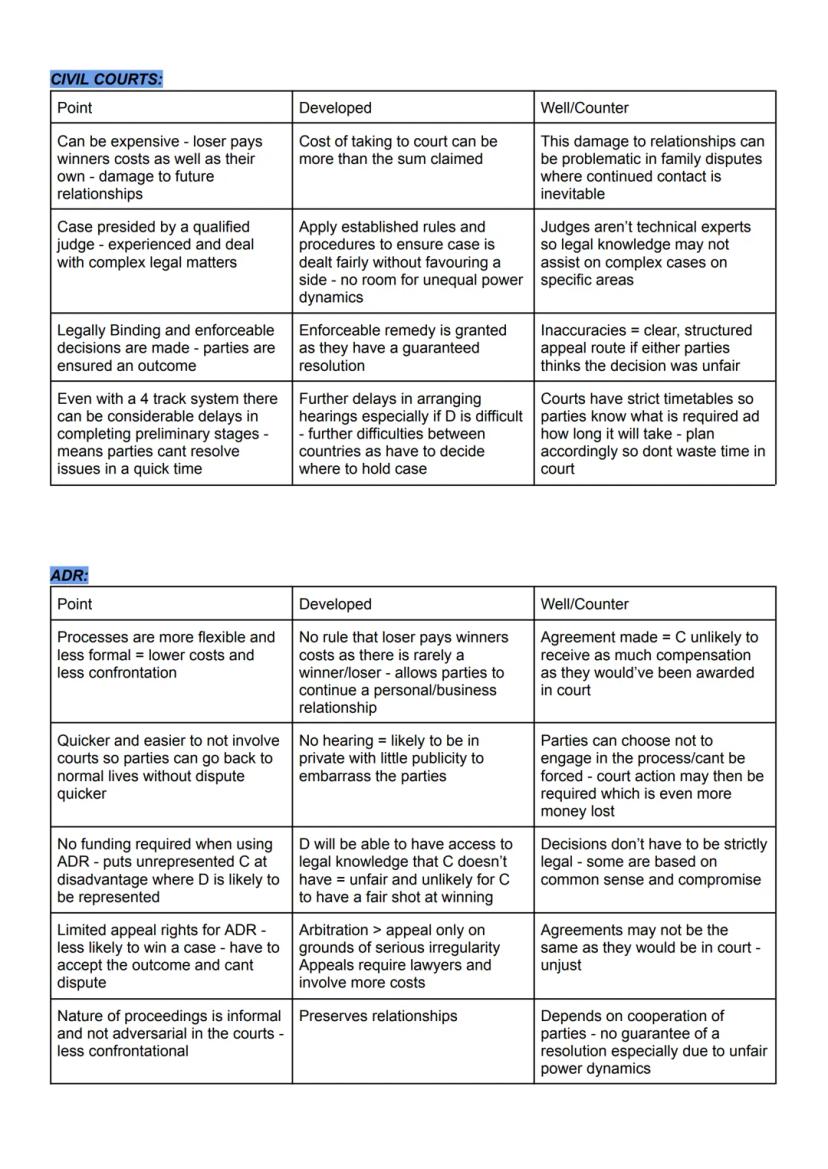
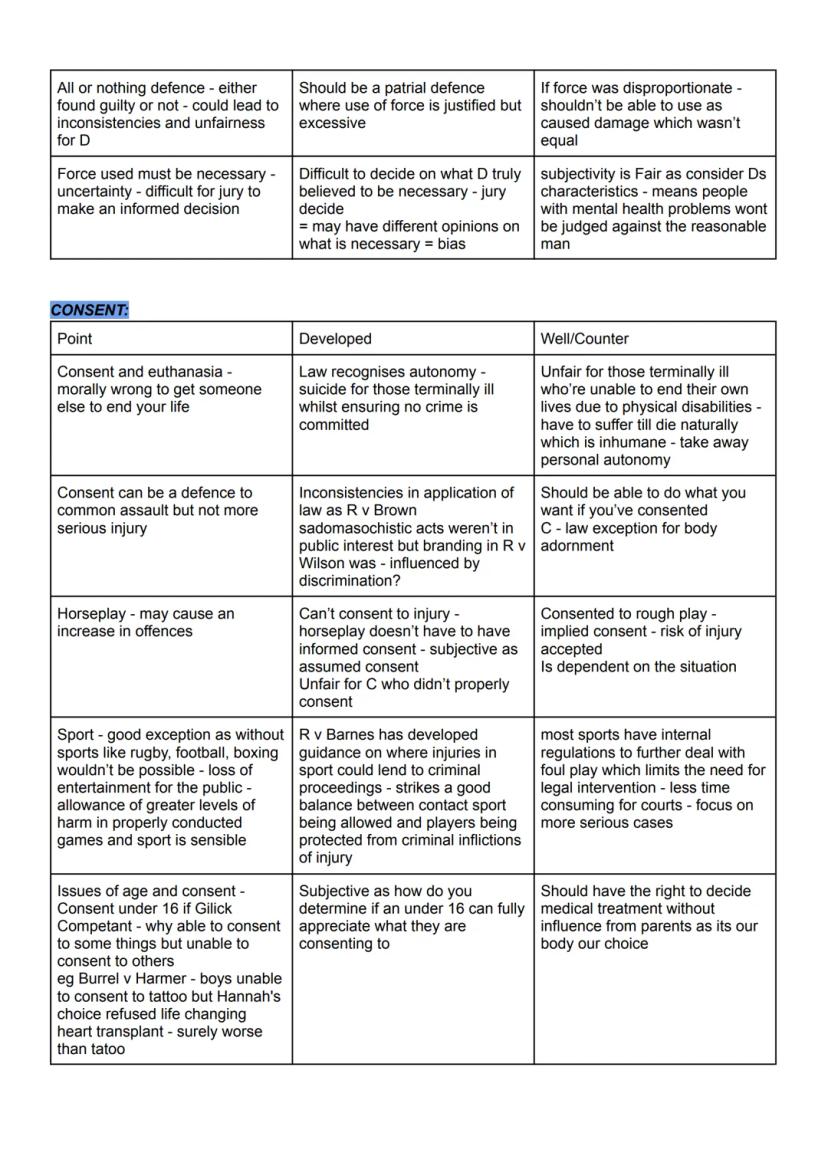
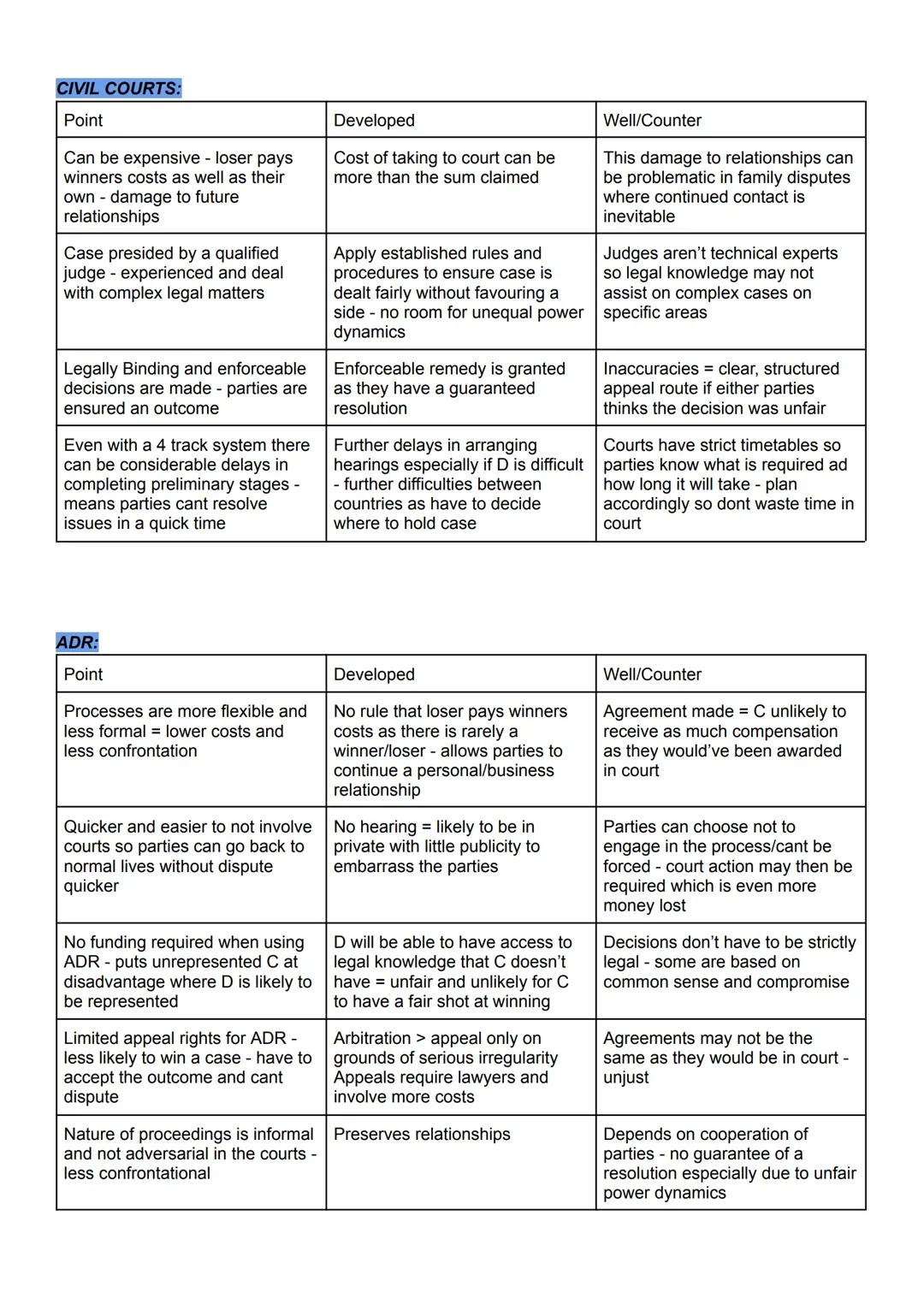
Civil courts might seem like the obvious choice for legal disputes, but they come with serious drawbacks. The loser pays both sides' costs, which can actually exceed the amount you're claiming! Plus, even with a four-track system, you're looking at massive delays that keep your life on hold.
However, courts do offer some solid advantages. You get a qualified judge who knows complex legal matters inside out, and their decisions are legally binding and enforceable - so you're guaranteed an outcome. They follow established rules to ensure fairness, with no room for unequal power dynamics to mess things up.
ADR methods like mediation and arbitration are more flexible and less formal, meaning lower costs and less confrontation. You can get back to normal life much quicker without the stress of lengthy court proceedings. The informal nature preserves relationships, which is brilliant for family disputes or business partnerships.
Key insight: ADR has limited appeal rights, so you'll likely have to accept whatever outcome you get - there's no disputing it later like you can with court decisions.
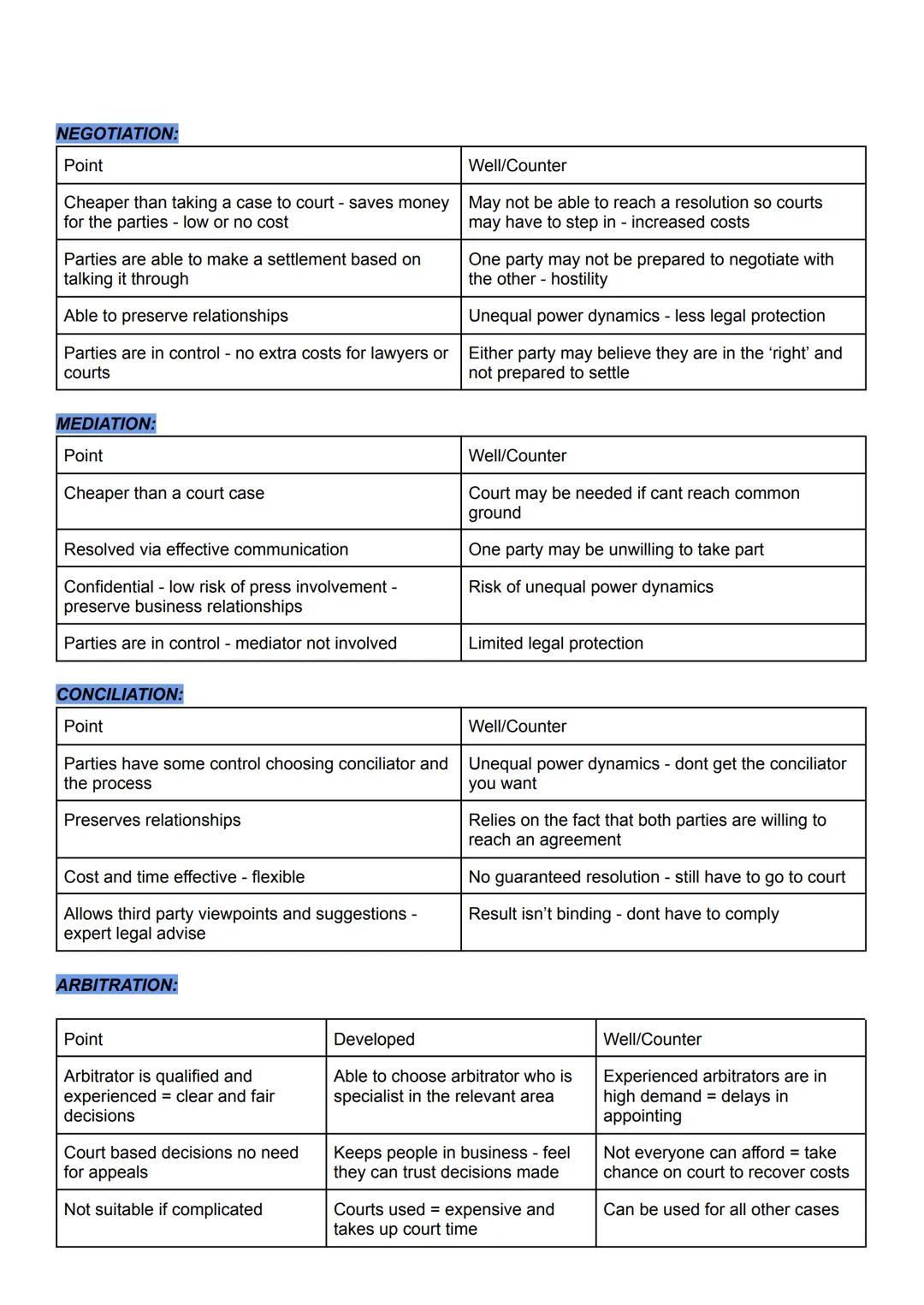
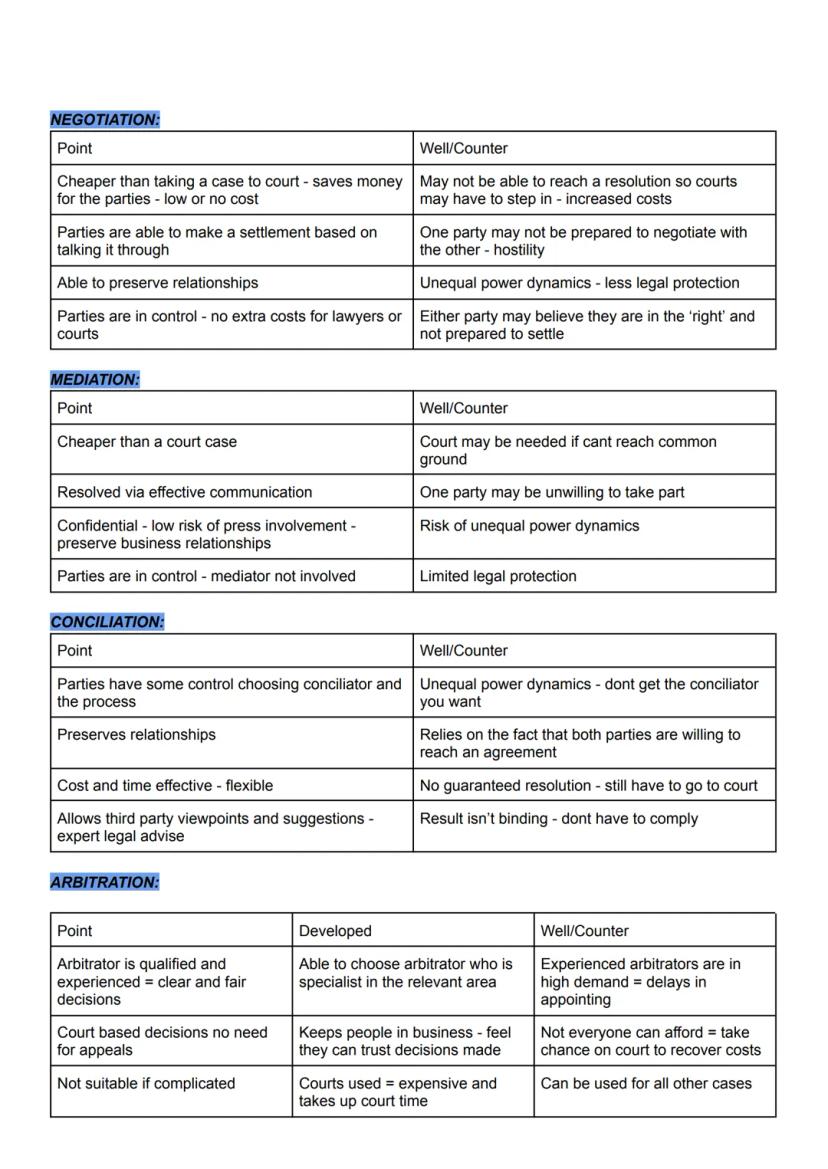
Negotiation is the cheapest option - often costing nothing at all. You're in complete control, and there's no need for expensive lawyers or court fees. However, if one party refuses to negotiate or believes they're absolutely right, you're stuck.
Mediation works through effective communication with a neutral third party helping out. It's confidential, which means low risk of embarrassing press coverage. The downside? If someone won't participate, you're back to square one, and there's still that risk of unequal power dynamics.
Conciliation gives you some control over choosing your conciliator and the process. It's cost and time effective whilst allowing expert legal advice from a third party. Unfortunately, the result isn't binding, so parties don't actually have to comply with what's decided.
Arbitration offers the most court-like experience with qualified, experienced arbitrators who can provide clear, fair decisions. You can choose a specialist arbitrator for your specific area. The catch? Experienced arbitrators are in high demand, causing delays, and it's not suitable for complicated cases.
Remember: All ADR methods depend on both parties being willing to cooperate - there's no guarantee you'll reach a resolution.
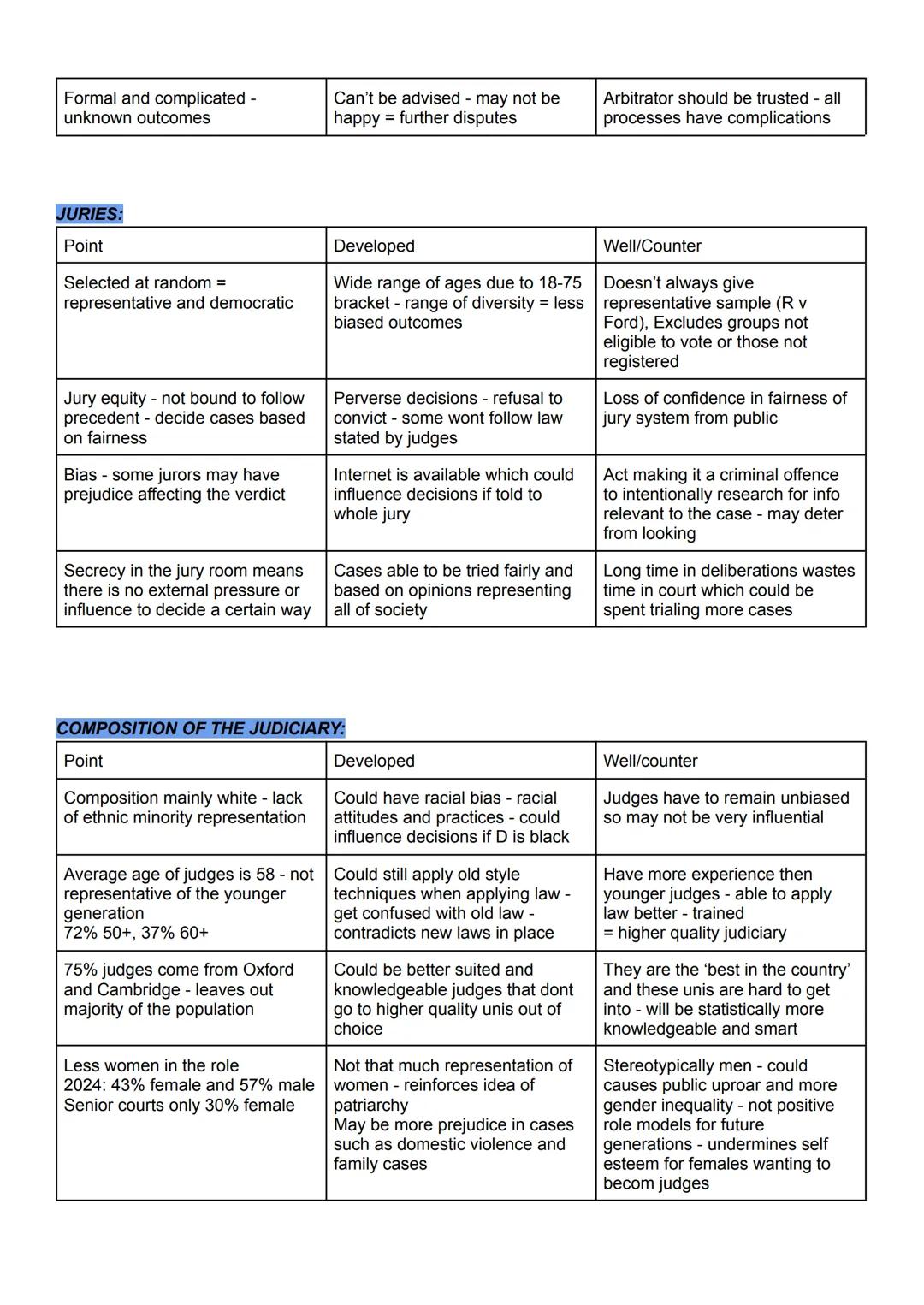
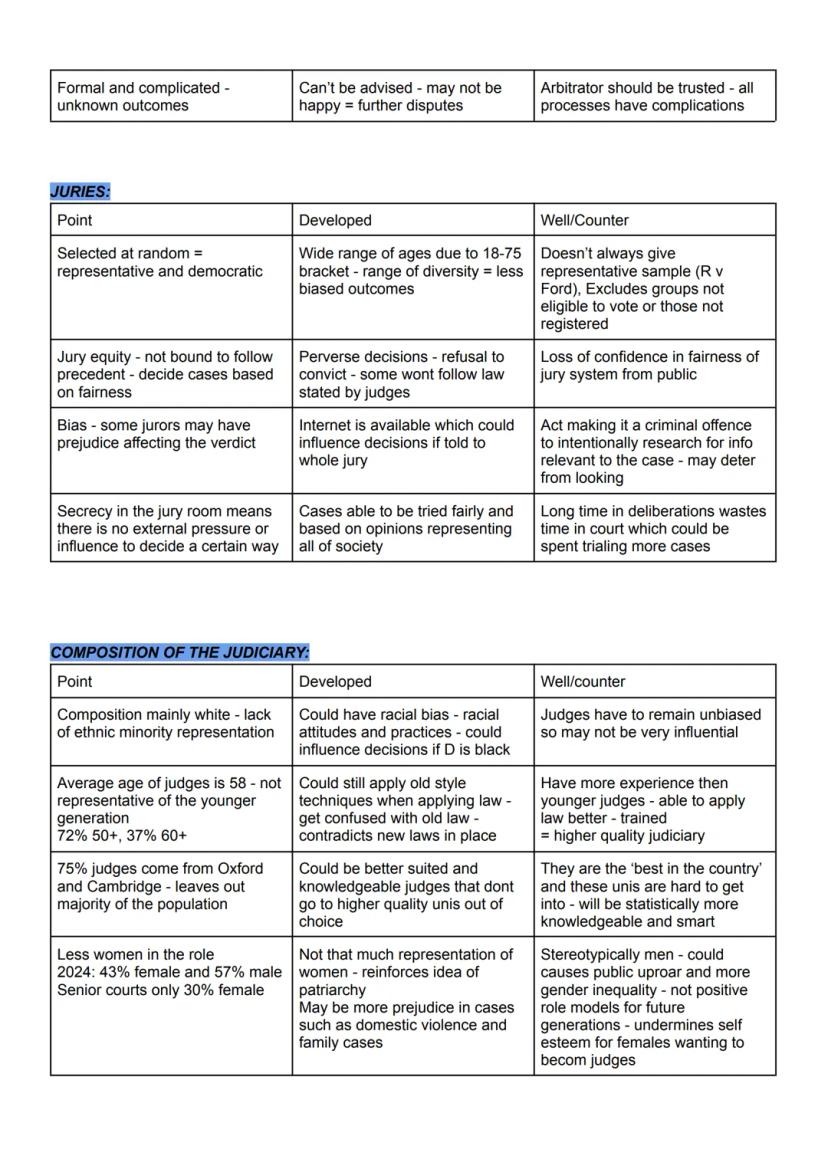
Juries are selected randomly from the population aged 18-75, making them genuinely representative and democratic. They operate with jury equity, meaning they're not bound to follow precedent and can decide cases based on pure fairness. The secrecy of the jury room protects them from external pressure.
However, this system isn't perfect. Bias creeps in when jurors have personal prejudices, and perverse decisions happen when juries refuse to convict despite clear evidence. Internet access during trials can influence decisions, though it's now a criminal offence to research case information.
Judicial composition reveals some concerning patterns. The judiciary is mainly white with limited ethnic minority representation, potentially leading to racial bias in decisions. With 72% of judges over 50 and 75% coming from Oxford or Cambridge, you're looking at a pretty narrow slice of society.
Gender representation is improving - 43% of judges are now female - but senior courts still only have 30% women. This reinforces ideas about patriarchy and may create prejudice in domestic violence and family cases.
Food for thought: While judges must remain unbiased, their life experiences inevitably shape their perspectives on justice.
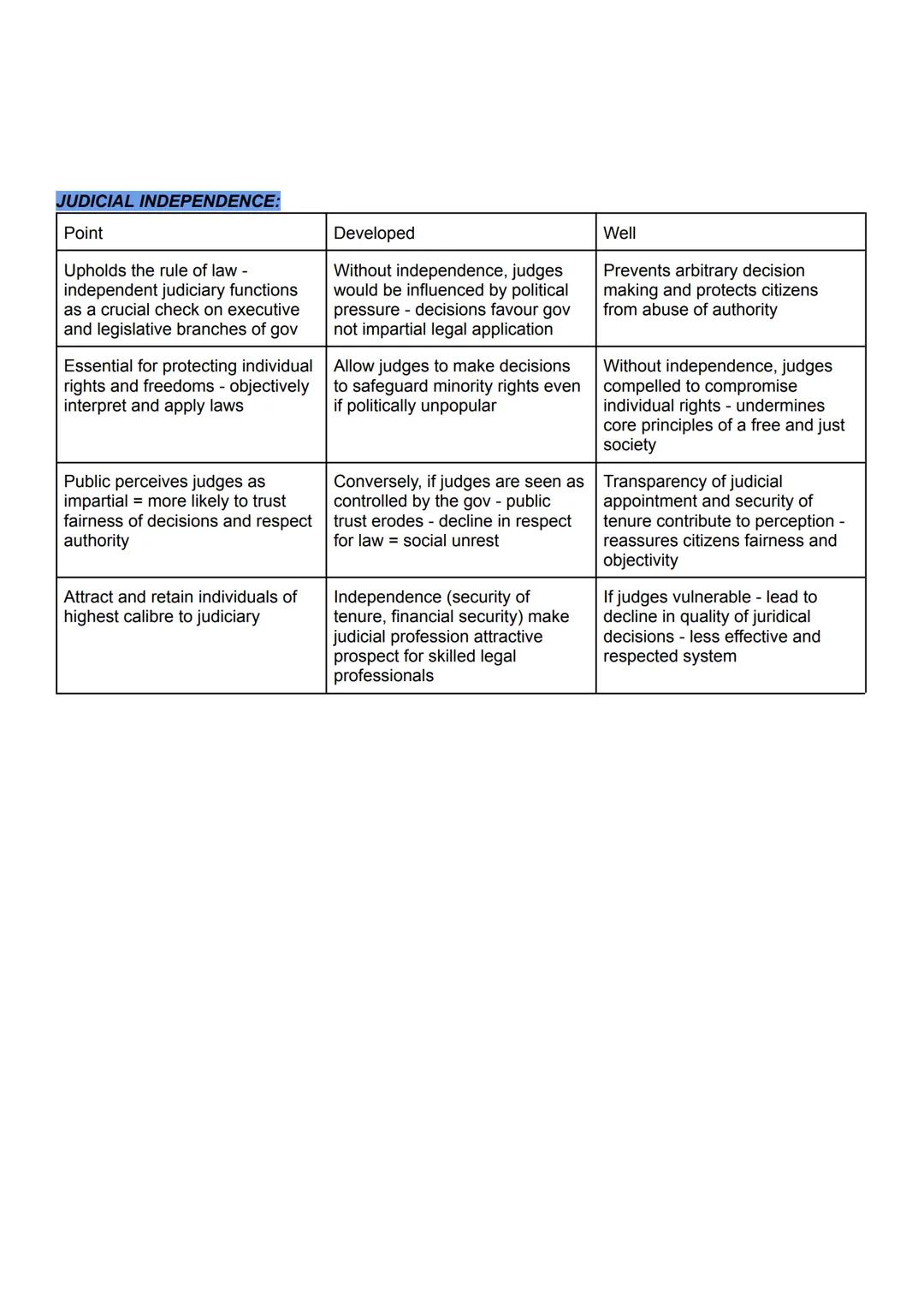
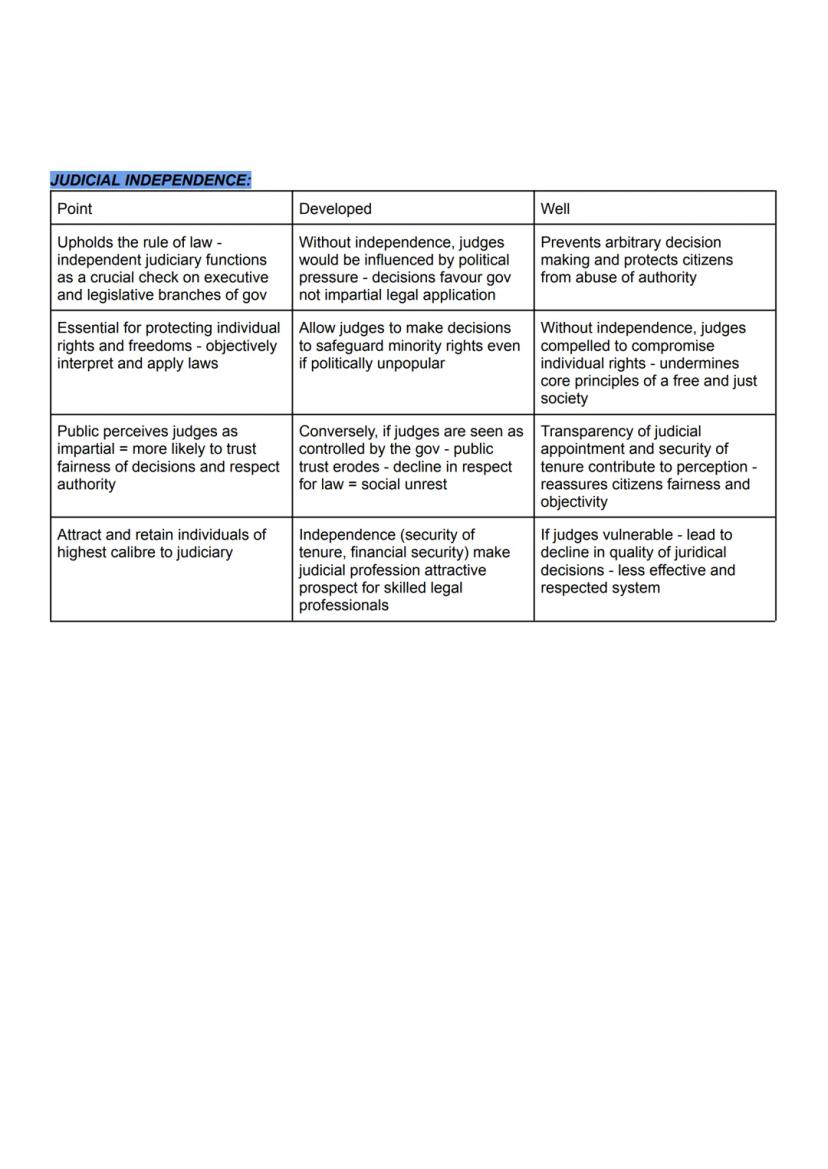
Judicial independence is absolutely fundamental to our legal system - it's what stops judges from being political puppets. Without it, judges would face political pressure and make decisions that favour the government rather than applying law impartially.
This independence is essential for protecting individual rights and freedoms. Judges need to interpret and apply laws objectively, even when their decisions are politically unpopular. Think about it - judges often have to protect minority rights that might not be popular with the majority.
Public trust depends entirely on people believing judges are impartial. If the public thinks judges are controlled by the government, trust erodes rapidly, leading to a decline in respect for law and potentially social unrest.
The system attracts high-quality legal professionals because security of tenure and financial security make the judicial profession attractive. Without these protections, judges would be vulnerable to external pressures, leading to lower quality decisions and a less effective legal system.
Why it matters: Judicial independence prevents arbitrary decision-making and protects you from abuse of authority by ensuring fair, transparent appointments.
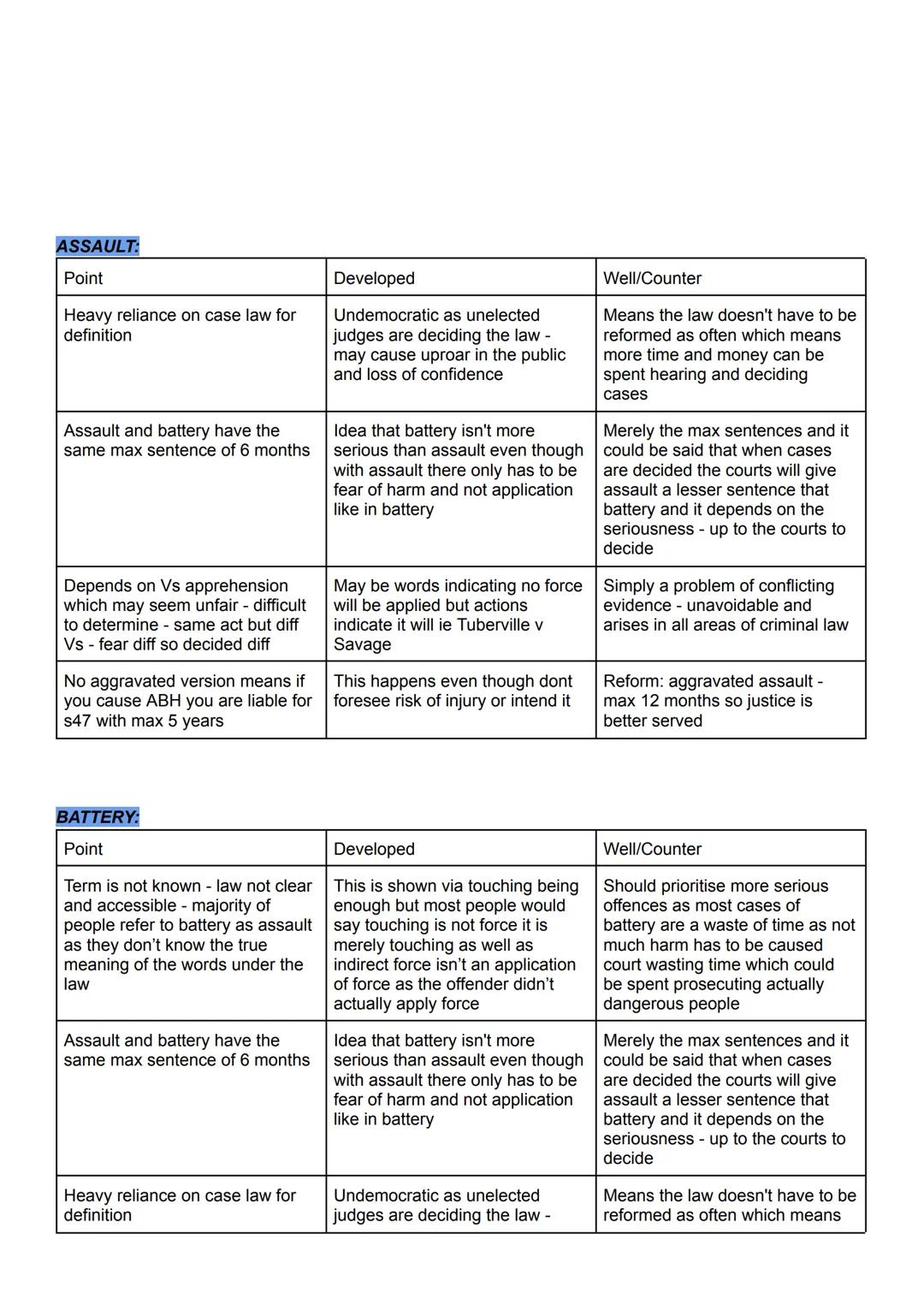
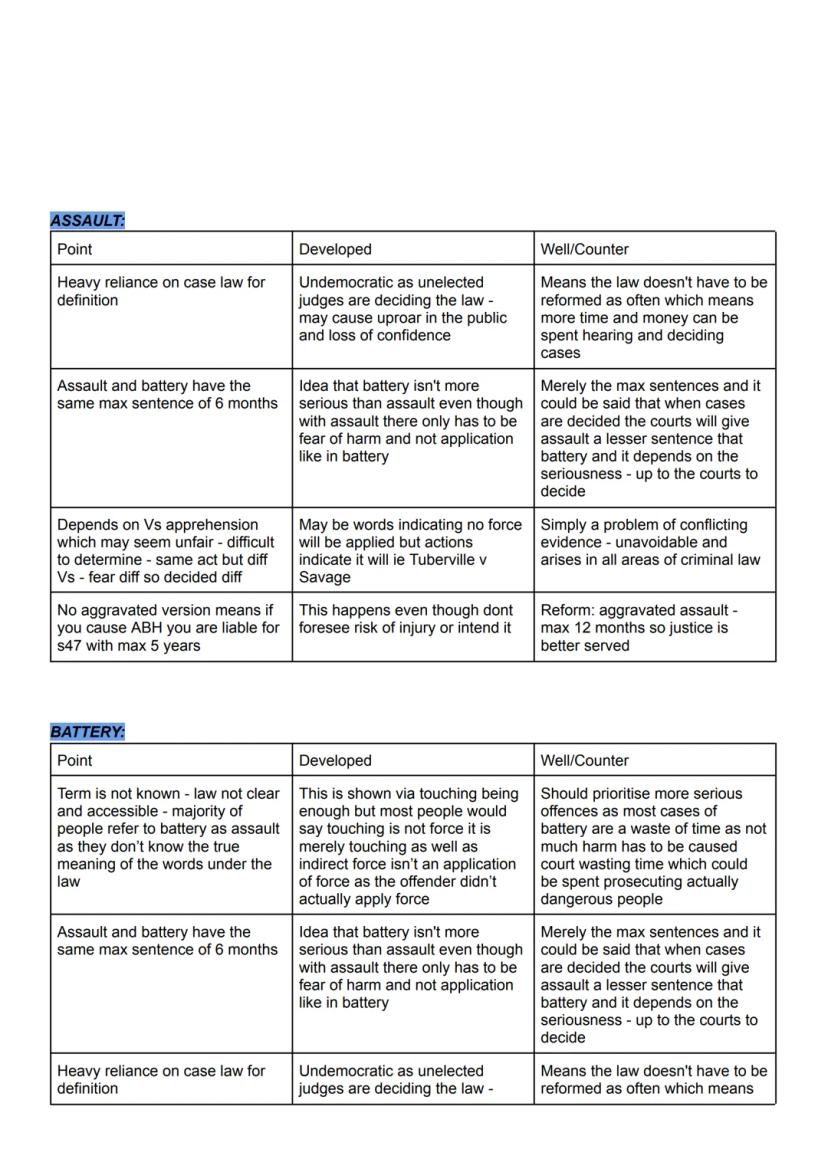
Assault and battery are often confused, but they're technically different offences with the same maximum sentence of six months. This seems unfair since battery involves actual force whilst assault only requires the victim to apprehend immediate harm.
The law relies heavily on case law for definitions, which is undemocratic since unelected judges are essentially making law. Most people don't realise that what they call "assault" is often legally "battery" - the terminology isn't clear or accessible.
Battery can occur through indirect force, which stretches the definition quite far. How can someone "apply force" indirectly? The courts have decided that actions like digging a hole someone falls into count as battery, even though the offender didn't directly touch the victim.
Both offences automatically escalate to Section 47 ABH if any injury occurs, even if you didn't intend or foresee it. This means a gentle push that causes someone to trip and bruise could land you with a maximum five-year sentence.
Legal reality check: The law prioritises more serious offences, so most minor battery cases are considered a waste of court time that could be spent prosecuting genuinely dangerous people.
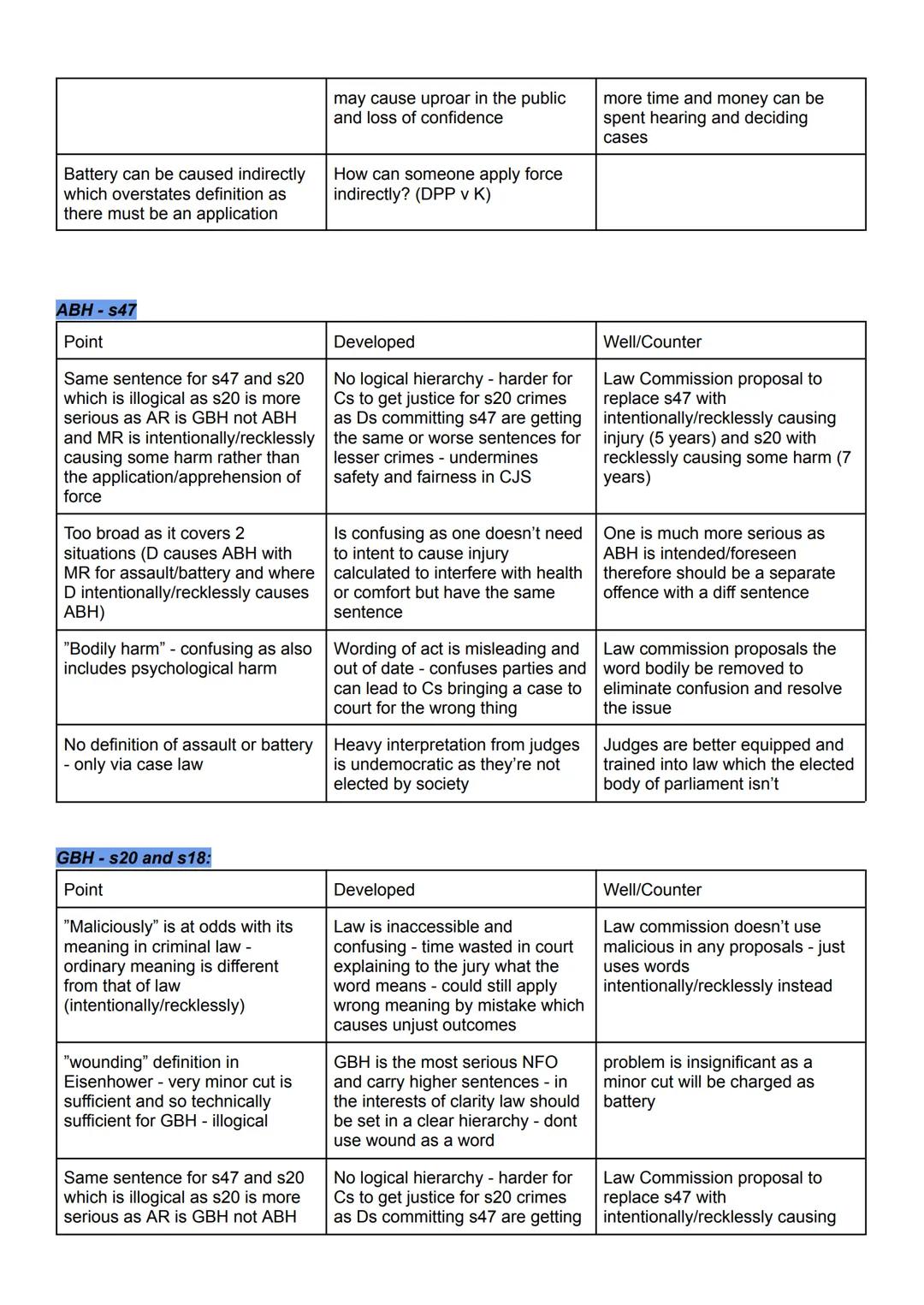
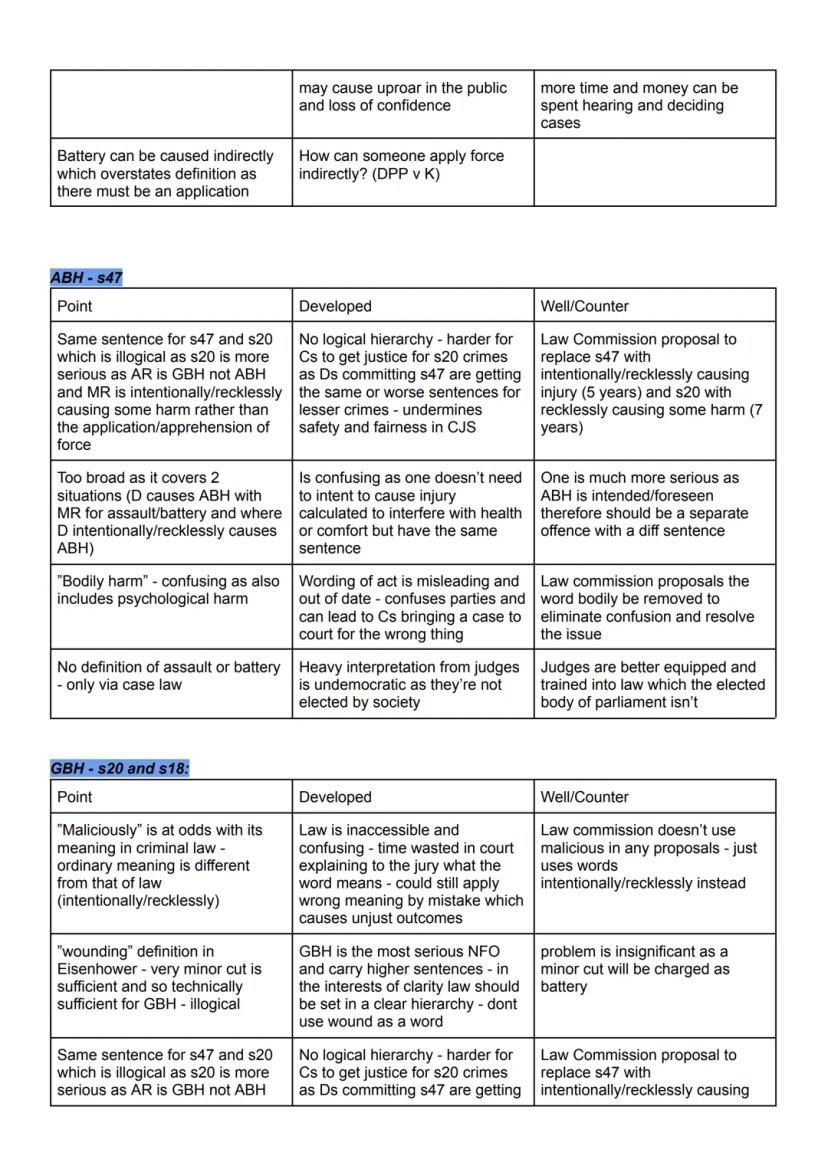
Section 47 ABH creates logical problems because it carries the same five-year maximum sentence as Section 20 GBH, even though GBH is clearly more serious. This makes it harder for victims to get justice since defendants committing more serious crimes get the same sentences as those committing lesser ones.
The law is confusingly broad - "bodily harm" includes psychological harm, which isn't obvious from the wording. The Act dates back to 1861, so the language is completely outdated and misleading for modern situations.
GBH offences (Sections 20 and 18) have their own issues. The word "maliciously" means something completely different in criminal law (intentionally or recklessly) than its ordinary meaning. Even a tiny cut counts as "wounding" under the legal definition, which seems illogical for such a serious charge.
The Law Commission has proposed reforms to create a clearer hierarchy: intentionally/recklessly causing injury (5 years) replacing Section 47, and recklessly causing serious harm (7 years) replacing Section 20. This would eliminate much of the current confusion.
Bottom line: The current system wastes court time explaining archaic terminology to juries, who might still apply the wrong meaning and cause unjust outcomes.
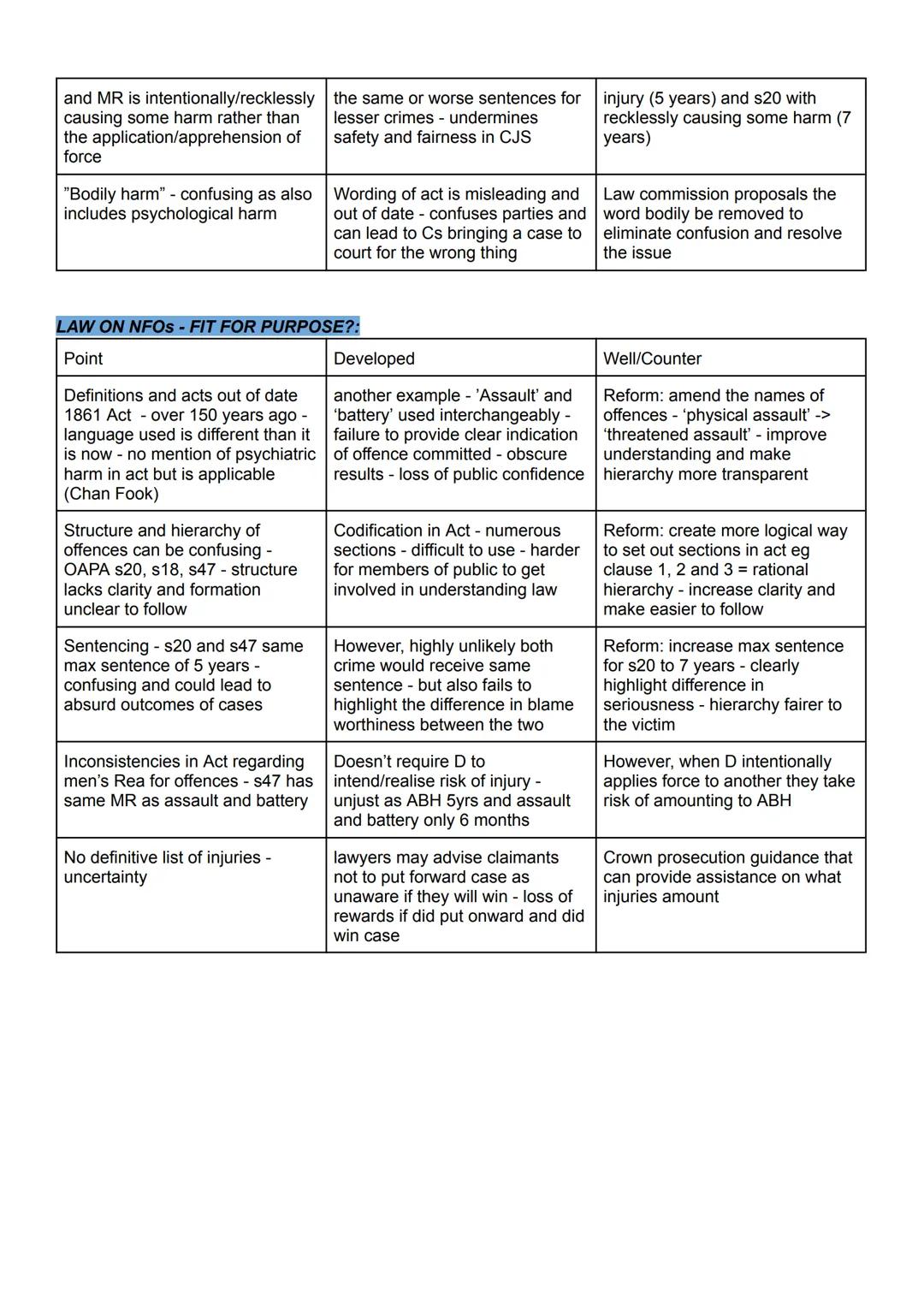
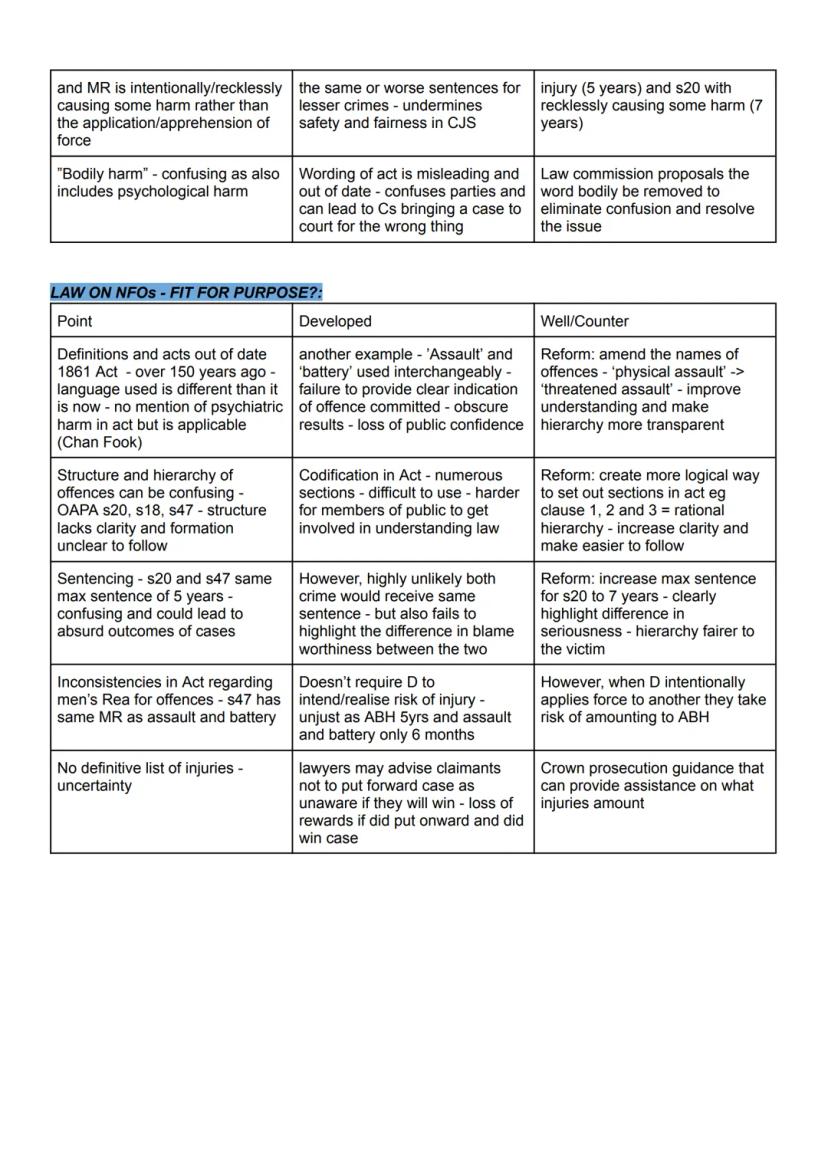
The 1861 Offences Against the Person Act is over 150 years old, making it seriously outdated. There's no mention of psychiatric harm in the original Act, yet it now applies thanks to cases like Chan Fook. The structure lacks clarity, with sections 47, 20, and 18 arranged in a confusing, non-logical order.
Sentencing inconsistencies create absurd situations where Section 20 and Section 47 have the same maximum sentence despite different levels of seriousness. Section 47 uses the same mens rea as basic assault and battery, meaning defendants don't need to intend or realise the risk of injury to get five years.
The lack of definitive injury lists creates uncertainty - lawyers might advise clients not to pursue cases because they can't predict outcomes. This means victims lose potential compensation they might have won.
However, reform proposals could solve these issues. Renaming offences (like changing 'assault' to 'threatened assault'), creating logical section numbering, and increasing Section 20's maximum to seven years would create a much fairer hierarchy.
The reality: Crown prosecution guidance does provide some assistance on what injuries amount to what charges, though the system remains fundamentally flawed.
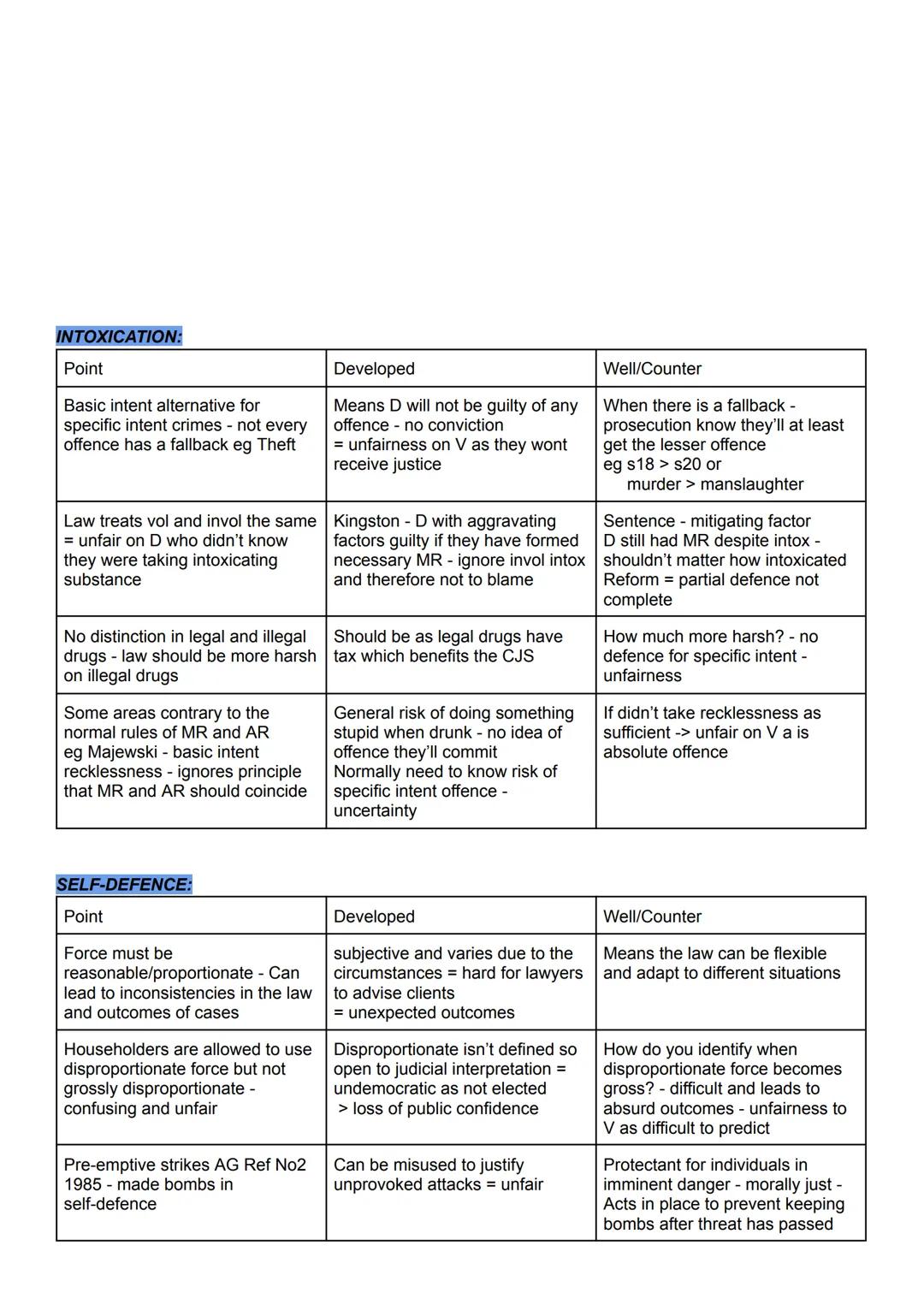
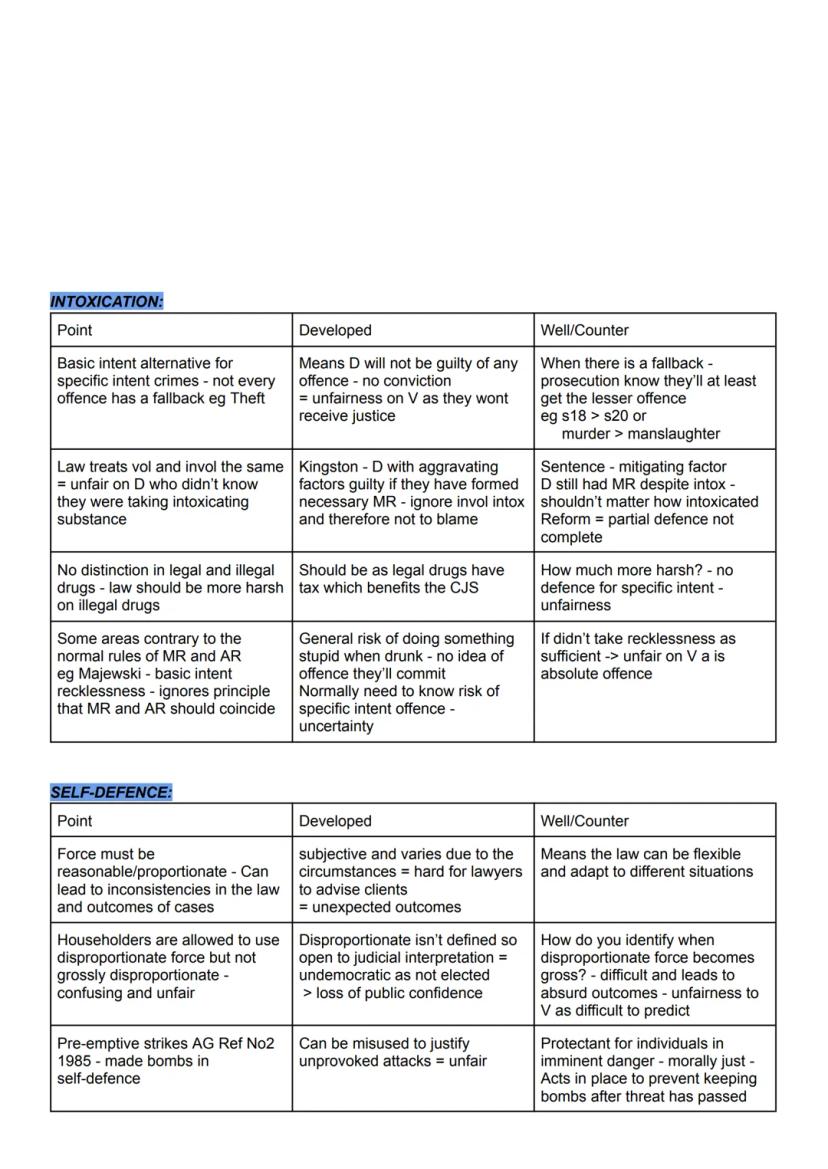
Intoxication creates tricky legal situations because the law treats voluntary and involuntary intoxication exactly the same - hardly fair on someone who didn't know they were taking an intoxicating substance. For specific intent crimes like theft, there's often no basic intent alternative, meaning completely intoxicated defendants might escape conviction entirely.
The law makes no distinction between legal and illegal drugs, though some argue legal drugs should be treated more leniently since taxes on them help fund the criminal justice system. However, the Majewski rule means that for basic intent crimes, becoming intoxicated counts as recklessness - you're taking a general risk of doing something stupid.
Self-defence operates on reasonableness and proportionality, but these are subjective concepts that vary wildly between cases. This makes it nearly impossible for lawyers to advise clients on likely outcomes. Householders get special protection - they can use disproportionate force as long as it's not "grossly disproportionate," though nobody knows where that line is.
The law allows pre-emptive strikes when you genuinely believe attack is imminent, but this can be misused to justify unprovoked attacks. It's an all-or-nothing defence - you're either guilty or not guilty, with no middle ground for excessive but understandable force.
Key principle: Self-defence considers what the defendant truly believed was necessary, making it highly subjective and dependent on individual circumstances.
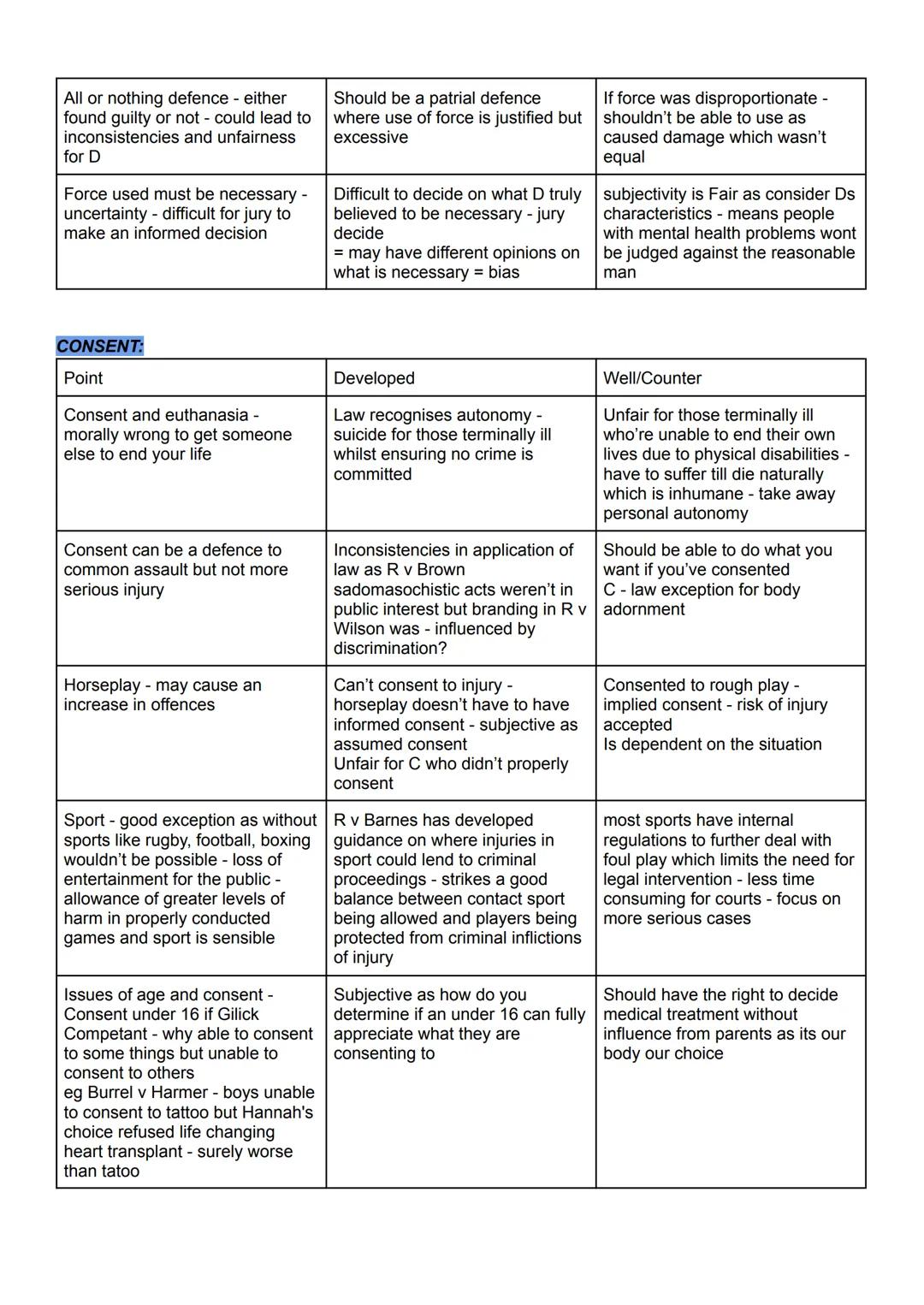
Consent works as a complete defence for common assault but not for more serious injuries - you can't consent to actual bodily harm or worse. This creates some weird inconsistencies, like the difference between R v Brown (sadomasochistic acts not in public interest) and R v Wilson (branding accepted as body adornment).
Sport gets special treatment because without consent, games like rugby and boxing would be impossible. R v Barnes developed guidance on when sports injuries could lead to criminal proceedings, striking a balance between allowing contact sports and protecting players from genuinely criminal attacks.
Age and consent create particularly tricky situations. Under-16s can consent if they're "Gilick competent," but this leads to bizarre outcomes. In Burrel v Harmer, boys couldn't consent to tattoos, yet some under-16s are refused life-saving medical treatment - surely the tattoo is less serious?
Horseplay operates on implied consent - if you're engaged in rough play, you're assumed to have consented to the risk of injury. However, this doesn't require informed consent, making it subjective and potentially unfair to victims who didn't properly understand the risks.
The moral question: Should terminally ill people who can't physically end their own lives be forced to suffer until natural death, or does personal autonomy matter more?
Our AI Companion is a student-focused AI tool that offers more than just answers. Built on millions of Knowunity resources, it provides relevant information, personalised study plans, quizzes, and content directly in the chat, adapting to your individual learning journey.
You can download the app from Google Play Store and Apple App Store.
That's right! Enjoy free access to study content, connect with fellow students, and get instant help – all at your fingertips.
App Store
Google Play
The app is very easy to use and well designed. I have found everything I was looking for so far and have been able to learn a lot from the presentations! I will definitely use the app for a class assignment! And of course it also helps a lot as an inspiration.
Stefan S
iOS user
This app is really great. There are so many study notes and help [...]. My problem subject is French, for example, and the app has so many options for help. Thanks to this app, I have improved my French. I would recommend it to anyone.
Samantha Klich
Android user
Wow, I am really amazed. I just tried the app because I've seen it advertised many times and was absolutely stunned. This app is THE HELP you want for school and above all, it offers so many things, such as workouts and fact sheets, which have been VERY helpful to me personally.
Anna
iOS user
Best app on earth! no words because it’s too good
Thomas R
iOS user
Just amazing. Let's me revise 10x better, this app is a quick 10/10. I highly recommend it to anyone. I can watch and search for notes. I can save them in the subject folder. I can revise it any time when I come back. If you haven't tried this app, you're really missing out.
Basil
Android user
This app has made me feel so much more confident in my exam prep, not only through boosting my own self confidence through the features that allow you to connect with others and feel less alone, but also through the way the app itself is centred around making you feel better. It is easy to navigate, fun to use, and helpful to anyone struggling in absolutely any way.
David K
iOS user
The app's just great! All I have to do is enter the topic in the search bar and I get the response real fast. I don't have to watch 10 YouTube videos to understand something, so I'm saving my time. Highly recommended!
Sudenaz Ocak
Android user
In school I was really bad at maths but thanks to the app, I am doing better now. I am so grateful that you made the app.
Greenlight Bonnie
Android user
very reliable app to help and grow your ideas of Maths, English and other related topics in your works. please use this app if your struggling in areas, this app is key for that. wish I'd of done a review before. and it's also free so don't worry about that.
Rohan U
Android user
I know a lot of apps use fake accounts to boost their reviews but this app deserves it all. Originally I was getting 4 in my English exams and this time I got a grade 7. I didn’t even know about this app three days until the exam and it has helped A LOT. Please actually trust me and use it as I’m sure you too will see developments.
Xander S
iOS user
THE QUIZES AND FLASHCARDS ARE SO USEFUL AND I LOVE Knowunity AI. IT ALSO IS LITREALLY LIKE CHATGPT BUT SMARTER!! HELPED ME WITH MY MASCARA PROBLEMS TOO!! AS WELL AS MY REAL SUBJECTS ! DUHHH 😍😁😲🤑💗✨🎀😮
Elisha
iOS user
This apps acc the goat. I find revision so boring but this app makes it so easy to organize it all and then you can ask the freeeee ai to test yourself so good and you can easily upload your own stuff. highly recommend as someone taking mocks now
Paul T
iOS user
The app is very easy to use and well designed. I have found everything I was looking for so far and have been able to learn a lot from the presentations! I will definitely use the app for a class assignment! And of course it also helps a lot as an inspiration.
Stefan S
iOS user
This app is really great. There are so many study notes and help [...]. My problem subject is French, for example, and the app has so many options for help. Thanks to this app, I have improved my French. I would recommend it to anyone.
Samantha Klich
Android user
Wow, I am really amazed. I just tried the app because I've seen it advertised many times and was absolutely stunned. This app is THE HELP you want for school and above all, it offers so many things, such as workouts and fact sheets, which have been VERY helpful to me personally.
Anna
iOS user
Best app on earth! no words because it’s too good
Thomas R
iOS user
Just amazing. Let's me revise 10x better, this app is a quick 10/10. I highly recommend it to anyone. I can watch and search for notes. I can save them in the subject folder. I can revise it any time when I come back. If you haven't tried this app, you're really missing out.
Basil
Android user
This app has made me feel so much more confident in my exam prep, not only through boosting my own self confidence through the features that allow you to connect with others and feel less alone, but also through the way the app itself is centred around making you feel better. It is easy to navigate, fun to use, and helpful to anyone struggling in absolutely any way.
David K
iOS user
The app's just great! All I have to do is enter the topic in the search bar and I get the response real fast. I don't have to watch 10 YouTube videos to understand something, so I'm saving my time. Highly recommended!
Sudenaz Ocak
Android user
In school I was really bad at maths but thanks to the app, I am doing better now. I am so grateful that you made the app.
Greenlight Bonnie
Android user
very reliable app to help and grow your ideas of Maths, English and other related topics in your works. please use this app if your struggling in areas, this app is key for that. wish I'd of done a review before. and it's also free so don't worry about that.
Rohan U
Android user
I know a lot of apps use fake accounts to boost their reviews but this app deserves it all. Originally I was getting 4 in my English exams and this time I got a grade 7. I didn’t even know about this app three days until the exam and it has helped A LOT. Please actually trust me and use it as I’m sure you too will see developments.
Xander S
iOS user
THE QUIZES AND FLASHCARDS ARE SO USEFUL AND I LOVE Knowunity AI. IT ALSO IS LITREALLY LIKE CHATGPT BUT SMARTER!! HELPED ME WITH MY MASCARA PROBLEMS TOO!! AS WELL AS MY REAL SUBJECTS ! DUHHH 😍😁😲🤑💗✨🎀😮
Elisha
iOS user
This apps acc the goat. I find revision so boring but this app makes it so easy to organize it all and then you can ask the freeeee ai to test yourself so good and you can easily upload your own stuff. highly recommend as someone taking mocks now
Paul T
iOS user
Paige 💕
@paigebreckenridge
Understanding how civil courts and alternative dispute resolution (ADR) work is crucial for anyone thinking about resolving legal problems. You'll also need to grasp how juries function, what makes judges independent, and the key principles behind criminal offences like assault... Show more
Access to all documents
Improve your grades
Join milions of students
Civil courts might seem like the obvious choice for legal disputes, but they come with serious drawbacks. The loser pays both sides' costs, which can actually exceed the amount you're claiming! Plus, even with a four-track system, you're looking at massive delays that keep your life on hold.
However, courts do offer some solid advantages. You get a qualified judge who knows complex legal matters inside out, and their decisions are legally binding and enforceable - so you're guaranteed an outcome. They follow established rules to ensure fairness, with no room for unequal power dynamics to mess things up.
ADR methods like mediation and arbitration are more flexible and less formal, meaning lower costs and less confrontation. You can get back to normal life much quicker without the stress of lengthy court proceedings. The informal nature preserves relationships, which is brilliant for family disputes or business partnerships.
Key insight: ADR has limited appeal rights, so you'll likely have to accept whatever outcome you get - there's no disputing it later like you can with court decisions.
Access to all documents
Improve your grades
Join milions of students
Negotiation is the cheapest option - often costing nothing at all. You're in complete control, and there's no need for expensive lawyers or court fees. However, if one party refuses to negotiate or believes they're absolutely right, you're stuck.
Mediation works through effective communication with a neutral third party helping out. It's confidential, which means low risk of embarrassing press coverage. The downside? If someone won't participate, you're back to square one, and there's still that risk of unequal power dynamics.
Conciliation gives you some control over choosing your conciliator and the process. It's cost and time effective whilst allowing expert legal advice from a third party. Unfortunately, the result isn't binding, so parties don't actually have to comply with what's decided.
Arbitration offers the most court-like experience with qualified, experienced arbitrators who can provide clear, fair decisions. You can choose a specialist arbitrator for your specific area. The catch? Experienced arbitrators are in high demand, causing delays, and it's not suitable for complicated cases.
Remember: All ADR methods depend on both parties being willing to cooperate - there's no guarantee you'll reach a resolution.
Access to all documents
Improve your grades
Join milions of students
Juries are selected randomly from the population aged 18-75, making them genuinely representative and democratic. They operate with jury equity, meaning they're not bound to follow precedent and can decide cases based on pure fairness. The secrecy of the jury room protects them from external pressure.
However, this system isn't perfect. Bias creeps in when jurors have personal prejudices, and perverse decisions happen when juries refuse to convict despite clear evidence. Internet access during trials can influence decisions, though it's now a criminal offence to research case information.
Judicial composition reveals some concerning patterns. The judiciary is mainly white with limited ethnic minority representation, potentially leading to racial bias in decisions. With 72% of judges over 50 and 75% coming from Oxford or Cambridge, you're looking at a pretty narrow slice of society.
Gender representation is improving - 43% of judges are now female - but senior courts still only have 30% women. This reinforces ideas about patriarchy and may create prejudice in domestic violence and family cases.
Food for thought: While judges must remain unbiased, their life experiences inevitably shape their perspectives on justice.
Access to all documents
Improve your grades
Join milions of students
Judicial independence is absolutely fundamental to our legal system - it's what stops judges from being political puppets. Without it, judges would face political pressure and make decisions that favour the government rather than applying law impartially.
This independence is essential for protecting individual rights and freedoms. Judges need to interpret and apply laws objectively, even when their decisions are politically unpopular. Think about it - judges often have to protect minority rights that might not be popular with the majority.
Public trust depends entirely on people believing judges are impartial. If the public thinks judges are controlled by the government, trust erodes rapidly, leading to a decline in respect for law and potentially social unrest.
The system attracts high-quality legal professionals because security of tenure and financial security make the judicial profession attractive. Without these protections, judges would be vulnerable to external pressures, leading to lower quality decisions and a less effective legal system.
Why it matters: Judicial independence prevents arbitrary decision-making and protects you from abuse of authority by ensuring fair, transparent appointments.
Access to all documents
Improve your grades
Join milions of students
Assault and battery are often confused, but they're technically different offences with the same maximum sentence of six months. This seems unfair since battery involves actual force whilst assault only requires the victim to apprehend immediate harm.
The law relies heavily on case law for definitions, which is undemocratic since unelected judges are essentially making law. Most people don't realise that what they call "assault" is often legally "battery" - the terminology isn't clear or accessible.
Battery can occur through indirect force, which stretches the definition quite far. How can someone "apply force" indirectly? The courts have decided that actions like digging a hole someone falls into count as battery, even though the offender didn't directly touch the victim.
Both offences automatically escalate to Section 47 ABH if any injury occurs, even if you didn't intend or foresee it. This means a gentle push that causes someone to trip and bruise could land you with a maximum five-year sentence.
Legal reality check: The law prioritises more serious offences, so most minor battery cases are considered a waste of court time that could be spent prosecuting genuinely dangerous people.
Access to all documents
Improve your grades
Join milions of students
Section 47 ABH creates logical problems because it carries the same five-year maximum sentence as Section 20 GBH, even though GBH is clearly more serious. This makes it harder for victims to get justice since defendants committing more serious crimes get the same sentences as those committing lesser ones.
The law is confusingly broad - "bodily harm" includes psychological harm, which isn't obvious from the wording. The Act dates back to 1861, so the language is completely outdated and misleading for modern situations.
GBH offences (Sections 20 and 18) have their own issues. The word "maliciously" means something completely different in criminal law (intentionally or recklessly) than its ordinary meaning. Even a tiny cut counts as "wounding" under the legal definition, which seems illogical for such a serious charge.
The Law Commission has proposed reforms to create a clearer hierarchy: intentionally/recklessly causing injury (5 years) replacing Section 47, and recklessly causing serious harm (7 years) replacing Section 20. This would eliminate much of the current confusion.
Bottom line: The current system wastes court time explaining archaic terminology to juries, who might still apply the wrong meaning and cause unjust outcomes.
Access to all documents
Improve your grades
Join milions of students
The 1861 Offences Against the Person Act is over 150 years old, making it seriously outdated. There's no mention of psychiatric harm in the original Act, yet it now applies thanks to cases like Chan Fook. The structure lacks clarity, with sections 47, 20, and 18 arranged in a confusing, non-logical order.
Sentencing inconsistencies create absurd situations where Section 20 and Section 47 have the same maximum sentence despite different levels of seriousness. Section 47 uses the same mens rea as basic assault and battery, meaning defendants don't need to intend or realise the risk of injury to get five years.
The lack of definitive injury lists creates uncertainty - lawyers might advise clients not to pursue cases because they can't predict outcomes. This means victims lose potential compensation they might have won.
However, reform proposals could solve these issues. Renaming offences (like changing 'assault' to 'threatened assault'), creating logical section numbering, and increasing Section 20's maximum to seven years would create a much fairer hierarchy.
The reality: Crown prosecution guidance does provide some assistance on what injuries amount to what charges, though the system remains fundamentally flawed.
Access to all documents
Improve your grades
Join milions of students
Intoxication creates tricky legal situations because the law treats voluntary and involuntary intoxication exactly the same - hardly fair on someone who didn't know they were taking an intoxicating substance. For specific intent crimes like theft, there's often no basic intent alternative, meaning completely intoxicated defendants might escape conviction entirely.
The law makes no distinction between legal and illegal drugs, though some argue legal drugs should be treated more leniently since taxes on them help fund the criminal justice system. However, the Majewski rule means that for basic intent crimes, becoming intoxicated counts as recklessness - you're taking a general risk of doing something stupid.
Self-defence operates on reasonableness and proportionality, but these are subjective concepts that vary wildly between cases. This makes it nearly impossible for lawyers to advise clients on likely outcomes. Householders get special protection - they can use disproportionate force as long as it's not "grossly disproportionate," though nobody knows where that line is.
The law allows pre-emptive strikes when you genuinely believe attack is imminent, but this can be misused to justify unprovoked attacks. It's an all-or-nothing defence - you're either guilty or not guilty, with no middle ground for excessive but understandable force.
Key principle: Self-defence considers what the defendant truly believed was necessary, making it highly subjective and dependent on individual circumstances.
Access to all documents
Improve your grades
Join milions of students
Consent works as a complete defence for common assault but not for more serious injuries - you can't consent to actual bodily harm or worse. This creates some weird inconsistencies, like the difference between R v Brown (sadomasochistic acts not in public interest) and R v Wilson (branding accepted as body adornment).
Sport gets special treatment because without consent, games like rugby and boxing would be impossible. R v Barnes developed guidance on when sports injuries could lead to criminal proceedings, striking a balance between allowing contact sports and protecting players from genuinely criminal attacks.
Age and consent create particularly tricky situations. Under-16s can consent if they're "Gilick competent," but this leads to bizarre outcomes. In Burrel v Harmer, boys couldn't consent to tattoos, yet some under-16s are refused life-saving medical treatment - surely the tattoo is less serious?
Horseplay operates on implied consent - if you're engaged in rough play, you're assumed to have consented to the risk of injury. However, this doesn't require informed consent, making it subjective and potentially unfair to victims who didn't properly understand the risks.
The moral question: Should terminally ill people who can't physically end their own lives be forced to suffer until natural death, or does personal autonomy matter more?
Our AI Companion is a student-focused AI tool that offers more than just answers. Built on millions of Knowunity resources, it provides relevant information, personalised study plans, quizzes, and content directly in the chat, adapting to your individual learning journey.
You can download the app from Google Play Store and Apple App Store.
That's right! Enjoy free access to study content, connect with fellow students, and get instant help – all at your fingertips.
0
Smart Tools NEW
Transform this note into: ✓ 50+ Practice Questions ✓ Interactive Flashcards ✓ Full Mock Exam ✓ Essay Outlines
App Store
Google Play
The app is very easy to use and well designed. I have found everything I was looking for so far and have been able to learn a lot from the presentations! I will definitely use the app for a class assignment! And of course it also helps a lot as an inspiration.
Stefan S
iOS user
This app is really great. There are so many study notes and help [...]. My problem subject is French, for example, and the app has so many options for help. Thanks to this app, I have improved my French. I would recommend it to anyone.
Samantha Klich
Android user
Wow, I am really amazed. I just tried the app because I've seen it advertised many times and was absolutely stunned. This app is THE HELP you want for school and above all, it offers so many things, such as workouts and fact sheets, which have been VERY helpful to me personally.
Anna
iOS user
Best app on earth! no words because it’s too good
Thomas R
iOS user
Just amazing. Let's me revise 10x better, this app is a quick 10/10. I highly recommend it to anyone. I can watch and search for notes. I can save them in the subject folder. I can revise it any time when I come back. If you haven't tried this app, you're really missing out.
Basil
Android user
This app has made me feel so much more confident in my exam prep, not only through boosting my own self confidence through the features that allow you to connect with others and feel less alone, but also through the way the app itself is centred around making you feel better. It is easy to navigate, fun to use, and helpful to anyone struggling in absolutely any way.
David K
iOS user
The app's just great! All I have to do is enter the topic in the search bar and I get the response real fast. I don't have to watch 10 YouTube videos to understand something, so I'm saving my time. Highly recommended!
Sudenaz Ocak
Android user
In school I was really bad at maths but thanks to the app, I am doing better now. I am so grateful that you made the app.
Greenlight Bonnie
Android user
very reliable app to help and grow your ideas of Maths, English and other related topics in your works. please use this app if your struggling in areas, this app is key for that. wish I'd of done a review before. and it's also free so don't worry about that.
Rohan U
Android user
I know a lot of apps use fake accounts to boost their reviews but this app deserves it all. Originally I was getting 4 in my English exams and this time I got a grade 7. I didn’t even know about this app three days until the exam and it has helped A LOT. Please actually trust me and use it as I’m sure you too will see developments.
Xander S
iOS user
THE QUIZES AND FLASHCARDS ARE SO USEFUL AND I LOVE Knowunity AI. IT ALSO IS LITREALLY LIKE CHATGPT BUT SMARTER!! HELPED ME WITH MY MASCARA PROBLEMS TOO!! AS WELL AS MY REAL SUBJECTS ! DUHHH 😍😁😲🤑💗✨🎀😮
Elisha
iOS user
This apps acc the goat. I find revision so boring but this app makes it so easy to organize it all and then you can ask the freeeee ai to test yourself so good and you can easily upload your own stuff. highly recommend as someone taking mocks now
Paul T
iOS user
The app is very easy to use and well designed. I have found everything I was looking for so far and have been able to learn a lot from the presentations! I will definitely use the app for a class assignment! And of course it also helps a lot as an inspiration.
Stefan S
iOS user
This app is really great. There are so many study notes and help [...]. My problem subject is French, for example, and the app has so many options for help. Thanks to this app, I have improved my French. I would recommend it to anyone.
Samantha Klich
Android user
Wow, I am really amazed. I just tried the app because I've seen it advertised many times and was absolutely stunned. This app is THE HELP you want for school and above all, it offers so many things, such as workouts and fact sheets, which have been VERY helpful to me personally.
Anna
iOS user
Best app on earth! no words because it’s too good
Thomas R
iOS user
Just amazing. Let's me revise 10x better, this app is a quick 10/10. I highly recommend it to anyone. I can watch and search for notes. I can save them in the subject folder. I can revise it any time when I come back. If you haven't tried this app, you're really missing out.
Basil
Android user
This app has made me feel so much more confident in my exam prep, not only through boosting my own self confidence through the features that allow you to connect with others and feel less alone, but also through the way the app itself is centred around making you feel better. It is easy to navigate, fun to use, and helpful to anyone struggling in absolutely any way.
David K
iOS user
The app's just great! All I have to do is enter the topic in the search bar and I get the response real fast. I don't have to watch 10 YouTube videos to understand something, so I'm saving my time. Highly recommended!
Sudenaz Ocak
Android user
In school I was really bad at maths but thanks to the app, I am doing better now. I am so grateful that you made the app.
Greenlight Bonnie
Android user
very reliable app to help and grow your ideas of Maths, English and other related topics in your works. please use this app if your struggling in areas, this app is key for that. wish I'd of done a review before. and it's also free so don't worry about that.
Rohan U
Android user
I know a lot of apps use fake accounts to boost their reviews but this app deserves it all. Originally I was getting 4 in my English exams and this time I got a grade 7. I didn’t even know about this app three days until the exam and it has helped A LOT. Please actually trust me and use it as I’m sure you too will see developments.
Xander S
iOS user
THE QUIZES AND FLASHCARDS ARE SO USEFUL AND I LOVE Knowunity AI. IT ALSO IS LITREALLY LIKE CHATGPT BUT SMARTER!! HELPED ME WITH MY MASCARA PROBLEMS TOO!! AS WELL AS MY REAL SUBJECTS ! DUHHH 😍😁😲🤑💗✨🎀😮
Elisha
iOS user
This apps acc the goat. I find revision so boring but this app makes it so easy to organize it all and then you can ask the freeeee ai to test yourself so good and you can easily upload your own stuff. highly recommend as someone taking mocks now
Paul T
iOS user