Labelling Theory and Modern Society
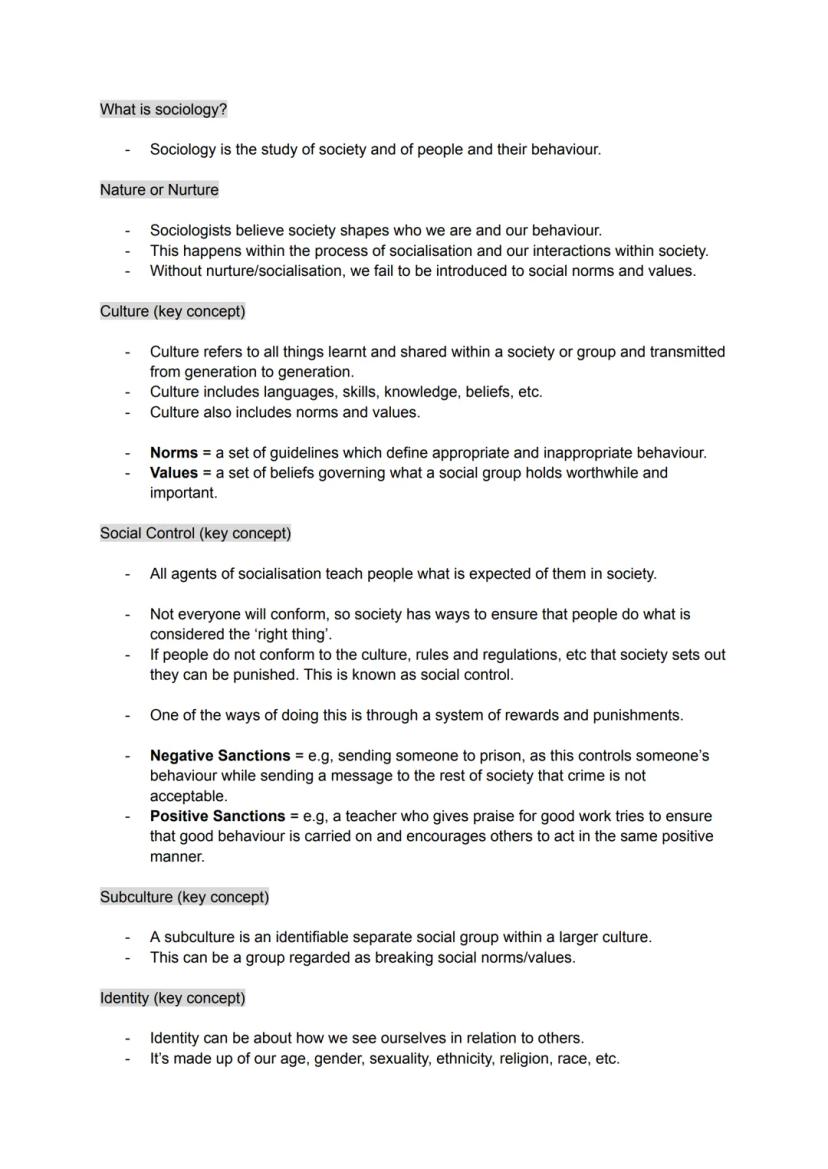
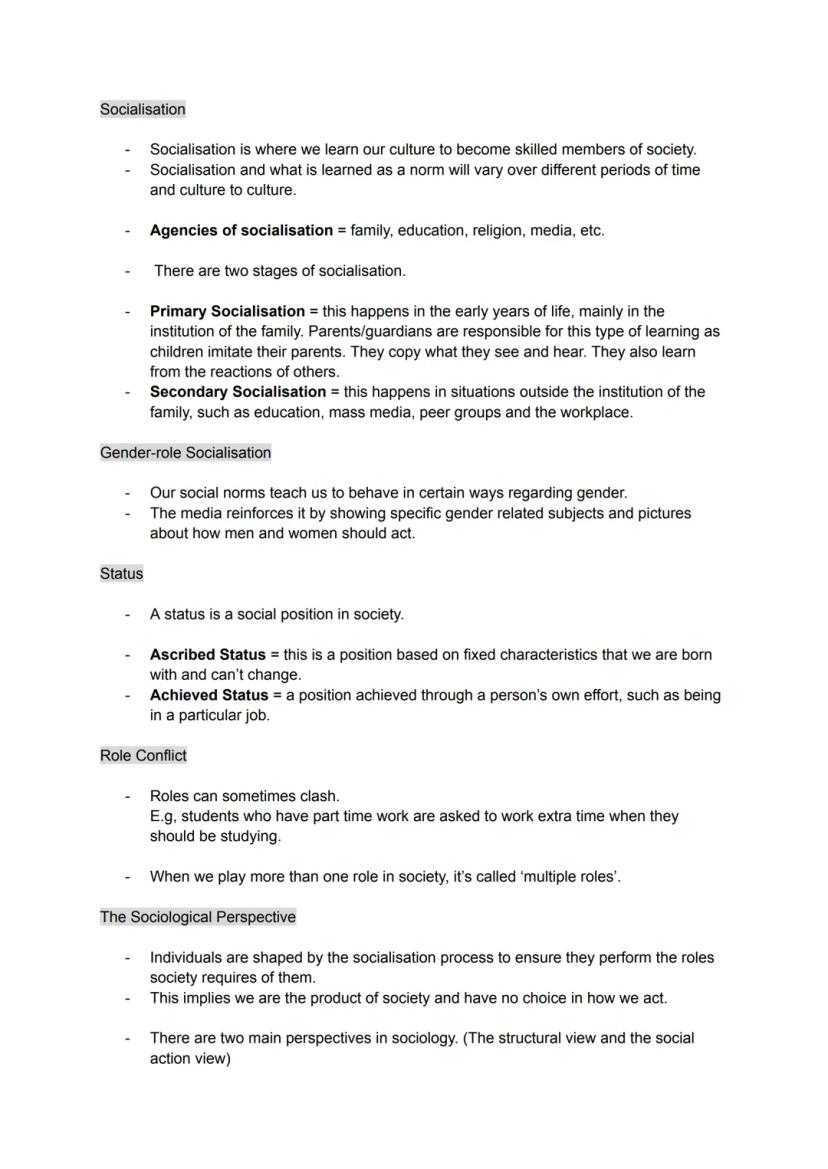
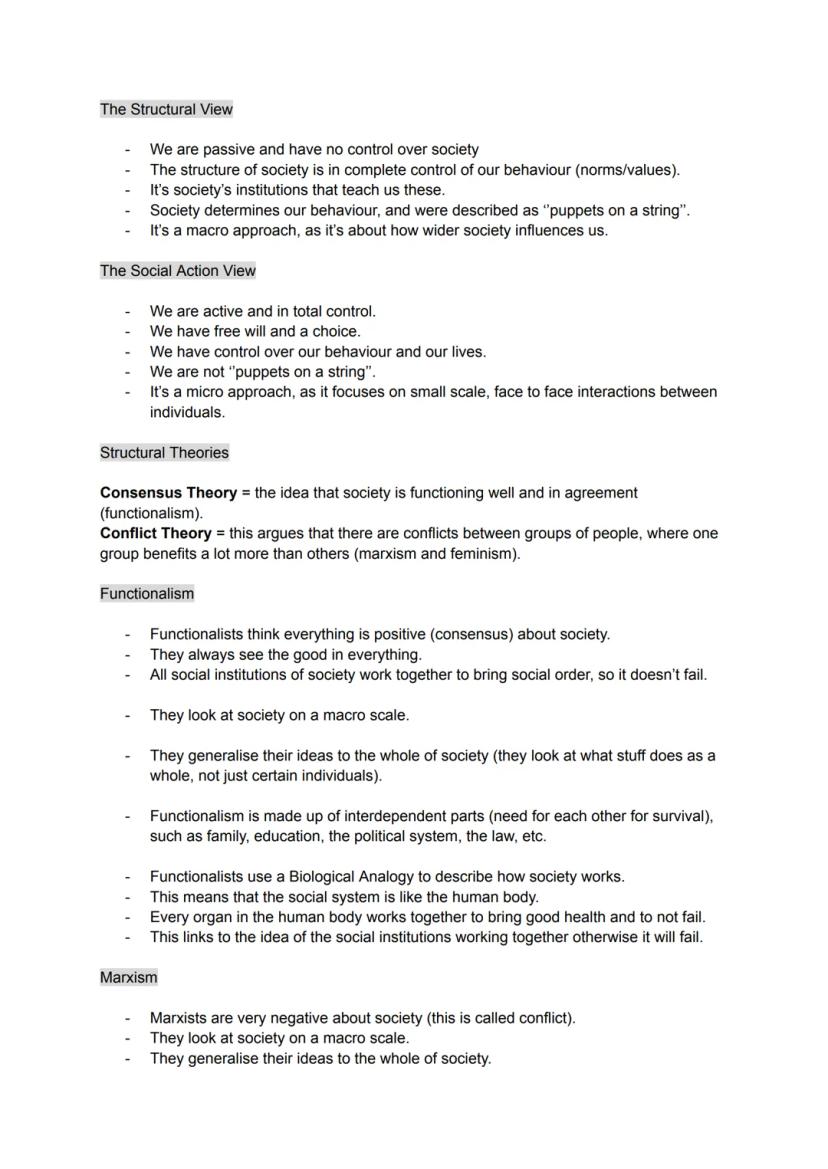
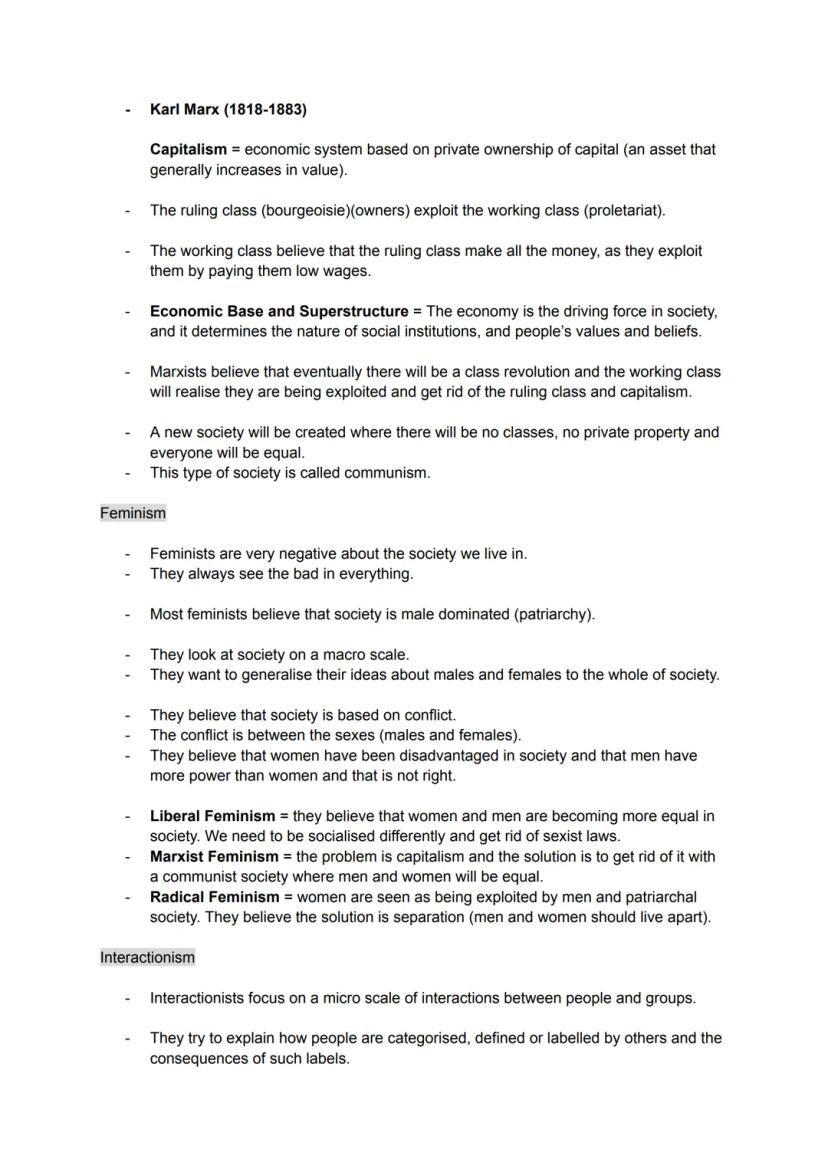
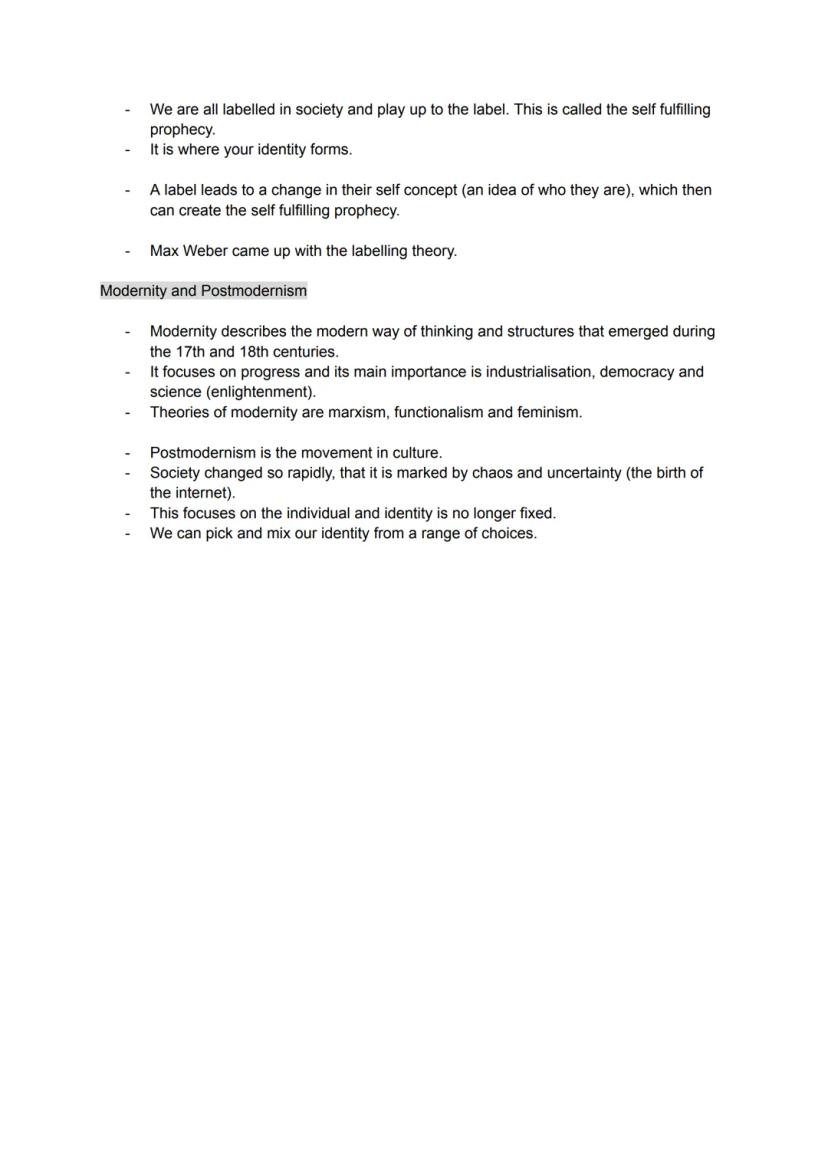
Labelling theory, developed by Max Weber, explains how society's labels affect our behaviour through the self-fulfilling prophecy. When others label you in certain ways, you may unconsciously live up to those expectations, shaping your self-concept and identity formation.
Modernity emerged during the 17th-18th centuries, emphasising progress through industrialisation, democracy, and scientific enlightenment. Traditional sociological theories like Marxism, functionalism, and feminism developed during this period to explain modern society's structures.
Postmodernism represents society's rapid transformation, particularly with internet emergence, creating chaos and uncertainty. Unlike modernity's fixed structures, postmodern society offers pick-and-mix identities where individuals can choose from various lifestyle options.
In postmodern society, identity becomes fluid rather than fixed. You're no longer trapped by traditional categories but can actively construct your identity from diverse cultural influences and choices available in our interconnected world.
Think About It: Consider how social media allows you to present different versions of yourself - this flexibility perfectly illustrates postmodern identity construction.

 Sociology
 Psychology
 English Literature
 Biology