
Ever wondered what Catholics actually believe and how they put... Show more
 Religious Studies
 Humanities
 Sociology
 English Literature
 Biology
Sign up to see the contentIt's free!
Access to all documents
Improve your grades
Join milions of students
Knowunity AI
Subjects
Triangle Congruence and Similarity Theorems
Triangle Properties and Classification
Linear Equations and Graphs
Geometric Angle Relationships
Trigonometric Functions and Identities
Equation Solving Techniques
Circle Geometry Fundamentals
Division Operations and Methods
Basic Differentiation Rules
Exponent and Logarithm Properties
Show all topics
Human Organ Systems
Reproductive Cell Cycles
Biological Sciences Subdisciplines
Cellular Energy Metabolism
Autotrophic Energy Processes
Inheritance Patterns and Principles
Biomolecular Structure and Organization
Cell Cycle and Division Mechanics
Cellular Organization and Development
Biological Structural Organization
Show all topics
Chemical Sciences and Applications
Atomic Structure and Composition
Molecular Electron Structure Representation
Atomic Electron Behavior
Matter Properties and Water
Mole Concept and Calculations
Gas Laws and Behavior
Periodic Table Organization
Chemical Thermodynamics Fundamentals
Chemical Bond Types and Properties
Show all topics
European Renaissance and Enlightenment
European Cultural Movements 800-1920
American Revolution Era 1763-1797
American Civil War 1861-1865
Global Imperial Systems
Mongol and Chinese Dynasties
U.S. Presidents and World Leaders
Historical Sources and Documentation
World Wars Era and Impact
World Religious Systems
Show all topics
Classic and Contemporary Novels
Literary Character Analysis
Rhetorical Theory and Practice
Classic Literary Narratives
Reading Analysis and Interpretation
Narrative Structure and Techniques
English Language Components
Influential English-Language Authors
Basic Sentence Structure
Narrative Voice and Perspective
Show all topics
537
•
Updated Apr 6, 2026
•
java73):?
@mjh375_pfwi
Ever wondered what Catholics actually believe and how they put... Show more
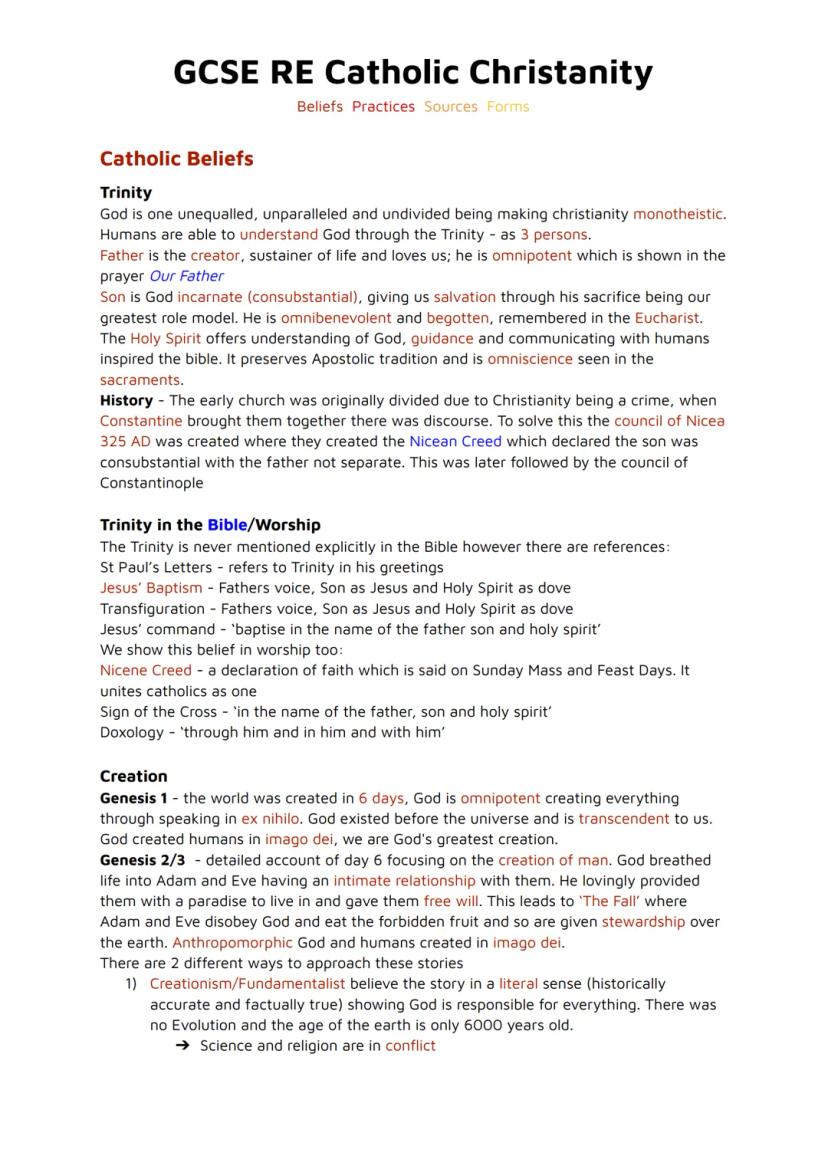



The Trinity might seem confusing, but it's actually Christianity's way of understanding one God in three persons. Think of it like water existing as liquid, ice, and steam - still water, but in different forms. The Father creates and sustains life, the Son (Jesus) shows God's love through sacrifice, and the Holy Spirit guides and inspires us.
This belief wasn't just made up randomly. Early Christians had major disagreements about Jesus's nature until the Council of Nicaea in 325 AD settled it with the Nicene Creed. You'll hear this creed recited at Sunday Mass - it's basically Christianity's mission statement.
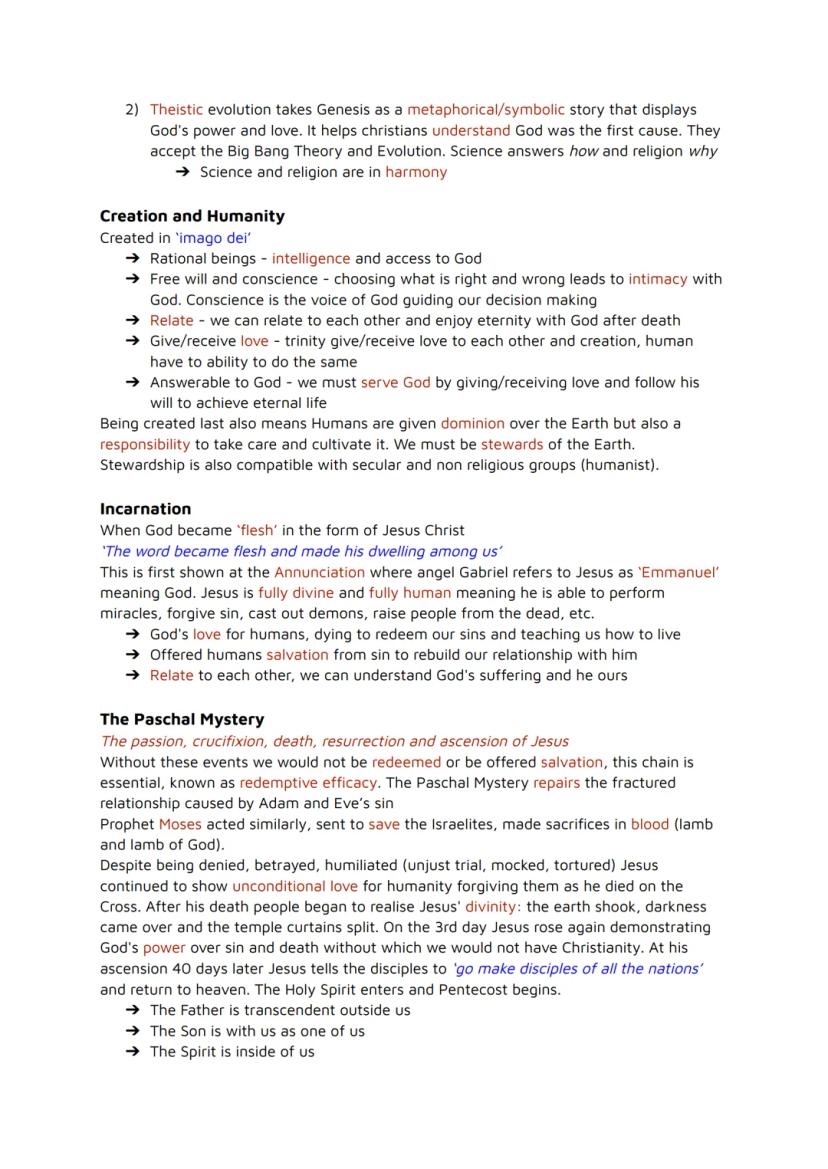
When it comes to creation, Catholics aren't all stuck in the past. Sure, Genesis talks about six days, but most Catholics see this as symbolic rather than literal. Theistic evolution allows Catholics to accept both God as creator and scientific theories like the Big Bang. It's not about choosing science versus religion - it's about understanding that science explains 'how' whilst religion explains 'why'.
Quick Fact: The word 'Trinity' never actually appears in the Bible, but references like Jesus's baptism (Father's voice, Jesus present, Holy Spirit as dove) support the concept.
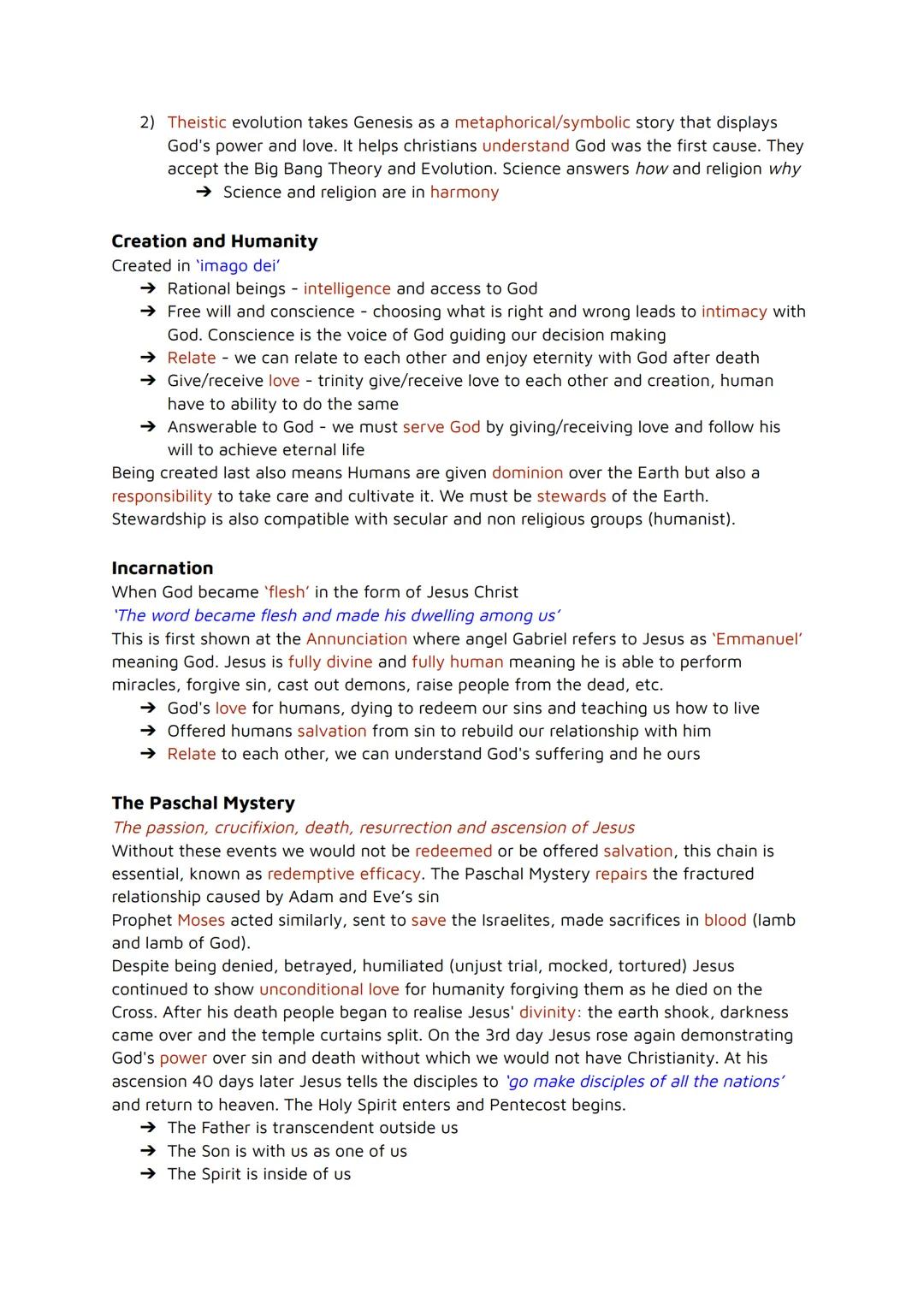
Catholics believe humans are special because we're created 'imago dei' (in God's image). This doesn't mean God looks like us physically - it means we share qualities that make us unique in creation. We can think rationally, make moral choices through free will, love deeply, and relate to others in meaningful ways.
This special status comes with responsibility though. Humans have stewardship over Earth, meaning we're caretakers rather than destroyers. This idea connects with modern environmental concerns - even non-religious groups can get behind the concept of looking after our planet.
The Incarnation is Christianity's boldest claim: God became human in Jesus Christ. This means Jesus was fully divine (performing miracles, forgiving sins) and fully human (experiencing pain, emotions, death). It's God's way of truly understanding human experience whilst offering us salvation.
The Paschal Mystery - Jesus's passion, death, resurrection, and ascension - is the heart of Christian belief. Without these events, there's no Christianity. Through Jesus's sacrifice, Catholics believe humanity's broken relationship with God (caused by sin) gets repaired, offering everyone the chance of eternal life.
Remember: The Incarnation means God didn't just observe human suffering from a distance - he experienced it firsthand through Jesus.
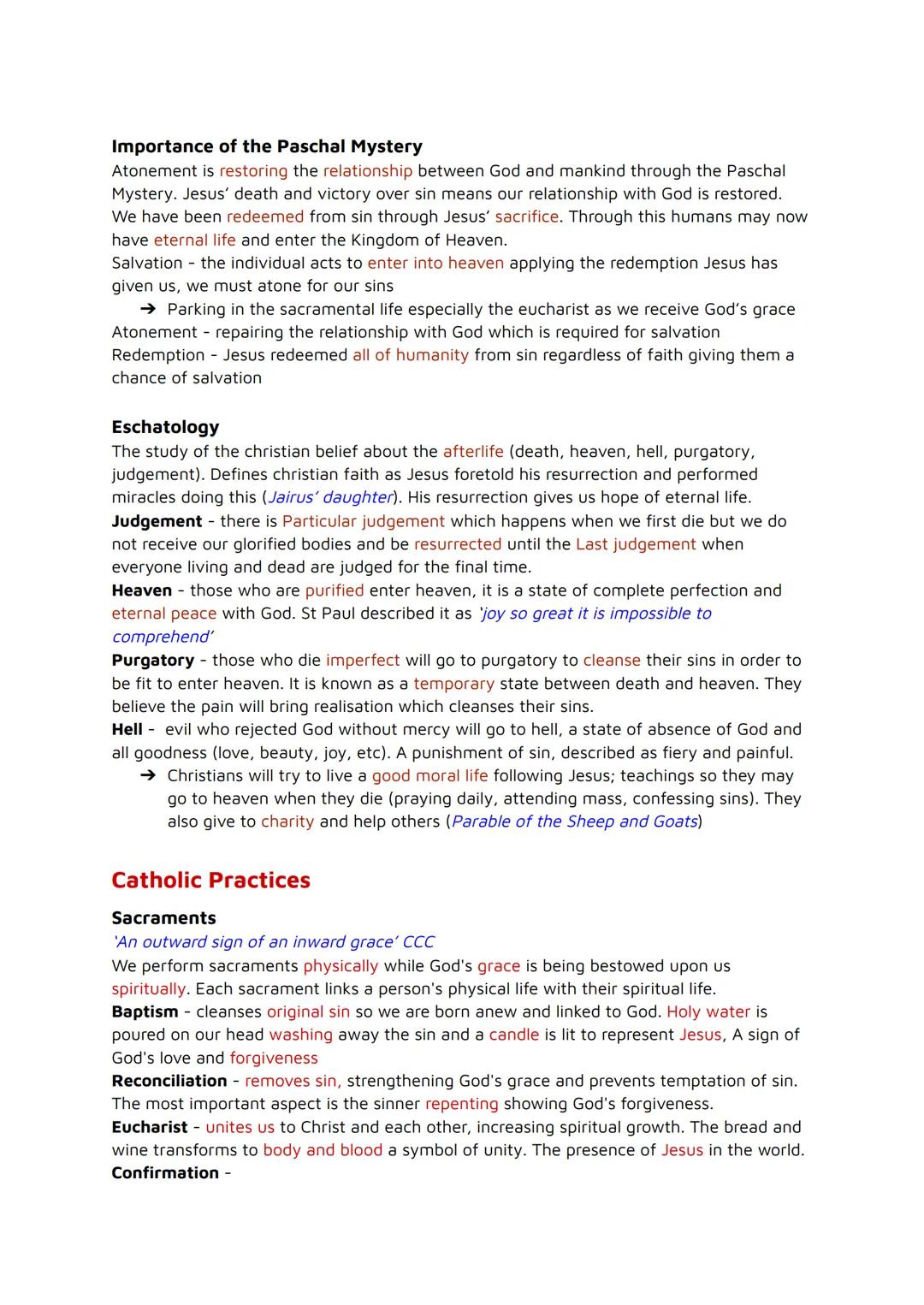
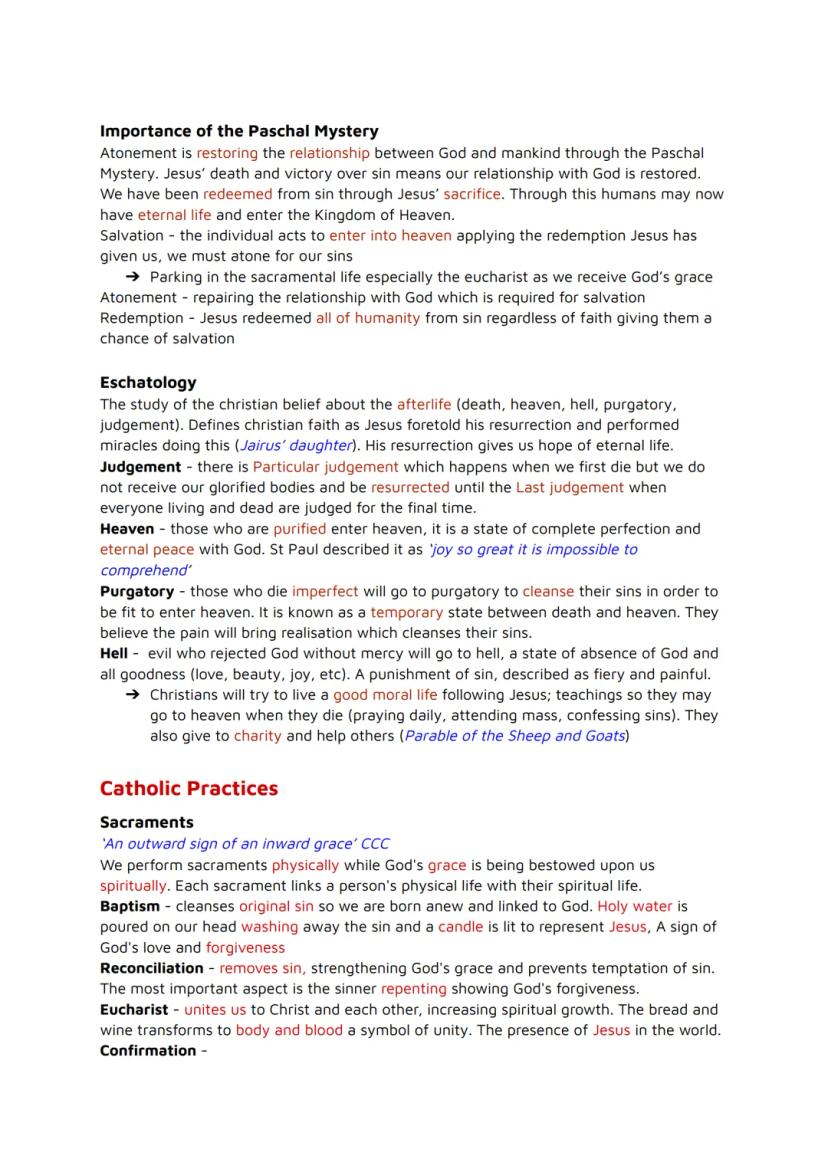
Eschatology sounds fancy, but it just means 'what happens when we die'. Catholics believe in both particular judgement (immediately after death) and final judgement (when everyone gets resurrected with glorified bodies at the end of time).
Heaven isn't just floating on clouds playing harps - it's described as perfect union with God and complete joy. Purgatory is like a spiritual cleaning process for those who die imperfect but not evil - temporary suffering that purifies souls before heaven. Hell represents complete separation from God and all goodness, reserved for those who completely reject God.
These beliefs aren't just abstract theology - they shape how Catholics live daily. Knowing about judgement encourages moral behaviour, charity work, and regular confession. The Parable of the Sheep and Goats reminds Catholics that helping others isn't optional - it's essential for salvation.
Sacraments are physical actions with spiritual meaning - 'outward signs of inward grace'. Catholics believe these ceremonies actually do something rather than just symbolise. Baptism cleanses original sin, Reconciliation removes personal sin, and the Eucharist unites Catholics with Christ and each other through bread and wine becoming Jesus's body and blood.
Key Point: Only Catholic and Orthodox churches recognise all seven sacraments - other Christian denominations typically only accept Baptism and Eucharist as true sacraments.
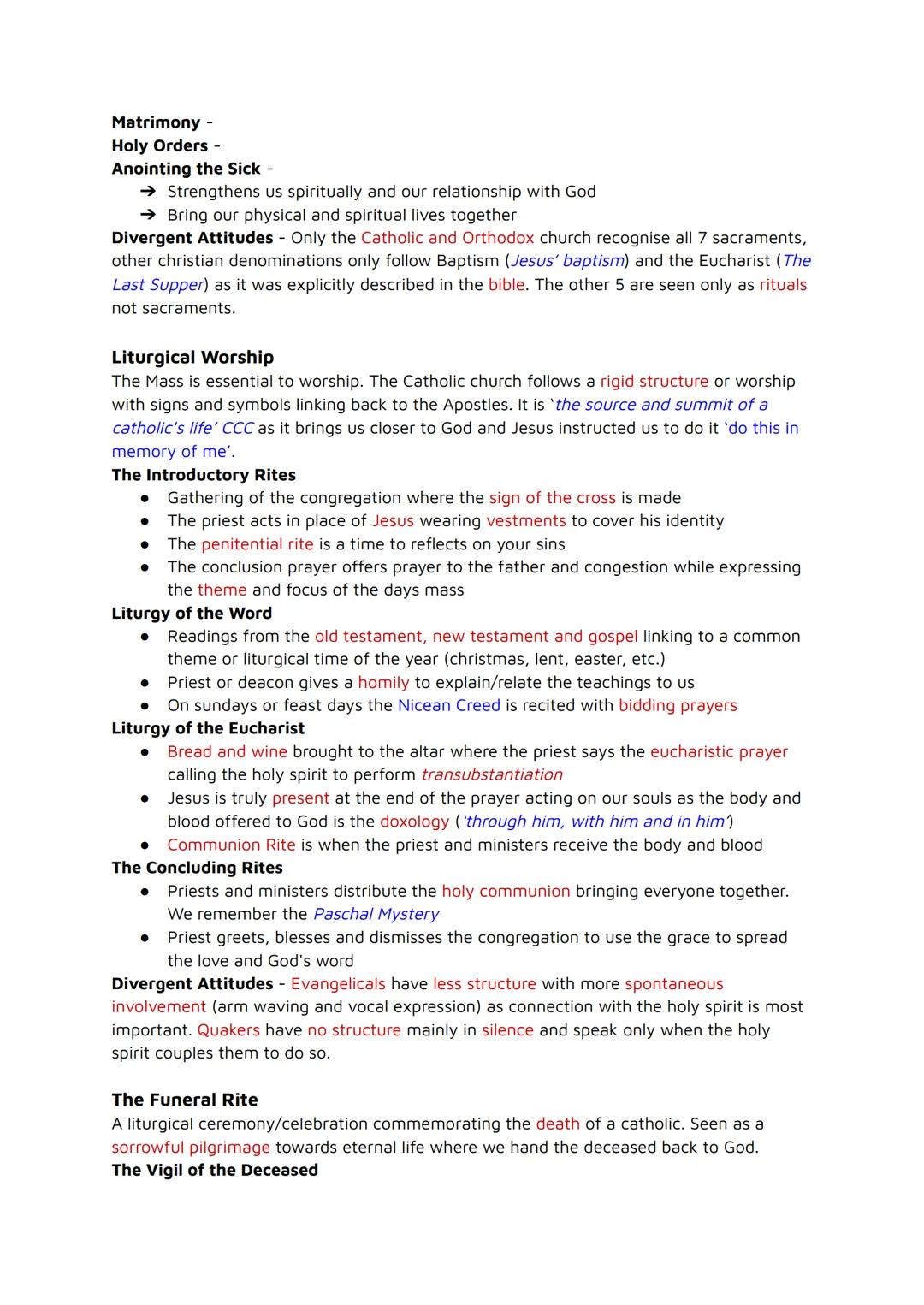
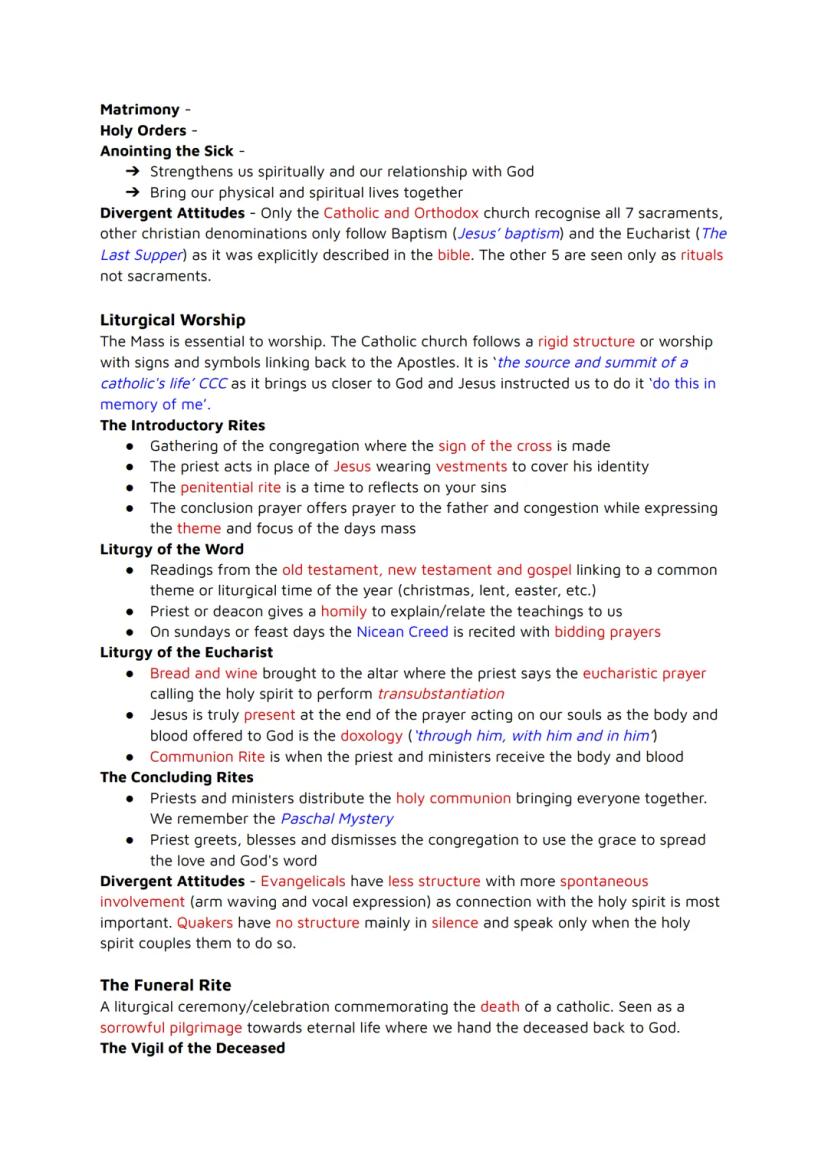
Mass is the centre of Catholic life - 'the source and summit' according to Church teaching. It follows a rigid structure connecting back to the apostles, giving Catholics worldwide a shared worship experience. The priest acts as Jesus's representative, wearing special vestments to symbolise this role.
The Liturgy of the Word includes readings from Old Testament, New Testament, and Gospels, usually connected thematically. The priest's homily explains how these ancient texts apply to modern life. On Sundays, Catholics recite the Nicene Creed together, creating unity through shared beliefs.
During the Liturgy of the Eucharist, Catholics believe transubstantiation occurs - bread and wine literally become Jesus's body and blood, not just symbols. This isn't metaphorical for Catholics; they believe Jesus is truly present. The Doxology ('through him, with him, and in him') expresses this mystery.
Funeral rites celebrate rather than just mourn death, seeing it as a journey toward eternal life. The three-part structure - Vigil, Requiem Mass, and Committal - supports both the deceased's spiritual journey and the grieving community. Holy water, symbols, and prayers emphasise hope in resurrection rather than despair.
Cultural Note: Different Christian denominations worship differently - Evangelicals are more spontaneous, whilst Quakers worship mainly in silence, speaking only when moved by the Holy Spirit.
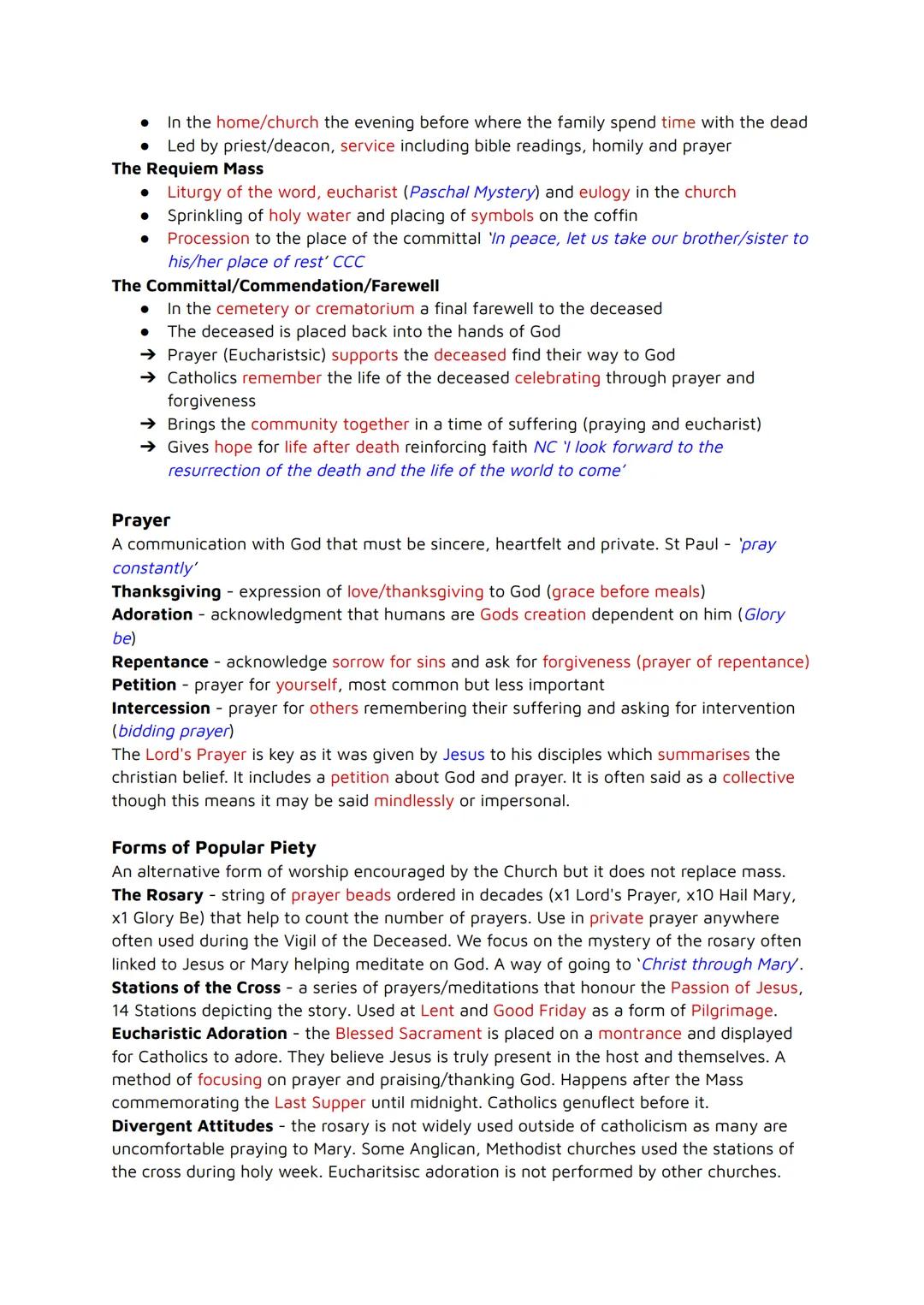
Prayer isn't just asking God for things - Catholics use five types: thanksgiving, adoration, repentance, petition (for yourself), and intercession (for others). The Lord's Prayer remains central because Jesus himself taught it, summarising Christian beliefs about God's nature and human needs.
Popular piety includes practices that supplement rather than replace Mass. The Rosary uses prayer beads to count prayers whilst meditating on Jesus and Mary's life - it's like spiritual multitasking. Stations of the Cross follow Jesus's path to crucifixion through fourteen scenes, particularly used during Lent.
Eucharistic Adoration involves displaying the consecrated host for Catholics to pray before, believing Jesus is truly present. Catholics genuflect (kneel briefly) to show respect. These practices help Catholics focus their prayer and connect emotionally with their faith.
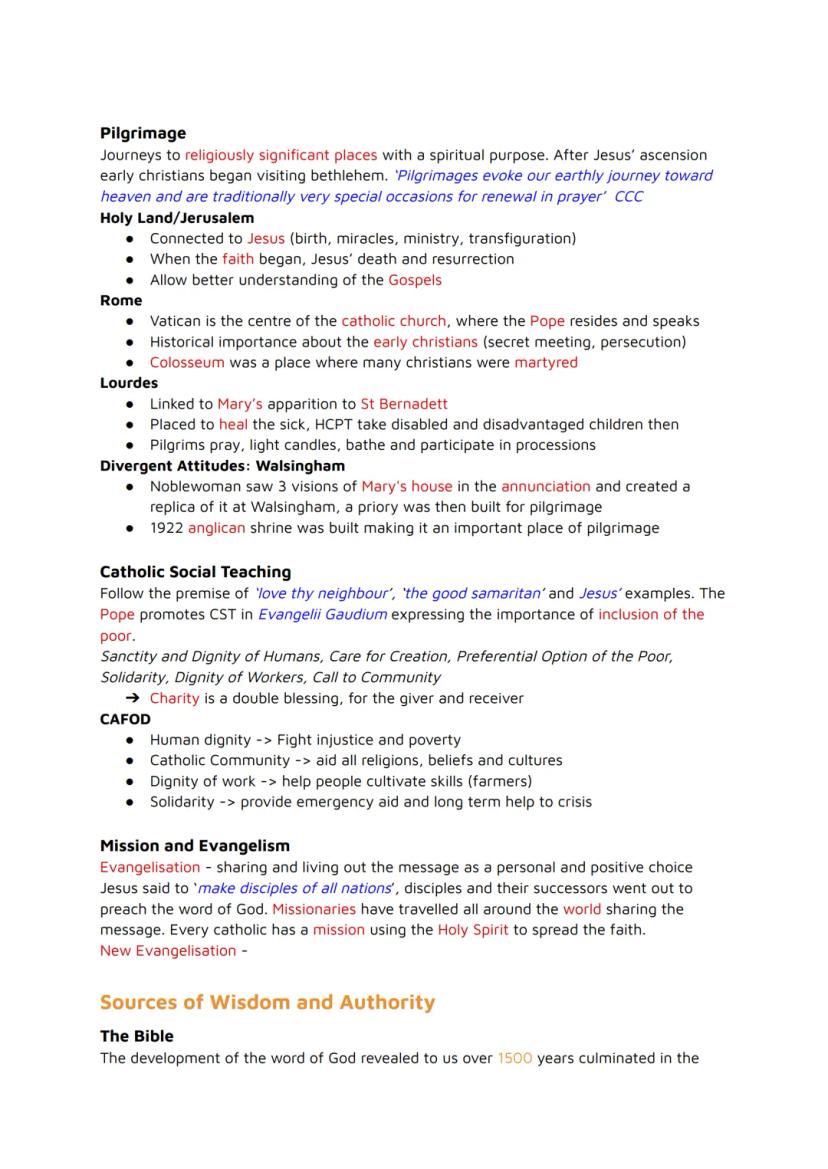
Pilgrimage takes Catholics to spiritually significant places. Jerusalem connects them with Jesus's life and ministry. Rome represents the Church's centre and early Christian history. Lourdes offers healing and connects pilgrims with Mary's appearances to Saint Bernadette. These journeys often strengthen faith through shared experience and focused prayer.
Interesting Fact: Many Protestant churches don't use the Rosary because they're uncomfortable praying to Mary, preferring to pray directly to God through Jesus.
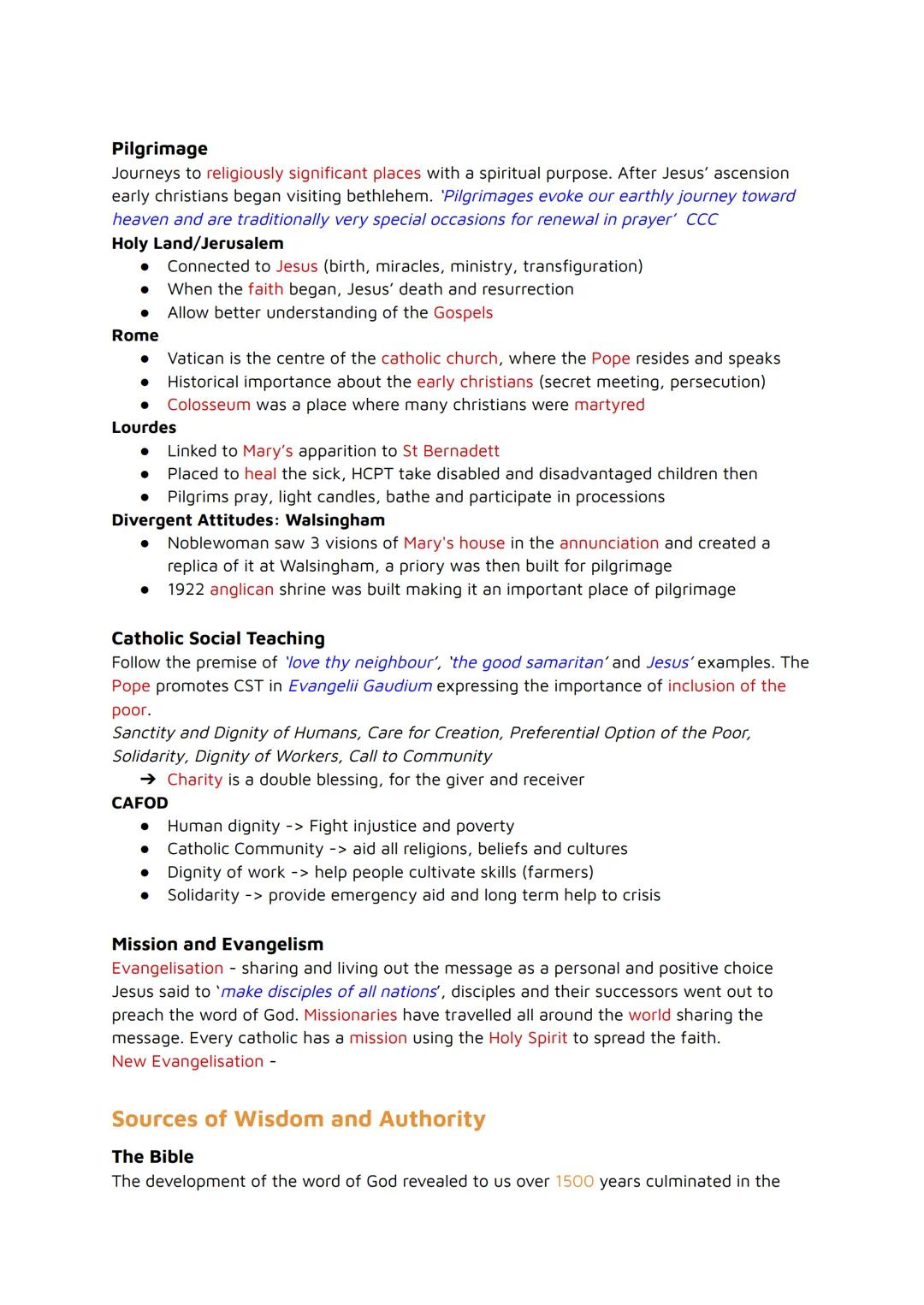
Catholic Social Teaching puts Jesus's command to 'love your neighbour' into practical action. The Pope promotes this through documents like Evangelii Gaudium, emphasising inclusion of the poor and marginalised. Key principles include human dignity, care for creation, and solidarity with those suffering.
CAFOD (Catholic Agency for Overseas Development) demonstrates these values practically. They fight injustice and poverty regardless of recipients' religion, help people develop sustainable skills, and provide both emergency aid and long-term development support. This reflects Catholic belief that charity benefits both giver and receiver.
Mission and Evangelisation means sharing Christian faith actively rather than keeping it private. Jesus commanded disciples to 'make disciples of all nations', and Catholics believe every baptised person shares this responsibility. Modern New Evangelisation adapts this ancient command to contemporary contexts.
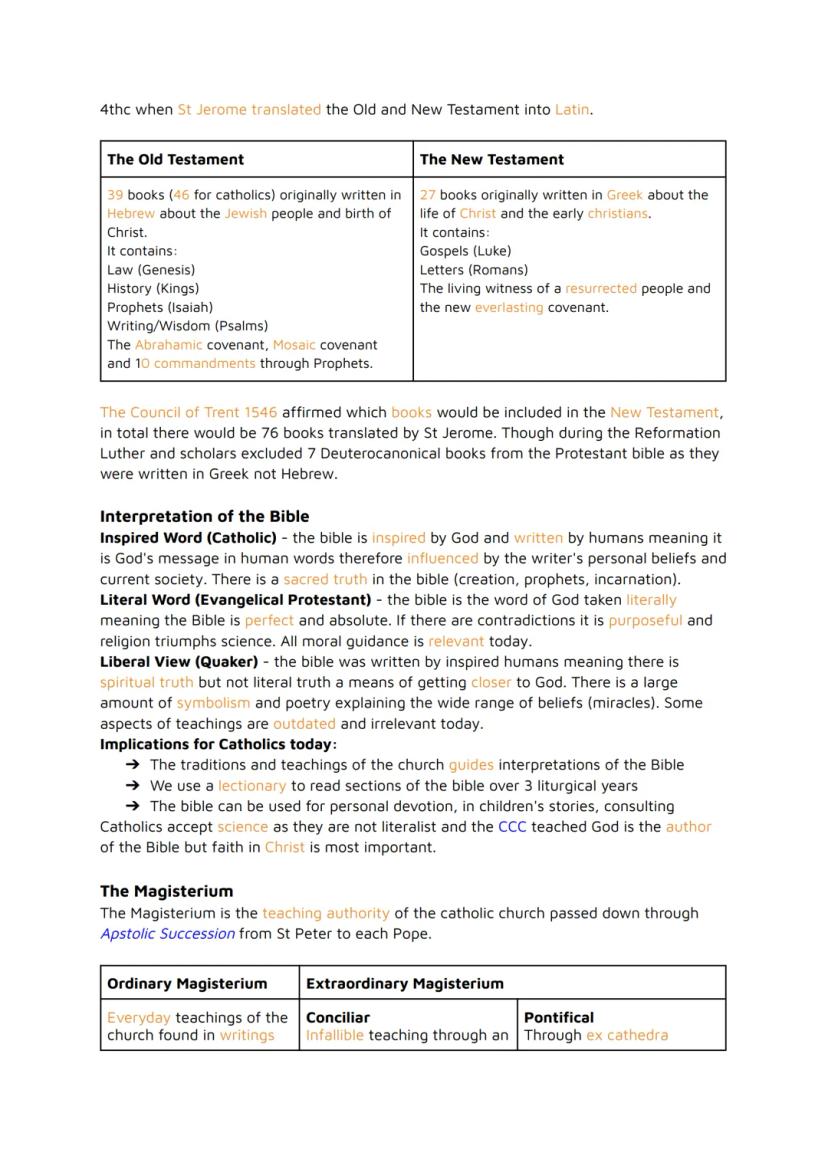
The Bible provides Catholics with spiritual wisdom and authority. The Old Testament (39 books for Protestants, 46 for Catholics) covers Jewish history and prophecy leading to Christ. The New Testament (27 books) focuses on Jesus's life and early Christianity. Saint Jerome's Latin translation in the 4th century standardised these texts.
Historical Note: During the Reformation, Luther removed seven books from the Catholic Bible, creating differences between Protestant and Catholic versions that persist today.
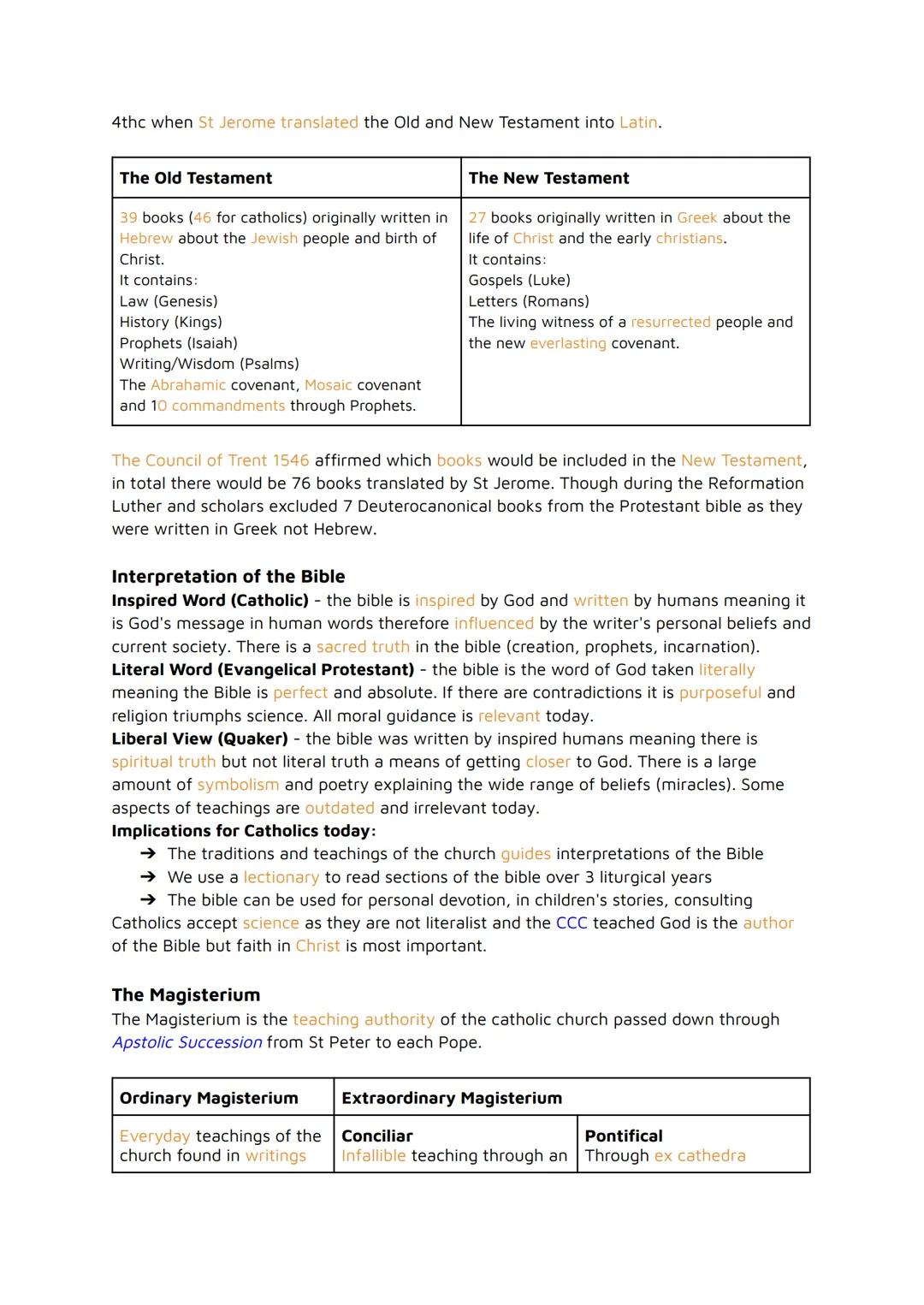
The Magisterium represents the Catholic Church's teaching authority, passed down from Saint Peter through Apostolic Succession to each Pope. Ordinary Magisterium includes everyday teaching, whilst Extraordinary Magisterium makes infallible declarations through papal ex cathedra statements or ecumenical councils.
Catholics interpret the Bible as the inspired word - written by humans but guided by God. This allows acceptance of scientific discoveries whilst maintaining spiritual truth. Evangelical Protestants take Scripture literally, whilst Quakers see it as spiritually true but not necessarily factually accurate.
The Second Vatican Council (1962) modernised Catholic practices significantly. Lumen Gentium emphasised that all Catholics, not just clergy, are called to serve Christ. Sacrosanctum Concilium introduced Mass in local languages rather than Latin and encouraged greater lay participation.
Gaudium et Spes opened dialogue with secular groups on social issues, whilst Dei Verbum clarified the Bible's importance alongside Church tradition. These changes helped the Church engage more effectively with the modern world whilst maintaining core beliefs.
Major Change: Before Vatican II, priests celebrated Mass with their backs to congregations in Latin - now they face people and use local languages.
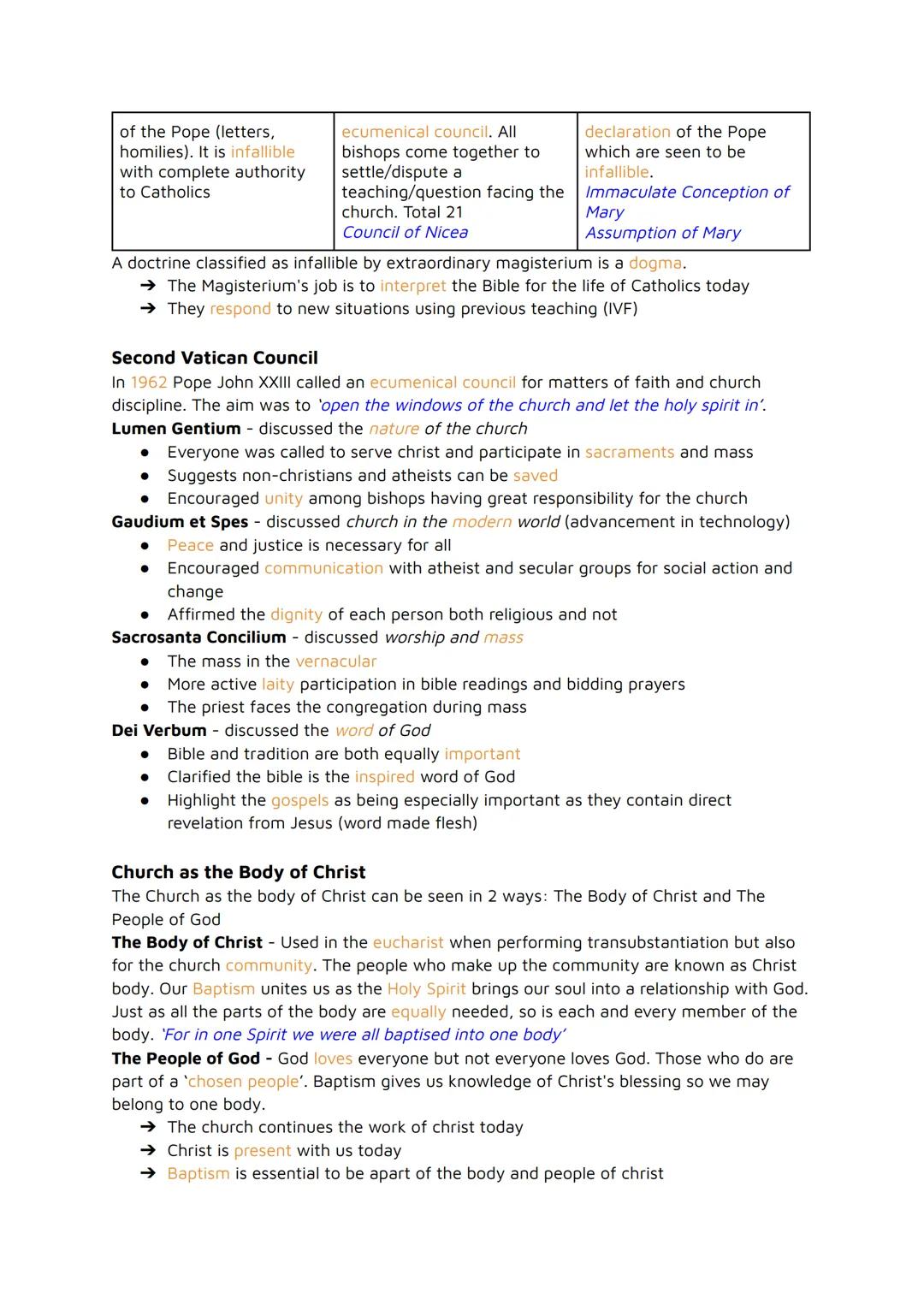
The Church as the Body of Christ means all baptised Catholics form one spiritual community. Like body parts working together, each member has important roles regardless of status. Baptism unites Catholics through the Holy Spirit, creating spiritual relationships that transcend social divisions.
Catholics also see themselves as 'People of God' - chosen not through ethnicity but through faith and baptism. This continues Christ's work on Earth today, with Mass and sacraments maintaining connection to Jesus. The Pope leads this community, though Orthodox Christians reject papal authority and Protestants prioritise biblical authority over Church hierarchy.
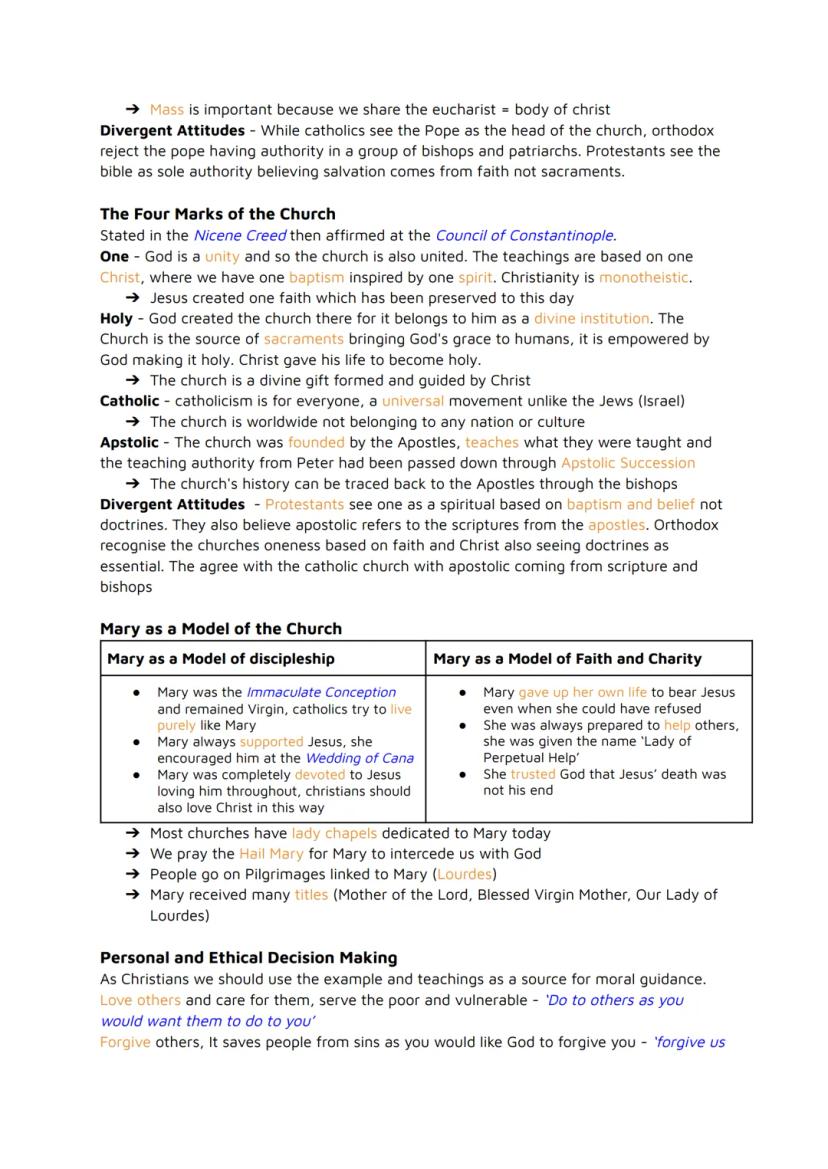
The Four Marks of the Church - One, Holy, Catholic, and Apostolic - define essential characteristics. One means unified under Christ despite global diversity. Holy indicates God's creation and source of grace. Catholic means universal, for everyone regardless of culture. Apostolic connects current teaching directly back to the original apostles.
Mary serves as the perfect model for Catholic discipleship. Her acceptance of bearing Jesus ('Let it be done according to your word'), support throughout his ministry, and faithfulness during crucifixion exemplify ideal Christian behaviour. Catholics pray the Hail Mary, visit Marian shrines like Lourdes, and seek her intercession with God.
Remember: Catholics don't worship Mary - they honour her as Jesus's mother and ask her to pray for them, just like asking a friend to pray for you.
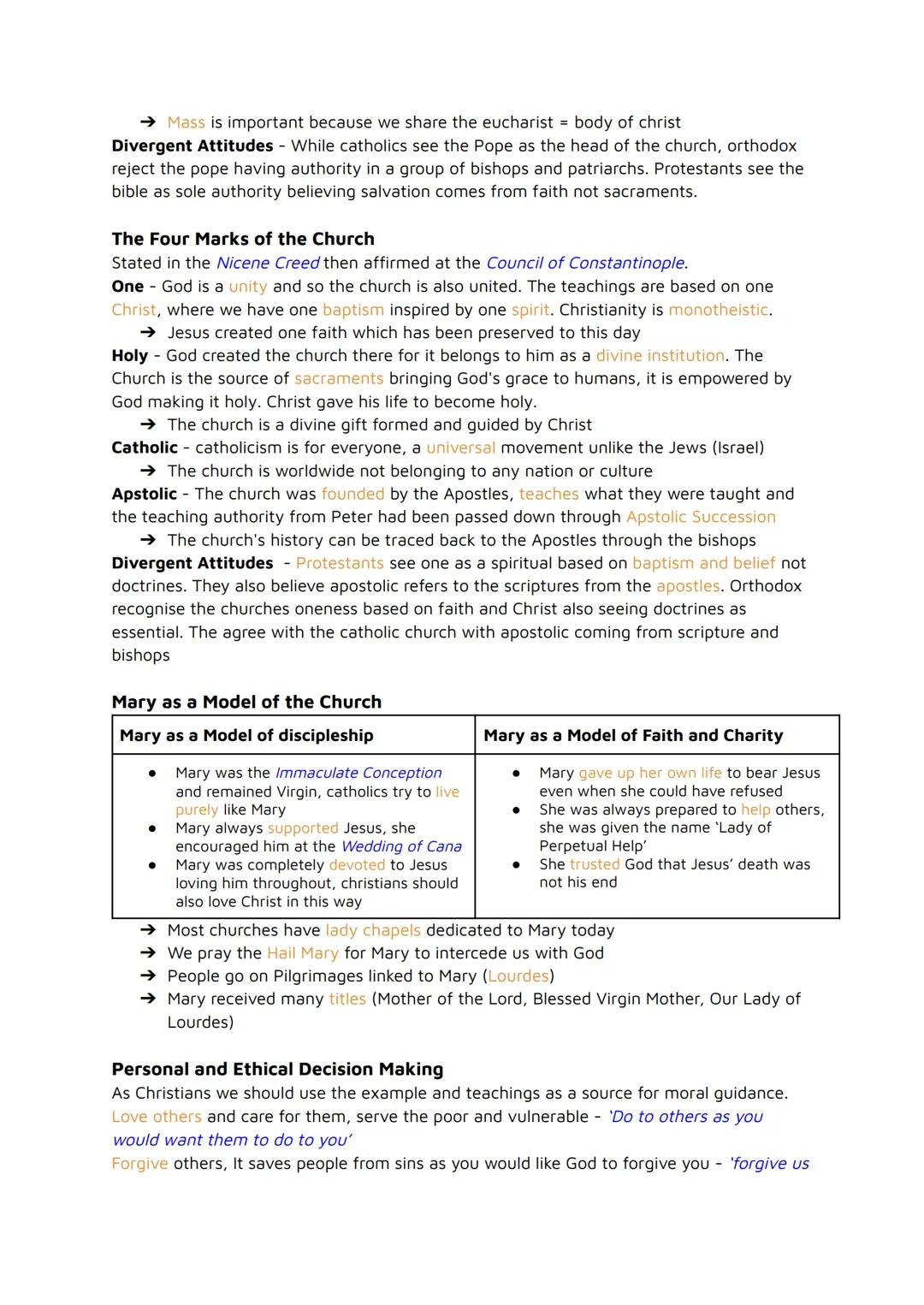
Catholics don't just follow rules blindly - they use Jesus's teachings as moral guidance. 'Do unto others as you would have them do unto you' remains the golden rule. Forgiveness, service to others, and care for the poor and vulnerable flow directly from Christ's example and instructions.
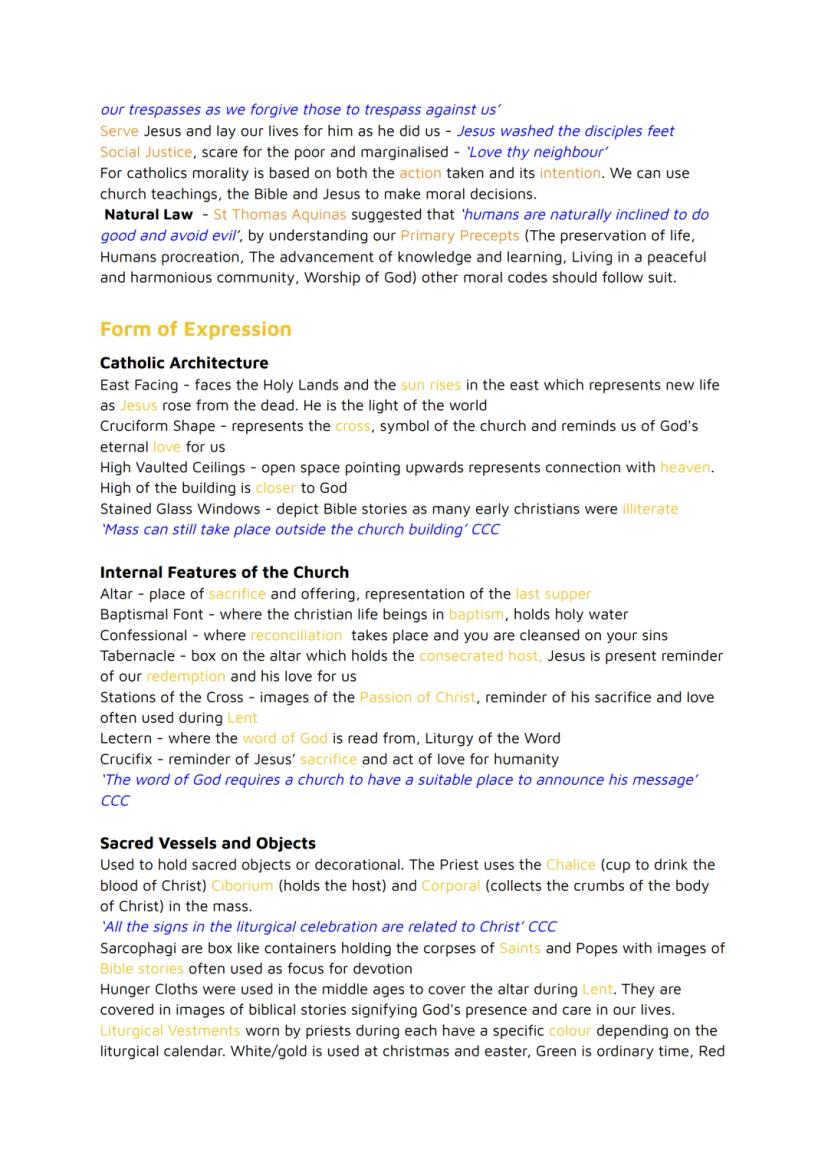
Natural Law, developed by Saint Thomas Aquinas, suggests humans naturally tend toward good and away from evil. Five Primary Precepts guide moral decision-making: preserving life, human procreation, advancing knowledge, living peacefully in community, and worshipping God. Other moral principles should logically follow from these basics.
Catholic morality considers both actions and intentions - doing the right thing for wrong reasons isn't truly moral. Catholics use Church teaching, Biblical guidance, and Jesus's example together rather than relying on just one source. This helps navigate complex modern ethical issues not explicitly addressed in ancient texts.
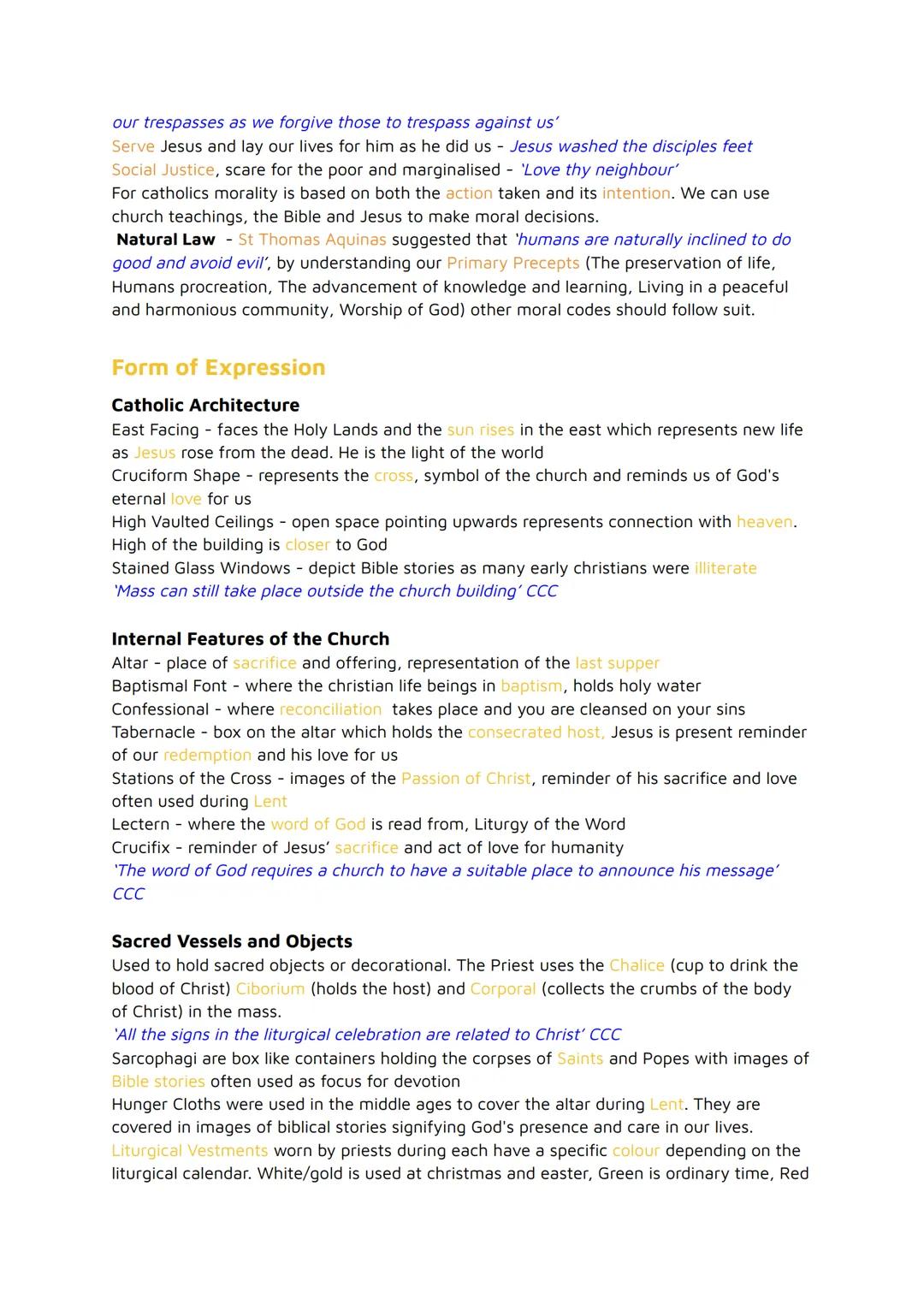
Catholic architecture reflects spiritual beliefs physically. Churches face east toward the Holy Land and rising sun (representing Christ's resurrection). Cruciform shapes remind worshippers of Jesus's sacrifice. High vaulted ceilings point toward heaven, whilst stained glass windows taught Bible stories when most people couldn't read.
Practical Tip: Catholic moral decision-making isn't about finding loopholes - it's about genuinely asking 'What would Jesus do?' and considering both personal and community impact.
Our AI Companion is a student-focused AI tool that offers more than just answers. Built on millions of Knowunity resources, it provides relevant information, personalised study plans, quizzes, and content directly in the chat, adapting to your individual learning journey.
You can download the app from Google Play Store and Apple App Store.
That's right! Enjoy free access to study content, connect with fellow students, and get instant help – all at your fingertips.
App Store
Google Play
The app is very easy to use and well designed. I have found everything I was looking for so far and have been able to learn a lot from the presentations! I will definitely use the app for a class assignment! And of course it also helps a lot as an inspiration.
Stefan S
iOS user
This app is really great. There are so many study notes and help [...]. My problem subject is French, for example, and the app has so many options for help. Thanks to this app, I have improved my French. I would recommend it to anyone.
Samantha Klich
Android user
Wow, I am really amazed. I just tried the app because I've seen it advertised many times and was absolutely stunned. This app is THE HELP you want for school and above all, it offers so many things, such as workouts and fact sheets, which have been VERY helpful to me personally.
Anna
iOS user
Best app on earth! no words because it’s too good
Thomas R
iOS user
Just amazing. Let's me revise 10x better, this app is a quick 10/10. I highly recommend it to anyone. I can watch and search for notes. I can save them in the subject folder. I can revise it any time when I come back. If you haven't tried this app, you're really missing out.
Basil
Android user
This app has made me feel so much more confident in my exam prep, not only through boosting my own self confidence through the features that allow you to connect with others and feel less alone, but also through the way the app itself is centred around making you feel better. It is easy to navigate, fun to use, and helpful to anyone struggling in absolutely any way.
David K
iOS user
The app's just great! All I have to do is enter the topic in the search bar and I get the response real fast. I don't have to watch 10 YouTube videos to understand something, so I'm saving my time. Highly recommended!
Sudenaz Ocak
Android user
In school I was really bad at maths but thanks to the app, I am doing better now. I am so grateful that you made the app.
Greenlight Bonnie
Android user
very reliable app to help and grow your ideas of Maths, English and other related topics in your works. please use this app if your struggling in areas, this app is key for that. wish I'd of done a review before. and it's also free so don't worry about that.
Rohan U
Android user
I know a lot of apps use fake accounts to boost their reviews but this app deserves it all. Originally I was getting 4 in my English exams and this time I got a grade 7. I didn’t even know about this app three days until the exam and it has helped A LOT. Please actually trust me and use it as I’m sure you too will see developments.
Xander S
iOS user
THE QUIZES AND FLASHCARDS ARE SO USEFUL AND I LOVE Knowunity AI. IT ALSO IS LITREALLY LIKE CHATGPT BUT SMARTER!! HELPED ME WITH MY MASCARA PROBLEMS TOO!! AS WELL AS MY REAL SUBJECTS ! DUHHH 😍😁😲🤑💗✨🎀😮
Elisha
iOS user
This apps acc the goat. I find revision so boring but this app makes it so easy to organize it all and then you can ask the freeeee ai to test yourself so good and you can easily upload your own stuff. highly recommend as someone taking mocks now
Paul T
iOS user
The app is very easy to use and well designed. I have found everything I was looking for so far and have been able to learn a lot from the presentations! I will definitely use the app for a class assignment! And of course it also helps a lot as an inspiration.
Stefan S
iOS user
This app is really great. There are so many study notes and help [...]. My problem subject is French, for example, and the app has so many options for help. Thanks to this app, I have improved my French. I would recommend it to anyone.
Samantha Klich
Android user
Wow, I am really amazed. I just tried the app because I've seen it advertised many times and was absolutely stunned. This app is THE HELP you want for school and above all, it offers so many things, such as workouts and fact sheets, which have been VERY helpful to me personally.
Anna
iOS user
Best app on earth! no words because it’s too good
Thomas R
iOS user
Just amazing. Let's me revise 10x better, this app is a quick 10/10. I highly recommend it to anyone. I can watch and search for notes. I can save them in the subject folder. I can revise it any time when I come back. If you haven't tried this app, you're really missing out.
Basil
Android user
This app has made me feel so much more confident in my exam prep, not only through boosting my own self confidence through the features that allow you to connect with others and feel less alone, but also through the way the app itself is centred around making you feel better. It is easy to navigate, fun to use, and helpful to anyone struggling in absolutely any way.
David K
iOS user
The app's just great! All I have to do is enter the topic in the search bar and I get the response real fast. I don't have to watch 10 YouTube videos to understand something, so I'm saving my time. Highly recommended!
Sudenaz Ocak
Android user
In school I was really bad at maths but thanks to the app, I am doing better now. I am so grateful that you made the app.
Greenlight Bonnie
Android user
very reliable app to help and grow your ideas of Maths, English and other related topics in your works. please use this app if your struggling in areas, this app is key for that. wish I'd of done a review before. and it's also free so don't worry about that.
Rohan U
Android user
I know a lot of apps use fake accounts to boost their reviews but this app deserves it all. Originally I was getting 4 in my English exams and this time I got a grade 7. I didn’t even know about this app three days until the exam and it has helped A LOT. Please actually trust me and use it as I’m sure you too will see developments.
Xander S
iOS user
THE QUIZES AND FLASHCARDS ARE SO USEFUL AND I LOVE Knowunity AI. IT ALSO IS LITREALLY LIKE CHATGPT BUT SMARTER!! HELPED ME WITH MY MASCARA PROBLEMS TOO!! AS WELL AS MY REAL SUBJECTS ! DUHHH 😍😁😲🤑💗✨🎀😮
Elisha
iOS user
This apps acc the goat. I find revision so boring but this app makes it so easy to organize it all and then you can ask the freeeee ai to test yourself so good and you can easily upload your own stuff. highly recommend as someone taking mocks now
Paul T
iOS user
java73):?
@mjh375_pfwi
Ever wondered what Catholics actually believe and how they put their faith into practice? This guide breaks down the essential beliefs that shape Catholic Christianity - from the Trinity and creation to sacraments and social action. You'll discover how these... Show more
Access to all documents
Improve your grades
Join milions of students
The Trinity might seem confusing, but it's actually Christianity's way of understanding one God in three persons. Think of it like water existing as liquid, ice, and steam - still water, but in different forms. The Father creates and sustains life, the Son (Jesus) shows God's love through sacrifice, and the Holy Spirit guides and inspires us.
This belief wasn't just made up randomly. Early Christians had major disagreements about Jesus's nature until the Council of Nicaea in 325 AD settled it with the Nicene Creed. You'll hear this creed recited at Sunday Mass - it's basically Christianity's mission statement.
When it comes to creation, Catholics aren't all stuck in the past. Sure, Genesis talks about six days, but most Catholics see this as symbolic rather than literal. Theistic evolution allows Catholics to accept both God as creator and scientific theories like the Big Bang. It's not about choosing science versus religion - it's about understanding that science explains 'how' whilst religion explains 'why'.
Quick Fact: The word 'Trinity' never actually appears in the Bible, but references like Jesus's baptism (Father's voice, Jesus present, Holy Spirit as dove) support the concept.
Access to all documents
Improve your grades
Join milions of students
Catholics believe humans are special because we're created 'imago dei' (in God's image). This doesn't mean God looks like us physically - it means we share qualities that make us unique in creation. We can think rationally, make moral choices through free will, love deeply, and relate to others in meaningful ways.
This special status comes with responsibility though. Humans have stewardship over Earth, meaning we're caretakers rather than destroyers. This idea connects with modern environmental concerns - even non-religious groups can get behind the concept of looking after our planet.
The Incarnation is Christianity's boldest claim: God became human in Jesus Christ. This means Jesus was fully divine (performing miracles, forgiving sins) and fully human (experiencing pain, emotions, death). It's God's way of truly understanding human experience whilst offering us salvation.
The Paschal Mystery - Jesus's passion, death, resurrection, and ascension - is the heart of Christian belief. Without these events, there's no Christianity. Through Jesus's sacrifice, Catholics believe humanity's broken relationship with God (caused by sin) gets repaired, offering everyone the chance of eternal life.
Remember: The Incarnation means God didn't just observe human suffering from a distance - he experienced it firsthand through Jesus.
Access to all documents
Improve your grades
Join milions of students
Eschatology sounds fancy, but it just means 'what happens when we die'. Catholics believe in both particular judgement (immediately after death) and final judgement (when everyone gets resurrected with glorified bodies at the end of time).
Heaven isn't just floating on clouds playing harps - it's described as perfect union with God and complete joy. Purgatory is like a spiritual cleaning process for those who die imperfect but not evil - temporary suffering that purifies souls before heaven. Hell represents complete separation from God and all goodness, reserved for those who completely reject God.
These beliefs aren't just abstract theology - they shape how Catholics live daily. Knowing about judgement encourages moral behaviour, charity work, and regular confession. The Parable of the Sheep and Goats reminds Catholics that helping others isn't optional - it's essential for salvation.
Sacraments are physical actions with spiritual meaning - 'outward signs of inward grace'. Catholics believe these ceremonies actually do something rather than just symbolise. Baptism cleanses original sin, Reconciliation removes personal sin, and the Eucharist unites Catholics with Christ and each other through bread and wine becoming Jesus's body and blood.
Key Point: Only Catholic and Orthodox churches recognise all seven sacraments - other Christian denominations typically only accept Baptism and Eucharist as true sacraments.
Access to all documents
Improve your grades
Join milions of students
Mass is the centre of Catholic life - 'the source and summit' according to Church teaching. It follows a rigid structure connecting back to the apostles, giving Catholics worldwide a shared worship experience. The priest acts as Jesus's representative, wearing special vestments to symbolise this role.
The Liturgy of the Word includes readings from Old Testament, New Testament, and Gospels, usually connected thematically. The priest's homily explains how these ancient texts apply to modern life. On Sundays, Catholics recite the Nicene Creed together, creating unity through shared beliefs.
During the Liturgy of the Eucharist, Catholics believe transubstantiation occurs - bread and wine literally become Jesus's body and blood, not just symbols. This isn't metaphorical for Catholics; they believe Jesus is truly present. The Doxology ('through him, with him, and in him') expresses this mystery.
Funeral rites celebrate rather than just mourn death, seeing it as a journey toward eternal life. The three-part structure - Vigil, Requiem Mass, and Committal - supports both the deceased's spiritual journey and the grieving community. Holy water, symbols, and prayers emphasise hope in resurrection rather than despair.
Cultural Note: Different Christian denominations worship differently - Evangelicals are more spontaneous, whilst Quakers worship mainly in silence, speaking only when moved by the Holy Spirit.
Access to all documents
Improve your grades
Join milions of students
Prayer isn't just asking God for things - Catholics use five types: thanksgiving, adoration, repentance, petition (for yourself), and intercession (for others). The Lord's Prayer remains central because Jesus himself taught it, summarising Christian beliefs about God's nature and human needs.
Popular piety includes practices that supplement rather than replace Mass. The Rosary uses prayer beads to count prayers whilst meditating on Jesus and Mary's life - it's like spiritual multitasking. Stations of the Cross follow Jesus's path to crucifixion through fourteen scenes, particularly used during Lent.
Eucharistic Adoration involves displaying the consecrated host for Catholics to pray before, believing Jesus is truly present. Catholics genuflect (kneel briefly) to show respect. These practices help Catholics focus their prayer and connect emotionally with their faith.
Pilgrimage takes Catholics to spiritually significant places. Jerusalem connects them with Jesus's life and ministry. Rome represents the Church's centre and early Christian history. Lourdes offers healing and connects pilgrims with Mary's appearances to Saint Bernadette. These journeys often strengthen faith through shared experience and focused prayer.
Interesting Fact: Many Protestant churches don't use the Rosary because they're uncomfortable praying to Mary, preferring to pray directly to God through Jesus.
Access to all documents
Improve your grades
Join milions of students
Catholic Social Teaching puts Jesus's command to 'love your neighbour' into practical action. The Pope promotes this through documents like Evangelii Gaudium, emphasising inclusion of the poor and marginalised. Key principles include human dignity, care for creation, and solidarity with those suffering.
CAFOD (Catholic Agency for Overseas Development) demonstrates these values practically. They fight injustice and poverty regardless of recipients' religion, help people develop sustainable skills, and provide both emergency aid and long-term development support. This reflects Catholic belief that charity benefits both giver and receiver.
Mission and Evangelisation means sharing Christian faith actively rather than keeping it private. Jesus commanded disciples to 'make disciples of all nations', and Catholics believe every baptised person shares this responsibility. Modern New Evangelisation adapts this ancient command to contemporary contexts.
The Bible provides Catholics with spiritual wisdom and authority. The Old Testament (39 books for Protestants, 46 for Catholics) covers Jewish history and prophecy leading to Christ. The New Testament (27 books) focuses on Jesus's life and early Christianity. Saint Jerome's Latin translation in the 4th century standardised these texts.
Historical Note: During the Reformation, Luther removed seven books from the Catholic Bible, creating differences between Protestant and Catholic versions that persist today.
Access to all documents
Improve your grades
Join milions of students
The Magisterium represents the Catholic Church's teaching authority, passed down from Saint Peter through Apostolic Succession to each Pope. Ordinary Magisterium includes everyday teaching, whilst Extraordinary Magisterium makes infallible declarations through papal ex cathedra statements or ecumenical councils.
Catholics interpret the Bible as the inspired word - written by humans but guided by God. This allows acceptance of scientific discoveries whilst maintaining spiritual truth. Evangelical Protestants take Scripture literally, whilst Quakers see it as spiritually true but not necessarily factually accurate.
The Second Vatican Council (1962) modernised Catholic practices significantly. Lumen Gentium emphasised that all Catholics, not just clergy, are called to serve Christ. Sacrosanctum Concilium introduced Mass in local languages rather than Latin and encouraged greater lay participation.
Gaudium et Spes opened dialogue with secular groups on social issues, whilst Dei Verbum clarified the Bible's importance alongside Church tradition. These changes helped the Church engage more effectively with the modern world whilst maintaining core beliefs.
Major Change: Before Vatican II, priests celebrated Mass with their backs to congregations in Latin - now they face people and use local languages.
Access to all documents
Improve your grades
Join milions of students
The Church as the Body of Christ means all baptised Catholics form one spiritual community. Like body parts working together, each member has important roles regardless of status. Baptism unites Catholics through the Holy Spirit, creating spiritual relationships that transcend social divisions.
Catholics also see themselves as 'People of God' - chosen not through ethnicity but through faith and baptism. This continues Christ's work on Earth today, with Mass and sacraments maintaining connection to Jesus. The Pope leads this community, though Orthodox Christians reject papal authority and Protestants prioritise biblical authority over Church hierarchy.
The Four Marks of the Church - One, Holy, Catholic, and Apostolic - define essential characteristics. One means unified under Christ despite global diversity. Holy indicates God's creation and source of grace. Catholic means universal, for everyone regardless of culture. Apostolic connects current teaching directly back to the original apostles.
Mary serves as the perfect model for Catholic discipleship. Her acceptance of bearing Jesus ('Let it be done according to your word'), support throughout his ministry, and faithfulness during crucifixion exemplify ideal Christian behaviour. Catholics pray the Hail Mary, visit Marian shrines like Lourdes, and seek her intercession with God.
Remember: Catholics don't worship Mary - they honour her as Jesus's mother and ask her to pray for them, just like asking a friend to pray for you.
Access to all documents
Improve your grades
Join milions of students
Catholics don't just follow rules blindly - they use Jesus's teachings as moral guidance. 'Do unto others as you would have them do unto you' remains the golden rule. Forgiveness, service to others, and care for the poor and vulnerable flow directly from Christ's example and instructions.
Natural Law, developed by Saint Thomas Aquinas, suggests humans naturally tend toward good and away from evil. Five Primary Precepts guide moral decision-making: preserving life, human procreation, advancing knowledge, living peacefully in community, and worshipping God. Other moral principles should logically follow from these basics.
Catholic morality considers both actions and intentions - doing the right thing for wrong reasons isn't truly moral. Catholics use Church teaching, Biblical guidance, and Jesus's example together rather than relying on just one source. This helps navigate complex modern ethical issues not explicitly addressed in ancient texts.
Catholic architecture reflects spiritual beliefs physically. Churches face east toward the Holy Land and rising sun (representing Christ's resurrection). Cruciform shapes remind worshippers of Jesus's sacrifice. High vaulted ceilings point toward heaven, whilst stained glass windows taught Bible stories when most people couldn't read.
Practical Tip: Catholic moral decision-making isn't about finding loopholes - it's about genuinely asking 'What would Jesus do?' and considering both personal and community impact.
Access to all documents
Improve your grades
Join milions of students
Our AI Companion is a student-focused AI tool that offers more than just answers. Built on millions of Knowunity resources, it provides relevant information, personalised study plans, quizzes, and content directly in the chat, adapting to your individual learning journey.
You can download the app from Google Play Store and Apple App Store.
That's right! Enjoy free access to study content, connect with fellow students, and get instant help – all at your fingertips.
13
Smart Tools NEW
Transform this note into: ✓ 50+ Practice Questions ✓ Interactive Flashcards ✓ Full Mock Exam ✓ Essay Outlines
App Store
Google Play
The app is very easy to use and well designed. I have found everything I was looking for so far and have been able to learn a lot from the presentations! I will definitely use the app for a class assignment! And of course it also helps a lot as an inspiration.
Stefan S
iOS user
This app is really great. There are so many study notes and help [...]. My problem subject is French, for example, and the app has so many options for help. Thanks to this app, I have improved my French. I would recommend it to anyone.
Samantha Klich
Android user
Wow, I am really amazed. I just tried the app because I've seen it advertised many times and was absolutely stunned. This app is THE HELP you want for school and above all, it offers so many things, such as workouts and fact sheets, which have been VERY helpful to me personally.
Anna
iOS user
Best app on earth! no words because it’s too good
Thomas R
iOS user
Just amazing. Let's me revise 10x better, this app is a quick 10/10. I highly recommend it to anyone. I can watch and search for notes. I can save them in the subject folder. I can revise it any time when I come back. If you haven't tried this app, you're really missing out.
Basil
Android user
This app has made me feel so much more confident in my exam prep, not only through boosting my own self confidence through the features that allow you to connect with others and feel less alone, but also through the way the app itself is centred around making you feel better. It is easy to navigate, fun to use, and helpful to anyone struggling in absolutely any way.
David K
iOS user
The app's just great! All I have to do is enter the topic in the search bar and I get the response real fast. I don't have to watch 10 YouTube videos to understand something, so I'm saving my time. Highly recommended!
Sudenaz Ocak
Android user
In school I was really bad at maths but thanks to the app, I am doing better now. I am so grateful that you made the app.
Greenlight Bonnie
Android user
very reliable app to help and grow your ideas of Maths, English and other related topics in your works. please use this app if your struggling in areas, this app is key for that. wish I'd of done a review before. and it's also free so don't worry about that.
Rohan U
Android user
I know a lot of apps use fake accounts to boost their reviews but this app deserves it all. Originally I was getting 4 in my English exams and this time I got a grade 7. I didn’t even know about this app three days until the exam and it has helped A LOT. Please actually trust me and use it as I’m sure you too will see developments.
Xander S
iOS user
THE QUIZES AND FLASHCARDS ARE SO USEFUL AND I LOVE Knowunity AI. IT ALSO IS LITREALLY LIKE CHATGPT BUT SMARTER!! HELPED ME WITH MY MASCARA PROBLEMS TOO!! AS WELL AS MY REAL SUBJECTS ! DUHHH 😍😁😲🤑💗✨🎀😮
Elisha
iOS user
This apps acc the goat. I find revision so boring but this app makes it so easy to organize it all and then you can ask the freeeee ai to test yourself so good and you can easily upload your own stuff. highly recommend as someone taking mocks now
Paul T
iOS user
The app is very easy to use and well designed. I have found everything I was looking for so far and have been able to learn a lot from the presentations! I will definitely use the app for a class assignment! And of course it also helps a lot as an inspiration.
Stefan S
iOS user
This app is really great. There are so many study notes and help [...]. My problem subject is French, for example, and the app has so many options for help. Thanks to this app, I have improved my French. I would recommend it to anyone.
Samantha Klich
Android user
Wow, I am really amazed. I just tried the app because I've seen it advertised many times and was absolutely stunned. This app is THE HELP you want for school and above all, it offers so many things, such as workouts and fact sheets, which have been VERY helpful to me personally.
Anna
iOS user
Best app on earth! no words because it’s too good
Thomas R
iOS user
Just amazing. Let's me revise 10x better, this app is a quick 10/10. I highly recommend it to anyone. I can watch and search for notes. I can save them in the subject folder. I can revise it any time when I come back. If you haven't tried this app, you're really missing out.
Basil
Android user
This app has made me feel so much more confident in my exam prep, not only through boosting my own self confidence through the features that allow you to connect with others and feel less alone, but also through the way the app itself is centred around making you feel better. It is easy to navigate, fun to use, and helpful to anyone struggling in absolutely any way.
David K
iOS user
The app's just great! All I have to do is enter the topic in the search bar and I get the response real fast. I don't have to watch 10 YouTube videos to understand something, so I'm saving my time. Highly recommended!
Sudenaz Ocak
Android user
In school I was really bad at maths but thanks to the app, I am doing better now. I am so grateful that you made the app.
Greenlight Bonnie
Android user
very reliable app to help and grow your ideas of Maths, English and other related topics in your works. please use this app if your struggling in areas, this app is key for that. wish I'd of done a review before. and it's also free so don't worry about that.
Rohan U
Android user
I know a lot of apps use fake accounts to boost their reviews but this app deserves it all. Originally I was getting 4 in my English exams and this time I got a grade 7. I didn’t even know about this app three days until the exam and it has helped A LOT. Please actually trust me and use it as I’m sure you too will see developments.
Xander S
iOS user
THE QUIZES AND FLASHCARDS ARE SO USEFUL AND I LOVE Knowunity AI. IT ALSO IS LITREALLY LIKE CHATGPT BUT SMARTER!! HELPED ME WITH MY MASCARA PROBLEMS TOO!! AS WELL AS MY REAL SUBJECTS ! DUHHH 😍😁😲🤑💗✨🎀😮
Elisha
iOS user
This apps acc the goat. I find revision so boring but this app makes it so easy to organize it all and then you can ask the freeeee ai to test yourself so good and you can easily upload your own stuff. highly recommend as someone taking mocks now
Paul T
iOS user