Social Exchange Theory: The Cost-Benefit Analysis of Love
Sounds unromantic, but Social Exchange Theory suggests we treat relationships like business deals - constantly weighing rewards against costs to determine if we're getting good value.
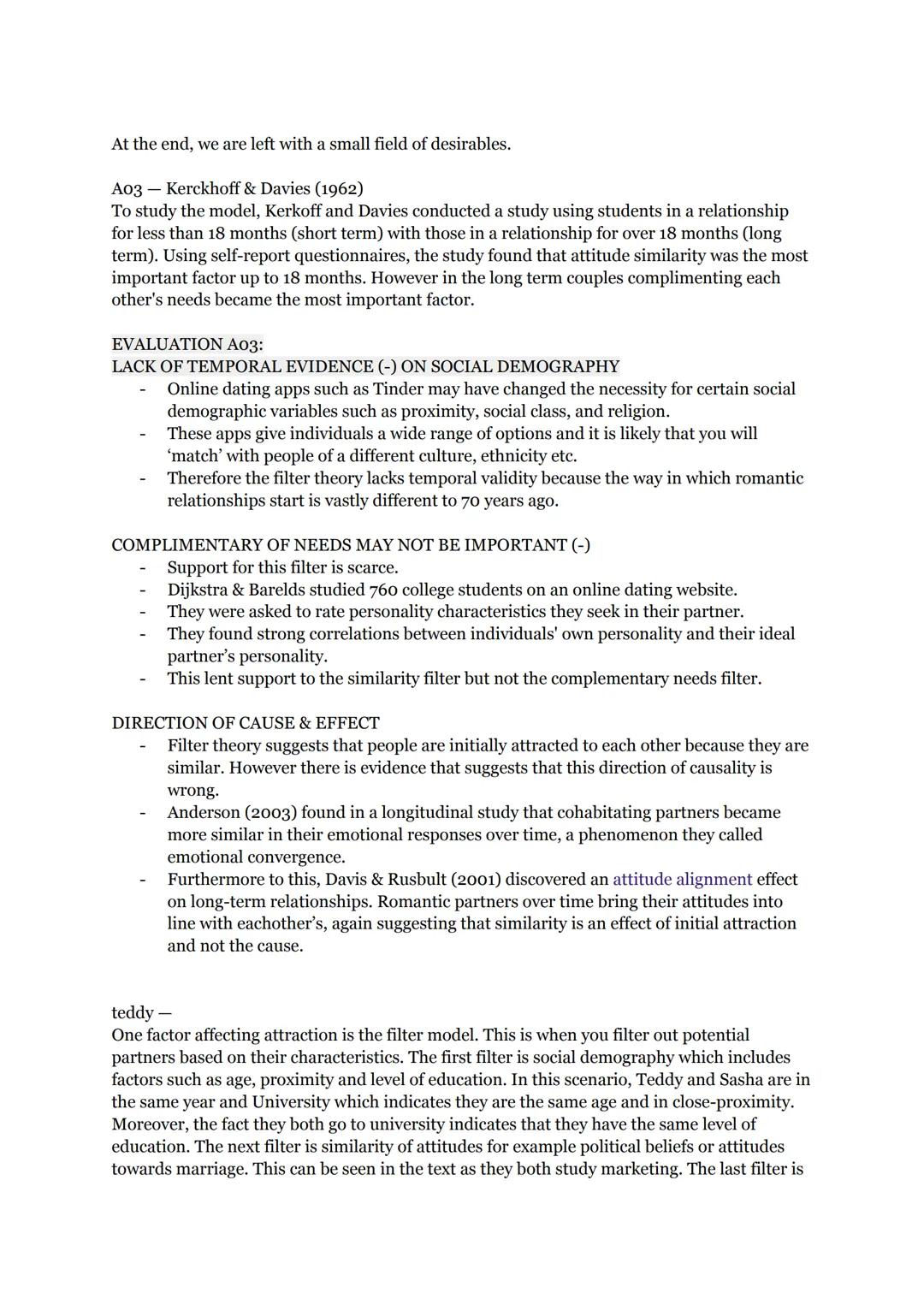
Rewards include companionship, emotional support, physical affection, and shared experiences. Costs might be time, money, emotional energy, or giving up other opportunities. The formula is simple: Rewards - Costs = Outcome.
We use comparison levels to judge if our relationship is worthwhile. These standards come from past experiences, social media, friends' relationships, and our self-esteem. People with low self-esteem accept less because they don't think they deserve better.
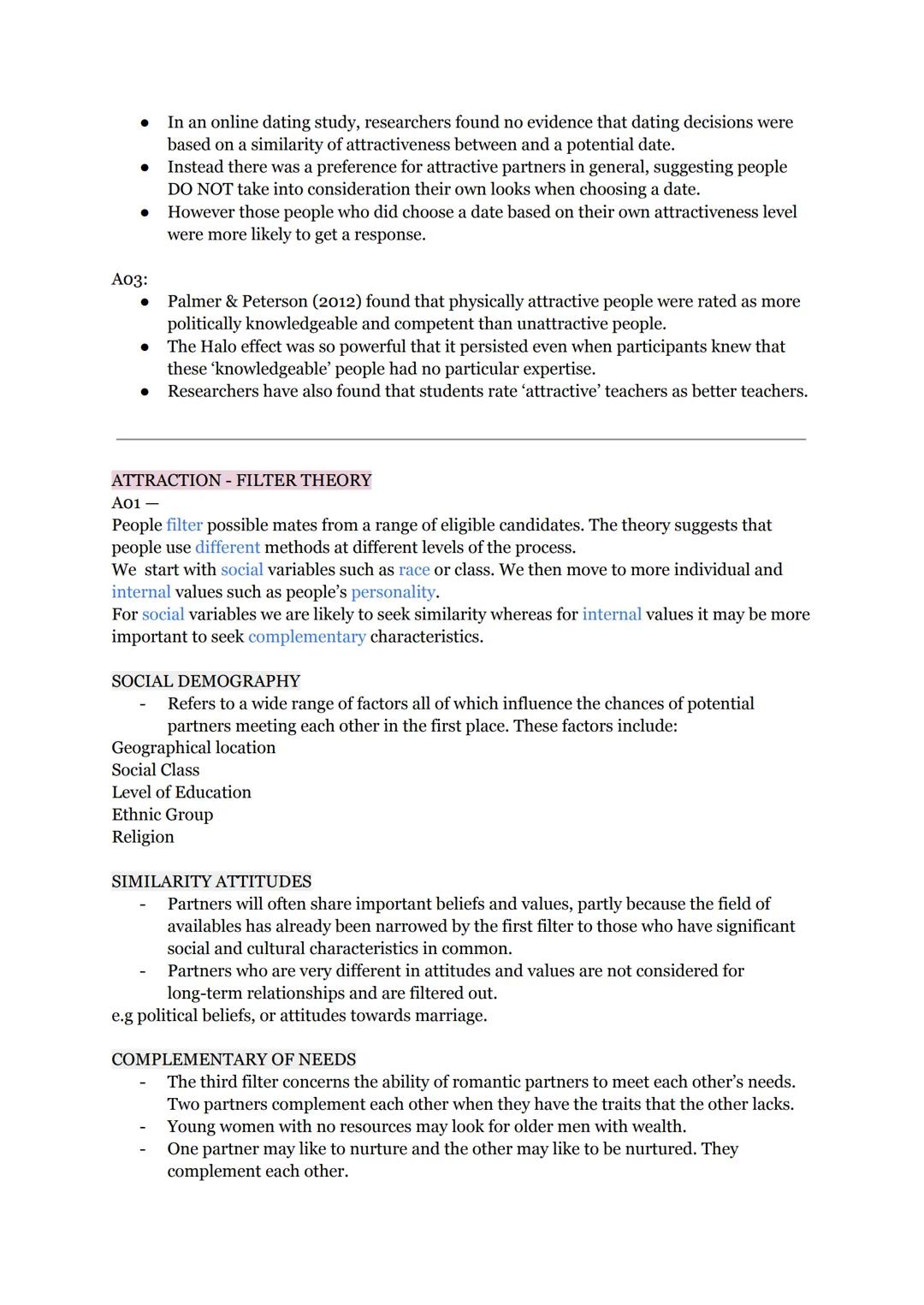
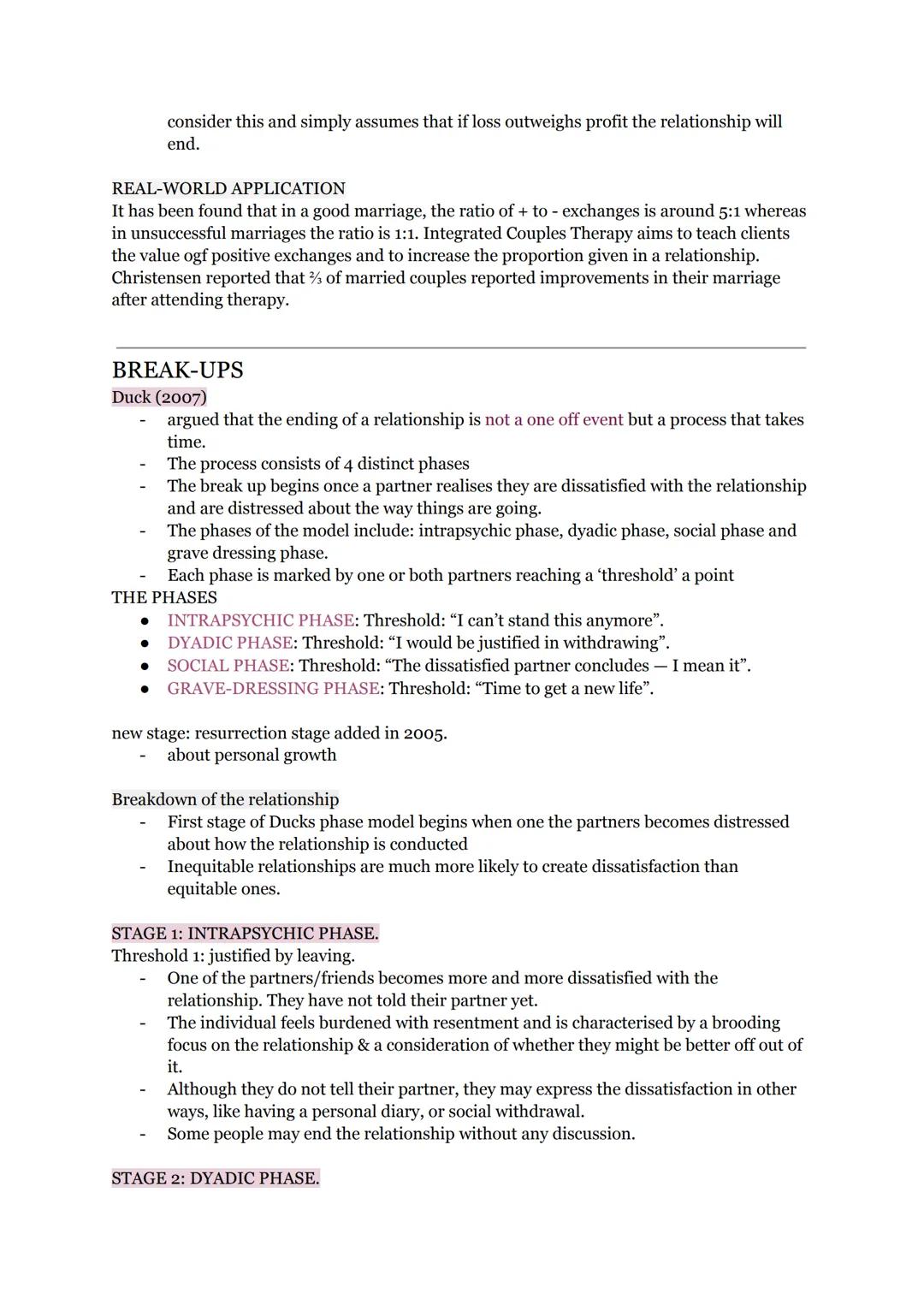
Comparison level for alternatives explains why people leave relationships. Even if your current relationship is decent, you might jump ship if someone better comes along - assuming the potential rewards outweigh the costs of breaking up.
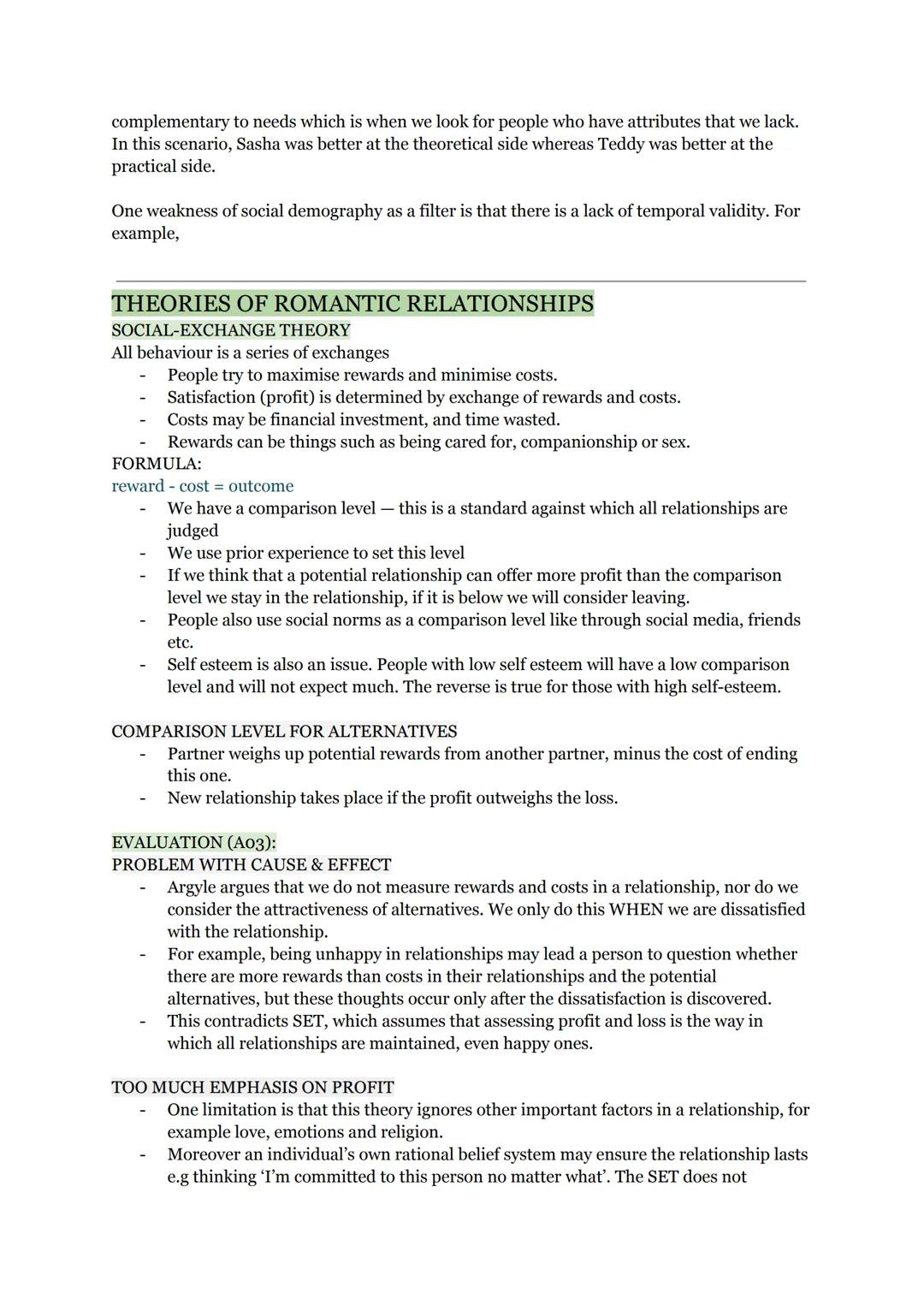
Critics argue this theory oversimplifies love by ignoring emotions, commitment, and personal values. You probably don't consciously calculate profit margins when deciding whether to stay with your partner!
Real-World Application: Marriage counsellors use this theory in therapy, teaching couples to increase positive exchanges - successful marriages have a 5:1 ratio of positive to negative interactions.



 Sociology
 Psychology