Introduction to Integral Calculus
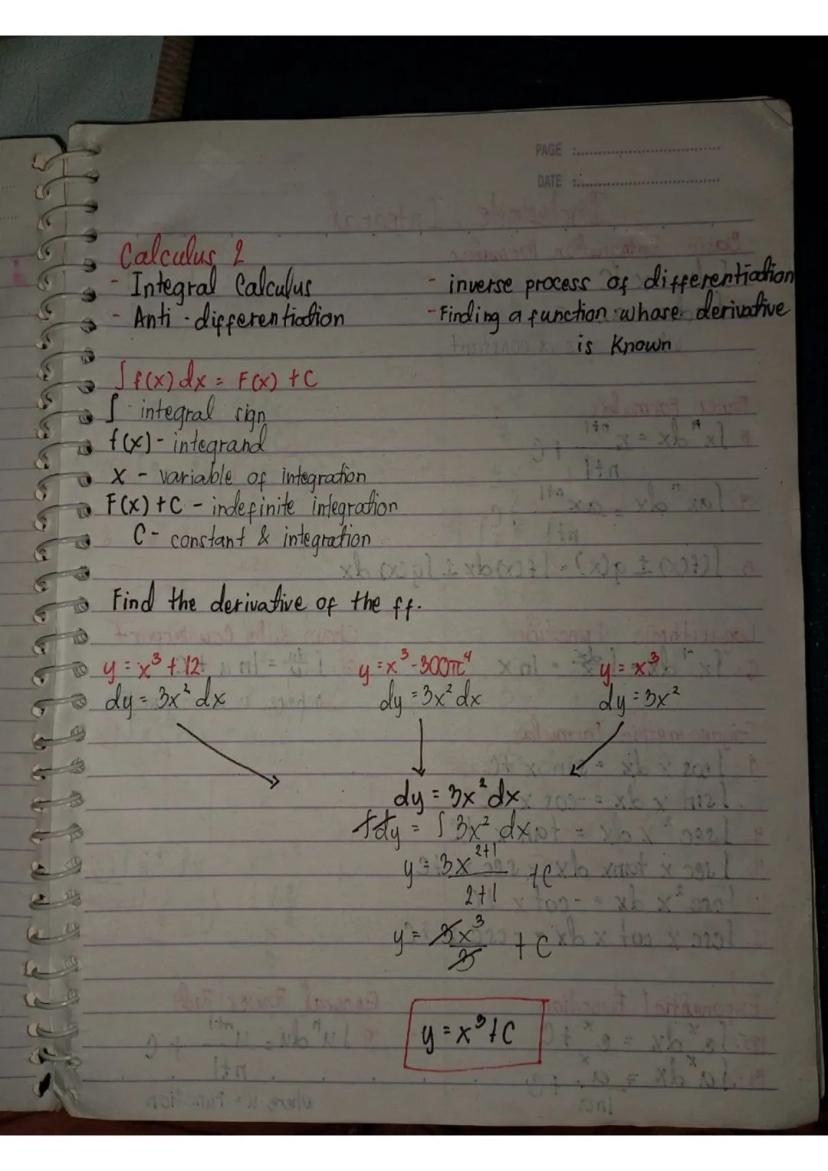
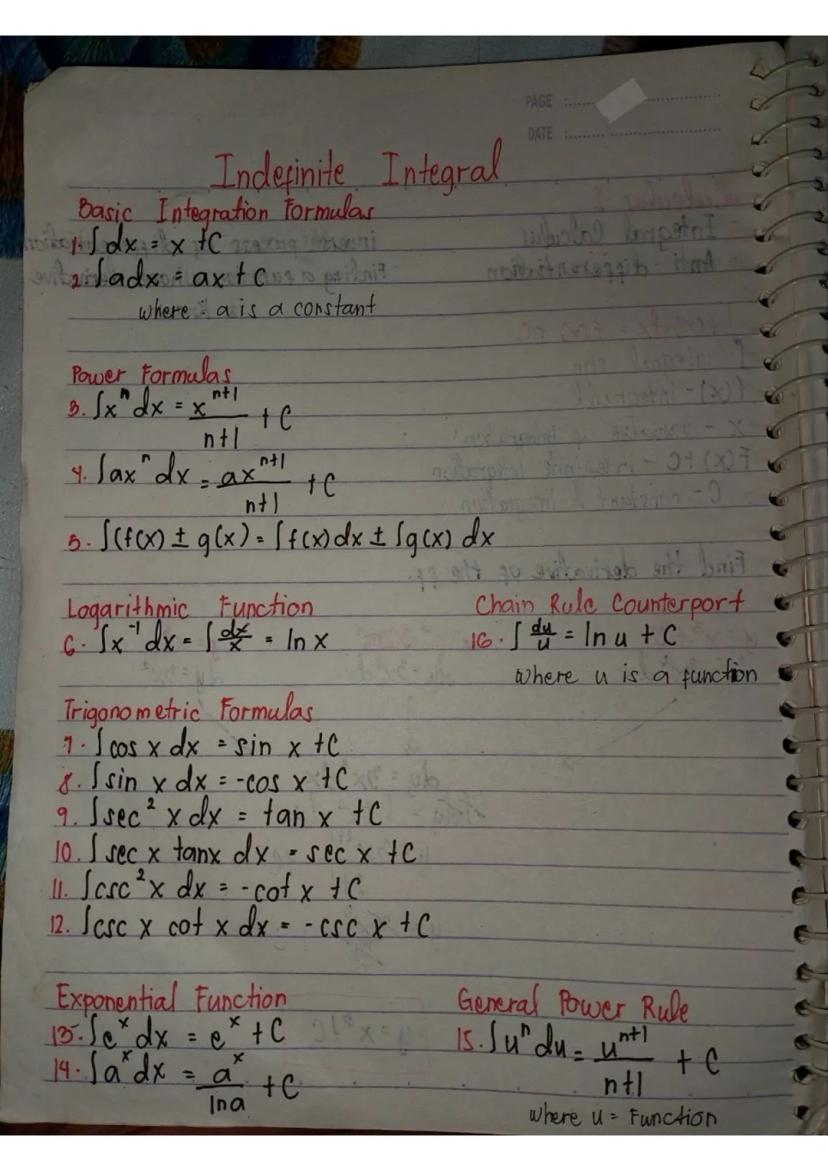
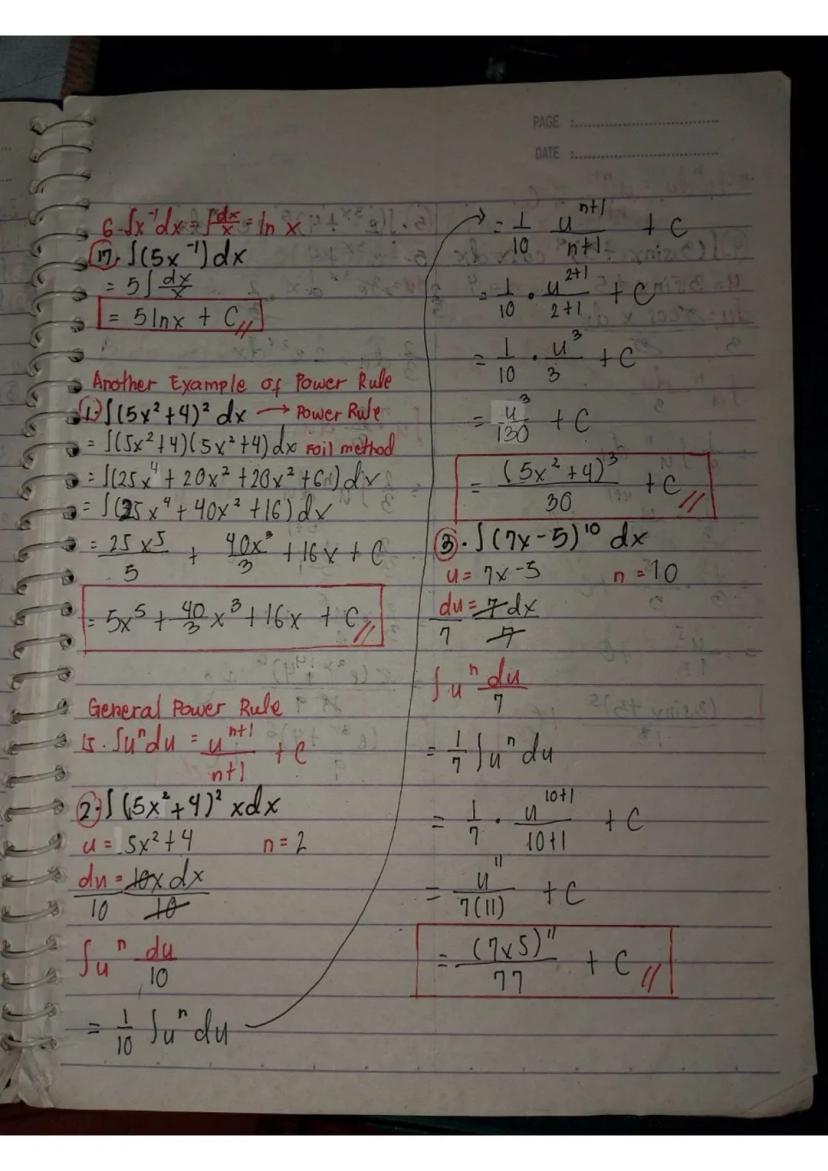
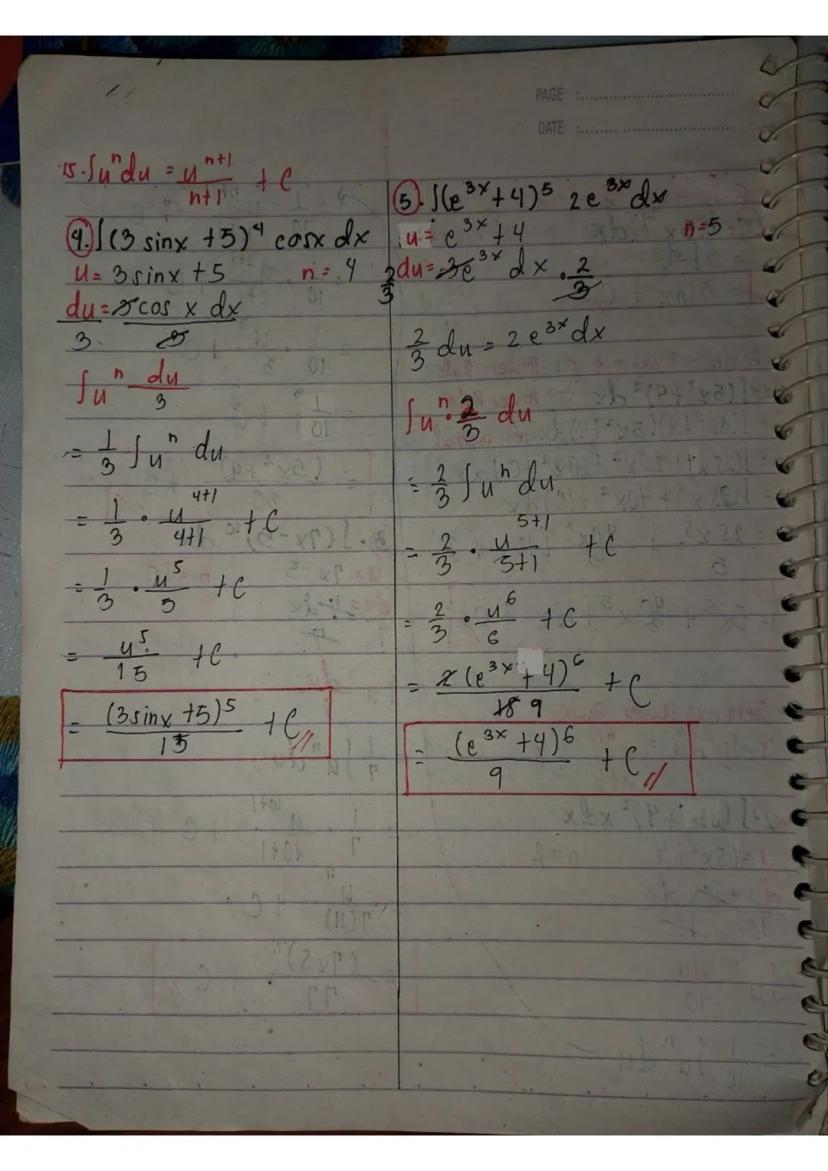
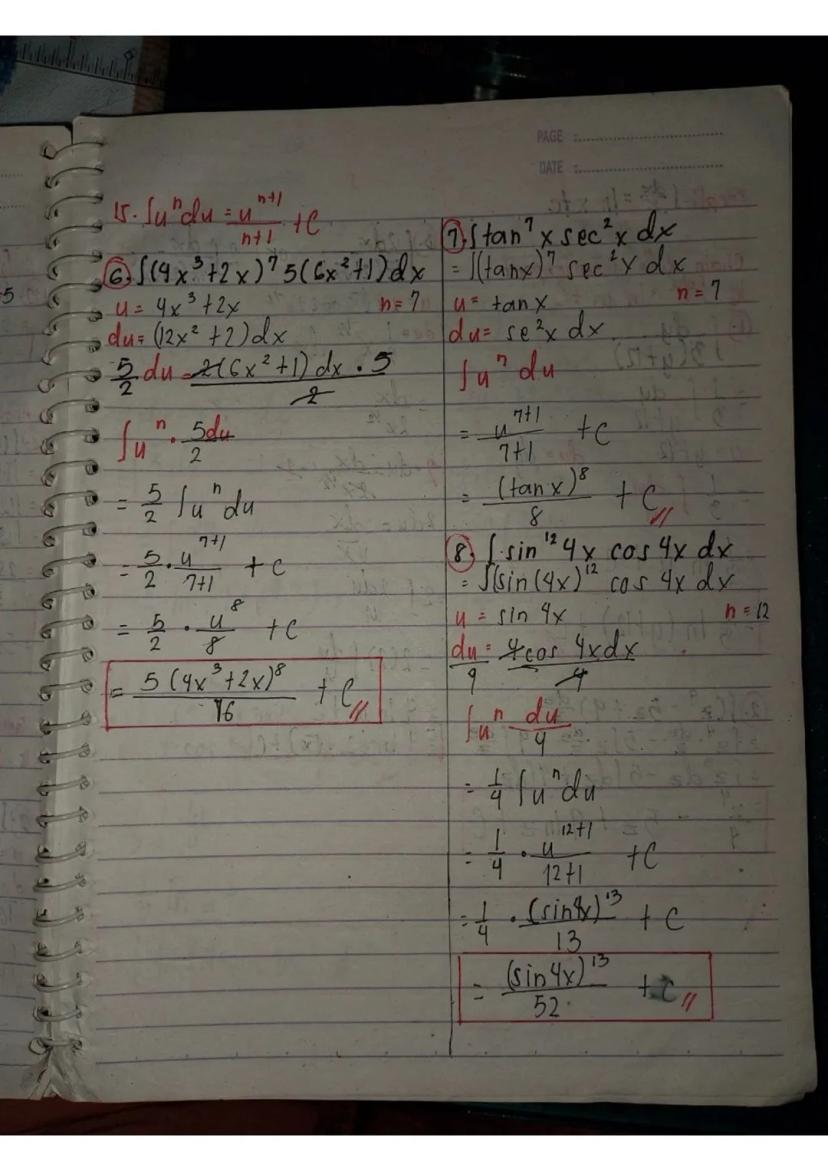
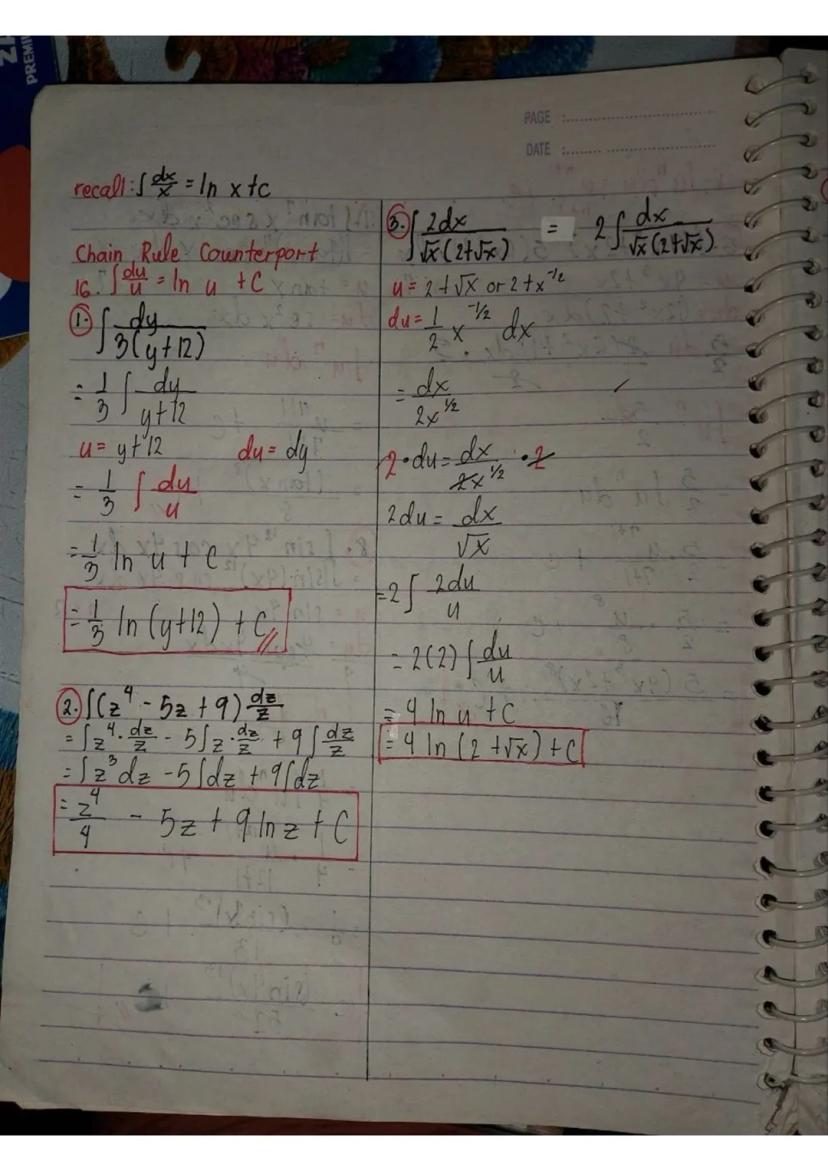
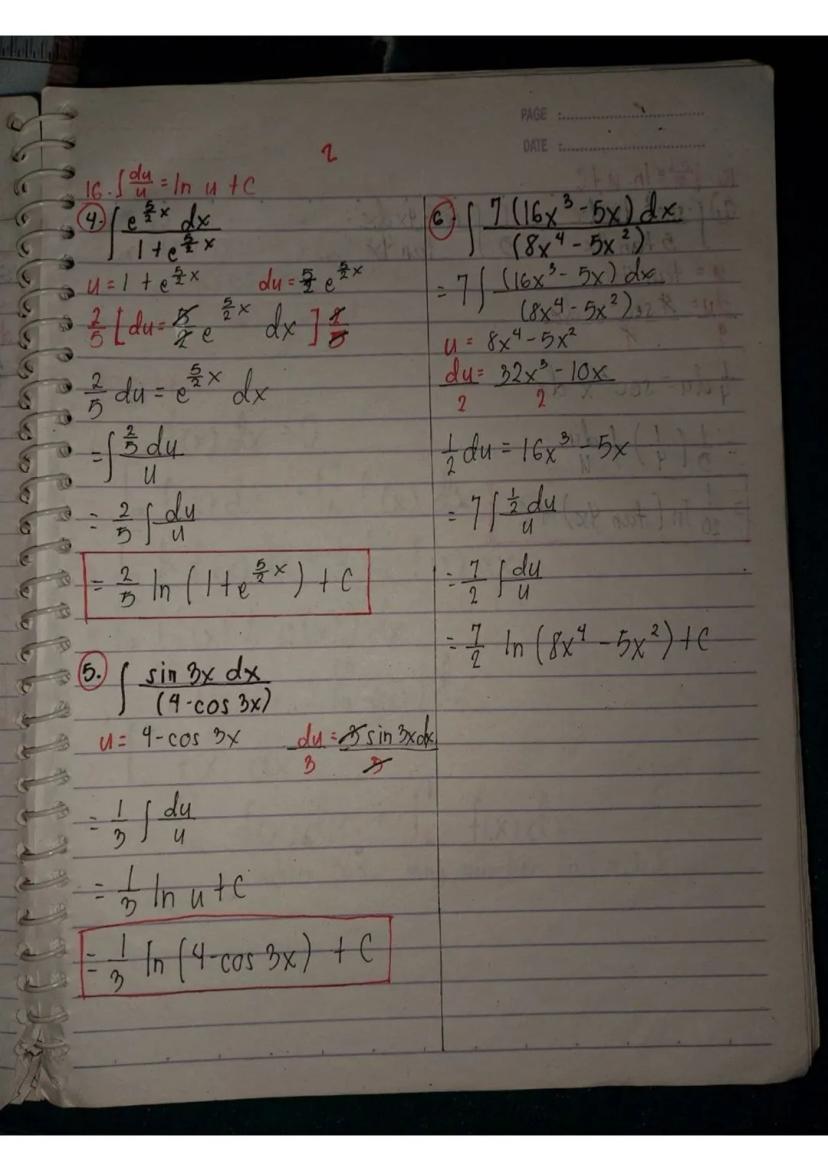
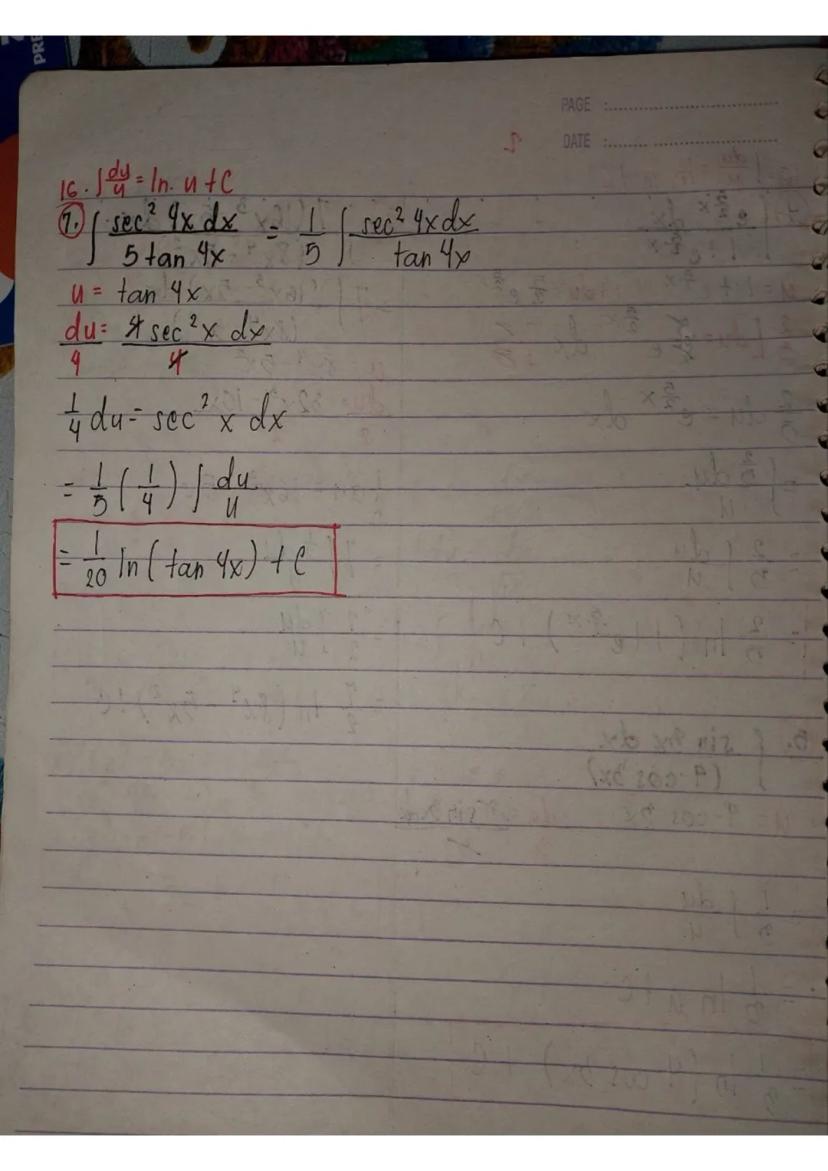
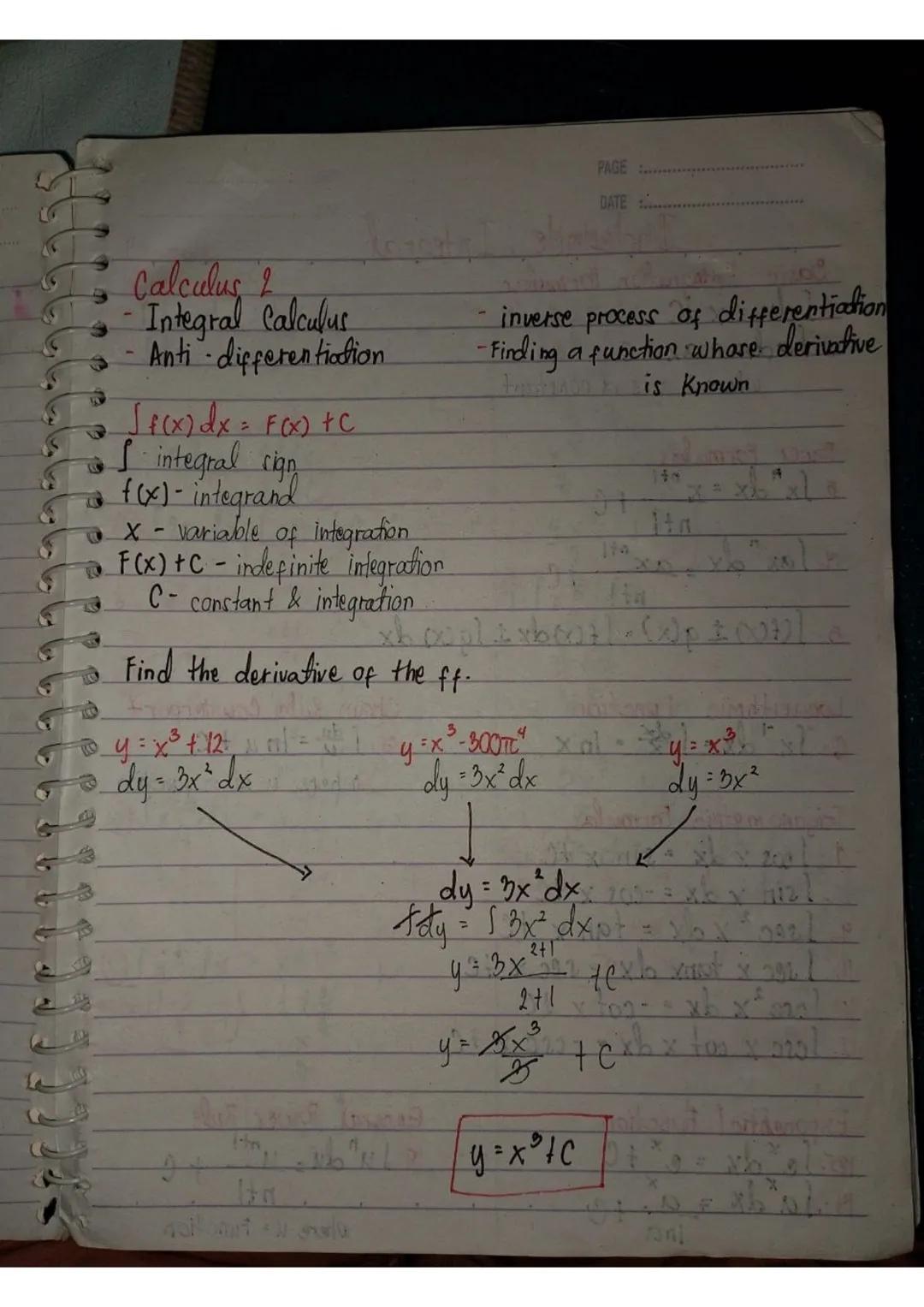
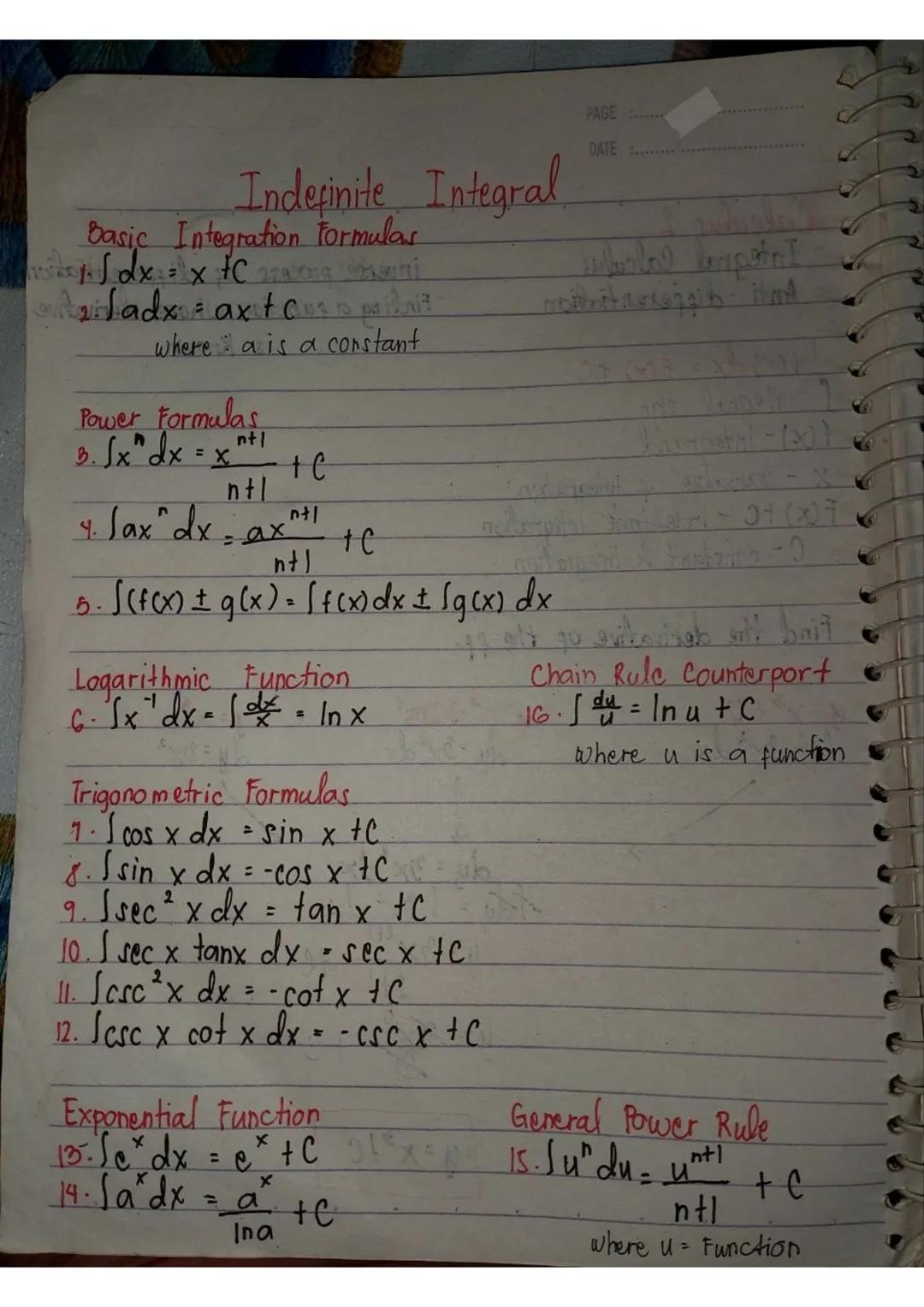
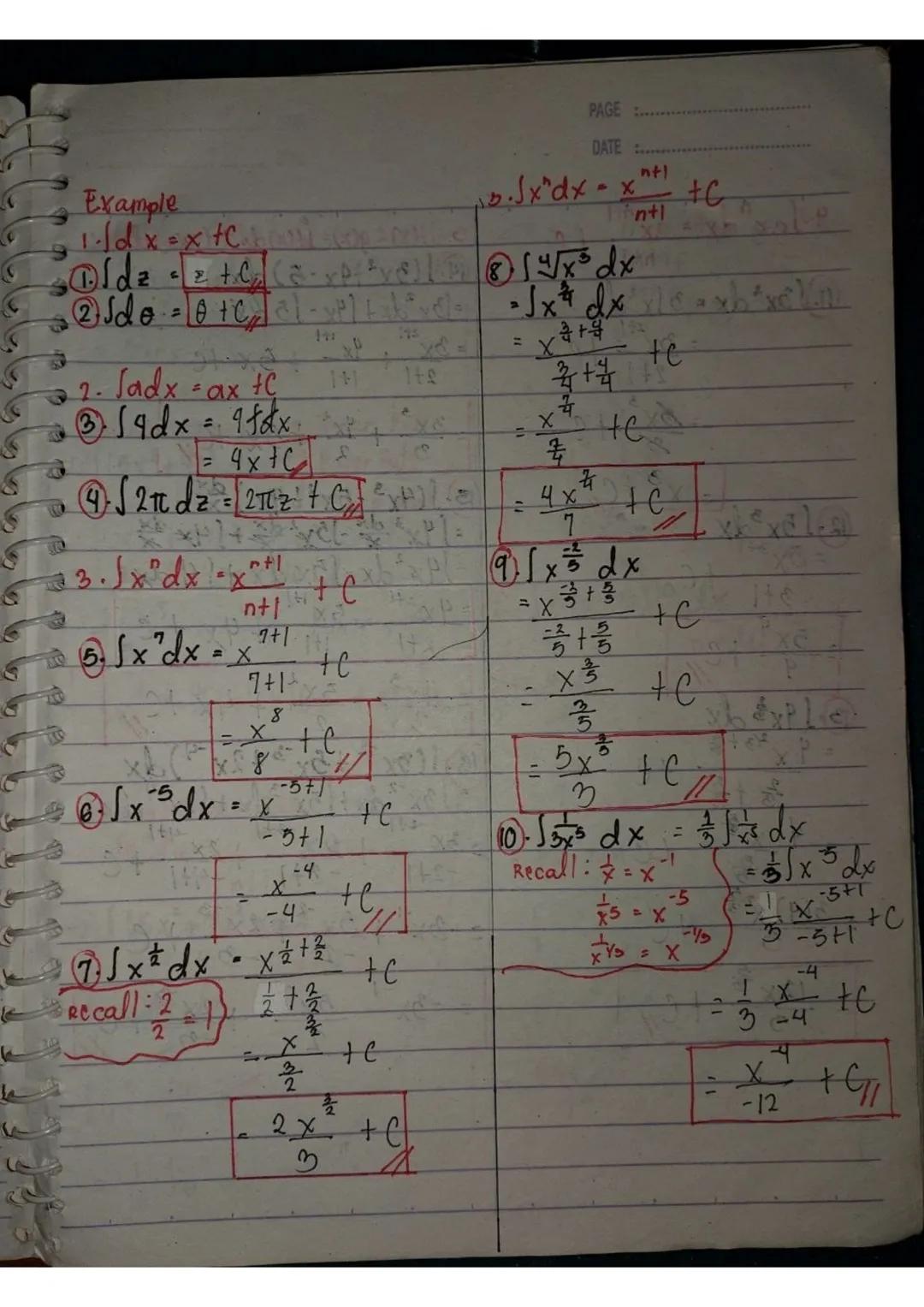
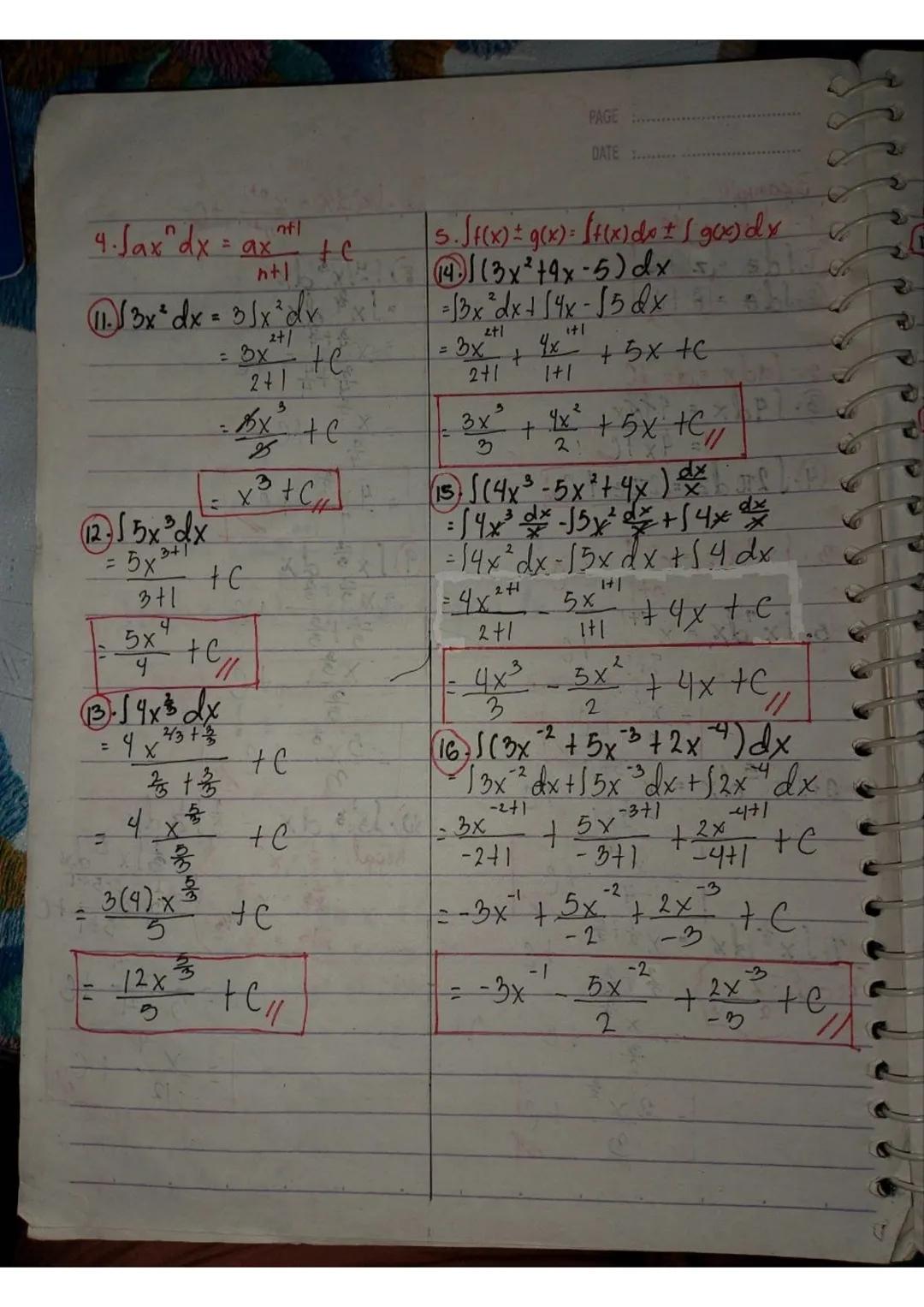
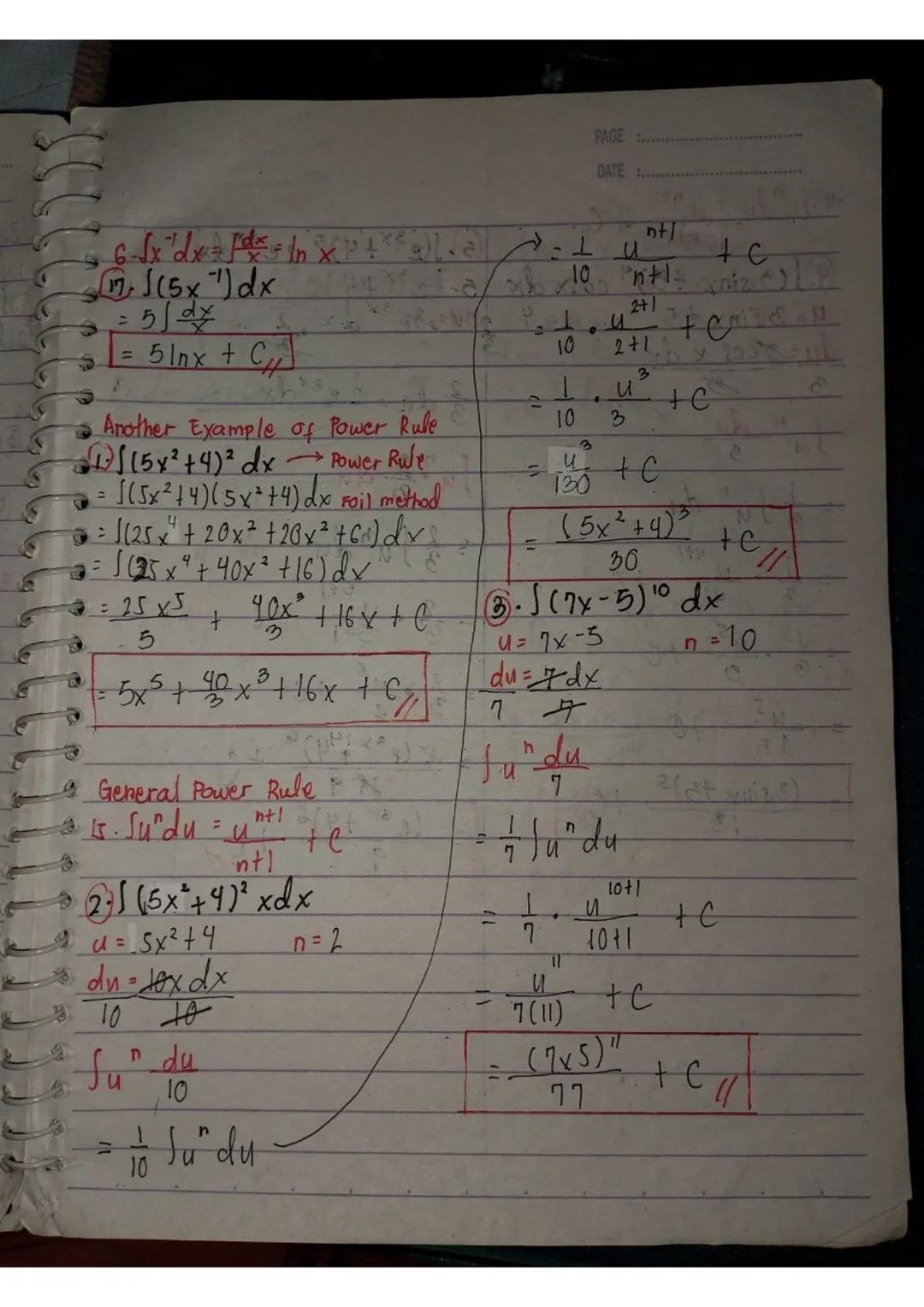
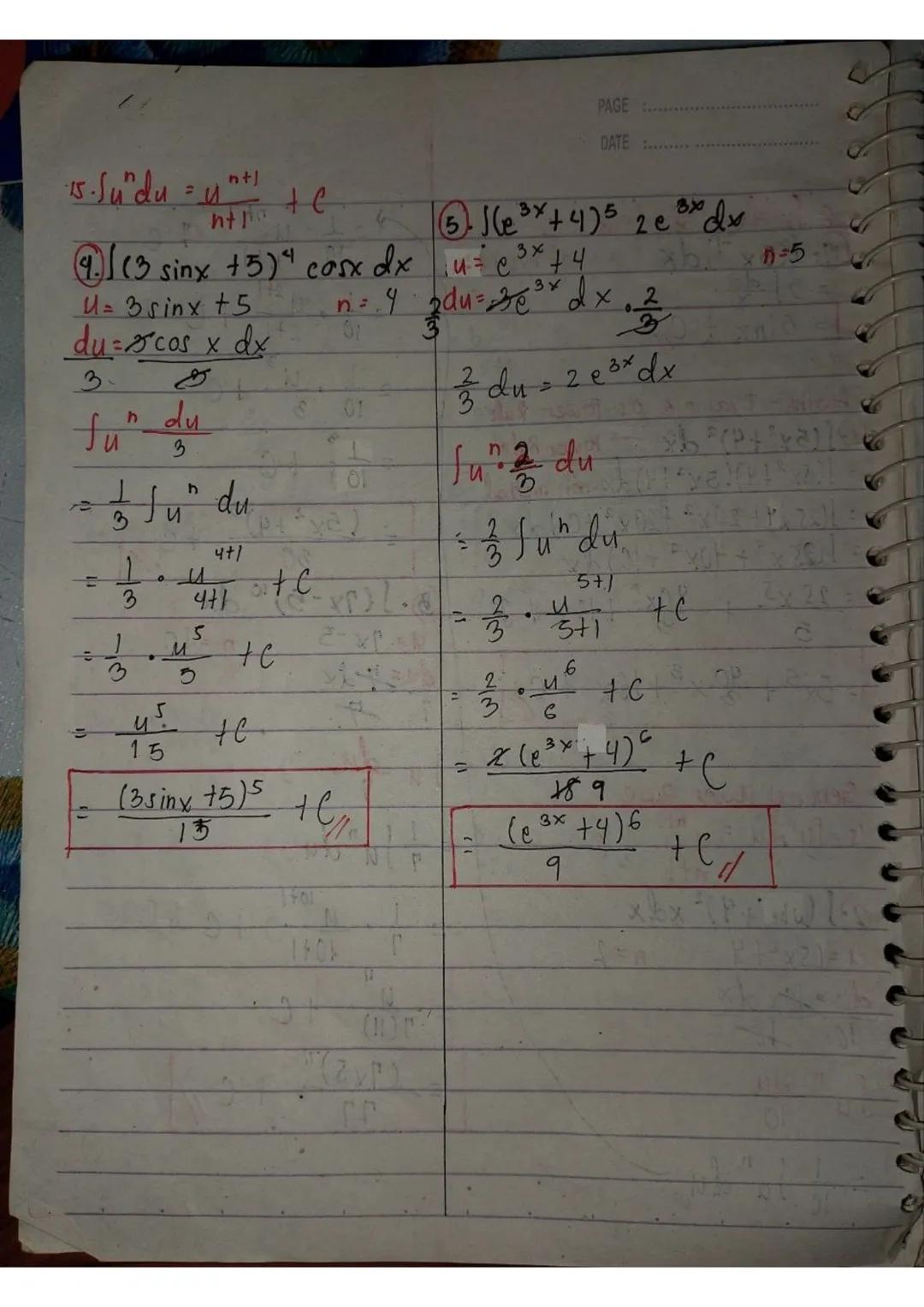
Think of anti-differentiation as detective work - you're given clues (the derivative) and need to find the original function. The process is written as ∫f(x)dx = F(x) + C, where the curvy ∫ symbol means "integrate this."
Here's the brilliant bit: if you differentiate y = x³ + 12, y = x³ - 300, or just y = x³, you always get dy/dx = 3x². This means when you integrate 3x² backwards, you could get any of these functions.
That's why we add C (the constant of integration) - it represents all those possible constants that disappear during differentiation. When you see ∫3x²dx = x³ + C, that C could be 12, -300, or any number at all.
Key insight: Integration is the inverse of differentiation - they undo each other perfectly!

 Maths
Maths English Literature
 Sociology
 Biology