Supernatural Forces and Context
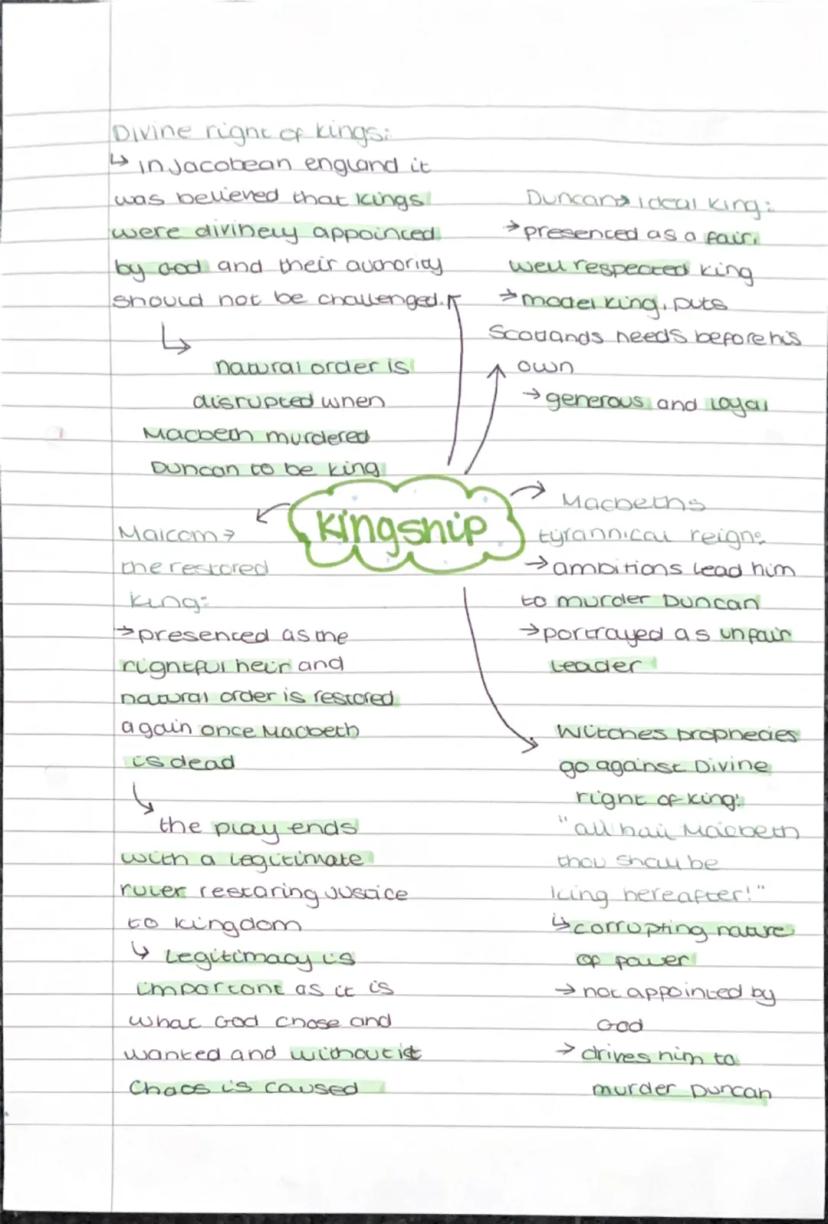
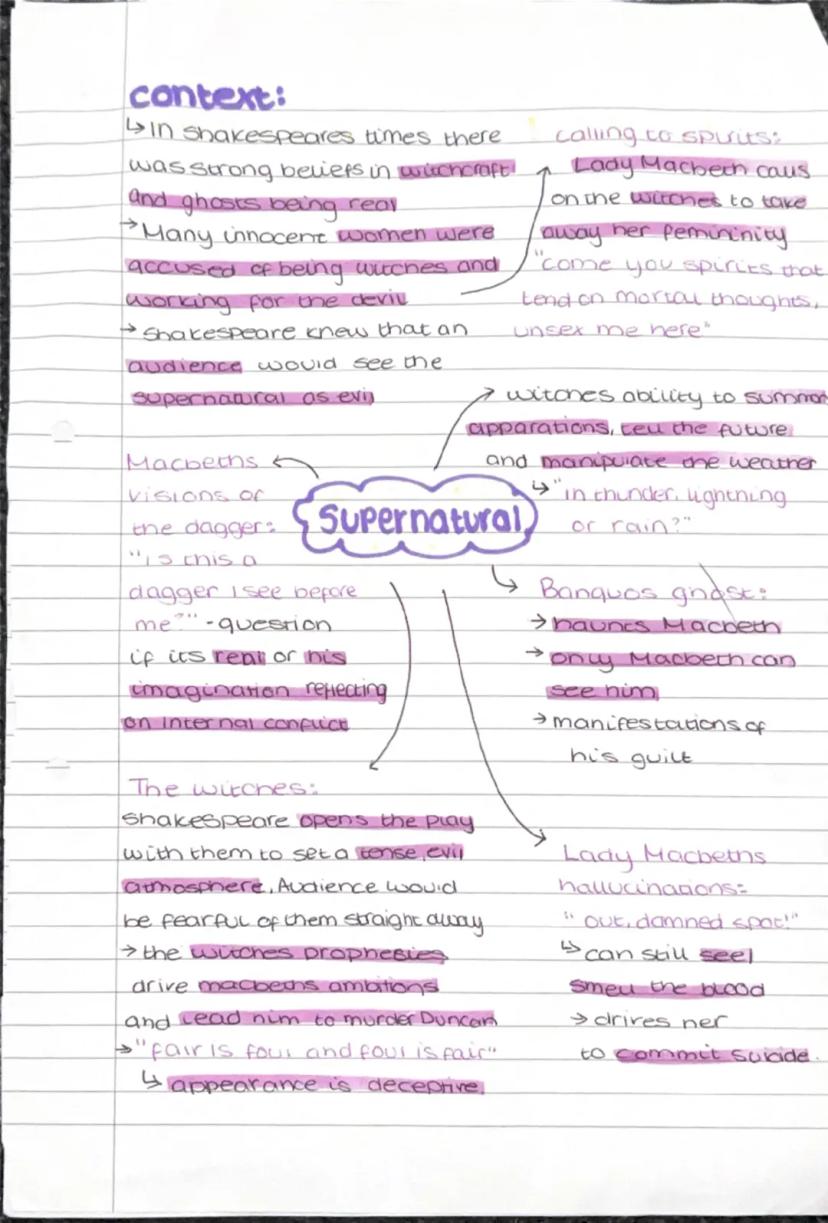
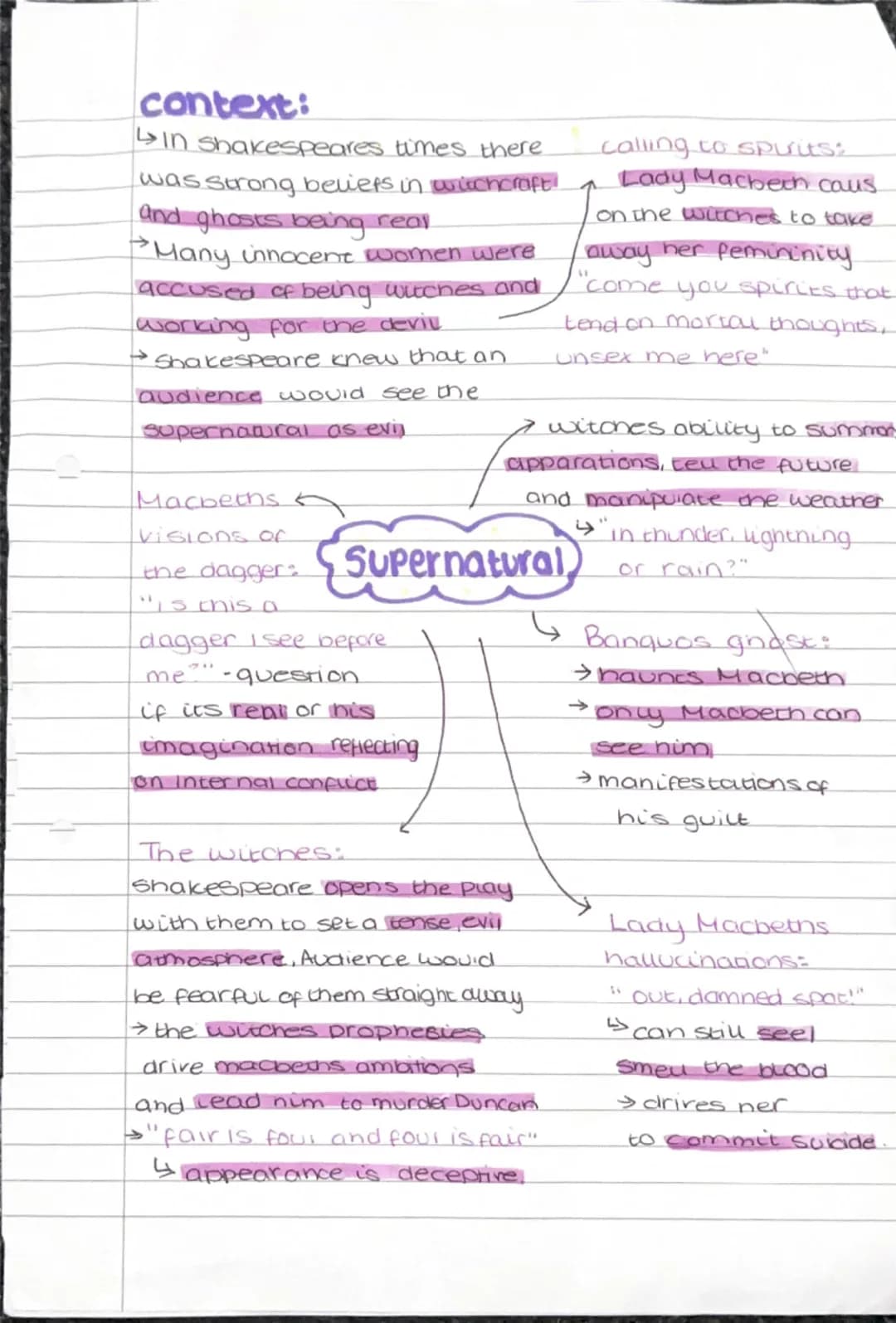
Shakespeare's audience genuinely feared witchcraft - witch trials were common, and supernatural forces were considered real threats to Christian society. The play opens with witches to immediately establish an atmosphere of evil and chaos.
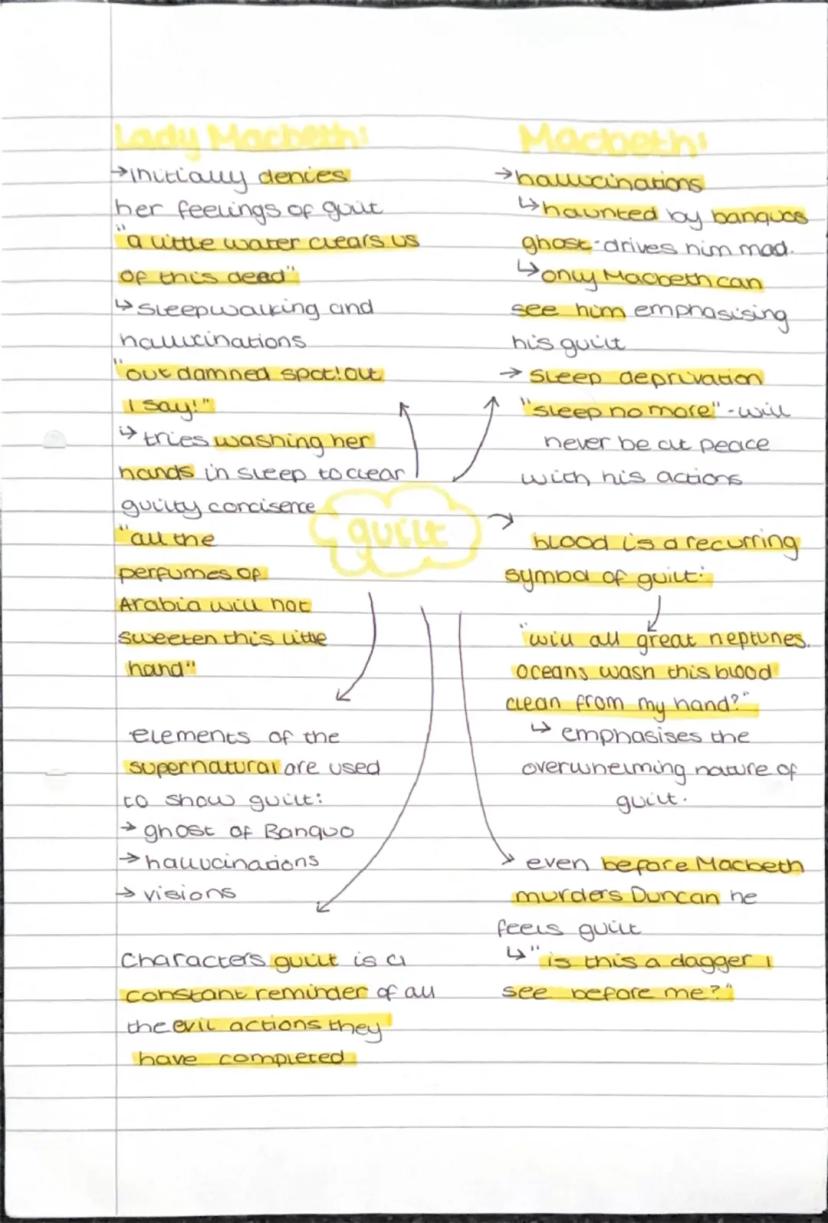
Macbeth's supernatural visions blur the line between external manipulation and internal corruption. The hallucinated dagger could represent supernatural influence, psychological breakdown, or both - this ambiguity makes it more disturbing.
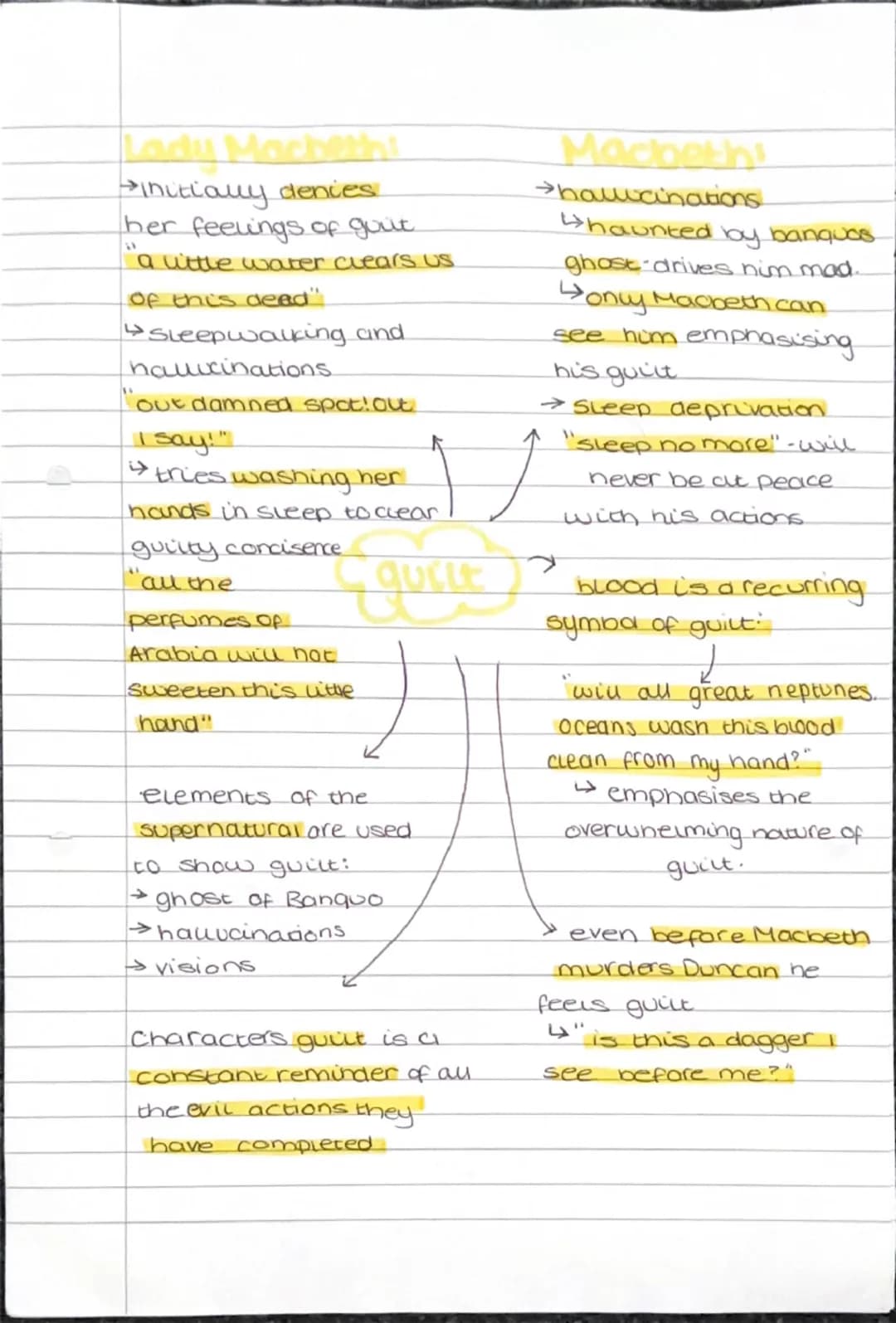
Lady Macbeth's invocation of evil spirits ("unsex me here") shows how characters actively seek supernatural corruption. Her later hallucinations ("out, damned spot!") suggest that trafficking with evil forces ultimately destroys those who embrace them.
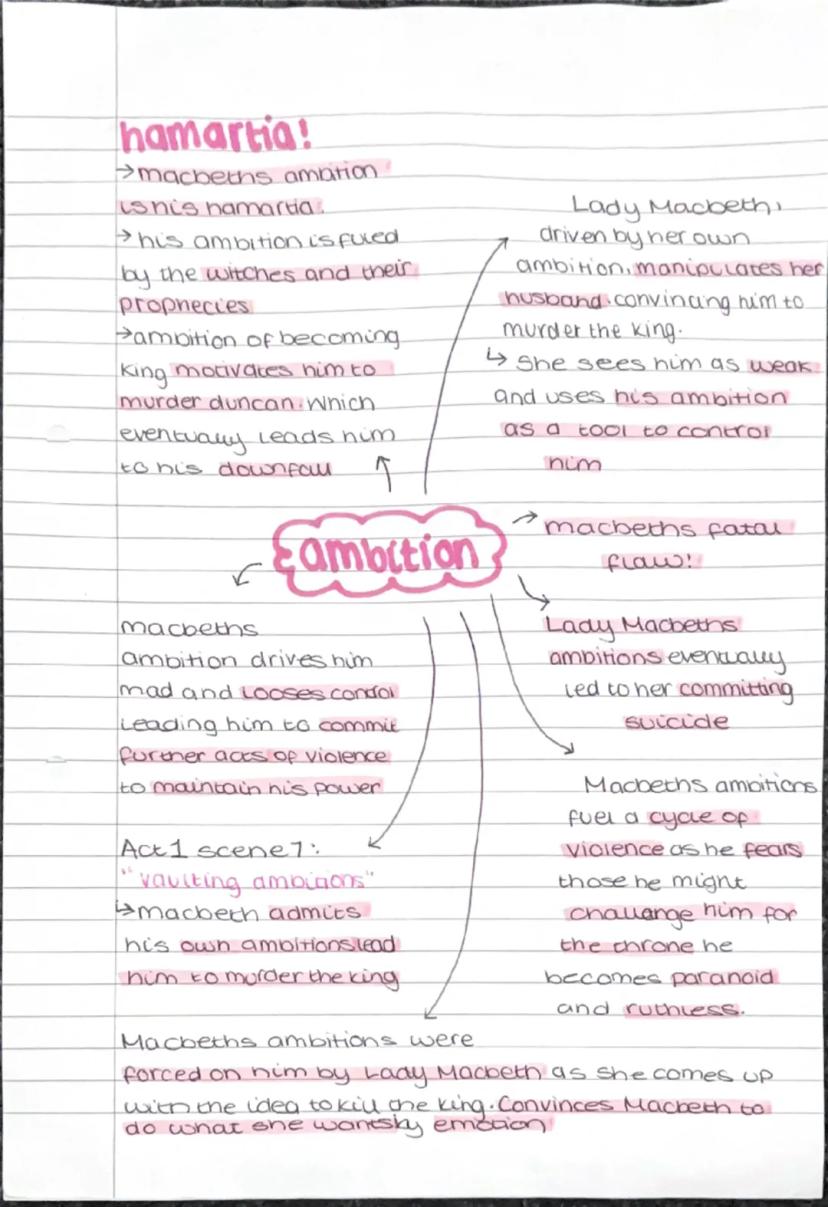
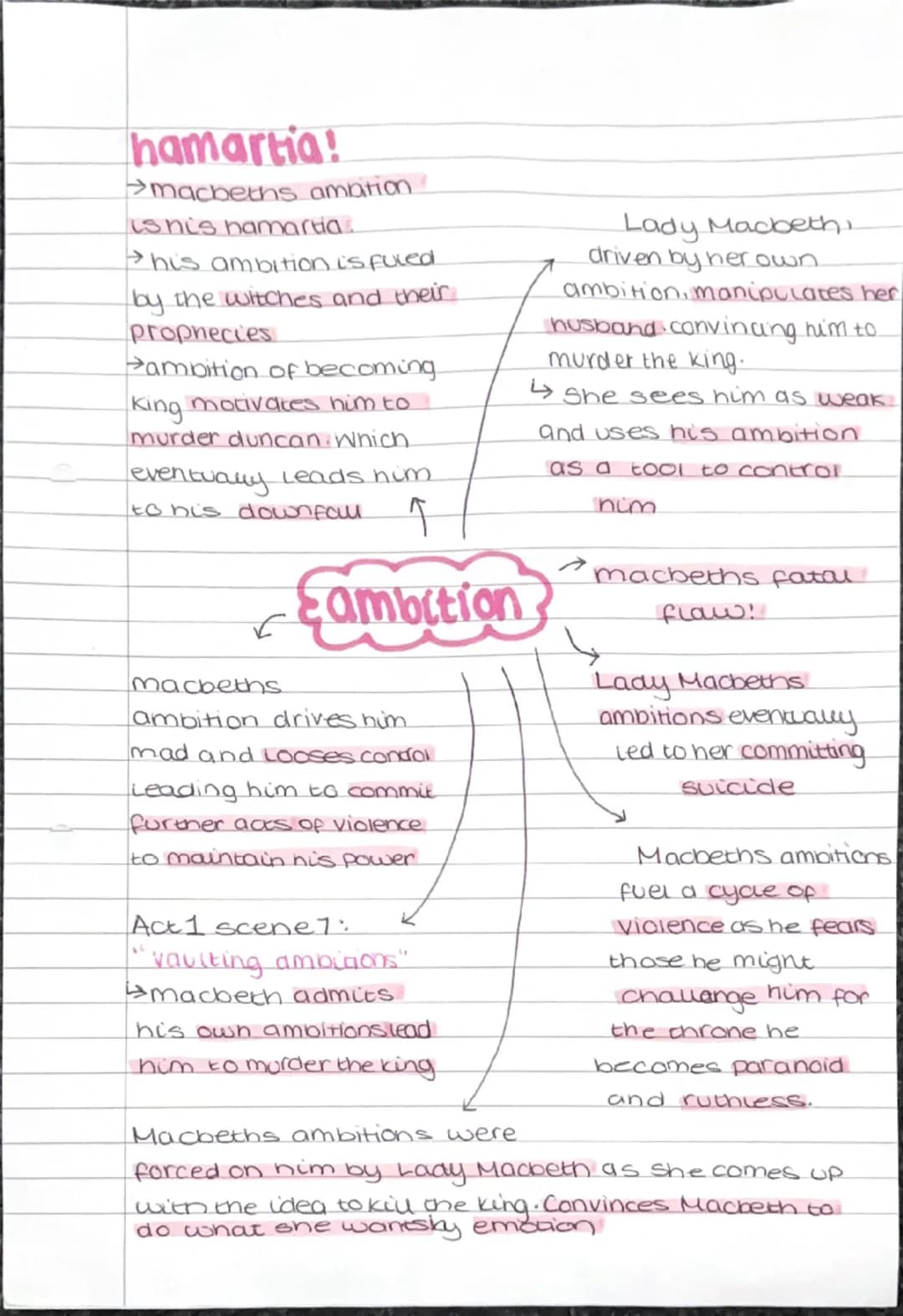
The supernatural in Macbeth isn't separate from natural psychology - evil forces amplify existing human weaknesses like ambition and ruthlessness. The witches don't force Macbeth to murder Duncan; they simply reveal and encourage his latent desires.
Cultural significance: For Shakespeare's audience, the supernatural represented real spiritual warfare - the play would have felt like a warning about the genuine dangers of ambition and evil.

 English Literature
 Biology
 Sociology