Essential Literary Devices & Language Techniques
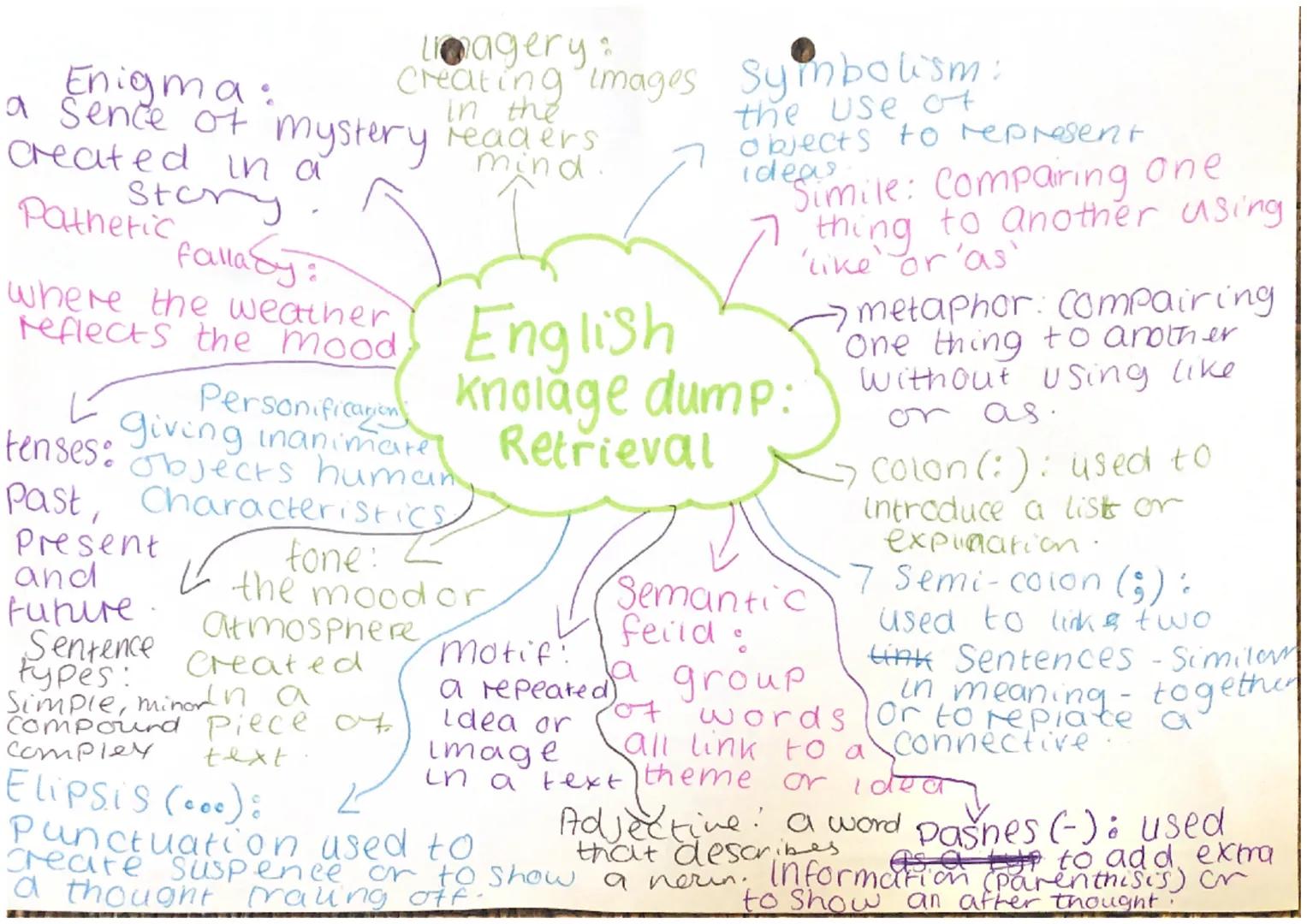
Imagery is all about painting pictures with words - writers use descriptive language to create vivid mental images that help you visualise scenes, characters, and emotions. Think of it as the author's way of making a film in your mind using only words.
Symbolism takes everyday objects and gives them deeper meaning. For example, a red rose might represent love, or a storm could symbolise conflict. Writers use symbols to add layers of meaning without directly stating their ideas.
Similes compare two different things using 'like' or 'as' - such as "brave as a lion" or "quiet like a mouse". Metaphors do the same job but without using 'like' or 'as', directly stating one thing is another: "Life is a journey" or "Her voice was music to his ears."
Personification brings inanimate objects to life by giving them human characteristics. When you read "the wind whispered" or "the sun smiled down," that's personification at work. Pathetic fallacy is similar but specifically uses weather to reflect the mood - like a thunderstorm during a dramatic argument scene.
Quick Tip: Look for repeated images or ideas in texts - these motifs often reveal the author's main themes and messages.

 English Language
 Sociology
 Biology