Key Economic Concepts
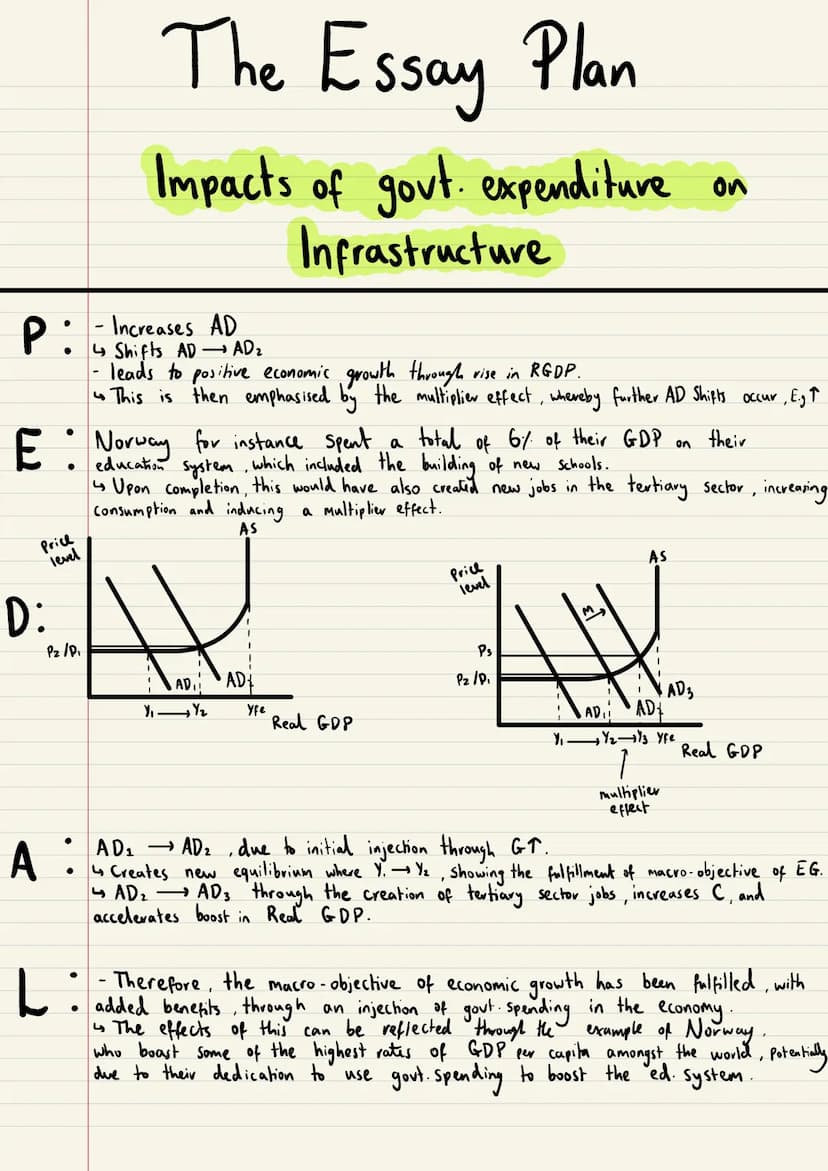
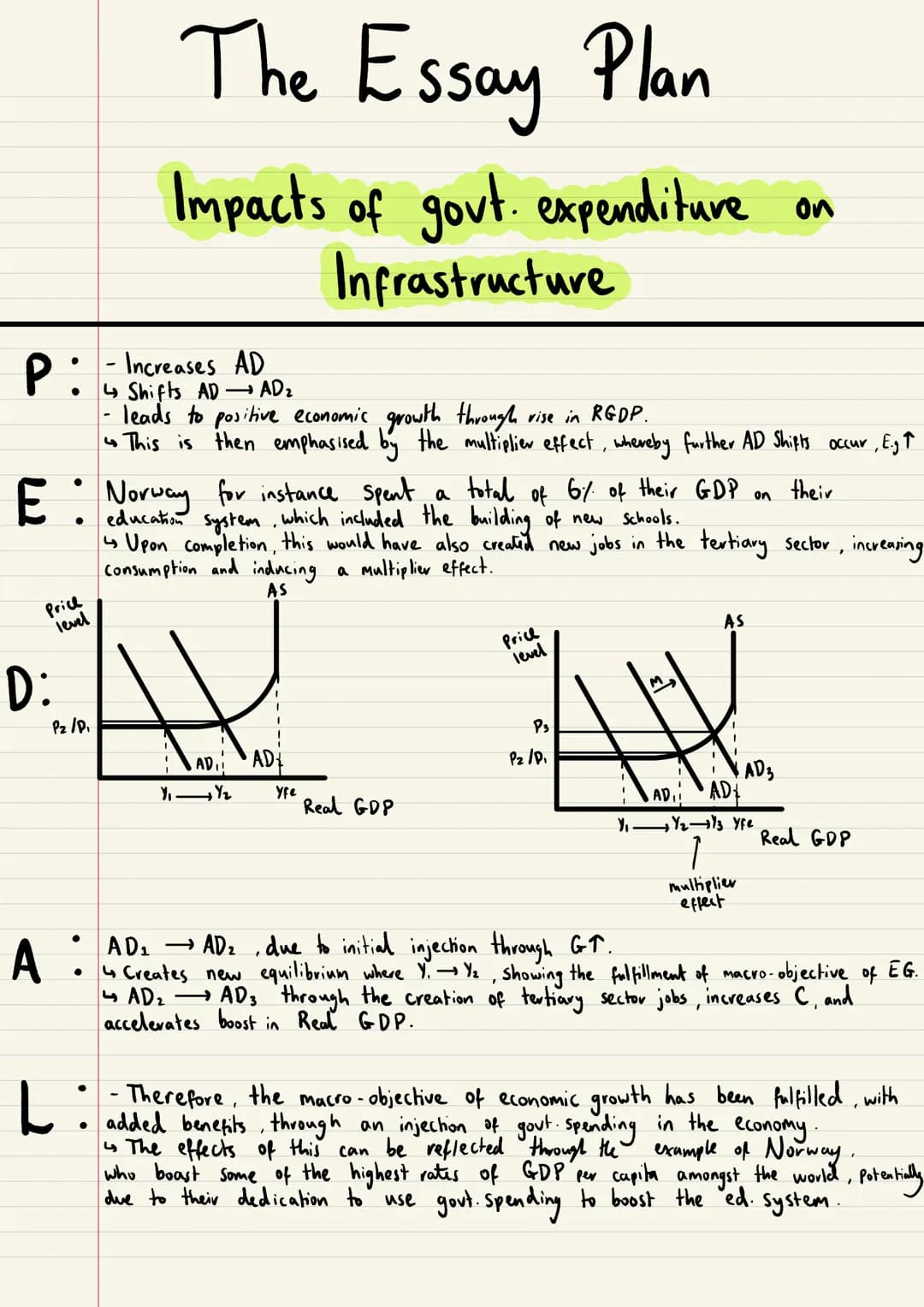
Government expenditure can trigger aggregate demand (AD) increases, enabling economic growth that's accelerated by the multiplier effect. When governments spend on infrastructure, they can create a virtuous cycle of economic activity.
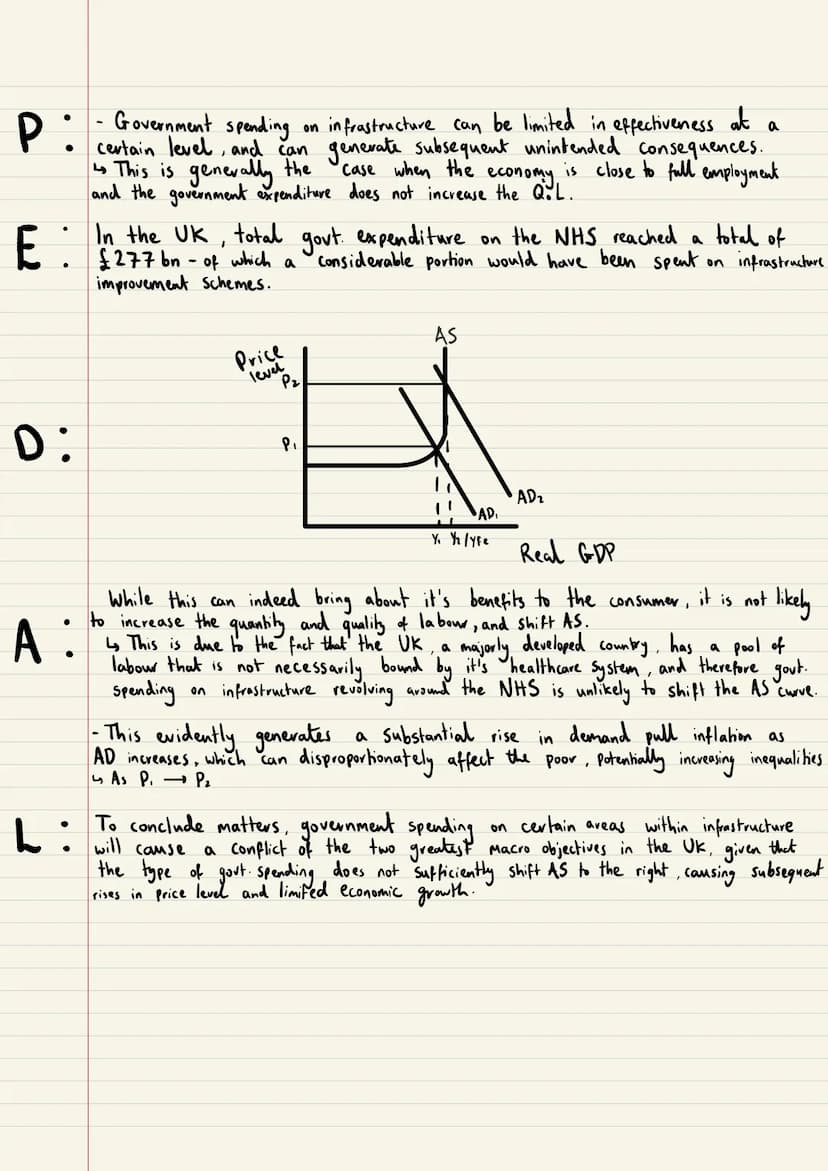
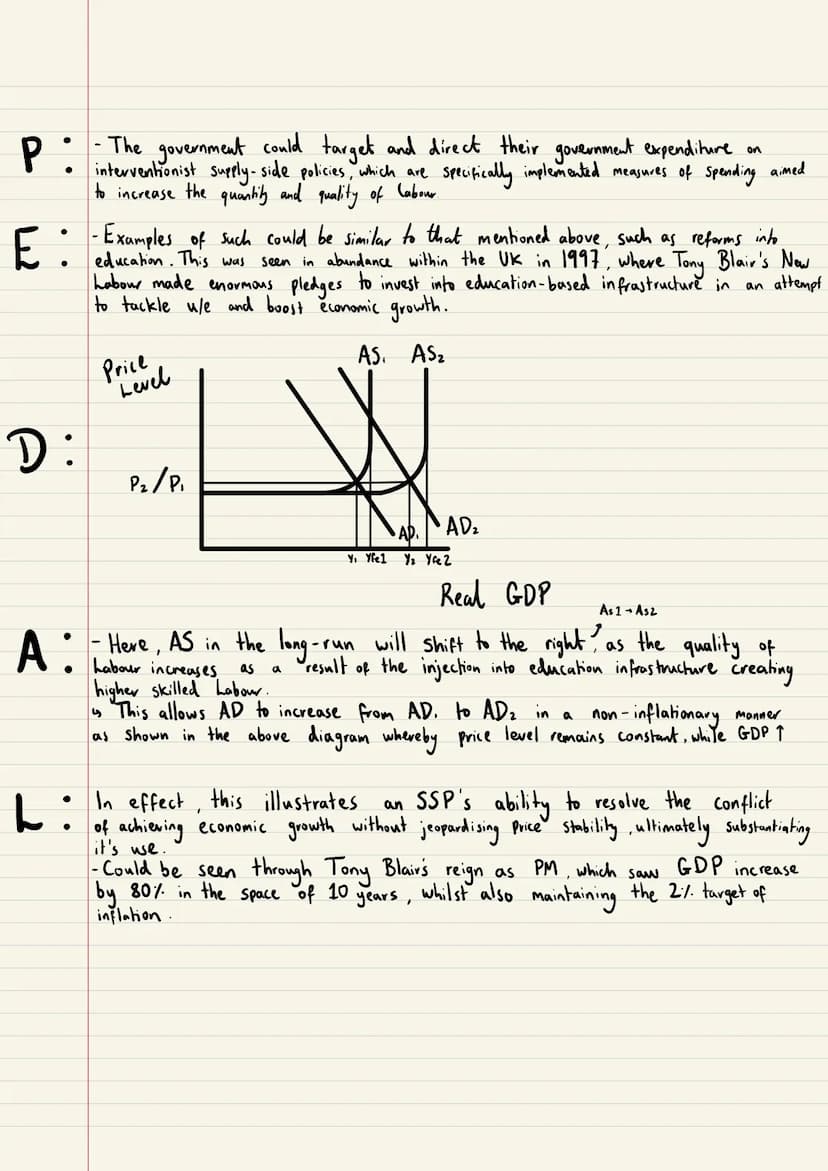
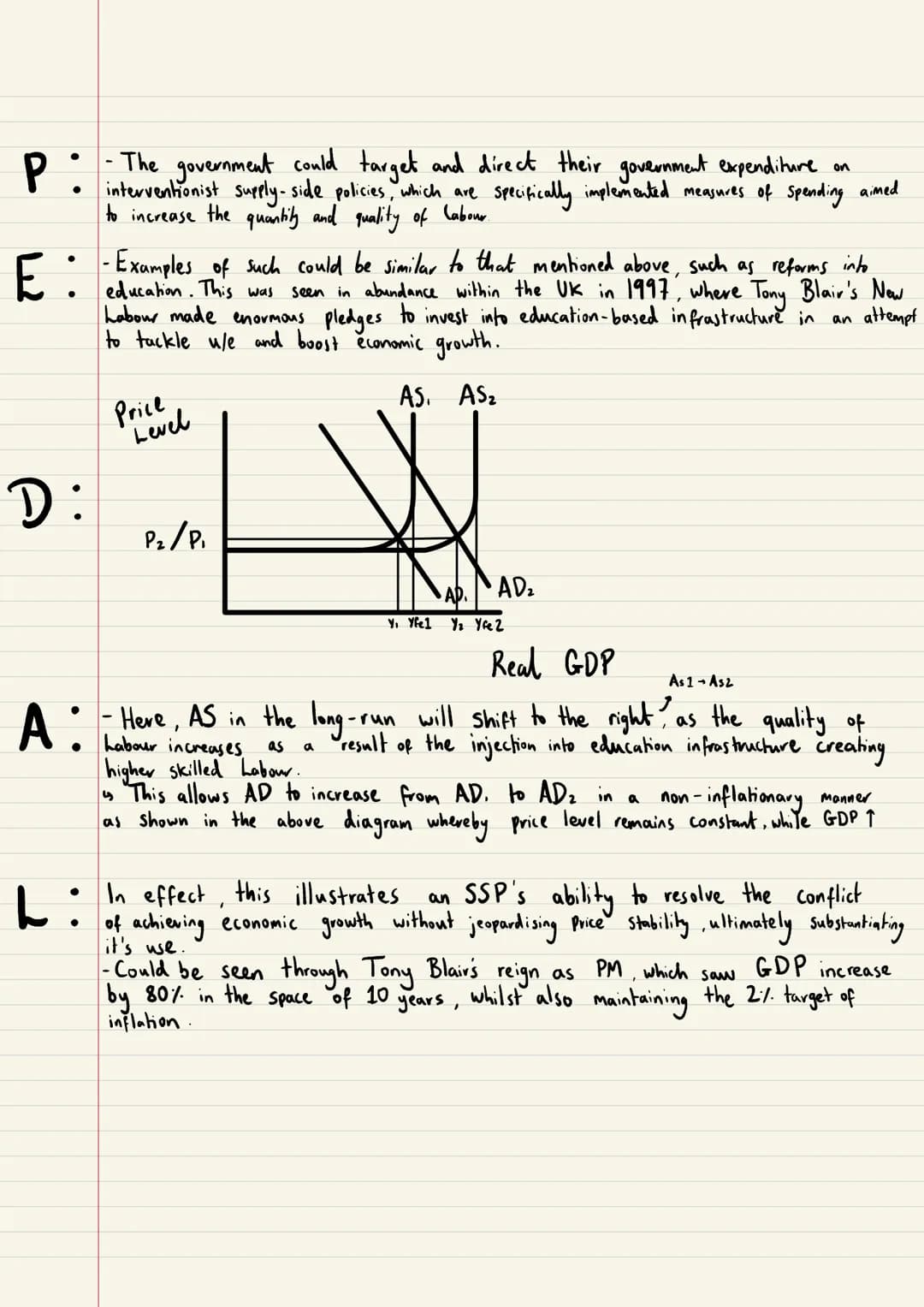
However, there are important considerations. While AD shifts can stimulate growth, they might also cause demand-pull inflation if not managed properly. Government spending is most effective when it improves quality of life and shifts the aggregate supply curve, creating non-inflationary growth.
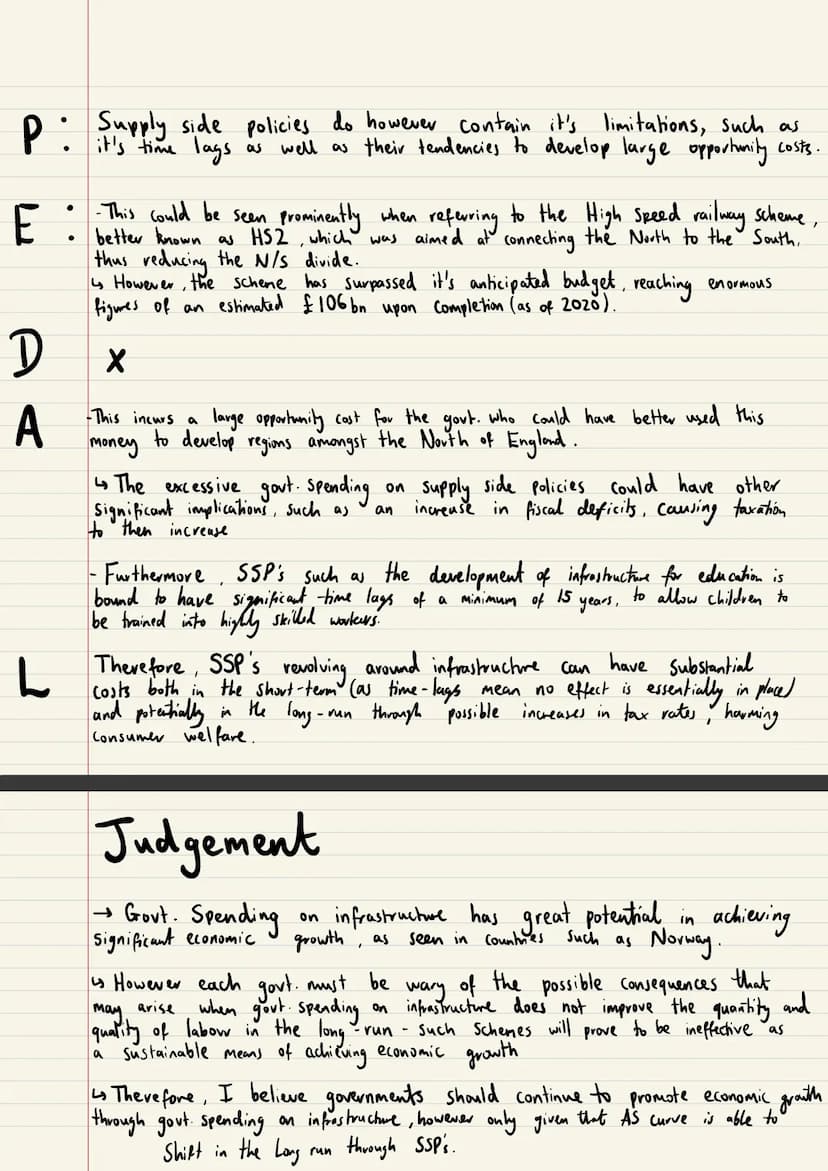
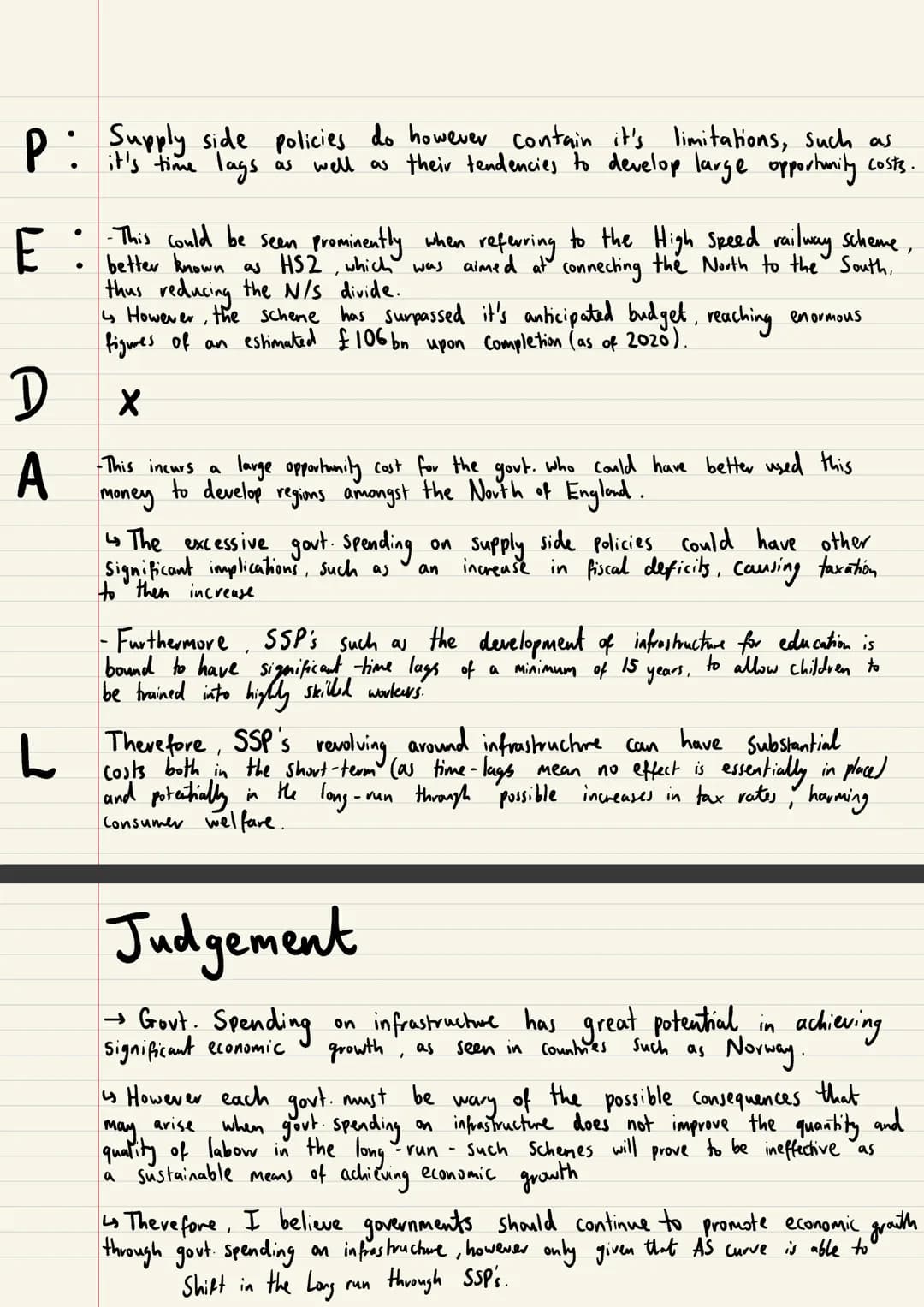
Some real-world examples show the varying effectiveness of government spending. Norway's education system demonstrates positive outcomes, while UK spending on the NHS has faced challenges. Large infrastructure projects like HS2 involve significant opportunity costs and time lags.
Remember: The effectiveness of government spending depends largely on whether it addresses supply-side constraints or merely stimulates demand temporarily.





 Economics
 English Literature
 Biology
 Sociology
 Business