Atomic Structure Basics
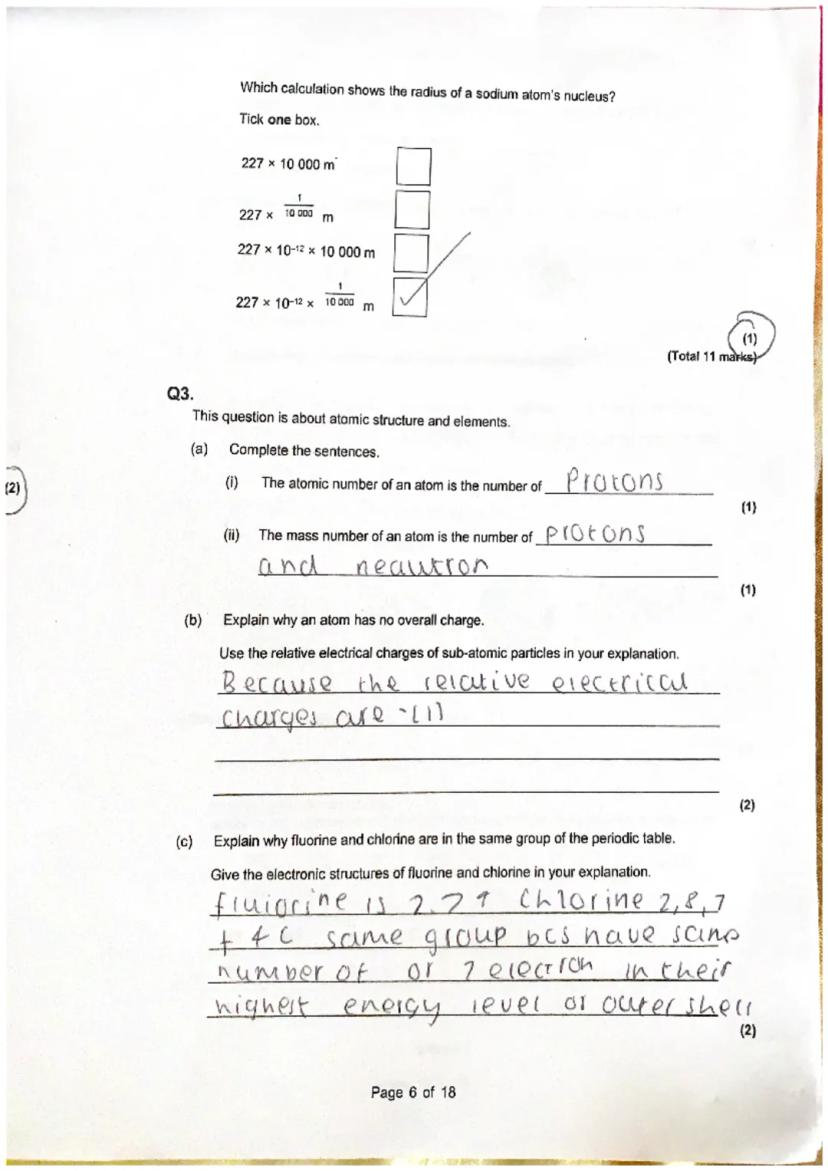
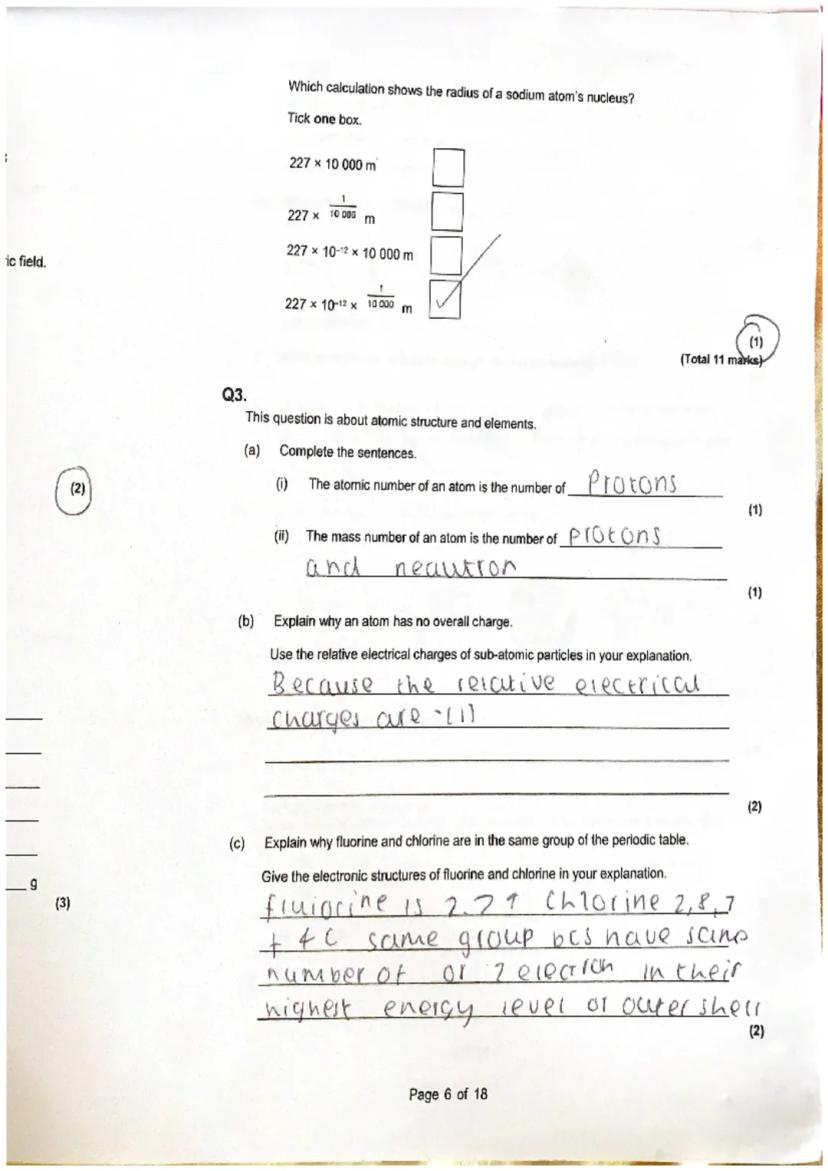
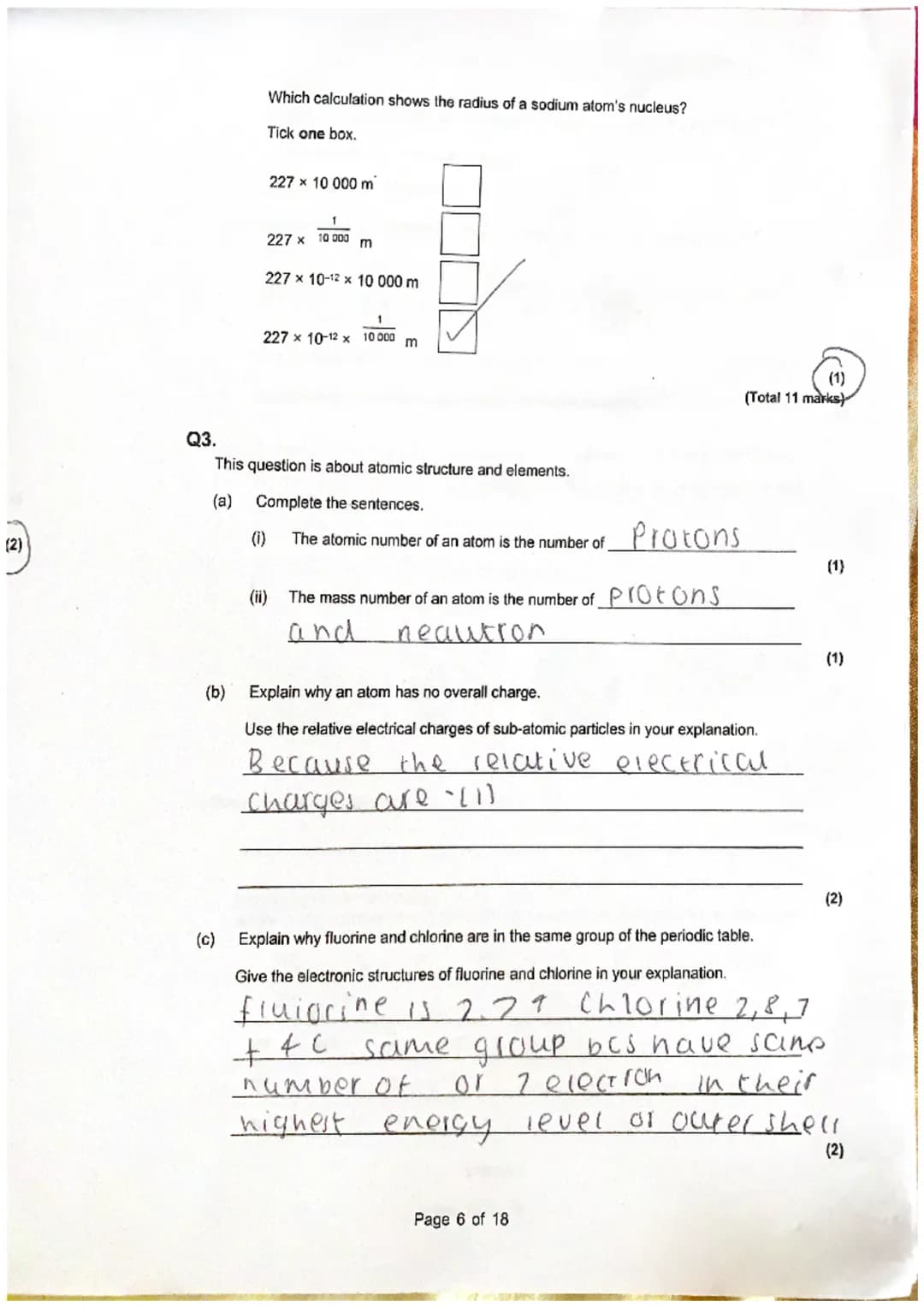
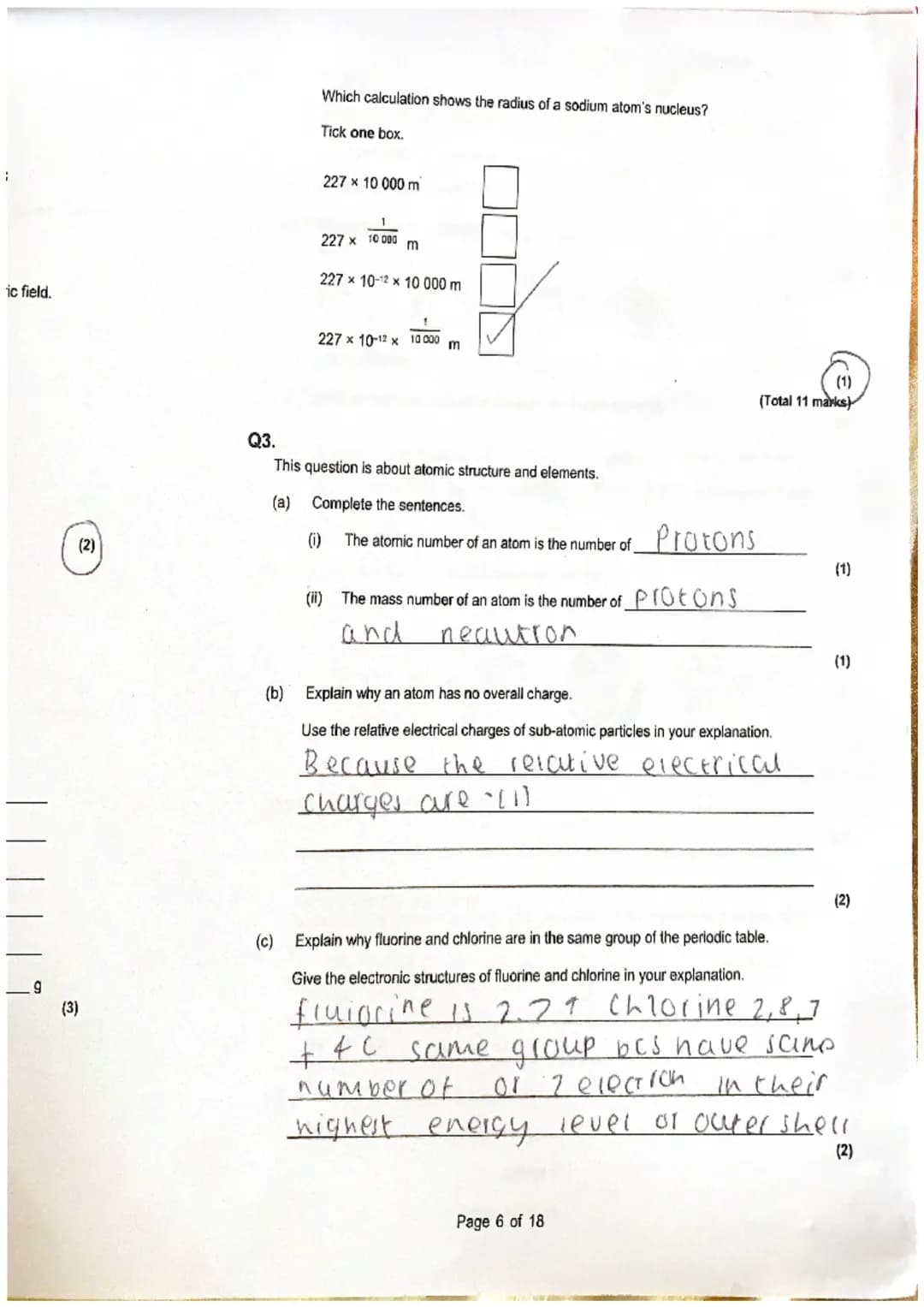
Understanding atomic number and mass number is crucial for chemistry success. The atomic number tells you how many protons an atom has, whilst the mass number is the total count of protons and neutrons combined.
Atoms have no overall electrical charge because they contain equal numbers of positively charged protons and negatively charged electrons. These opposite charges cancel each other out perfectly, leaving the atom electrically neutral.
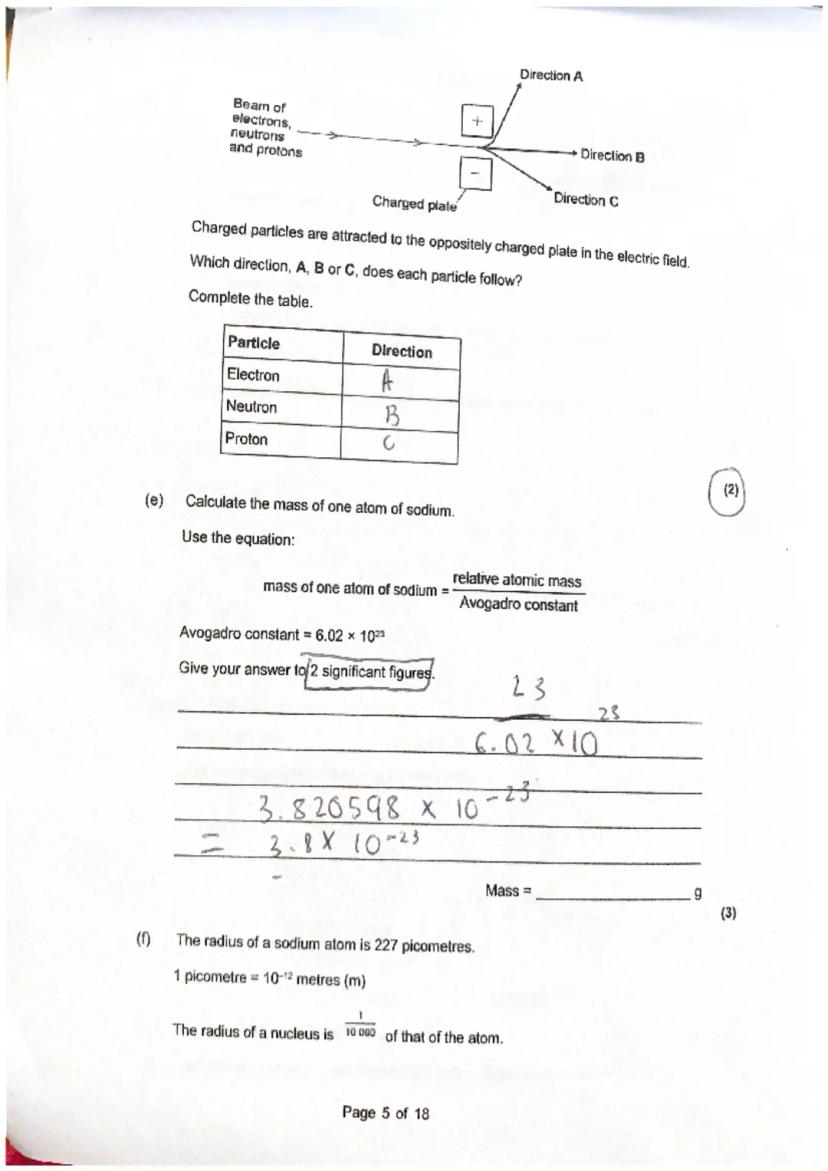
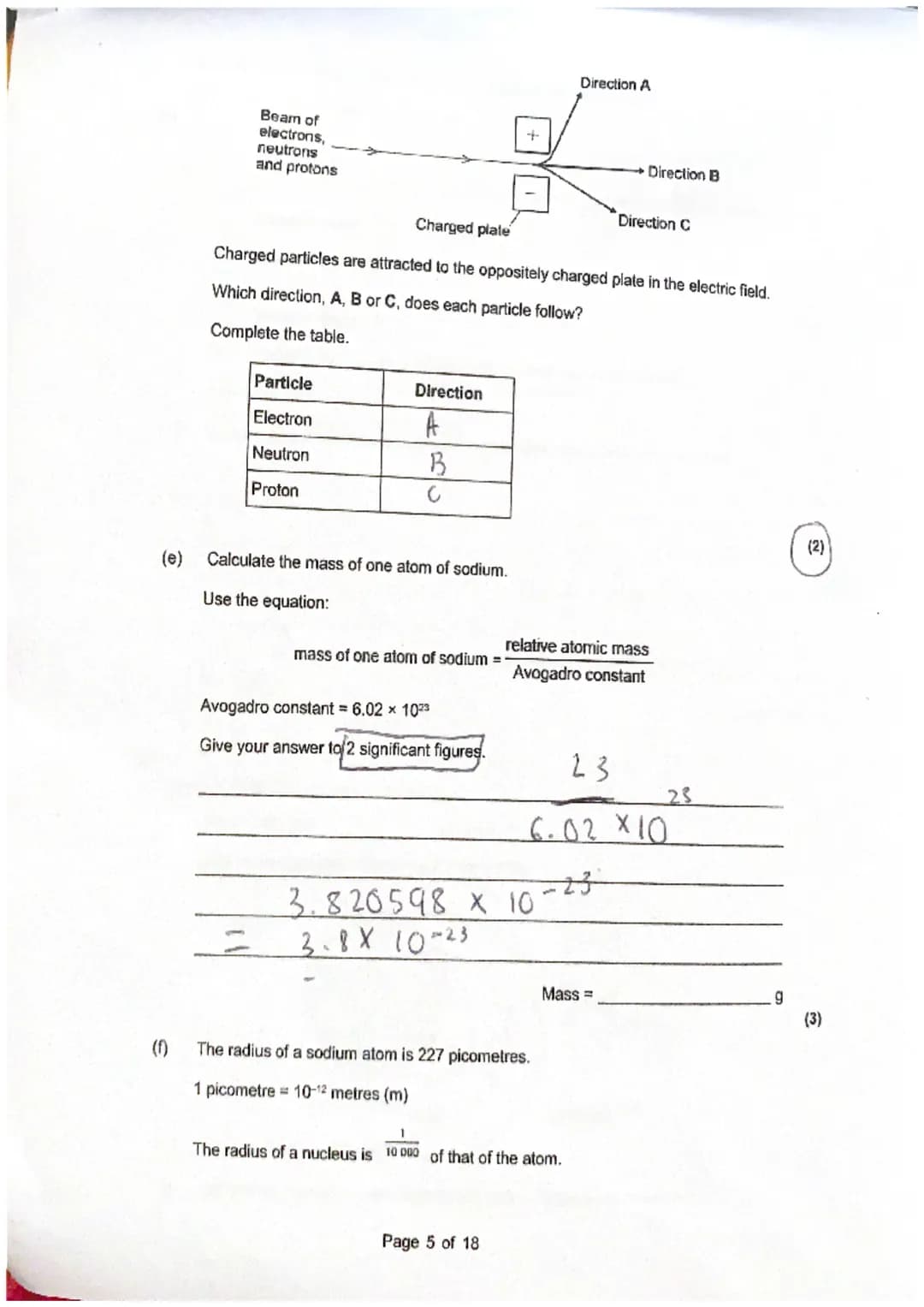
Key Tip: Remember that electrons have a -1 charge, protons have a +1 charge, and neutrons are neutral (0 charge).
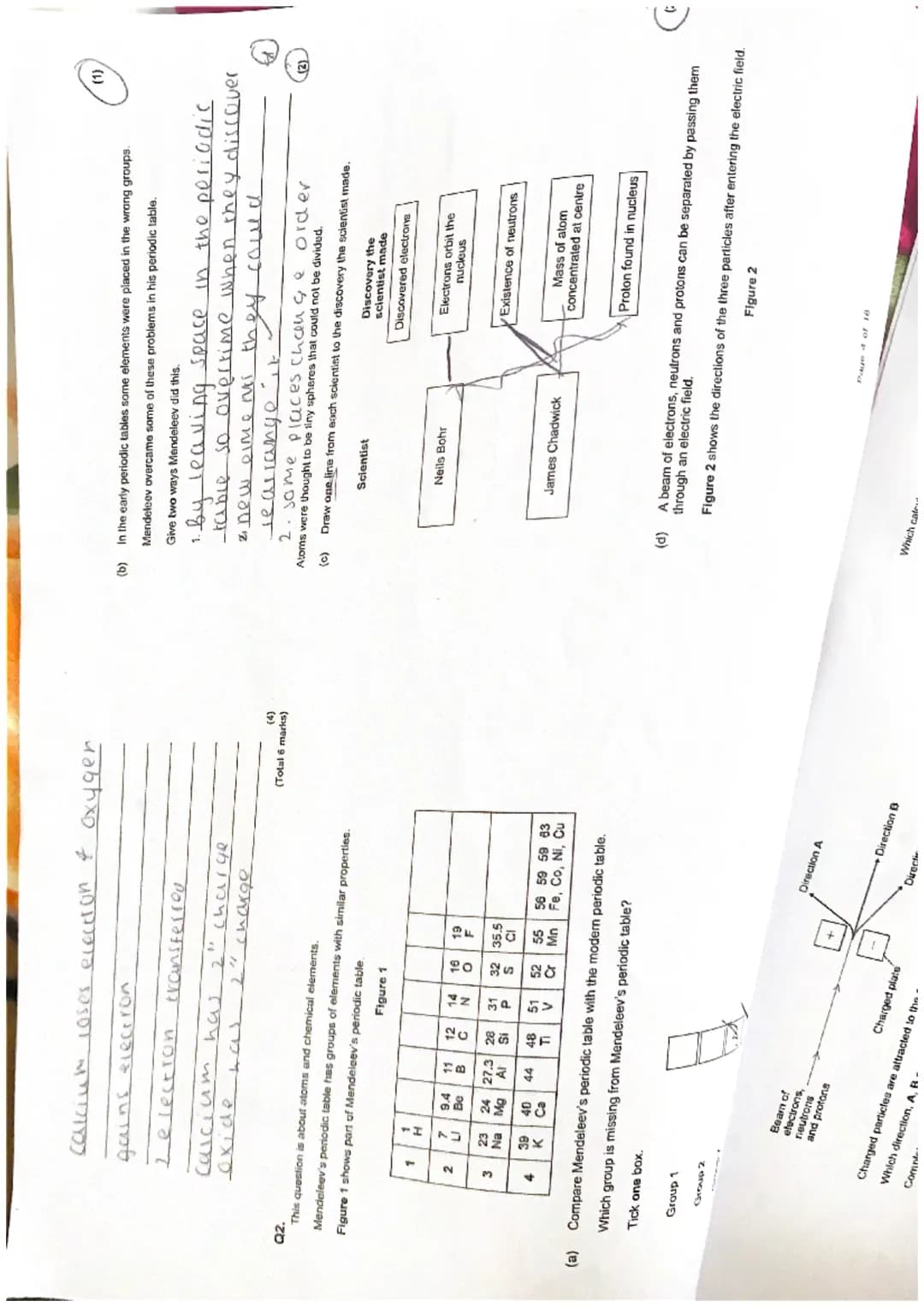
Elements in the same group of the periodic table share similar properties because they have the same number of electrons in their outer shell. For example, fluorine (2,7) and chlorine (2,8,7) both have 7 outer electrons, which explains why they're both in Group 7.

 Chemistry
 English Literature
 Sociology
 Biology