Market Orientation and Segmentation Strategies
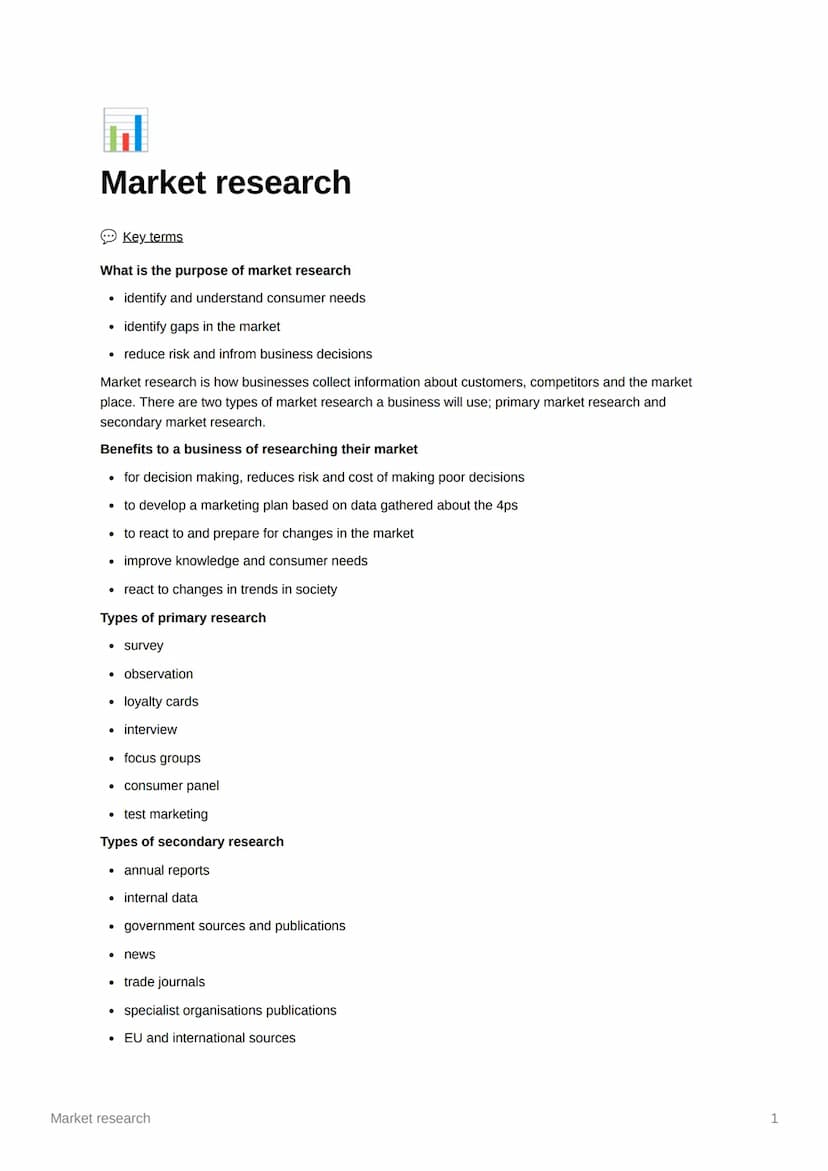
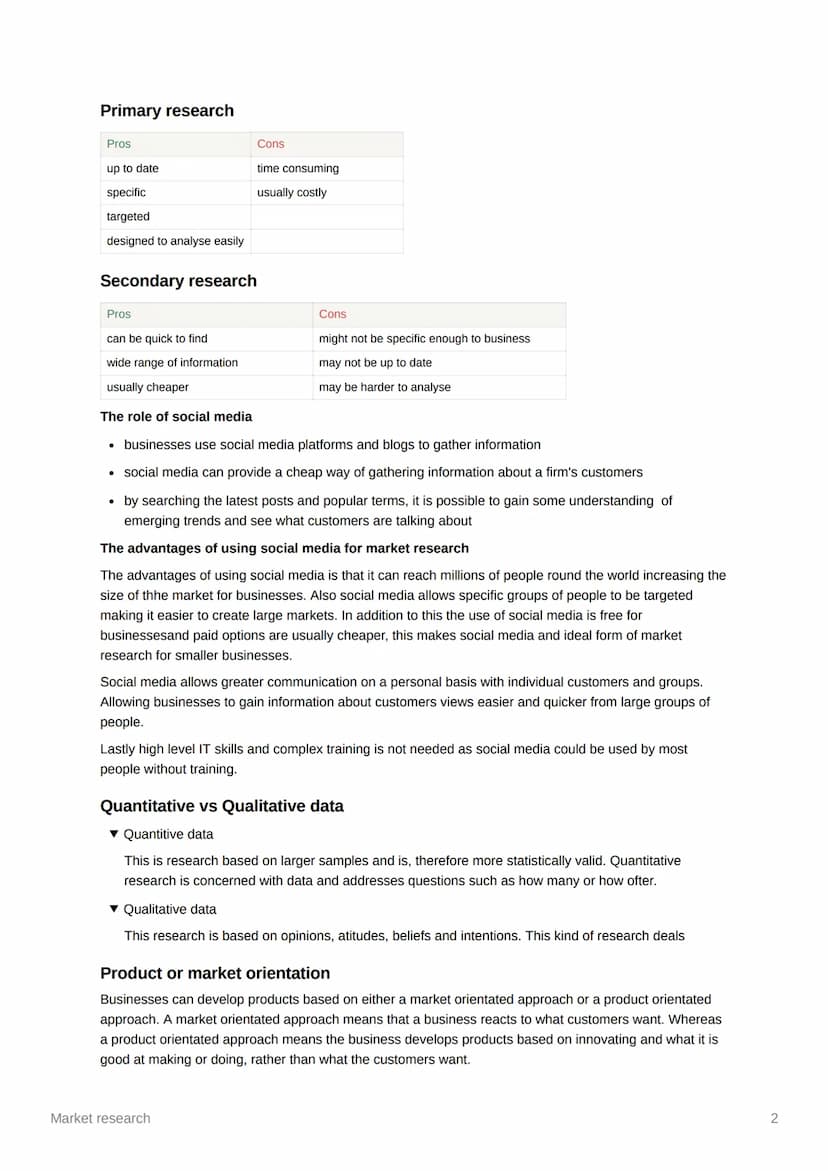
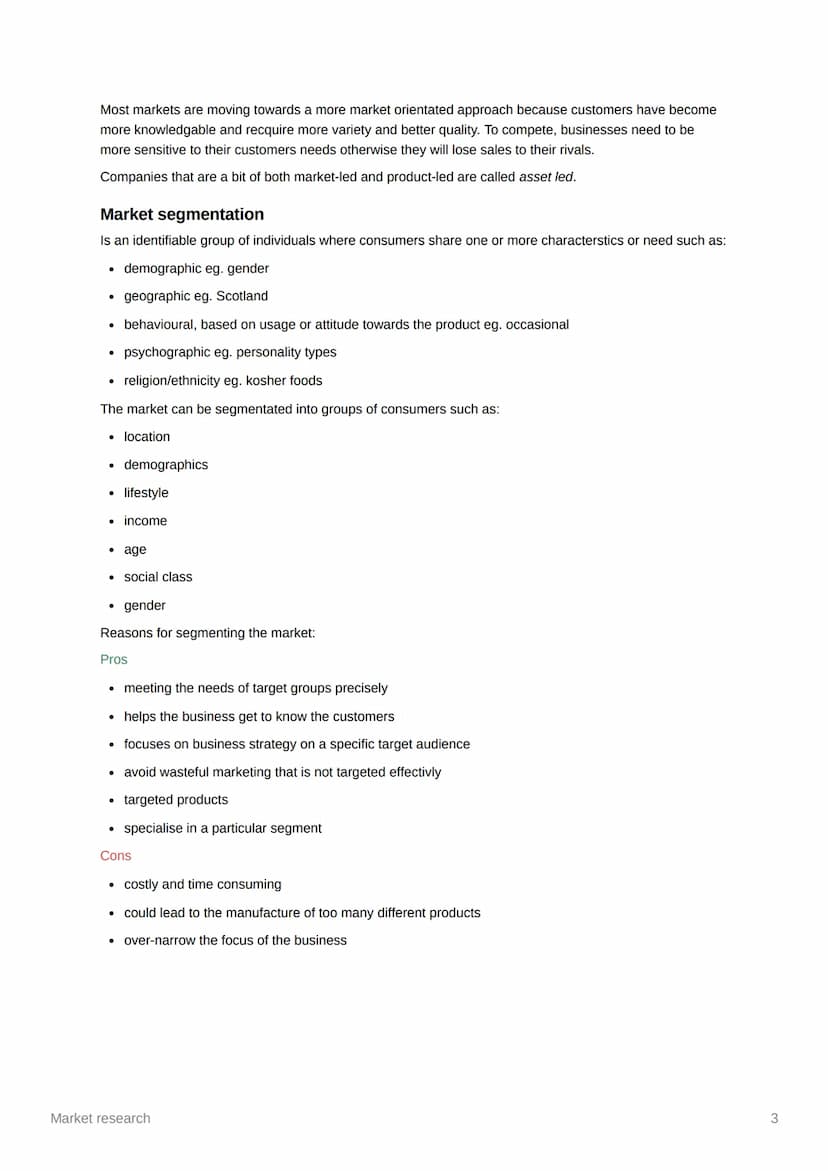
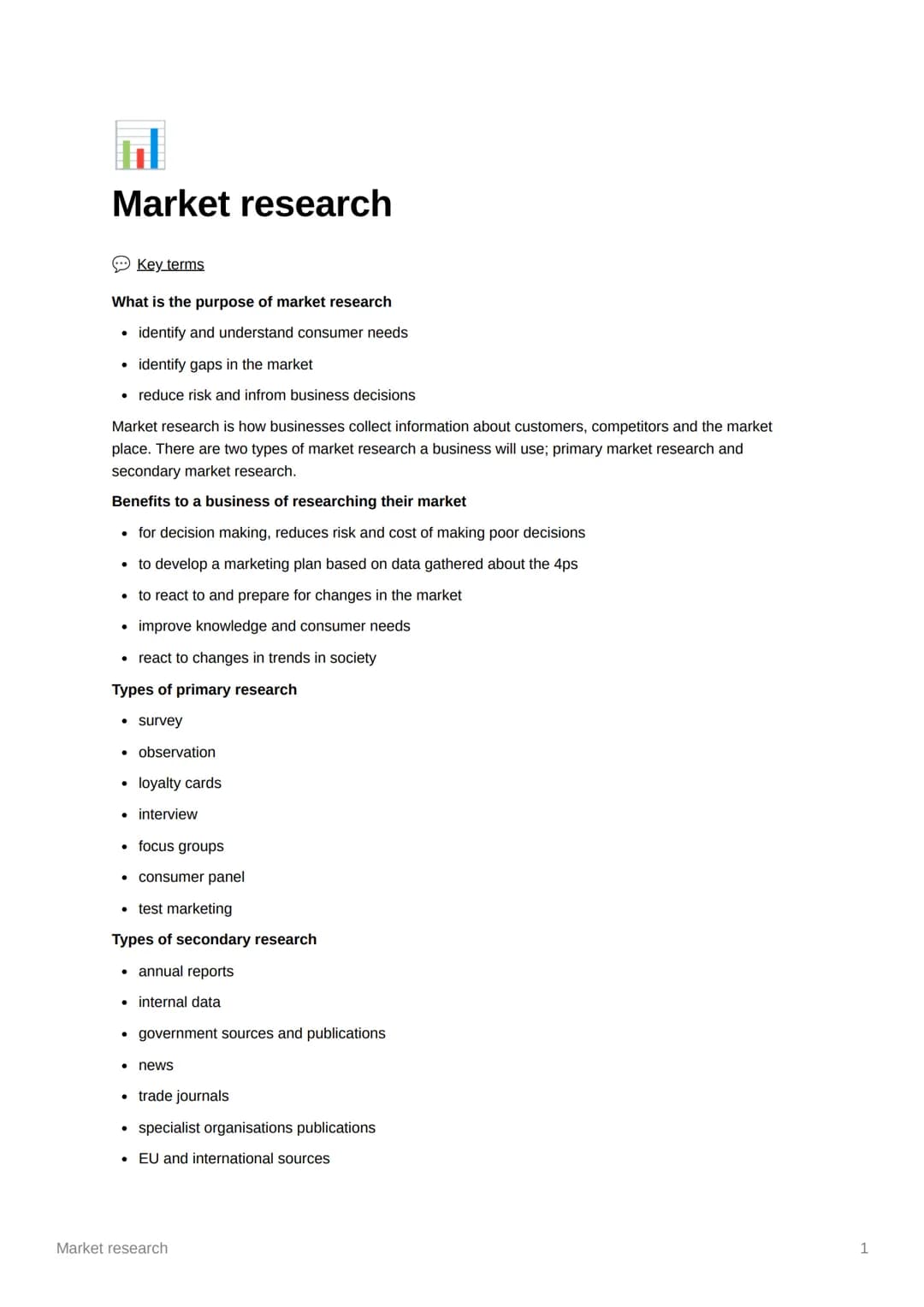
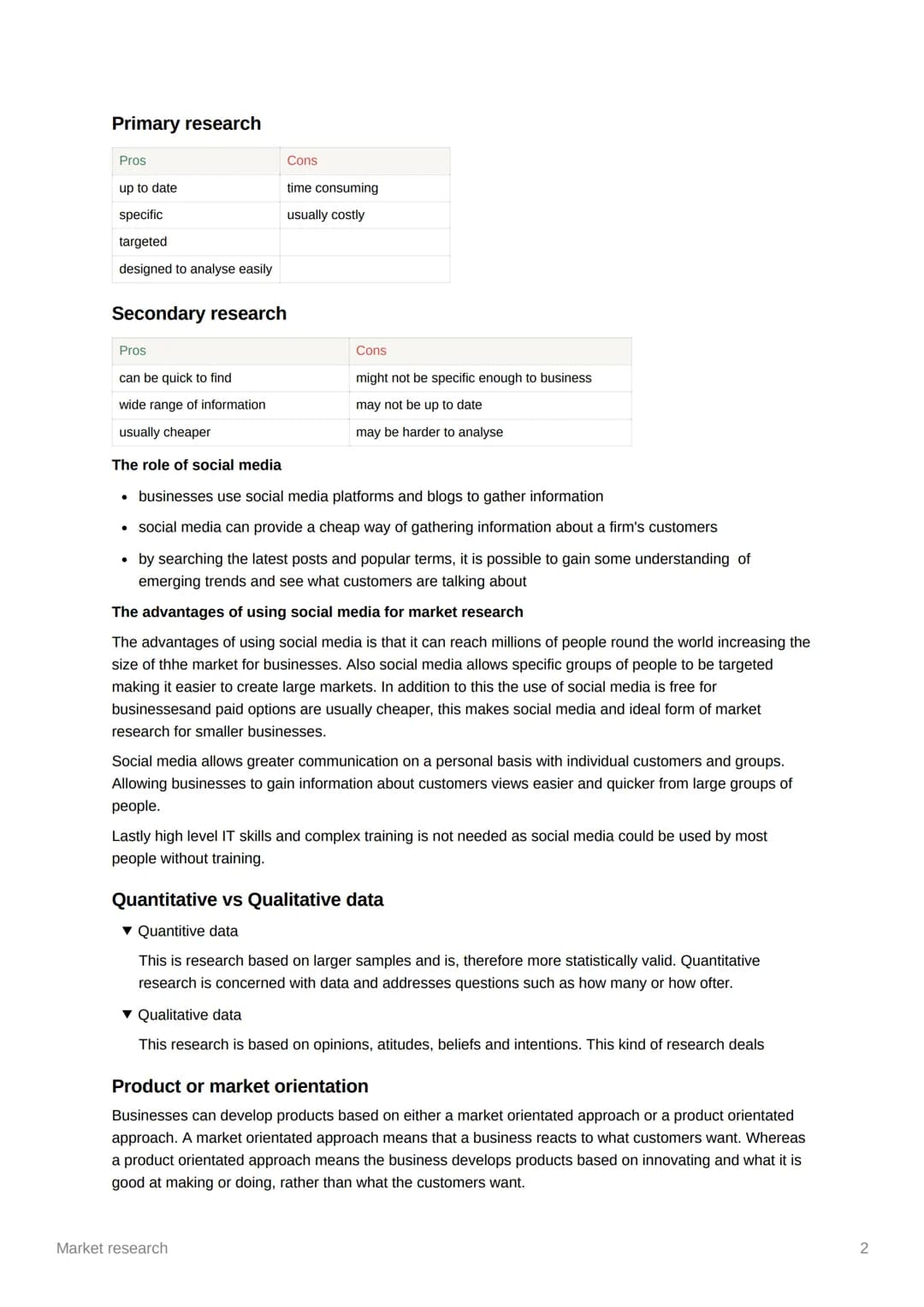
Businesses can either be market-oriented (responding to what customers want) or product-oriented (focusing on innovation and what they do best). Most successful companies today lean towards market orientation because customers have become more demanding and knowledgeable.
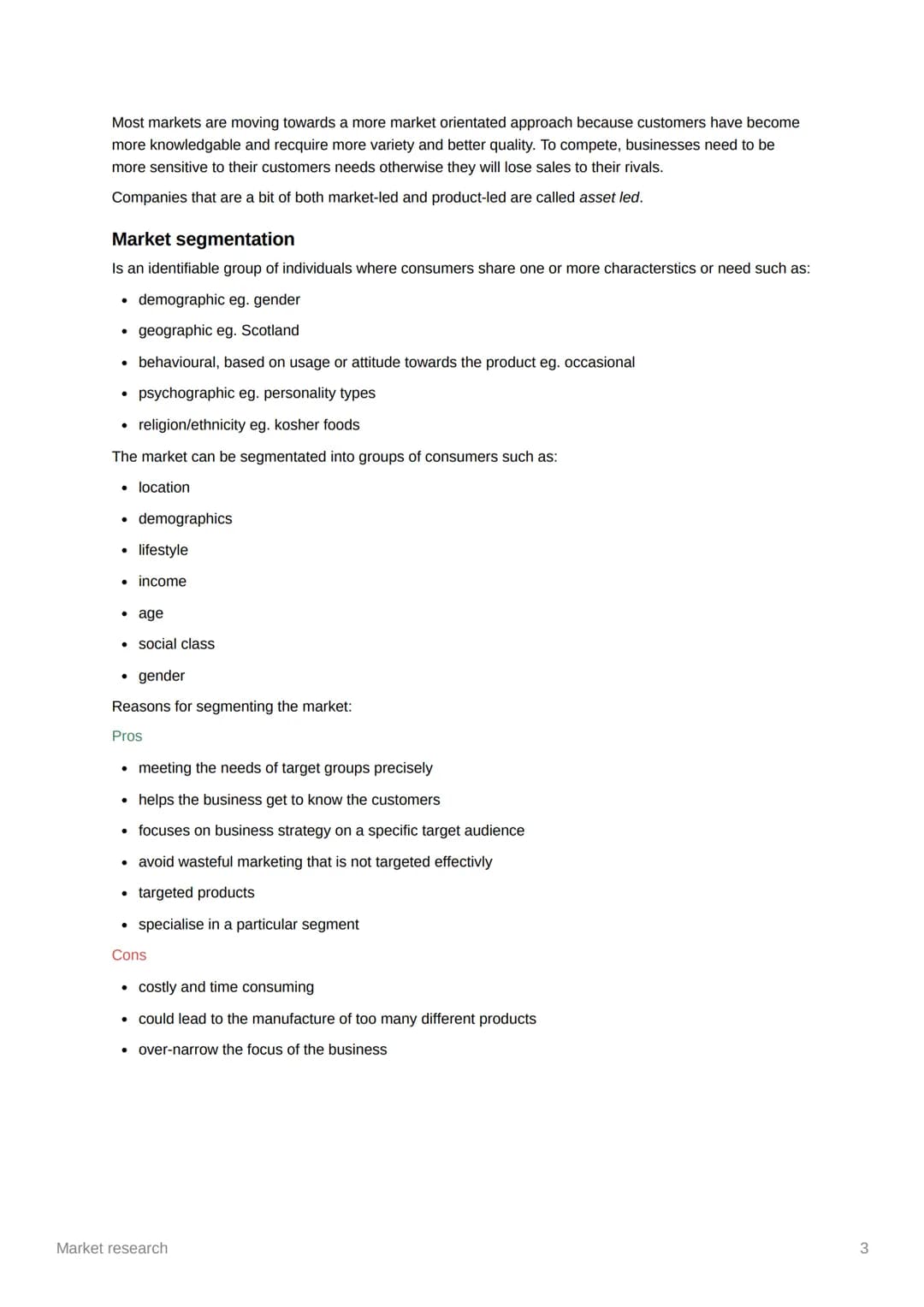
Market segmentation involves dividing your potential customers into specific groups based on shared characteristics. You might segment by demographics (age, gender), geography (location), or behaviour (how often they buy).
The advantages of segmentation include meeting customer needs more precisely and avoiding wasteful marketing. You can create targeted products and focus your strategy on specific audiences rather than trying to please everyone.
However, segmentation can be costly and time-consuming. There's also a risk of creating too many different products or making your business focus too narrow, potentially missing broader market opportunities.
Key Point: Effective market segmentation helps businesses target the right customers with the right products, but balance is essential to avoid over-complication.


 Business
 English Literature
 Biology
 Sociology